Bank Fishing Techniques for Reservoirs
There’s nothing quite like the feeling of hitting your favorite South Dakota reservoir with nothing but a couple of rods, a small tackle box, and the hope of landing a trophy. But let's be real, bank fishing can sometimes feel like you're at a disadvantage compared to those fancy boats with all their electronics. Finding those elusive fish from shore in vast reservoirs can be a real head-scratcher. This comprehensive guide is here to equip you with the knowledge and techniques to turn those shoreline strolls into successful angling adventures.
Understanding Reservoir Dynamics from Shore
Bank fishing on a reservoir isn't just about casting and hoping; it's about understanding the subtle cues the water gives you. Unlike smaller ponds or rivers, reservoirs are complex ecosystems with distinct features that influence where fish hold. From the bank, you're essentially playing detective, looking for clues that boats might pick up with sonar.
Reading the Water for Bank Anglers
When you're standing on the bank, take a moment to observe before you even make your first cast. Look for any visible changes in the water. Are there distinct color changes, indicating deeper pockets or a muddy inflow? Does the wind create ripples in one area and calm spots in another? These subtle variations are fish magnets. Points of land that jut out into the water, coves that offer protection, or even old creek channels that are now submerged can be incredible holding areas. Keep an eye out for submerged timber, rock piles, or weed lines — anything that offers cover or breaks up the current. These features act like fish highways and dining spots, drawing in your target species. The more you "read" the water, the better you'll become at predicting where the fish are hiding.
One key aspect often overlooked by bank anglers is current. Even in seemingly still reservoirs, there can be subtle currents, especially near dams or areas where rivers feed in. Fish often position themselves just out of the main current flow, conserving energy while waiting for food to drift by. Pay attention to how your line drifts or how debris moves on the surface. If you can identify these current breaks, you're halfway to finding active fish. Similarly, understanding the bottom composition can be a game-changer. While you can't see it, a slow retrieve with a jig or a weighted worm can tell you if you're dragging over rock, sand, or mud, each attracting different species at different times.
Seasonal Movements of Fish Near the Bank
Fish aren't static; they move with the seasons, and understanding these patterns is crucial for bank fishing success. In spring, as water temperatures rise, many species, especially walleye and smallmouth bass, move into shallower water near the banks to spawn. This is prime time for shore anglers! Look for rocky points, sandy flats, or shallow coves that warm up quickly. You can often find fish very close to where you're standing during this period. As summer progresses and the water warms further, fish tend to retreat to deeper, cooler waters, often near drop-offs or submerged structure. This doesn't mean they're entirely out of reach, but you might need longer casts or heavier weights to get your bait down to them.
Come fall, as temperatures cool again, many fish embark on a feeding frenzy, moving into shallower areas once more to fatten up for winter. This is another fantastic opportunity for bank anglers. They'll often be found cruising along shorelines, especially near baitfish concentrations. Finally, in winter, fish usually settle into the deepest parts of the reservoir where water temperatures are more stable. While ice fishing is popular in South Dakota, bank fishing can still be productive on open water during mild winter days, targeting deep holes accessible from shore or the tailwaters below dams where water remains open. Knowing these patterns helps you select the right spots and techniques for the time of year. For more information on fishing throughout the year, check out our guide on Best Time of Year to Fish in South Dakota.
Essential Gear for South Dakota Bank Fishing
Forget the notion that you need a boat full of expensive electronics to be a successful reservoir angler. With the right selection of portable gear, you can effectively cover water, present baits, and land fish from the bank. The key is versatility and portability.
Rod and Reel Setups for Versatility
When bank fishing South Dakota reservoirs, you're often looking for distance, sensitivity, and the ability to handle a variety of fish sizes. A medium-heavy spinning rod, typically 7 to 8 feet long, paired with a reliable 2500 or 3000 series spinning reel, is an excellent all-around choice. This setup offers the backbone to cast heavier lures a good distance and fight larger fish, while still providing enough sensitivity for lighter bites. For your line, consider spooling with 10-20 lb braided line, which offers superior casting distance and sensitivity. Then, tie on a 6-10 lb fluorocarbon leader. Fluorocarbon is nearly invisible underwater and abrasion-resistant, giving you an edge in clear reservoir waters. This versatile setup will allow you to throw everything from light jigs to heavier crankbaits, targeting species like walleye, smallmouth bass, and even catfish.
Having a second rod setup can also be incredibly beneficial. Perhaps a lighter, medium-action rod for panfish or a dedicated baitcasting setup if you prefer it for heavier lures and precise casting around cover. The beauty of spinning gear is its ease of use for beginners and experienced anglers alike, making it a staple for bank fishing. You can find a fantastic selection of rods, reels, and lines to suit your needs on Amazon, often with detailed reviews to help you choose the best fit for South Dakota fishing conditions. Investing in quality gear, even for bank fishing, will greatly enhance your experience and success.
Tackle Box Essentials for Reservoirs
Your bank fishing tackle box needs to be compact but mighty. Instead of carrying everything you own, focus on versatile baits that appeal to multiple species and can be fished in various depths. For live bait, always have a small container of nightcrawlers and maybe some leeches or minnows (if regulations allow and you have a portable aerator). These are universally appealing to walleye, crappie, perch, and catfish. For artificials, start with a selection of jigs: 1/8 to 1/2 oz jig heads paired with various soft plastics like twister tails, grub bodies, or paddle tails in natural colors (green pumpkin, black, white) and brighter options (chartreuse, orange). These are incredibly versatile for jigging along the bottom or swimming through the water column.
Crankbaits are also crucial for covering water and targeting active fish. Include a few shallow-diving models for shallower banks and some medium-diving ones to reach deeper zones. Colors like chrome/blue, firetiger, and perch patterns are generally effective in South Dakota reservoirs. Don't forget a few spinnerbaits or ChatterBaits for working through sparse cover, and some inline spinners for trout or panfish if you're in areas where they might be present. A variety of hooks, sinkers (split shot, bullet weights), bobbers (slip bobbers are excellent for depth control), and swivels complete your essential kit. Having a basic understanding of Best Lures for South Dakota Walleye can also help narrow down your choices.
Comfort and Safety Gear for Shore Anglers
Bank fishing can mean long hours exposed to the elements, so don't overlook comfort and safety. A lightweight, portable folding chair or bucket to sit on makes a huge difference, especially if you plan to spend extended periods in one spot. A cooler, even a small soft-sided one, is essential for keeping drinks, snacks, and any harvested fish fresh. Sun protection is a must in South Dakota's often bright sun; bring sunscreen, a wide-brimmed hat, and polarized sunglasses to cut glare and help you spot fish or submerged structure. Insect repellent will be your best friend during spring and summer evenings.
Consider packing a small, compact fishing vest or sling pack for easy access to your most-used tackle. If you'll be wading into shallow water (check regulations first!), a good pair of waterproof wading boots or chest waders can open up more casting angles and access to productive spots. Always have a small first-aid kit for minor cuts or hook incidents. Finally, ensure you have your South Dakota Fishing License Guide and a copy of the current South Dakota Fishing Regulations Explained on hand, either digitally or physically, to avoid any issues. Being prepared for varying conditions will make your bank fishing experience much more enjoyable and safe.
Top Bank Fishing Techniques for Reservoir Species
Now that your gear is dialed in, let's talk about how to effectively present your baits and lures to entice those reservoir fish from the bank. The trick is to mimic natural prey and understand how fish react to different presentations.
Mastering the Art of Casting and Retrieval
Effective casting is paramount for bank anglers, allowing you to reach prime spots that might be further from shore. Practice your distance casting, but also hone your accuracy. Being able to land a lure precisely next to a submerged log or a rocky point can be the difference between a bite and an empty retrieve. Once your lure is in the water, the retrieval technique is key. A common and highly effective method is "fan casting." Start by casting directly in front of you, then make subsequent casts, gradually fanning them out to your left and right, covering a wide swath of water. This systematic approach ensures you don't miss any active fish in your accessible range.
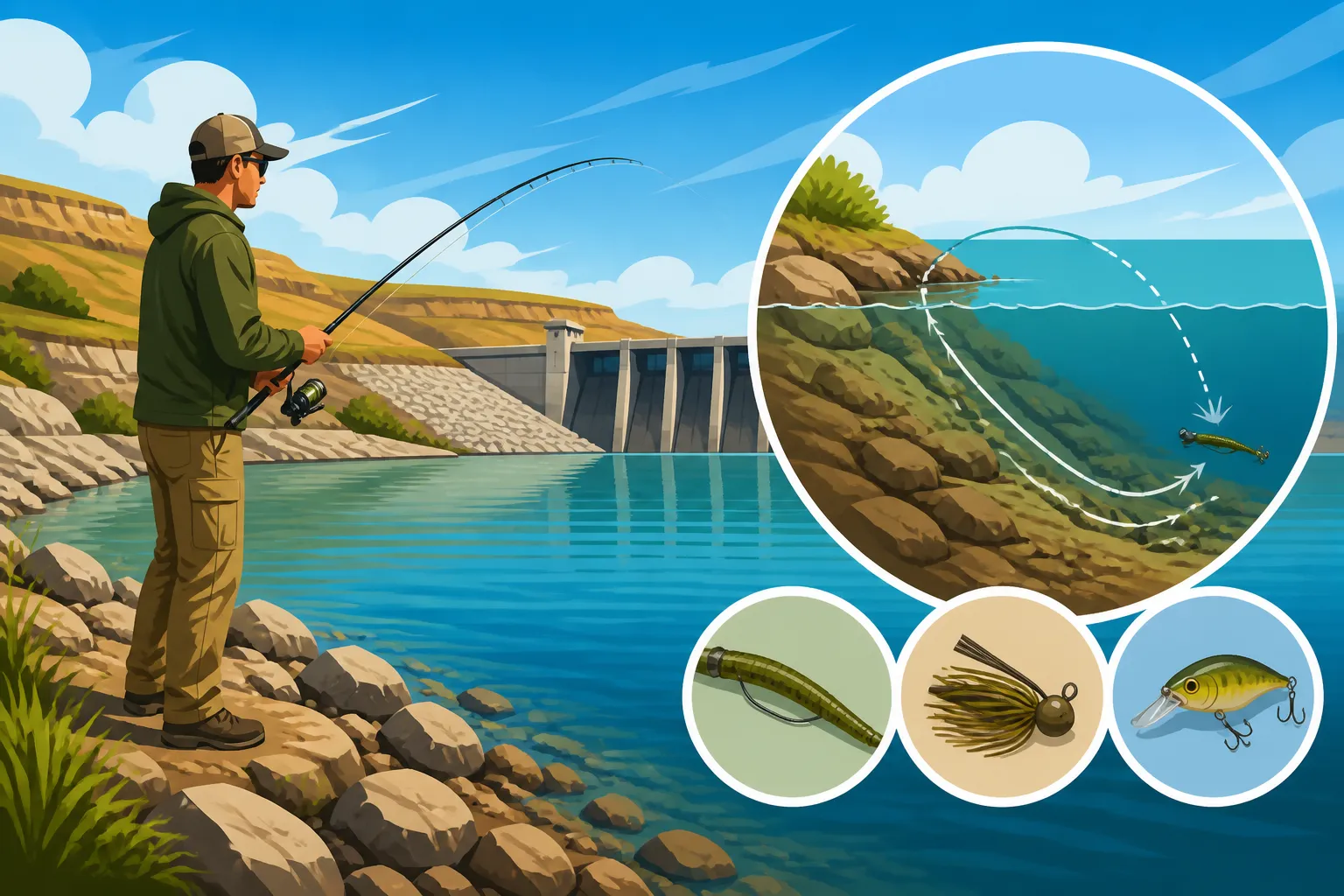
For walleye and smallmouth bass, vary your retrieve speed. Sometimes a slow, steady retrieve is best, while other times a stop-and-go retrieve with pauses will trigger strikes. When using jigs, let them sink to the bottom, then lift your rod tip to hop them along, mimicking a foraging baitfish or crawfish. With crankbaits, a consistent retrieve with occasional twitches can be deadly. Pay attention to how the lure feels in the water; you want to feel every bump, every rock, and every subtle tap that might indicate a fish. Don't be afraid to experiment with different speeds and actions until you find what the fish are responding to that day.
Live Bait Rigs for Stationary Fishing
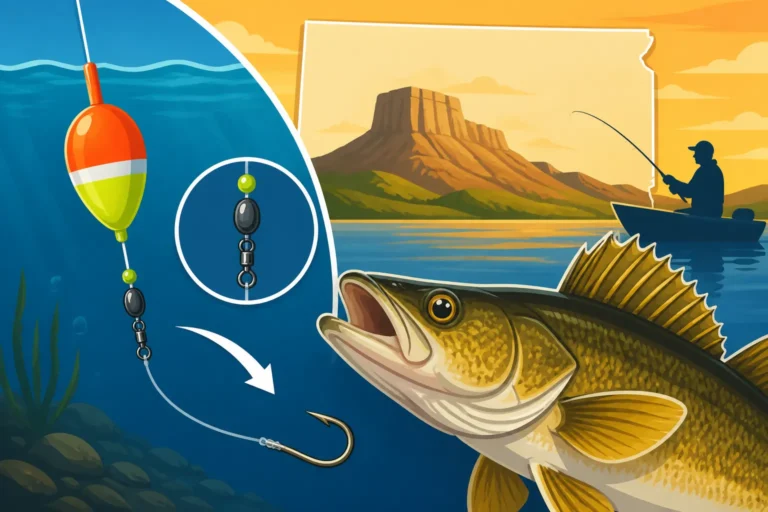
Live bait is often unbeatable for bank fishing, especially when fish are less active or when targeting species like catfish, walleye, or panfish. One of the most effective setups for shore anglers is a slip bobber rig. This rig allows you to easily cast your bait out and then let the bobber "slip" down the line to a pre-set stopper, suspending your bait at a precise depth, which is fantastic for Reading Water Temperature for Walleye at different depths. You can easily adjust the depth to target fish that might be suspended or holding near specific structure. It’s perfect for presenting a minnow, leech, or nightcrawler.
Another popular choice, particularly for catfish or bottom-dwelling walleye, is a simple bottom rig. This typically involves a weight (like an egg sinker or a Carolina-style sinker) that slides above a swivel, with a leader (12-24 inches) tied to a hook at the end. The sliding weight allows the fish to pick up the bait without feeling immediate resistance, which can lead to more solid hooksets. For a more subtle approach, especially for smallmouth bass around rocky banks, a drop-shot rig can be deadly. The weight is tied to the very end of your line, and the hook is tied directly to the main line a foot or two above it, allowing your soft plastic bait to hover enticingly off the bottom. These stationary methods are excellent when you've found a productive spot and want to let the bait do the work. Remember to check Catfish Limits and Size Rules if you're targeting those whiskered giants.
Utilizing Artificials for Active Fish
Artificial lures shine when fish are active and you need to cover a lot of water quickly. For aggressive species like smallmouth bass or northern pike, throwing crankbaits or spinnerbaits along rocky shorelines or over submerged vegetation can trigger exciting strikes. These lures are designed to imitate baitfish and attract attention with their erratic movements and vibrations. When fishing for South Dakota Walleye Fishing Guide, a slow-rolling spinnerbait can be surprisingly effective in stained water, mimicking a slow-moving forage fish.
Jigs, especially when paired with soft plastics, are incredibly versatile. You can swim them, hop them, or drag them along the bottom, making them suitable for walleye, smallmouth bass, and even crappie. Experiment with different colors and sizes based on water clarity and the forage base. If the water is clear, opt for more natural colors. In murky conditions, brighter colors or those with UV properties can stand out. Don't overlook spoons, especially for targeting schooling fish or for vertical jigging from a dock or steep bank into deeper water. The flash and flutter of a spoon can be irresistible. A good resource for understanding which lures work best is Best Lures for South Dakota Walleye.
Locating Productive Bank Fishing Spots
Finding the best bank fishing spots on a large reservoir requires a bit of detective work. You’re looking for features that concentrate fish, making them more accessible from shore.
Identifying Key Structure and Cover from Shore
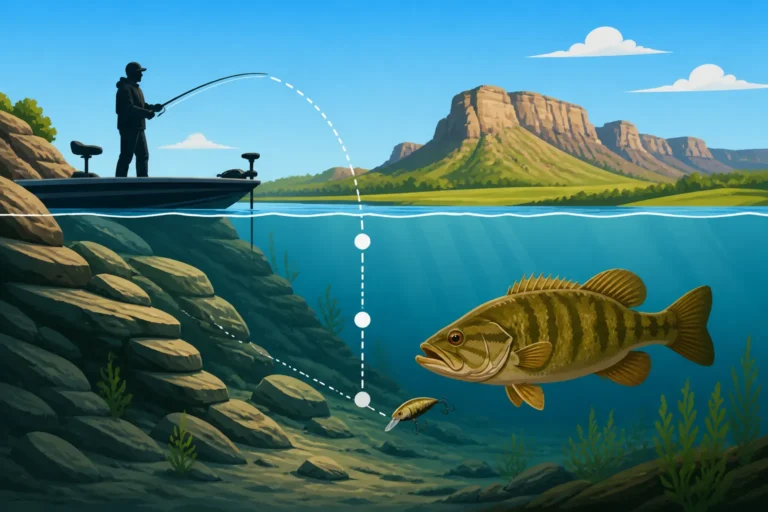
When scouting for bank fishing spots, focus on areas that offer structural changes or cover. Points that extend into the water are classic fish magnets because they act as underwater current breaks and ambush points. Fish will often hold on either side of the point, depending on wind and current direction. Coves, especially those with deeper water nearby, offer protection from wind and sun, and can hold schools of baitfish, attracting predators. Look for rip-rap (rocky shorelines, often found near bridges or causeways) as these rocks collect heat, grow algae, and provide habitat for crawfish and baitfish, making them excellent for smallmouth bass and walleye.
Fallen trees, brush piles, or old submerged timber along the bank provide excellent cover for many species. These areas offer shade, protection from predators, and a place to ambush prey. If you can spot these from shore, they're definitely worth casting to. Similarly, areas with visible weed lines, especially coontail or milfoil, can hold an abundance of panfish and northern pike. Don't overlook man-made structures either, like bridge pilings, old submerged roadbeds, or even culverts where streams flow into the reservoir. Each of these features breaks up the monotonous bottom and provides fish with reasons to congregate. Many public boat launches or recreation areas on the Missouri River reservoirs, like those on Lake Sharpe Fishing Guide or Lake Francis Case Fishing Guide, offer fantastic bank access with varied structure.
Accessing Public Lands and State Parks
South Dakota is blessed with a wealth of public lands and state parks that offer excellent bank fishing opportunities on its vast reservoirs. The Missouri River reservoirs – Lake Oahe, Lake Sharpe, Lake Francis Case, and Lewis and Clark Lake – all have numerous recreation areas, campgrounds, and designated public access points that are perfect for shore anglers. For instance, Farm Island Recreation Area near Pierre on Lake Sharpe provides diverse shoreline access, including points and protected coves. Along Lake Francis Case, the Fort Randall Dam tailwaters offer incredible fishing opportunities from shore, especially for walleye and sauger, with easy public access.
Many state parks, like Oahe Downstream Recreation Area or Lewis and Clark Recreation Area, not only provide ample shoreline but also amenities like restrooms and picnic areas, making them ideal for family fishing trips. You can often find designated fishing piers or accessible shorelines specifically designed for anglers. Always double-check park rules regarding fishing and access. Beyond the major reservoirs, many smaller lakes and even South Dakota State Park Fishing Ponds throughout the state offer great bank fishing, often stocked with panfish, trout, or bass, making them perfect for beginners or a relaxed day of fishing. It’s always important to respect private property boundaries and stick to clearly marked public access points.
Advanced Tips and Tricks for Bank Fishing Success
Even seasoned bank anglers can learn new ways to improve their catch rate. These advanced tips go beyond the basics, helping you refine your approach and maximize your time on the water.
Using Technology for Shore Anglers
While you might not have a full boat console, modern technology has made incredible advancements for bank anglers. Portable fish finders, often castable devices like the Deeper or Garmin Striker Cast, are game-changers. These small units sync with your smartphone or tablet, providing real-time depth, temperature, and even fish arches directly to your screen. You can cast them out, reel them back slowly, and essentially create a "sonar map" of the area you're fishing. This takes the guesswork out of finding drop-offs, submerged structure, and schools of baitfish that are otherwise invisible from shore. Many anglers find these indispensable for getting a clearer picture of what's beneath the surface, greatly improving their chances of finding productive water. You can find these innovative devices readily available on Amazon.
Beyond castable sonar, utilize mapping apps on your phone or tablet. Apps like Navionics or C-MAP Genesis provide detailed contour maps of many South Dakota reservoirs, showing underwater features, old creek channels, and depth changes that can be crucial for locating fish. Even if you can't cast to the deepest parts, these maps help you understand the underwater topography and identify areas where fish might transition closer to shore. Knowing that a steep drop-off is just 50 yards out can inform your lure choice and presentation.
Weather and Time of Day Considerations
Weather and time of day play a monumental role in fishing success, and bank anglers need to be particularly attuned to them. Generally, dawn and dusk are prime times for most reservoir species. Low light conditions often bring fish into shallower water to feed, making them more accessible from shore. Early mornings, before the sun gets high and boat traffic picks up, are often incredibly productive. Evening bites can last well into the dark, especially for walleye and catfish. Many anglers prefer to target South Dakota Spring Walleye Fishing Techniques during these low-light periods.
Overcast days are often better than bright, sunny days for fishing from the bank, as the cloud cover reduces light penetration, making fish feel more comfortable in shallower water. Wind can be a double-edged sword: a light chop can break up the surface, making your presence less obvious, and pushing baitfish towards shore, which in turn attracts predators. However, strong winds can make casting difficult and create uncomfortable conditions. Always pay attention to changing weather patterns. Fish often become more active just before a cold front moves in, experiencing a "feeding frenzy," and then shut down shortly after it passes. Monitoring these shifts will greatly enhance your success.
The Importance of Stealth and Presentation
From the bank, you're often more exposed than in a boat, making stealth even more critical. Fish, especially those in shallower water, can be spooked by sudden movements, loud noises, or even your shadow cast over the water. Approach your fishing spots quietly, keep a low profile, and avoid stomping around. Wearing natural or camouflage colors can also help you blend in with the surroundings. Think of yourself as a predator hunting prey; you wouldn't announce your presence.
Beyond personal stealth, focus on your bait presentation. Use lighter lines and smaller terminal tackle (swivels, snaps) when possible, especially in clear water where fish can be line-shy. Ensure your knots are strong and your bait is presented naturally. If using live bait, make sure it's lively and swimming freely. For artificials, vary your retrieve and make sure your lure is running true. Sometimes, the most subtle change in retrieve speed or a slight modification to your rig can be the difference between getting a bite and going home empty-handed. Remember that even small details, like using a fluorocarbon leader for your South Dakota Smallmouth Bass Fishing Guide efforts, can make a significant impact.
| Bait/Lure Type | Best For Species | Ideal Conditions | Presentation Tips |
|---|---|---|---|
| Nightcrawlers | Walleye, Catfish, Perch, Crappie | All-around, especially when fish are less active | Slip bobber, bottom rig, simple hook and sinker |
| Minnows | Walleye, Smallmouth Bass, Crappie, Northern Pike | Spring, Fall, clear to stained water | Slip bobber, jig and minnow combo, slow retrieve |
| Soft Plastic Jigs | Walleye, Smallmouth Bass, Crappie, Perch | All seasons, versatile | Hop, drag, swim along bottom; vary retrieve speed |
| Crankbaits | Walleye, Smallmouth Bass, Northern Pike | Actively feeding fish, covering water | Steady retrieve, stop-and-go, twitch; match forage size/color |
| Spinnerbaits | Smallmouth Bass, Northern Pike, Walleye | Over sparse weeds, stained water | Steady retrieve, slow roll, bump off cover |
| Inline Spinners | Trout, Perch, Crappie | Clear water, smaller streams/ponds | Steady retrieve, cast & retrieve near structure |
Disclaimer
Fishing regulations and conditions can change rapidly. Always consult the latest South Dakota Game, Fish and Parks regulations before heading out. This guide is for informational purposes only and does not constitute professional advice.