South Dakota State Fish
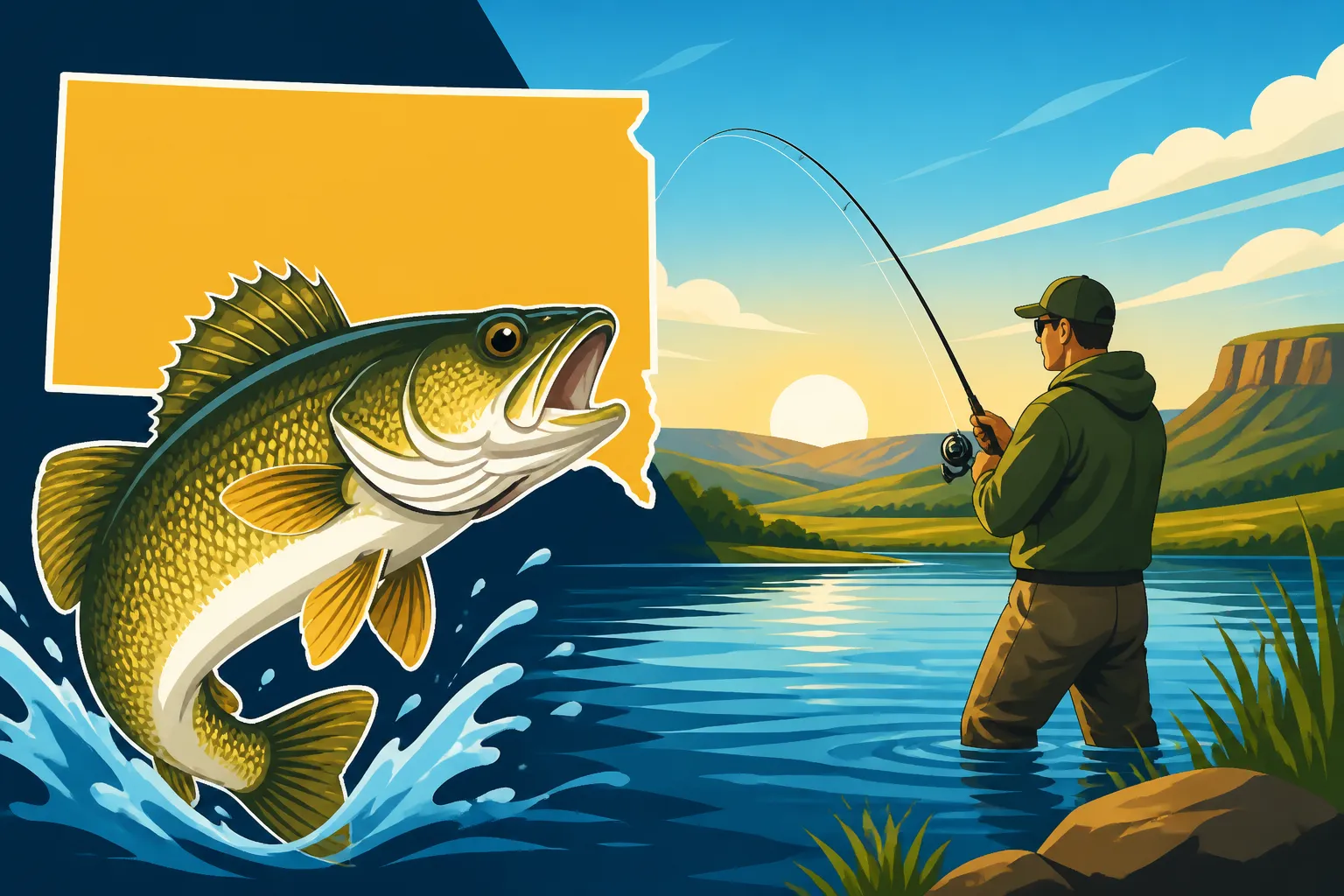
It's funny how many of us spend countless hours out on the water, reeling in fish after fish, yet sometimes we don't even know which species holds the highest honor in our state! If you've ever found yourself wondering, "What exactly is the official South Dakota State Fish?" or felt a little fuzzy on why it earned such a prestigious title, you're certainly not alone. This comprehensive guide is designed to clear up all that confusion, diving deep into the history, biology, and angling allure of the magnificent fish that truly symbolizes our incredible South Dakota fishing heritage: the Walleye.
Unveiling South Dakota's Official State Fish: The Walleye
For anyone who's cast a line into the waters of South Dakota, the Walleye needs little introduction. It’s more than just a popular sport fish; it's a cornerstone of our state's identity, a source of immense pride, and a driving force behind countless outdoor adventures. Its designation as the official state fish wasn't a random choice; it was a testament to its profound impact on both our natural environment and our vibrant fishing culture.
Why the Walleye Earned its Crown
The Walleye holds a special place in the hearts of South Dakotans, and its reign as the official state fish, formally declared in 1982, perfectly encapsulates this sentiment. When you talk to folks around here, from the seasoned old-timers who’ve spent a lifetime on Lake Oahe to the excited young anglers just discovering the thrill of the bite, the Walleye almost always comes up in conversation. It represents the abundance and quality of our waters, drawing thousands of visitors and boosting local economies year after year. This fish isn't just popular; it's arguably the most sought-after game fish in the entire state.
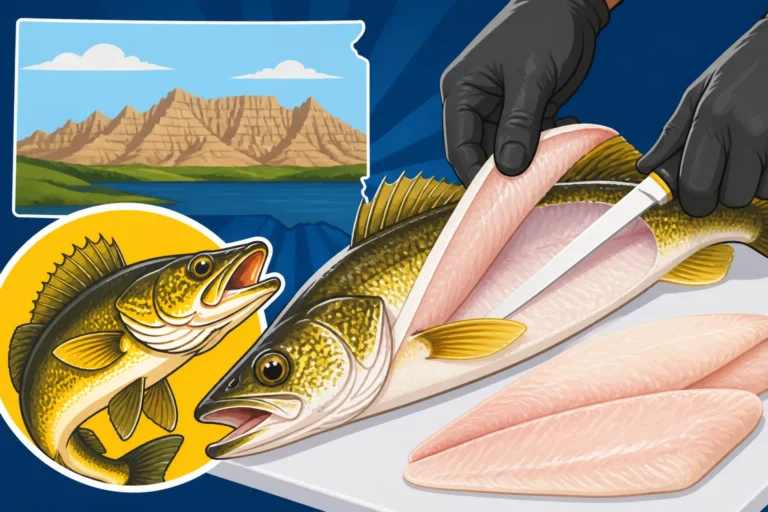
It's not just about the thrilling sport, either. The Walleye is equally prized for its delicate, flaky white meat, making it a favorite on dinner tables across South Dakota. It’s what many people come here specifically to catch and bring home for a truly memorable meal. Think of all the fish fries, family gatherings, and community potlucks where fresh Walleye is the star – it’s a deeply ingrained part of our culinary traditions. This irresistible combination of an exciting challenge and fantastic table fare cemented its status as a statewide icon.
Beyond its recreational and gastronomic appeal, the Walleye's prevalence and ecological significance in South Dakota's waters are undeniable. Its robust populations in our major reservoirs and glacial lakes signify healthy aquatic ecosystems. Its official designation was a formal recognition that solidified what many anglers already knew in their hearts: the Walleye is simply iconic here, a true symbol of our outdoor spirit and natural bounty.
Key Characteristics and Identification
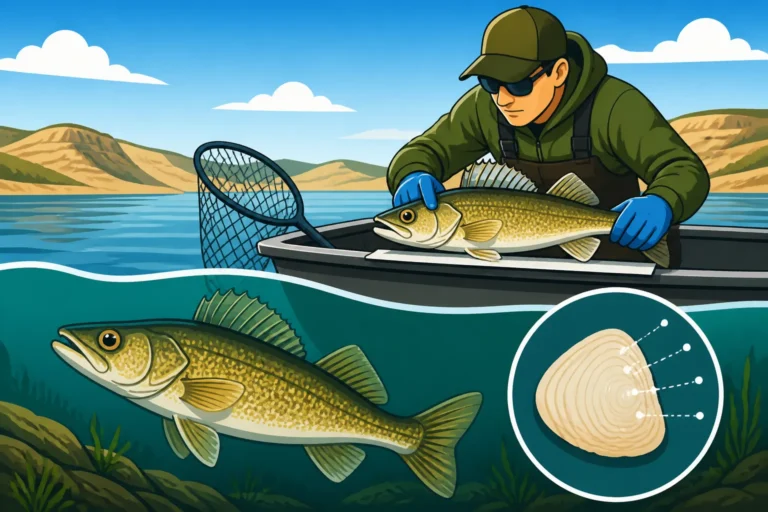
Identifying a Walleye isn't too tricky once you know what to look for, but they sometimes get confused with their close cousins, the Sauger, or even a Saugeye (a hybrid of the two). Walleye typically feature a long, slender body with a beautiful golden-olive coloration, often adorned with distinct dark bars or subtle mottling on their sides. However, their most defining characteristic, and the very reason for their name, are those large, reflective, pearlescent eyes. These eyes are specially adapted for low-light conditions, giving Walleye a distinct advantage during dawn, dusk, cloudy days, or in deeper, murkier waters – a big clue to their preferred hunting habits.
Another key identifier is the sharp dorsal fin. The spiny dorsal fin of a Walleye has several hard rays, and you’ll typically notice a distinct dark spot on the rear-most portion of this fin. This spot is a good quick way to differentiate them from a sauger, which usually has rows of spots across its dorsal fin. Walleye also possess a formidable set of sharp, canine-like teeth in their mouths, which they use efficiently to grasp and hold their prey. They are highly effective predators, primarily feeding on smaller fish like perch, shiners, and shad.
When you're out on the water and land one, pay close attention to the details for positive identification. The prominent white tip on the lower lobe of the tail fin is another reliable characteristic almost unique to the Walleye among its close relatives. Size can vary widely depending on the specific body of water and the availability of food, but a mature Walleye in South Dakota can comfortably range from 15 to 25 inches. Many anglers also chase those truly trophy-sized fish that exceed these dimensions, representing years of growth. Learning about South Dakota Walleye Growth Rates on Lake Oahe can give you an appreciation for how these fish develop.
Walleye Habitat in South Dakota
South Dakota is truly a Walleye paradise, a reputation earned through the vast and diverse aquatic habitats we proudly offer. These magnificent fish thrive in large, turbid lakes and expansive reservoirs, finding ideal conditions in the slower, deeper stretches of our majestic rivers. The sprawling Missouri River reservoirs, including the iconic Lake Oahe, the consistently productive Lake Sharpe, the vast Lake Francis Case, and the inviting Lewis and Clark Lake, are prime examples of perfect Walleye country. These massive bodies of water provide not only ample forage but also diverse structures and the cooler, oxygen-rich depths that Walleye prefer, allowing them to flourish.
Beyond the monumental Missouri River system, our glacial lakes in eastern South Dakota are also absolutely teeming with Walleye, offering fantastic fishing opportunities. Lakes such as the popular Lake Kampeska, the productive Lake Poinsett, and the often-overlooked Bitter Lake are local favorites that consistently deliver excellent catches. These lakes typically feature a rich mix of rocky points, submerged humps, distinct weed lines, and inviting sandy flats, all of which are highly attractive to Walleye at different times of the year. Understanding What Walleye Eat in Summer can significantly help you pinpoint their likely hangouts and feeding patterns.
While Walleye are adaptable, they do have distinct preferences when it comes to where they spend their time. They predominantly stick to areas that offer good structure – think submerged trees, complex rock piles, sudden ledges, and sharp breaks in depth. These features serve as crucial ambush points for hunting unsuspecting prey and offer essential protection from stronger currents or bright sunlight. They also generally prefer cooler water temperatures, which is why they often move to deeper sections during the scorching heat of summer or become noticeably more active in the low-light conditions of dawn and dusk. Knowing What Water Temperature Walleye Prefer? is a critical piece of the puzzle for consistent angling success, helping you target their comfort zones throughout the seasons.
Where to Find and How to Catch South Dakota Walleye
So, you're ready to hit the water and try your hand at catching the state fish? Fantastic! South Dakota offers some of the finest Walleye fishing anywhere, but knowing where to go and what techniques to employ will greatly increase your chances of success. It's not just about luck; it's about understanding the fish and its environment.
Top Walleye Fisheries Across the State
If you're looking for the absolute best Walleye action, you simply have to experience the Missouri River reservoirs. Lake Oahe, stretching for hundreds of miles, is renowned for its trophy potential and incredible numbers of Walleye. Anglers flock to areas near Mobridge or around Pierre for incredible fishing, especially in spring and fall. For detailed insights, check out Lake Oahe Walleye Hotspots Near Mobridge. This immense body of water offers diverse fishing experiences, from vast open waters to intricate points and bays.
Lake Sharpe, situated immediately downstream from Oahe, is another phenomenal fishery, particularly celebrated for its consistent catches and good-sized fish, especially in areas near the Big Bend Dam and its tailwaters. Lake Francis Case and Lewis and Clark Lake further downriver also offer superb Walleye fishing, often presenting slightly different patterns and structures that keep anglers on their toes. These massive reservoirs provide endless opportunities for both boat and dedicated shore anglers, though having a boat certainly expands your access to prime fishing grounds. Keeping an eye on the Lake Francis Case Walleye Fishing Report can give you valuable insights into current conditions and successful patterns.
And don't overlook the eastern glacial lakes! While they might not be as enormous as the Missouri River reservoirs, they consistently produce excellent Walleye fishing. Lakes such as Lake Kampeska near Watertown, Lake Poinsett, and Bitter Lake are cherished local favorites that absolutely deserve your attention. These lakes often provide a distinct fishing experience, characterized by diverse weed beds and shallower, structure-rich environments that can be incredibly productive, particularly during the active spring and fall bite. Many anglers find these lakes less intimidating and just as rewarding.
Essential Gear for Walleye Anglers
To successfully target Walleye, having the right gear in your arsenal is absolutely paramount. A good medium-light to medium-action spinning or baitcasting rod, paired with a reliable reel spooled with 8-10 lb test monofilament or braided line, serves as an excellent foundation. Many experienced anglers often lean towards braided line for its superior sensitivity and strength, frequently adding a fluorocarbon leader to the end for enhanced stealth and abrasion resistance in clear water. You can find a fantastic selection of high-quality rods, reels, and specialized fishing lines on Amazon, perfect for outfitting yourself for your next Walleye adventure.
When it comes to lures and bait, this is where things truly get exciting and where variety often pays off. Walleye are active predators, making live bait such as lively minnows, juicy nightcrawlers, and wriggling leeches classic choices that consistently produce bites. For those who prefer artificials, jigs tipped with soft plastics or a piece of live bait, an array of crankbaits (both shallow and deep diving), and versatile spinner rigs (like a classic Lindy Rig or a simple bottom bouncer with a spinner) are indispensable items in any Walleye angler's tackle box. Having a diverse selection of colors, sizes, and diving depths is crucial, as Walleye preferences can often change daily, sometimes even hourly. Make sure to check out some popular and highly-rated crankbait and jig options on Amazon before your next trip to ensure you're fully stocked.
Beyond your primary rod and reel setup, consider investing in a quality fish finder, especially if you're planning to fish from a boat. A good fish finder can be a game-changer, helping you locate subtle underwater structure, identify schools of baitfish, and even spot individual Walleye lurking below the surface. Comfortable, properly fitted life jackets, a sturdy landing net, and a reliable cooler for keeping your prized catch fresh are also absolute must-haves for ensuring a safe, enjoyable, and successful day on the water. Don't forget your South Dakota Fishing License Guide and always keep it current.
Effective Techniques for Landing Walleye
Walleye fishing often demands a flexible approach, employing a blend of different techniques that are adapted to the specific season, water body, and the current behavior of the fish. Trolling with crankbaits or various spinner rigs is an incredibly effective strategy on the large South Dakota reservoirs, allowing you to efficiently cover vast amounts of water while presenting your lure at precise depths where Walleye are known to feed. Experimenting with your Best Trolling Speed for Walleye and adjusting your lure's depth can often make all the difference between a slow day and a banner day. Always pay close attention to the contour lines on your lake map and systematically troll along breaklines, submerged humps, or the edges of main river channels.
Jigging stands as another powerhouse technique, particularly effective in flowing rivers or when you're targeting specific, localized structure. Vertical jigging with a jig tipped with a live minnow or a soft plastic imitation often works wonders, especially when fishing current seams below dams or over rock piles. For anglers venturing onto the Missouri River, mastering Jigging Techniques for Missouri River Walleye is an essential skill to develop for consistent success. Additionally, a simple cast-and-retrieve jigging method can be highly productive near rocky points, prominent weed edges, or around submerged timber.
Live bait rigging, which commonly involves using a slip bobber setup or a bottom bouncer coupled with a lively minnow or a nightcrawler, is a tried-and-true method that appeals immensely to even the most finicky Walleye. This technique allows for an incredibly natural presentation, letting the bait drift enticingly or be slowly dragged along the bottom, mimicking natural forage. Never underestimate the effectiveness of simply anchoring your boat on a promising spot and soaking some fresh live bait. Remember, Walleye generally prefer low-light conditions, so hitting the water during early mornings, late evenings, or even engaging in some dedicated night fishing can be incredibly productive, especially during the warmer summer months. For those curious about targeting them after dark, How to Catch Walleye at Night in Summer can offer valuable insights and strategies.
The Walleye's Impact on South Dakota's Culture and Economy
The Walleye's significance in South Dakota extends far beyond the thrill of the catch or the delicious taste on the dinner plate. It’s deeply woven into the cultural fabric of our communities and serves as a powerful engine for our state’s economy, especially in rural areas. It’s a resource that we cherish and work hard to protect.
Walleye Fishing Tournaments and Community Events
Walleye fishing isn't just a solitary pursuit here in South Dakota; for many, it's a vibrant social phenomenon that brings people together. Throughout the year, numerous Walleye fishing tournaments draw anglers from all corners of the country to our renowned waters. Prestigious events like the South Dakota Walleye Classic or various local club tournaments create an exciting buzz, transforming quiet towns into bustling hubs of activity and fostering a wonderful sense of friendly competition. These aren't just about the glory of winning; they are deeply rooted in camaraderie, the sharing of tall tales, and the collective celebration of a shared passion for angling.
Beyond the structured world of formal tournaments, the act of fishing for Walleye is profoundly woven into the fabric of family traditions and cherished community gatherings. Think about the annual trips to one of our beautiful glacial lakes or the mighty Missouri River, the unforgettable shore lunches where freshly caught Walleye is expertly fried, or the sheer, unadulterated joy of teaching a grandchild how to jig for their very first Walleye. These simple yet profound experiences create lasting memories and significantly strengthen community bonds across generations. The Walleye truly acts as a catalyst, bringing people together in a way few other activities can.
Many towns throughout the state, particularly those strategically located along the Missouri River like Pierre, Mobridge, or Chamberlain, proudly embrace their identity as premier Walleye fishing destinations. Local businesses in these areas thrive on the consistent influx of anglers, and the informal "Walleye Capital" bragging rights are often fiercely debated and proudly displayed. It's truly more than just a fish; it's a cornerstone of regional identity, a point of pride that resonates deeply with residents and visitors alike.
Economic Benefits of Walleye Tourism
The Walleye is undeniably a significant economic engine for South Dakota, creating a powerful ripple effect throughout our state. When anglers travel here specifically to fish for Walleye, they contribute substantially to our economy through various expenditures. They purchase their South Dakota Fishing License Costs, stock up on essential bait and tackle, fill their boats and vehicles with fuel, book comfortable lodging, enjoy meals at local restaurants, and often utilize professional guide services. This consistent influx of tourism dollars provides vital support to countless small businesses, from mom-and-pop bait shops to cozy motels and bustling diners, especially in our cherished rural communities. The sheer volume of people drawn to our state specifically for Walleye fishing is nothing short of astounding.
Consider the expansive ripple effect of this tourism: a group of dedicated anglers staying in a town for a week might buy groceries, get their boat serviced at a local shop, purchase unique souvenirs, and ultimately contribute to the local sales tax base. This robust economic activity directly translates into sustained jobs and helps foster a higher quality of life for residents across South Dakota. The state's ongoing investment in crucial initiatives like fish stocking programs and vital habitat improvement efforts directly underpins and supports this incredibly vital industry, ensuring its longevity and continued prosperity.
Moreover, the economic benefits extend beyond just direct spending. South Dakota's well-earned reputation as a premier Walleye destination actively attracts new residents, encourages the establishment of new businesses, and stimulates further recreational development across the state. It is a key, undeniable component of our state's overall appeal and plays a crucial, irreplaceable role in maintaining the health and vibrancy of our outdoor recreational economy, which is so central to who we are as a state.
Conservation Efforts for Sustaining Walleye Populations
With such an incredibly valuable resource, robust and proactive conservation efforts are absolutely critical to ensure its long-term health and availability. The South Dakota Department of Game, Fish and Parks (GFP) works tirelessly through scientific research and dedicated management programs to sustain healthy and thriving Walleye populations across our state. This comprehensive approach includes extensive stocking programs, particularly in specific lakes and reservoirs, which are designed to supplement natural reproduction and guarantee strong numbers of fish for future generations of anglers. These vital stocking reports are often made readily available to the public; South Dakota Fish Stocking Report Basics can be a good starting point to learn more about where and when these efforts occur.
Carefully considered regulations, including daily bag limits, minimum and maximum size restrictions, and specific season dates, are meticulously implemented and regularly reviewed. These rules are based on robust scientific data derived from ongoing population surveys and ecological assessments. For instance, South Dakota Walleye Limits are strategically put in place to prevent overfishing and allow fish ample opportunity to reach full maturity and reproduce. Anglers are strongly encouraged to thoroughly understand and diligently follow these regulations, as they are truly essential for the long-term sustainability and vitality of our Walleye fisheries. For a comprehensive overview, the South Dakota Fishing Regulations Explained guide is an invaluable resource.
Habitat protection and enhancement efforts also represent key focuses in our conservation strategy. Initiatives aimed at improving overall water quality, diligently preventing the spread of detrimental aquatic invasive species, and restoring critical spawning grounds directly benefit Walleye and, by extension, the entire delicate aquatic ecosystem. Anglers themselves can play an incredibly vital role by practicing responsible catch-and-release, especially for larger, more productive breeding females, and by being meticulously diligent about cleaning their boats, trailers, and fishing gear after every outing to prevent the inadvertent spread of unwanted organisms. Many useful tools for thorough cleaning and maintaining your gear can be found conveniently on Amazon.
Common Misconceptions About South Dakota's State Fish
Even with its prominence, there are still a few lingering myths and misunderstandings about the Walleye that can sometimes trip up even experienced anglers. Clearing these up can lead to more successful outings and a deeper appreciation for this incredible fish.
Walleye vs. Other Popular Game Fish
While the Walleye proudly holds the title of state fish, South Dakota is truly blessed with an incredible diversity of other popular game fish that sometimes get mistakenly elevated to the same singular status. Smallmouth Bass, for instance, offer a famously aggressive fight, especially in the rocky, current-swept areas of the Missouri River reservoirs like Lake Francis Case. Many anglers absolutely love the explosive strikes and acrobatic jumps of smallmouth, but their preferred habitat and most effective lures are distinctly different from those favored by Walleye. If you're keen on these feisty fighters, a South Dakota Smallmouth Bass Fishing Guide details more about how to target them.
Northern Pike are another top predator found abundantly in many of our glacial lakes, known for their aggressive nature, powerful runs, and toothy grins. They typically inhabit weedier, shallower areas than Walleye, and successfully catching them often requires different tactics and heavier tackle to handle their strength. Then there are the various panfish, such as crappie and perch, which are beloved for their sheer abundance, the consistent action they provide, and their delicious taste, often making them perfect targets for families and beginner anglers. While these species are highly valued and provide immense recreational opportunities, they don't quite hold the same singular, iconic status as the Walleye.
Understanding the subtle yet important differences in behavior, preferred habitat, and specific regulations for each fish species is absolutely crucial for planning a successful and, importantly, a legal fishing trip. For example, while you might effectively target Walleye on a deep breakline, Northern Pike might be lurking in dense, nearby weed beds, requiring a completely different approach. Similarly, South Dakota Northern Pike Limits and Crappie and Panfish Possession Limits are carefully set and are distinct from Walleye regulations for very good, biologically sound reasons, reflecting the unique characteristics and population dynamics of each species.
Dispelling Myths About Walleye Behavior
One of the most common myths circulating among anglers is the belief that Walleye only bite effectively at night. While it's true that they are quintessential low-light predators and often exhibit their peak activity during dawn, dusk, and throughout the nighttime hours, they absolutely can be caught consistently throughout the entire day. This is especially true on heavily overcast days, when fishing in deeper water where light penetration is limited, or when targeting them during the cooler seasons. Therefore, don't let a bright midday sun completely deter you from trying, but rather, adjust your tactics and seek out areas where they might be less exposed. For specific strategies on daytime fishing, Best Time of Day to Catch Walleye in Summer can offer valuable tips.
Another prevalent misconception suggests that Walleye are exceptionally difficult to catch, reserved only for seasoned experts. While they can indeed be finicky and challenging at times, particularly when conditions are tough, they are certainly very catchable for anglers of all skill levels with the right approach and a bit of patience. The key often lies in patience and adapting your techniques to the current conditions, which is far more important than possessing any kind of secret "Walleye whisperer" ability. Success usually boils down to effectively presenting the right bait or lure at the correct depth and speed, matching what the fish are currently feeding on and where they are located.
Some individuals also mistakenly believe that all impressively large Walleye are inherently very old. While advanced age certainly contributes to a fish's size, growth rates can vary quite significantly depending on critical factors such as food availability, water quality, and environmental conditions in a particular body of water. For instance, a lake with an exceptionally abundant forage base might produce larger Walleye at a younger age compared to a lake with less food. So, while a trophy fish is almost always a mature specimen, its exact age might sometimes surprise you, being younger than you'd expect.
Understanding Walleye Regulations
Many anglers, particularly those who are new to fishing in South Dakota or are visiting from out of state, can find the detailed Walleye regulations a bit confusing. It’s not uncommon to hear legitimate questions about specific slot limits, daily harvest limits, or overall possession limits, especially given that these rules might vary subtly between different bodies of water, such as the specific and often unique rules enforced on Belle Fourche Reservoir. Your absolute best friend in navigating these rules is the comprehensive South Dakota Fishing Regulations Explained guide, which provides clarity on these important distinctions.
For example, a common misunderstanding often revolves around the crucial difference between a daily limit (which dictates how many fish you can legally keep in a single day of fishing) and a possession limit (which specifies the maximum number of fish you can legally have in your possession at any given time, including those kept from previous days or stored at home). It is always, always essential to consult the most current South Dakota GFP Fishing Handbook Guide before you embark on any fishing trip. Ignorance of the fishing laws is never considered an excuse for violations, and conservation officers are actively out on the waters, diligently ensuring that everyone adheres to these regulations to protect this invaluable natural resource for everyone.
Staying thoroughly informed about the latest regulations is not just about avoiding potential penalties; it's a fundamental aspect of being a responsible and ethical angler. By understanding and adhering to these rules, you actively contribute to the vital conservation efforts that ensure the long-term health and abundance of this incredible state fish for generations to come. Regulations can occasionally change, so make it a habit to always double-check the official sources annually before each fishing season begins to ensure you are fully compliant and ready to enjoy your time on the water.
| Feature | Walleye (South Dakota State Fish) | Smallmouth Bass (Popular Game Fish) |
|---|---|---|
| Typical Habitat | Large, turbid lakes; deep reservoirs; slow river stretches; rocky points, humps, breaks | Clear lakes and rivers; rocky shorelines, reefs, gravel bars, current areas |
| Preferred Depth | Deeper, cooler water; active in low light | Shallower, warmer water; structure-oriented |
| Diet | Minnows, perch, shad, insect larvae | Crayfish, minnows, insects, frogs |
| Body Shape | Long, slender, golden-olive with dark mottling | Stocky, bronze to green-brown, distinct vertical bars (sometimes faint) |
| Key ID Features | Large, pearlescent eyes; white tip on lower tail fin; dark spot on rear dorsal fin (usually) | Eye does not extend past rear of jaw; lateral line usually complete; vertical bars |
| Fighting Style | Strong runs, head shakes, often stay deep | Aerobatic jumps, powerful runs, hard fighters |
| Table Fare | Excellent, flaky white meat | Good, firm white meat |
Disclaimer
This article is for general informational purposes only and does not constitute professional advice. Laws, prices and regulations vary by location and change over time. Consult a qualified professional for guidance on your specific situation.