When Chinook Salmon Spawn on Lake Oahe
Ah, the majestic Chinook salmon of Lake Oahe! Many of us dream of landing one of these powerful fish, but trying to figure out the exact moment they begin their legendary spawning run can feel like an elusive quest. It's frustrating to plan a trip, only to find you've either missed the peak action or arrived too early. This guide is dedicated to pulling back the curtain on this incredible natural event, giving you all the details on when Chinook salmon typically make their spawning journey in South Dakota's Lake Oahe, what environmental cues trigger it, and how you can best prepare to experience it firsthand.
The Lifecycle of Lake Oahe Chinook Salmon
Understanding when Chinook salmon spawn requires a good grasp of their unique lifecycle, especially as it plays out in a landlocked reservoir like Lake Oahe. Unlike their Pacific Ocean cousins who migrate from saltwater to freshwater rivers, Lake Oahe's Chinook are part of an introduced, self-sustaining (mostly, with some assistance) population within the vast freshwater expanse of the Missouri River reservoirs. These fish are a truly special angling opportunity, far removed from their native Pacific coast.
Where Did They Come From?
The presence of Chinook salmon in Lake Oahe isn't a natural phenomenon; it's a testament to ambitious stocking programs initiated by the South Dakota Game, Fish and Parks (GFP) decades ago. The idea was to create a trophy fishery in the massive reservoir, which has abundant baitfish like smelt. These smelt, also an introduced species, provide the perfect high-fat diet for growing colossal salmon. Over the years, the GFP has continued to actively manage and stock these waters, ensuring a vibrant population for anglers. If you're curious about the specifics, you can delve into the history of the South Dakota Chinook Salmon Stocking History to see the dedication involved in maintaining this unique fishery.
Their Journey to Maturity
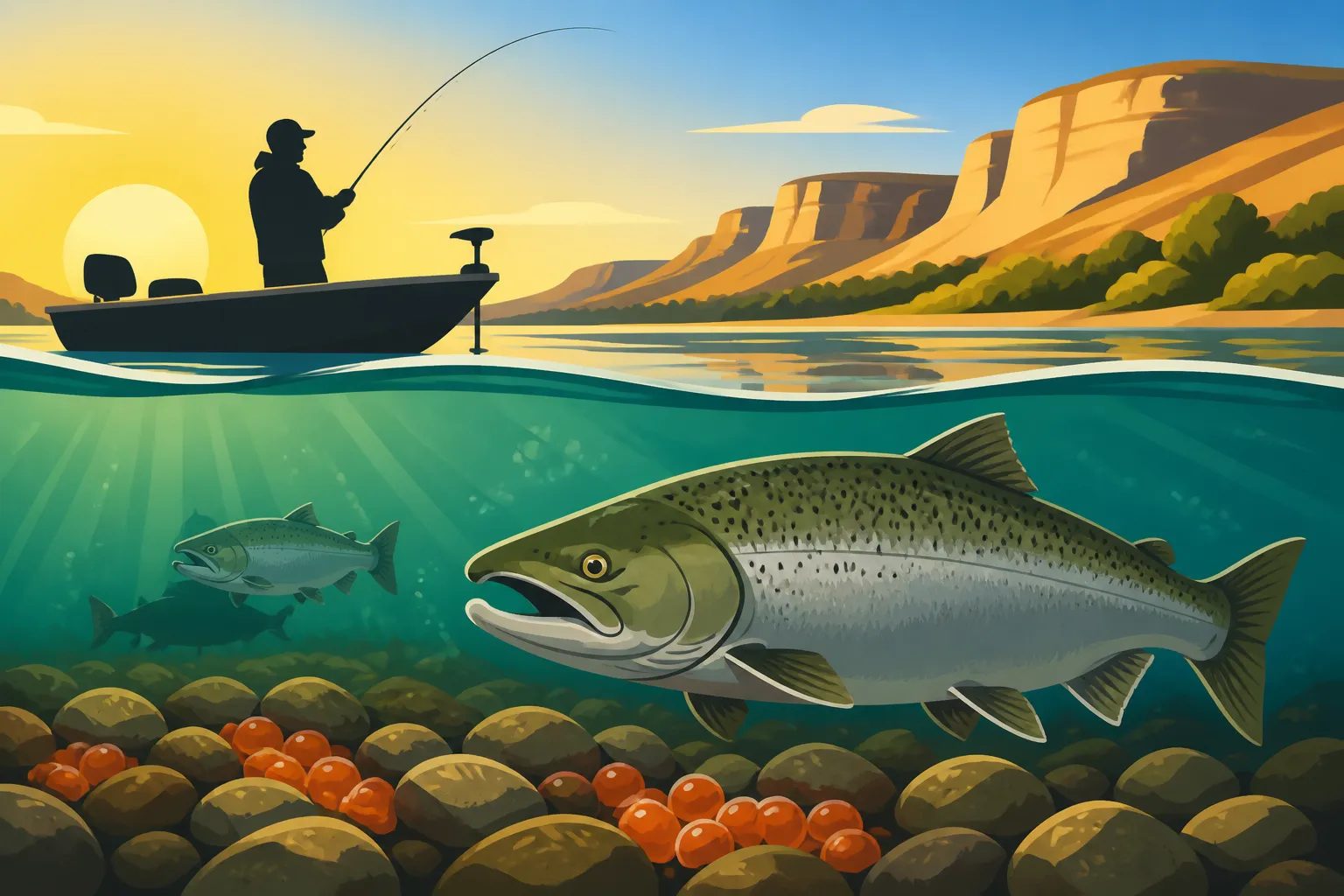
Most Lake Oahe Chinook salmon will spend about three to five years growing to maturity in the deep, cold waters of the main lake. During this time, they feed voraciously on the abundant rainbow smelt, packing on incredible size and strength. A mature Chinook can easily weigh over 20 pounds, with some exceptional specimens pushing well beyond that. They roam the open waters, often found in the deeper sections where the water remains cool, following their food source. This period of growth is crucial, preparing them for the arduous and final stage of their lives: the spawning run.
The Spawning Imperative
For Chinook salmon, spawning isn't just an event; it's the culmination of their entire life's purpose. Once they reach sexual maturity, an innate biological clock, combined with environmental cues, tells them it's time to return to their "home" waters – in Lake Oahe's case, primarily the areas where they were either stocked or where the hatchery is located, like Whitlock Bay near Gettysburg. This journey is a one-way trip, as these anadromous fish (even in freshwater-only populations) are programmed to die shortly after expelling their eggs and milt. It's a bittersweet reality for these magnificent fish and adds a layer of reverence to the fishing experience during this time.
Pinpointing the Peak Spawning Season on Lake Oahe
So, when does all this incredible action actually happen? For Lake Oahe Chinook salmon, the spawning run is primarily a late summer and fall event. It’s a highly anticipated time for many anglers, and knowing the typical windows can significantly improve your chances of success.
General Timing and Key Months
While there can always be slight variations year to year based on weather and water conditions, you can generally expect the Chinook salmon spawning run on Lake Oahe to kick into gear from late September through October, often extending into early November. This period represents the prime window when the fish are actively staging and moving into the shallow bay areas, driven by their powerful reproductive instincts. Many anglers eagerly await this period, watching water temperatures and local reports closely.
Whitlock Bay: The Epicenter of the Run
When we talk about Chinook salmon spawning on Lake Oahe, the absolute epicenter of activity is undoubtedly Whitlock Bay and the nearby Whitlock Bay Salmon Spawning Station, located just outside of Gettysburg, South Dakota. This area is critically important because it’s where the South Dakota Game, Fish and Parks manages the Chinook salmon population. The fish instinctively migrate towards this area, drawn by the currents and the scent of the waters, as well as the structures associated with the hatchery. It’s a fascinating place to observe the salmon, whether you're fishing or just watching the annual spectacle. For those looking to fish during this time, exploring Lake Oahe Chinook Salmon Fishing at Whitlock Bay offers even more specific insights into this hotspot.
First Signs: What Anglers Should Look For
Before the full-blown spawning run begins, there are often subtle signs that experienced anglers look for. You might start seeing an increase in salmon jumping or "porpoising" on the surface in the deeper waters leading into bays like Whitlock. These fish are staging, gathering, and beginning to acclimate to the shallower, warmer water they'll eventually enter. Their coloration might also start to change, becoming darker or developing the characteristic "kype" (hooked jaw) in males. Keep an eye on local fishing forums and reports, as word travels fast when the first few salmon start showing up in numbers.
Environmental Triggers for the Spawning Run
The precise timing of the Chinook salmon run isn't just a flip of a switch; it's a complex interplay of environmental factors that tell these fish it's time to begin their final journey. If you pay attention to these cues, you can often predict the peak of the action.
Water Temperature: The Critical Factor
Perhaps the most significant trigger for Chinook salmon spawning in Lake Oahe is water temperature. As the long days of summer give way to autumn, the vast waters of Lake Oahe gradually begin to cool. Chinook salmon prefer to spawn when water temperatures drop into the range of approximately 50 to 55 degrees Fahrenheit (10-13 degrees Celsius). As the main lake cools and these ideal temperatures arrive in the shallower staging areas, it sends an unmistakable signal to the mature salmon. A sudden cold snap can sometimes kickstart the run earlier, while a prolonged warm fall can delay it. Being aware of the Water Temperature That Triggers the Salmon Spawn can be incredibly helpful for planning your trip.
Photoperiod: The Shortening Days
Beyond temperature, the photoperiod – the length of daylight – plays an undeniable role in the salmon's biological clock. As the autumnal equinox passes and days visibly shorten, this reduction in sunlight is another powerful cue that autumn is here and the time for reproduction is nigh. While we can't directly observe salmon reacting to the length of the day, it's a fundamental environmental factor that, over millennia, has programmed these fish to initiate their spawning migrations during this specific time of year. It’s the consistent, annual signal that guides their internal rhythms.
Water Levels and Flow
While river-dwelling salmon are heavily influenced by increased water flow (often from rainfall) that helps them navigate upstream, Lake Oahe Chinook are less dependent on this specific factor. However, reservoir water levels can still play a role. Higher water levels can allow salmon access to more shallow areas and structure within bays that might otherwise be exposed. Extremely low water levels, conversely, could concentrate fish or make certain areas less accessible. Typically, the Missouri River reservoirs like Oahe are managed within a range, so dramatic swings aren't always a concern, but it’s worth noting that consistent, favorable conditions contribute to a smoother run.
The Innate Biological Clock
Ultimately, all these environmental signals converge to trigger the salmon's innate biological clock. These fish have evolved over countless generations with a genetic imperative to reproduce. Once they reach maturity and the external environment aligns with their internal programming, there's no stopping them. This powerful drive is what compels them to cease feeding, change their body chemistry, and embark on their final, most important mission. It's a truly amazing force of nature to witness and is why, despite variations, the run happens like clockwork every year.
Angling Opportunities and Ethics During the Spawning Run
For anglers, the Chinook salmon spawning run presents a thrilling, albeit challenging, opportunity. Catching these powerful fish as they prepare to spawn is an experience unlike any other, but it also comes with a responsibility to understand the unique conditions and ethical considerations.
Shore Fishing at Whitlock Bay
Without a doubt, one of the most accessible and popular ways to target spawning Chinook is by shore fishing at Whitlock Bay. As the salmon move into the shallower waters of the bay, they become concentrated, making them reachable from the bank. Anglers often line the shores, casting spoons, plugs, or even large jigs. Because these fish are focused on spawning, they might not be actively feeding in the traditional sense, but they can be provoked into striking out of aggression, territoriality, or instinct. Techniques described in How to Cast From Shore for Salmon are invaluable here, often involving heavy tackle to cast large lures long distances and to handle the powerful fight of a salmon.
Boat Fishing for Staging Salmon
For those with boats, the opportunity extends to deeper waters outside of Whitlock Bay, particularly where salmon are staging before committing to the full run. Trolling is a highly effective method during this phase, allowing you to cover vast amounts of water to find schools of fish. Downriggers are often employed to get lures down to the precise depth where salmon are holding, typically near the thermocline in cooler water. Large spoons, crankbaits, and even flashers with flies are popular choices. Learning about South Dakota Chinook Salmon Trolling Techniques can give you a significant advantage when targeting these elusive, pre-spawn fish.
Best Lures and Bait
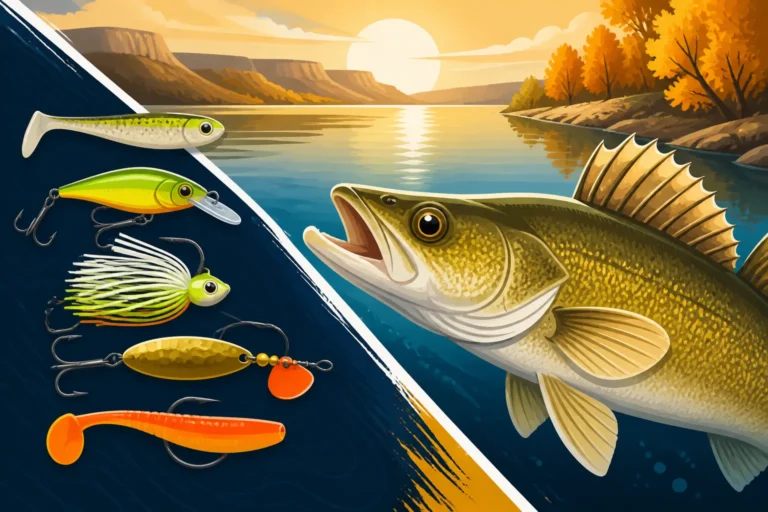
When salmon are on their spawning run, they are less interested in feeding on typical baitfish. Instead, lures that trigger an aggressive or territorial strike are often most effective. Popular choices include:
- Spoons: Vibrant colors like chartreuse, orange, fire tiger, or metallic silver/gold are often irresistible. Brands like Dardevle, Little Cleo, or the classic Eppinger Daredevil can be found on sites like Amazon.
- Crankbaits and Plugs: Large, diving crankbaits in bright, flashy colors or natural baitfish patterns can mimic an intruder in their spawning grounds. Jointed plugs and stickbaits can also draw strikes.
- Jigs: Heavy jigs with large plastic trailers can be worked vertically or cast and retrieved to entice a bite, especially when fish are concentrated in specific areas.
- Cut Bait: While artificials often dominate, some anglers have success drifting cured salmon roe (where legal) or even chunks of baitfish, though the effectiveness can vary greatly once the full spawning drive takes over.
If you're looking to stock up before your trip, a quick search on Amazon for "salmon spoons" or "trolling plugs" will give you plenty of options to consider. It's always a good idea to have a variety of colors and sizes on hand. For specific recommendations, check out a guide on Best Lures for Lake Oahe Salmon in October.
Regulations and Ethical Angling
Fishing for Chinook salmon during their spawning run requires strict adherence to regulations and a strong sense of ethical angling. South Dakota has specific rules governing salmon fishing, including daily limits and possession limits. It’s crucial to know the South Dakota Chinook Salmon Daily Limit before you hit the water. Additionally, remember these fish are at the end of their lives, focused entirely on reproduction. While they can provide an exhilarating fight, anglers should practice responsible catch and release if they are not keeping fish, ensuring minimal stress. Snagging, which involves intentionally hooking a fish anywhere other than the mouth, is illegal and highly unethical. Always consult the latest South Dakota Fishing Regulations Explained or the official GFP handbook before heading out.
The Post-Spawn Fate
It's a stark reality of the Chinook salmon lifecycle that after they spawn, they die. This is known as semelparity. Their bodies begin to deteriorate rapidly once their reproductive duties are complete. While it can be a somber sight to see expired salmon along the shorelines, it's a natural and essential part of their lifecycle, ensuring the next generation. Understanding Why Chinook Salmon Die After Spawning helps appreciate the intensity of their final journey and the remarkable dedication of the South Dakota GFP to maintain this fishery.
Chinook Salmon Spawning Timeline on Lake Oahe
To give you a clearer picture, here’s a generalized timeline for Chinook salmon spawning on Lake Oahe, keeping in mind that actual dates can shift slightly based on environmental conditions each year.
| Timeline Phase | Estimated Period | Key Activities | Angler Focus |
|---|---|---|---|
| Pre-Spawn Staging | Late August – Mid-September | Salmon move from deep water to bay mouths, fattening up. | Deep water trolling with downriggers |
| Initial Run | Mid-September – Early October | First wave of salmon enters bays, exploring. Water temp drops. | Trolling in bays, some shore casting |
| Peak Spawning Run | Mid-October – Early November | Majority of mature salmon in key spawning areas (e.g., Whitlock Bay). Water temp 50-55°F. | Aggressive shore casting, jigging, trolling near concentrations |
| Post-Spawn Decline | Mid-November – December (or until ice) | Salmon begin to die off after spawning. Fewer active fish. | Reduced activity, focus shifts to other species |
This table provides a good framework, but always check current local conditions and reports, as nature loves to keep us on our toes!
Conclusion
The Chinook salmon spawning run on Lake Oahe is an extraordinary event, a testament to both the resilience of nature and the dedicated management efforts of the South Dakota Game, Fish and Parks. By understanding that these magnificent fish primarily spawn from late September through early November, driven by cooling water temperatures and shortening days, you can better plan your angling adventures. Whether you're trolling the open waters or casting from the shores of Whitlock Bay, being present during this time is an unforgettable experience. Remember to always respect the resource, adhere to all regulations, and appreciate the incredible journey these salmon undertake.
Disclaimer
Fishing conditions and regulations can change rapidly. Always consult the official South Dakota Game, Fish and Parks website or their latest fishing handbook before planning any fishing trip to ensure you have the most up-to-date information on licenses, limits, and specific water body rules.