How to Tell a White Crappie From a Black Crappie
You've just pulled a beautiful crappie out of a South Dakota lake, its scales shimmering in the sunlight, and for a moment, you’re on top of the world. Then, a nagging question creeps in: Is it a white crappie or a black crappie? It might seem like a minor detail, but knowing the difference can impact everything from adhering to specific regulations to understanding where to find more of them. This guide will help you confidently identify your catch, diving deep into the subtle and not-so-subtle distinctions between these two popular panfish.
The Crappie Conundrum: Why Distinguishing Matters
It’s a tale as old as time for any South Dakota angler: you're out on the water, reeling in what you know is a crappie, but then you pause. Is it a white or a black? Many anglers, especially those new to the panfish scene, assume all crappie are more or less the same. While they share many characteristics, their differences are more than just cosmetic. Understanding these distinctions isn’t just for bragging rights; it's genuinely important for a more informed and successful fishing experience in our diverse waters.
The Common Confusion
Let's be honest, at a quick glance, especially when they're flopping around in the bottom of a cooler, white and black crappie can look remarkably similar. Both are flat, disc-shaped fish with a silvery sheen, and both have those iconic dark speckles. This visual overlap is precisely why so many of us struggle with accurate identification. You might be fishing a lake known for one species, only to occasionally pull up the other, leading to that moment of hesitation. It’s not a reflection of your angling prowess; it’s a testament to how subtle nature can be. The water clarity, the time of year, and even the fish's mood can alter its appearance, making textbook identification feel like a guessing game. It's a common frustration, and one that every angler, from the seasoned veteran to the weekend warrior, has likely faced.
When you're out on a popular spot like Lake Poinsett or fishing the more tranquil backwaters of the Missouri River, you're bound to encounter both species. Without a clear understanding of their unique traits, you might pass up a prime spot for one, thinking it's better suited for the other. This little bit of knowledge can truly elevate your fishing game, moving you from simply catching fish to truly understanding the ecosystem you’re part of. Plus, let's face it, being able to confidently identify your catch makes you feel like a pro, even if you’re just enjoying a quiet afternoon by yourself.
Why Knowing Your Crappie Pays Off
Beyond satisfying your curiosity, there are some very practical reasons why discerning between white and black crappie is beneficial. First and foremost, local fishing regulations, such as those you’d find detailed in the South Dakota GFP Fishing Handbook Guide, can sometimes have species-specific limits. While many panfish regulations are generalized, certain bodies of water might have unique rules for one crappie species over another to manage their populations effectively. Imagine the disappointment of accidentally over-possessing one species because you mistook it for the other. It’s a mistake no one wants to make.
Secondly, knowing the species can help you fine-tune your fishing strategy. These two types of crappie, while similar, often prefer slightly different habitats and exhibit distinct behaviors, especially when it comes to spawning or feeding. If you know you're targeting black crappie, you might focus on weedy cover and clearer water. If white crappie are your goal, you might lean towards turbid waters and open structure. This nuanced approach can dramatically increase your success rate and lead to a more productive day on the water. Finally, for those who enjoy the culinary aspect of fishing, some anglers swear there’s a subtle difference in taste or texture between the two, making identification part of the full angling experience. Exploring resources like South Dakota Crappie Fishing Guide can further enhance your understanding.
Spotting the Differences: Visual Cues Between White and Black Crappie
When you've got a crappie in hand, there are a few key visual indicators that will quickly tell you whether it's a white or a black crappie. These aren't just subtle hints; they're definitive traits that once you learn to recognize, will make identification a breeze. Forget the overall coloration, which can be misleading; focus on these anatomical features first. You might even want a good, waterproof fish identification card, easily found on Amazon, to keep in your tackle box for quick reference.
The Dorsal Fin Differentiator
This is arguably the most reliable characteristic to distinguish between the two species. Look closely at the spiny dorsal fin on the fish's back. Count the spines! It’s that simple.
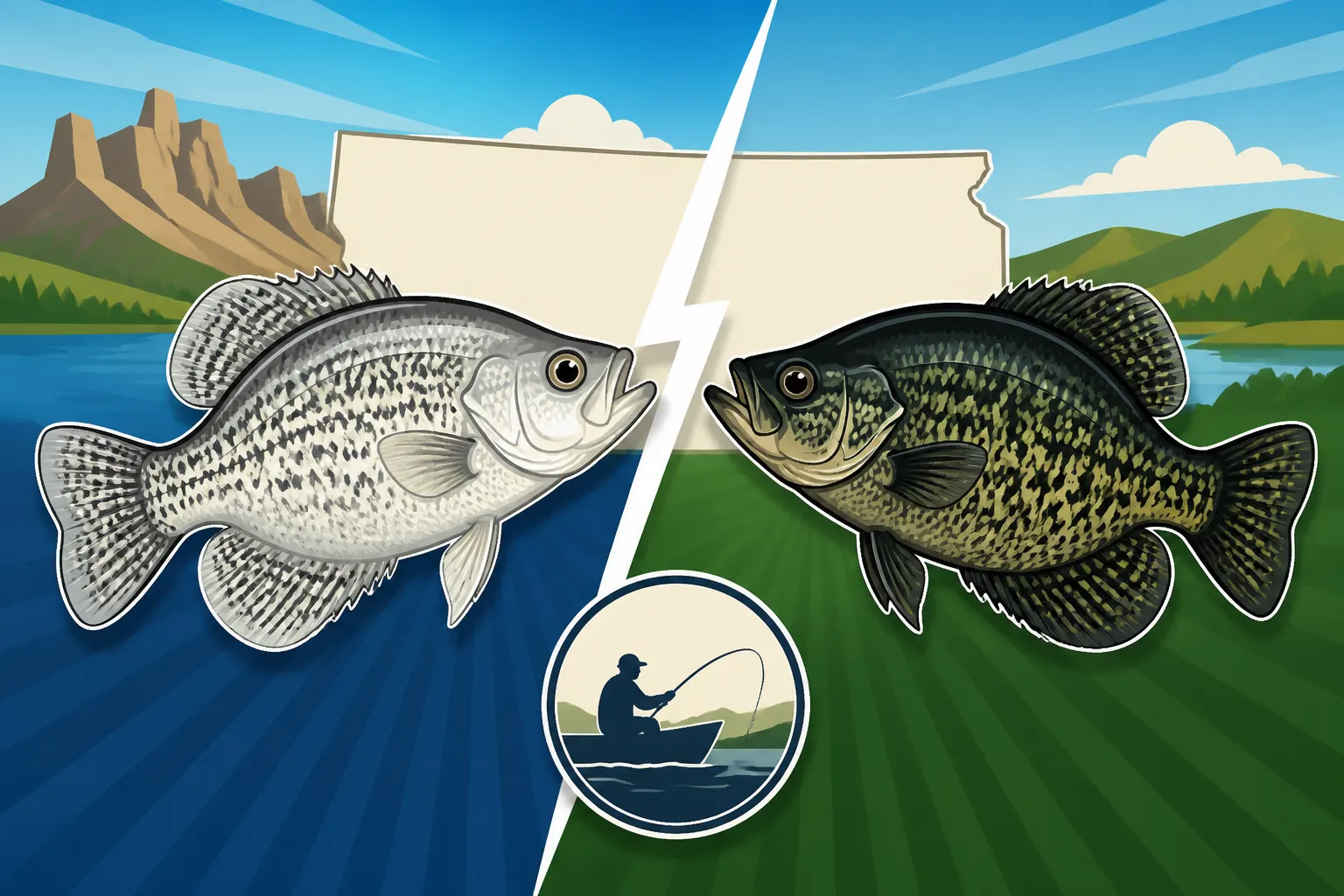
- Black Crappie: Generally, black crappie will have seven or eight dorsal spines. This is a consistent and strong indicator. They're often found in clear, vegetated waters, so their darker, mottled appearance might also hint at their identity, but the spine count is the true giveaway.
- White Crappie: In contrast, white crappie typically have six dorsal spines. This numerical difference is the easiest and most accurate way to tell them apart, even for a beginner. They tend to prefer more turbid water and open areas, and their body might appear a bit more elongated, but the spine count remains paramount.
Counting those spines can sometimes feel a bit tricky if the fish is still feisty, but a gentle hand can usually get the job done quickly without harming the fish. It’s a simple, undeniable fact etched into their anatomy, making it the go-to method for most South Dakota Game, Fish and Parks officials, and should be yours too. So, the next time you're debating, just remember: count those spines on the dorsal fin, and you'll have your answer in seconds.
Spot Patterns and Coloration Clues
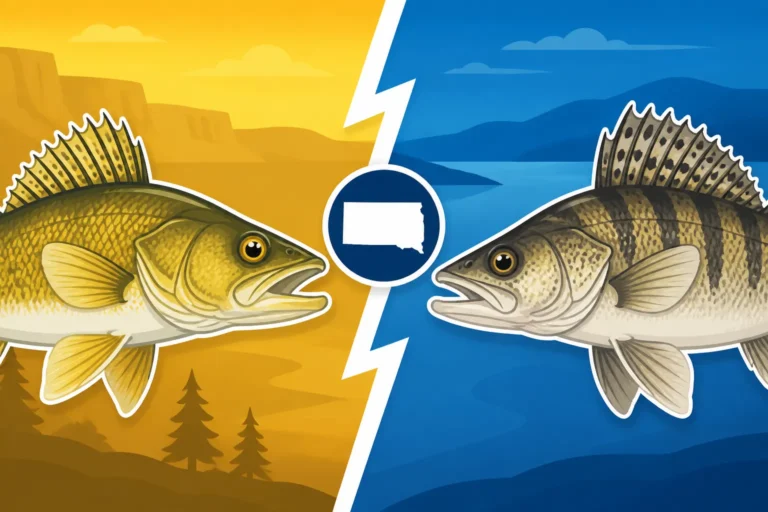
While not as foolproof as the dorsal spine count, the pattern and distribution of spots on a crappie's body can offer additional clues. This is where the names "white" and "black" can become a bit misleading, as a "white" crappie can be quite dark in muddy water, and a "black" crappie can be pale in different conditions. However, there are general patterns to look for.
- Black Crappie: These fish typically have irregularly scattered black spots or blotches all over their body. It often looks like someone took a paintbrush and randomly dabbed spots of varying sizes and shapes. These spots don't usually form distinct lines. The overall body color tends to be darker, often with a brassy or olive tint, especially if they’ve been living in clear, vegetated areas. Their darker, mottled appearance serves as excellent camouflage among submerged weeds and brush piles.
- White Crappie: White crappie usually exhibit dark spots that tend to be arranged in more organized, vertical bars or rows along their sides. While not always perfectly straight, you can often discern a sense of order to their markings. Their base color is generally lighter, a silvery or pale green, especially when caught from open, turbid waters. Think of it as subtle, faint pinstripes running down their sides.
Again, remember that environmental factors can influence color. A black crappie pulled from dark, tannin-stained water might appear almost black, while one from sandy, clear water could be quite pale. The key is to look for the pattern of the spots, not just the intensity of their color. This is where having an identification chart handy, perhaps printed from an online source or a compact guide purchased on Amazon, can reinforce what you're seeing in person.
Body Shape and Mouth Size Nuances
Beyond the fins and spots, paying attention to the overall body shape and mouth can also provide subtle hints, though these are often less distinct than the previous indicators.
- White Crappie: Often, white crappie have a more elongated or "taller" body profile compared to their length, giving them a somewhat stretched-out appearance. Their mouths tend to be a bit larger and more prominent, often extending back past the middle of the eye. This larger mouth can be an adaptation for feeding in open water, where they might need to engulf larger prey.
- Black Crappie: Black crappie typically have a rounder, more compact body shape. They might appear a bit "thicker" or "deeper" from back to belly for their given length. Their mouths are generally smaller, usually not extending past the middle of the eye. This smaller mouth might indicate a preference for smaller prey or different feeding strategies, perhaps picking insects or tiny minnows from dense cover.
While these body and mouth characteristics are helpful, they can be subjective. A particularly well-fed white crappie might appear rounder, and a skinny black crappie might seem more elongated. Therefore, always prioritize the dorsal spine count as your primary identifier, and use the spot patterns, body shape, and mouth size as supporting evidence. This comprehensive approach will make you a crappie identification expert in no time.
Here's a quick comparison table to help summarize the main differences:
| Feature | White Crappie | Black Crappie |
|---|---|---|
| Dorsal Spines | 6 | 7 or 8 |
| Spot Pattern | Dark spots in vertical bars/rows | Irregularly scattered dark spots/blotches |
| Body Shape | More elongated, "taller" | Rounder, more compact, "deeper" |
| Mouth Size | Larger, extends past middle of eye | Smaller, typically doesn't extend past middle of eye |
| Typical Habitat | Turbid water, open structure | Clearer water, heavy vegetation |
Habitat, Habits, and Other Hints: Beyond the Spots
Fish identification isn’t just about looking at the fish; it’s also about understanding their world. Where you find a crappie, how it behaves, and what it eats can all offer additional clues about its species. These contextual hints, combined with the visual identification, can provide a more complete picture and even help you target specific species more effectively. Learning about these nuances can also help you understand broader topics like South Dakota Fishing Seasons Explained and how they might affect fish behavior.
Preferred Hangouts and Water Conditions
Knowing where each species likes to live is a huge advantage. They might both be found in the same lake, but often occupy different niches within that ecosystem.
- White Crappie: These adaptable fish tend to prefer larger, more turbid (cloudy) waters like the larger reservoirs and river systems of South Dakota, such as Lake Sharpe or Lake Francis Case. They are often associated with open water structure such as sunken brush piles, standing timber, submerged roadbeds, and even bridge pilings. You'll find them suspended over deeper water or near drop-offs, especially during the day. They're more tolerant of varying water conditions and can thrive in slightly less pristine environments. If you're drifting through a murky bay near some drowned timber, chances are good you're in prime white crappie territory. Their adaptability makes them a common catch in many accessible fishing spots.
- Black Crappie: In contrast, black crappie generally prefer clearer, cooler water with abundant submerged vegetation. Think of those calm, shallower bays with lily pads, thick weed beds, or extensive areas of pondweed. You'll often find them lurking near dense cover—be it reeds, logs, or thick aquatic plants—where they can ambush prey. Many of the glacial lakes in northeastern South Dakota, with their clearer waters, might favor black crappie. If you’re sight-fishing in relatively clear water, casting a jig near a dense patch of weeds, you're more likely to encounter a black crappie. This preference for clear, vegetated areas often correlates with their darker, more mottled coloration, which provides excellent camouflage.
Understanding these habitat preferences is incredibly useful. If you're specifically targeting one crappie species, you can adjust your location and fishing strategy accordingly, which can lead to a much more productive day. You might even find specialized gear for these different habitats on Amazon, from specific weedless jigs for black crappie to deeper diving crankbaits for suspended white crappie.
Spawning Season Insights
Reproduction is a crucial time in a fish's life, and for crappie, the spawning season reveals some interesting behavioral differences that can further aid in identification and targeting.
- White Crappie: White crappie typically spawn a bit later than black crappie, often when water temperatures reach the 60-65°F range. They'll seek out hard bottom areas in shallower water, usually near some form of structure like stumps, logs, or even rock piles. While they still require some cover, their spawning areas might be a bit more open than those of black crappie. The males will guard the nests, and during this time, they might become darker in color, further confusing identification based solely on hue. This later spawning period can mean you're finding them active in early summer, perhaps near brushy shorelines.
- Black Crappie: Black crappie usually kick off their spawning activities earlier, when water temperatures climb into the 58-64°F range. They are known to build nests in shallower water, typically under dense vegetation or submerged brush. They really like heavy cover for their nests, often in depths ranging from a few inches to several feet. Like white crappie, males will darken considerably to protect their nests, making them appear almost entirely black. If you're fishing in early spring, when the water is just starting to warm, and you're casting into a shallow, weedy cove, you're likely right in the middle of a black crappie spawn.
Knowing these subtle differences in spawning temperatures and preferred nest sites can give you a significant advantage. If you're out during the spring crappie bite, targeting specific water depths and types of cover based on the crappie species you're after can lead to a banner day. This seasonal insight is a great complement to the information in our South Dakota Crappie Identification Guide.
Dietary Preferences
While both crappie species are opportunistic feeders, there are some subtle differences in their diets that align with their preferred habitats and mouth structures. Understanding what they're eating can sometimes inform your lure choice and, indirectly, suggest which species you might be encountering.
- White Crappie: With their typically larger mouths, white crappie are often more inclined to feed on smaller fish, particularly shad and minnows, especially in open water environments. They'll also consume a variety of aquatic insects and crustaceans, but fish are a significant part of their diet, particularly as they grow larger. This preference makes them susceptible to minnow-imitating lures, small crankbaits, and jigs tipped with live minnows, which are great options for Crappie Fishing Techniques for Suspended Fish.
- Black Crappie: Their smaller mouths often mean black crappie have a diet that leans more heavily towards aquatic insects, small crustaceans (like scuds and copepods), and zooplankton. While they will eat small minnows, they might not be as aggressive in pursuing larger baitfish as white crappie. This dietary tendency often makes them a prime target for tiny jigs, small soft plastics, and micro-baits, especially when fished slowly around vegetation. Using a What Size Hook to Use for Panfish guide becomes critical here for matching bait to their mouth size.
These dietary differences aren't rigid rules, of course. Both species will eat whatever is abundant and easy to catch. However, if you're consistently catching one type of crappie on a particular bait or lure, it might be an indicator of which species is more prevalent in that area or more actively feeding on that specific forage. This insight allows you to dial in your approach, whether you’re using minnows for white crappie or tiny hair jigs for black crappie, as discussed in How to Fish a Hair Jig for Crappie.
Why Accurate Identification Enhances Your South Dakota Fishing Experience
Beyond just getting the name right, being able to confidently distinguish between white and black crappie brings several tangible benefits to your South Dakota fishing adventures. It’s about more than just knowledge; it’s about application that leads to greater enjoyment and success on the water.
Respecting South Dakota's Regulations
This is perhaps the most critical reason to nail down your crappie identification. While statewide regulations often group crappie together under "panfish," specific lakes or river segments in South Dakota can have unique rules. These could include different daily limits, possession limits, or even length restrictions tailored to protect or manage one crappie population over the other. Imagine heading out to a specific glacial lake where black crappie might have a tighter limit, only to inadvertently exceed it because you thought they were white crappie. That's a mistake that can lead to fines and a diminished reputation, not to mention a direct impact on the fish populations the regulations are designed to protect.
It's your responsibility as an angler to know and follow these rules. Familiarizing yourself with resources like Crappie and Panfish Possession Limits and the current regulations pamphlet (which you can often pick up at local bait shops or download from the South Dakota Game, Fish and Parks website) is essential. When you can identify your catch on the spot, you can make informed decisions, ensuring you're always within the legal harvest limits and doing your part to conserve South Dakota's incredible fisheries for generations to come.
Tailoring Your Techniques
As we've explored, white and black crappie have distinct preferences for habitat and feeding. Knowing which species you're catching, or more importantly, which species you want to catch, allows you to become a more effective and specialized angler. This is where the real art of fishing comes into play.
If you're finding lots of black crappie, you might shift your focus to thicker weed beds, clearer water, and smaller, subtle presentations. You'd likely be using tiny jigs, maybe tipped with a wax worm or a small soft plastic, and perhaps fishing them under a slip bobber for precision. Conversely, if white crappie are the prevalent species, you'd target deeper, more open water structures, perhaps employing larger minnows, small crankbaits, or even vertical jigging techniques over submerged timber. This adaptability means less wasted time in unproductive spots and more time with a bending rod. It also allows you to dive into more advanced techniques like those outlined in South Dakota Panfish Fishing Guide to truly maximize your efforts. Having a selection of crappie-specific lures and baits, which you can easily browse and acquire on Amazon, for both species ensures you're always prepared.
Enhancing Your Culinary Experience
For many, fishing culminates in a delicious meal, and crappie are widely considered some of the best-eating freshwater fish. While both species are excellent table fare, some anglers have strong preferences, believing one species has a slightly firmer flesh or a milder flavor. These distinctions are subtle, and largely personal preference, but for the discerning palate, knowing whether you're frying up white or black crappie can add another layer to the experience.
Beyond taste, being able to identify your fish also ensures you're aware of any localized South Dakota Fish Consumption Advisories Explained that might apply to one species or another in certain waters. This information is crucial for health and safety, ensuring that your delicious crappie meal is also a safe one. Ultimately, from the initial hookset to the final forkful, knowing your crappie species simply enriches the entire fishing journey, making you a more knowledgeable, responsible, and satisfied angler in the beautiful waters of South Dakota.
Disclaimer
This article is for general informational purposes only and does not constitute professional advice. Laws, prices and regulations vary by location and change over time. Consult a qualified professional for guidance on your specific situation.