Can You Catch Muskie in South Dakota?
It's a question that often pops up in conversations among anglers dreaming of monster catches: can you really hook a Muskie in South Dakota? While the thought of wrestling one of these apex predators might be exhilarating, the reality of Muskie fishing in our state is a bit more nuanced than many might expect. This guide will dive deep into the presence (or lack thereof) of Muskie in South Dakota waters, what anglers can realistically expect to catch, and how to gear up for those incredible South Dakota fishing adventures.
The Truth About Muskie in South Dakota Waters
Let's get right to it: Muskie, or muskellunge, are not a commonly sought-after or even prevalent game fish in South Dakota. While some anglers might hear whispers or see a fleeting report, the truth is that South Dakota's fishery management has historically focused its efforts and resources on other species that thrive in our unique prairie and Missouri River system waters. This isn't to say it's impossible, but it's certainly not a primary target for most South Dakota anglers.
A Rare and Limited Presence
For many years, the idea of catching a Muskie in South Dakota was almost entirely a myth. Our state simply hasn't had the natural populations or extensive stocking programs for these magnificent fish that you might find in states further to our east or north. Muskie require very specific habitat – often large, fertile lakes with abundant forage and particular spawning conditions – which aren't as widespread here as they are for, say, Walleye.
There have been occasional, very limited experimental stockings or isolated incidents of Muskie being found, but these are few and far between and certainly not indicative of a widespread, fishable population. If you hear someone talking about a Muskie catch in South Dakota, it's often a rare occurrence, perhaps a fish that wandered in from a connecting waterway where they are more established, or a very specific, small-scale management effort that doesn't translate to broad angling opportunities. Anglers seeking these toothy critters usually travel out of state to places like Minnesota, Wisconsin, or Canada, where Muskie are a staple.
Why Muskie Are Not a Primary Focus
The South Dakota Game, Fish and Parks (GFP) manages our fisheries to maximize opportunities for species that flourish here and are highly valued by resident and nonresident anglers alike. When you look at the immense popularity of Walleye, Northern Pike, Smallmouth Bass, and various panfish, it becomes clear why these species receive the lion's share of attention.
- Habitat Suitability: Many of our large reservoirs and glacial lakes are fantastic for species like Walleye, offering vast open waters, abundant baitfish, and ideal spawning grounds. These aren't always perfect for Muskie, which often prefer more complex, weedy, or rocky structures with specific temperature ranges.
- Angler Demand: The demand for Walleye fishing in South Dakota is astronomical. It’s our state fish, and for good reason. South Dakota Walleye Fishing Guide will tell you everything you need to know. The GFP responds to this demand by focusing stocking, research, and regulation on maintaining robust populations of popular species. The infrastructure, from bait shops to guiding services, is built around these fish.
- Management Costs and Returns: Establishing and maintaining a Muskie fishery is a significant undertaking, requiring substantial financial investment in stocking, habitat development, and ongoing monitoring. Given the relatively low demand and potentially limited success compared to other species, the resources are simply better allocated to enhancing fisheries that already boast thriving populations and widespread angler appeal.
So, while the allure of a Muskie is undeniable, the state's strategic focus is firmly on providing exceptional fishing for species that are truly at home in South Dakota.
Target Species That Are Prominent in South Dakota
Instead of chasing a phantom, let's talk about the incredible fishing opportunities that are abundant and make South Dakota a world-class angling destination. Our waters teem with species that offer thrilling fights and delicious table fare, providing realistic and rewarding experiences for every angler.
The Reign of Walleye
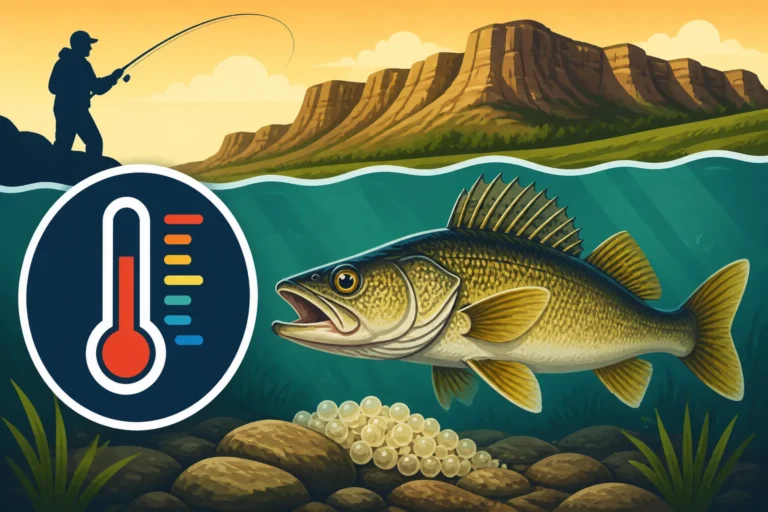
There's no debate here: Walleye are the undisputed kings of South Dakota fishing. From the vast expanse of the Missouri River reservoirs like Lake Oahe and Lake Sharpe to the productive glacial lakes in the eastern part of the state, Walleye fishing is a way of life. Anglers flock here from all over the country to experience the incredible bite, especially during the spring and fall.
These cunning fish offer a challenge, requiring skill and understanding of their habits, but the reward of a perfectly cooked Walleye fillet is worth every effort. You'll find a massive community dedicated to Walleye, with tournaments, guiding services, and endless discussions about the best lures and techniques. For serious anglers, learning How to Fish for Walleye in South Dakota is essential, and you'll quickly understand why they overshadow almost everything else.
Northern Pike and Their Aggressive Bites
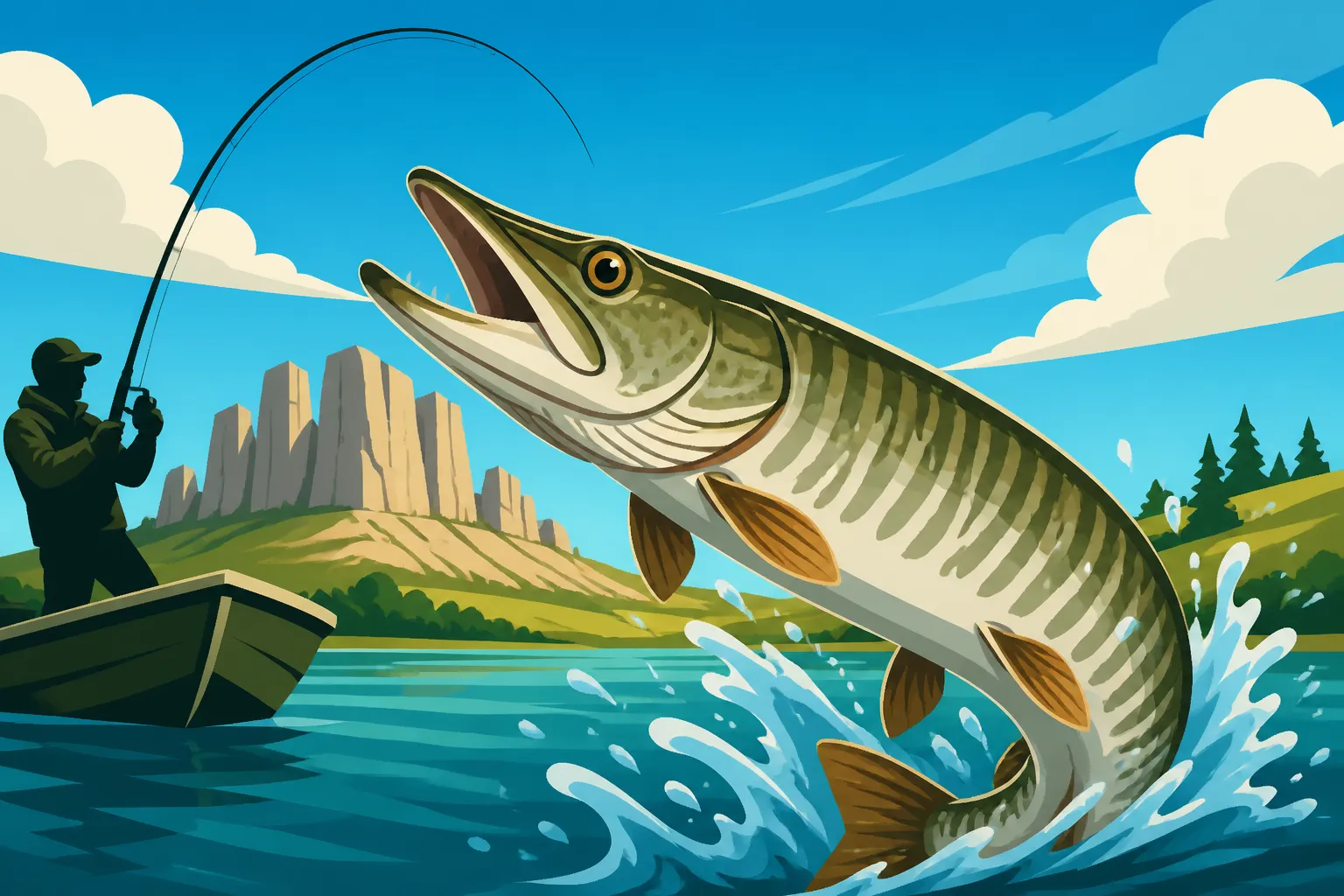
If you're drawn to the idea of a large, aggressive predator with sharp teeth, then Northern Pike are your true South Dakota "Muskie alternative." Pike are widely distributed throughout the state, especially in the eastern glacial lakes and some of the Missouri River system's shallower bays and backwaters. They are known for their explosive strikes and powerful runs, making for an incredibly exciting fight.
Often found lurking in weed beds or around submerged structure, pike can grow to impressive sizes in South Dakota. While not as heavily managed for as Walleye, they provide fantastic sport fishing, particularly during the spring and fall. Many anglers target pike specifically, appreciating their ferocious nature. You can find excellent pike fishing in lakes like Lake Thompson, Lake Poinsett, and even in certain areas of the large reservoirs. For tips on where to find these toothy critters, check out Where to Fish for Northern Pike in South Dakota.
Other Exciting Game Fish
Beyond Walleye and Northern Pike, South Dakota offers a diverse range of other fantastic game fish that provide consistent action:
- Smallmouth Bass: Found predominantly in the Missouri River reservoirs and some of our larger lakes, Smallmouth Bass are pound-for-pound one of the hardest fighting fish you'll encounter. They prefer rocky structure and clear water, offering exciting topwater action and fierce battles on light tackle. Learn more in our South Dakota Smallmouth Bass Fishing Guide.
- Catfish: The Missouri River and its tributaries are renowned for their Channel Catfish and Flathead Catfish populations. These powerful bottom dwellers offer fantastic fishing, especially during warmer months, and can grow to truly enormous sizes. Night fishing for catfish on the Missouri River is a popular summer pastime.
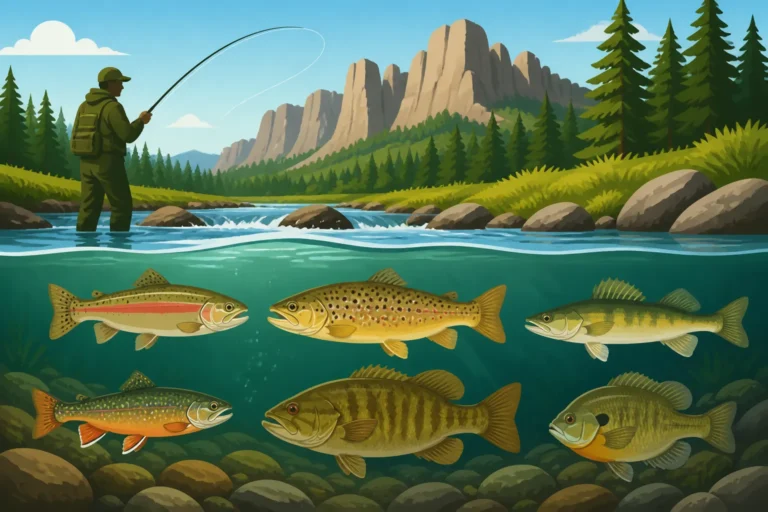
- Trout: For a completely different experience, head to the Black Hills for stream and lake trout fishing. Rainbow, Brown, and Brook Trout inhabit the cold, clear waters of streams like Rapid Creek and Spearfish Creek, as well as picturesque lakes such as Pactola Reservoir and Sheridan Lake. This is a pristine, peaceful fishing experience.
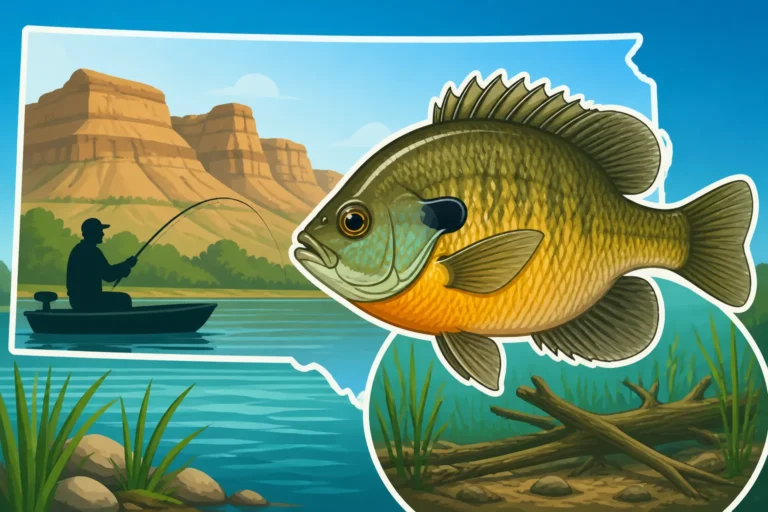
- Panfish (Perch, Crappie, Bluegill): Don't overlook the panfish! Yellow Perch, Crappie (both white and black), and Bluegill are abundant in many South Dakota lakes and provide excellent action for anglers of all ages, often making for a delicious meal. They are particularly popular for ice fishing.
Where Anglers Might Think They've Seen Muskie (and What They Actually Saw)
It's easy for an angler, especially one new to South Dakota, to spot a long, toothy fish and immediately jump to "Muskie!" But more often than not, what they've actually encountered is one of our more common, though equally impressive, local predators. Understanding the subtle differences can help clarify expectations and improve your fishing strategy.
The Walleye vs. Sauger vs. Pike vs. Muskie Conundrum
Misidentification is common, especially when you're caught up in the excitement of a big fish. Here’s a quick breakdown to help you tell the difference between these elongated, predatory fish:
| Feature | Walleye | Sauger | Northern Pike | Muskellunge |
|---|---|---|---|---|
| Body Shape | Elongated, slender | Similar to Walleye, more slender | Long, cylindrical, duck-bill snout | Very long, cylindrical, duck-bill snout |
| Dorsal Fin | Spiny and soft dorsal fins separate | Spiny and soft dorsal fins separate | Single dorsal fin far back, near tail | Single dorsal fin far back, near tail |
| Tail Fin | White tip on lower lobe | No white tip on tail | Rounded or slightly forked | Deeply forked, often with pointed lobes |
| Scales on Cheek | Fully scaled | Scaleless or partially scaled | Fully scaled | Upper half scaled, lower half bare |
| Dark Markings | Often subtle blotches, no distinct bars | Distinct dark blotches/saddles | Bean-shaped spots or irregular bars | Dark vertical bars, spots, or blotches |
| Tooth Pattern | Sharp, canine-like teeth | Sharp, canine-like teeth | Very sharp, numerous teeth on jaws | Larger, more pronounced teeth on jaws |
| Known South Dakota Presence | Abundant & Widespread | Common (Missouri River) | Common & Widespread | Extremely Rare/Isolated |
For a more in-depth look at telling some of our most common fish apart, check out Walleye vs Sauger Identification or even Fish Identification for Beginners. It's a skill that will serve you well on the water!
Understanding South Dakota's Stocking Programs
The South Dakota GFP works tirelessly to maintain and enhance our state's fisheries. This involves extensive stocking programs, but these are almost entirely focused on species proven to thrive here and provide high-quality angling experiences.
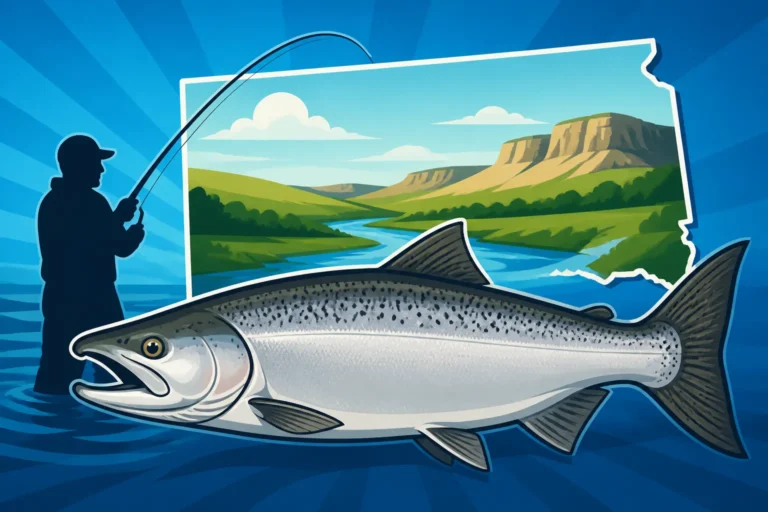
For instance, millions of Walleye fry and fingerlings are stocked annually into our major lakes and reservoirs to bolster natural reproduction and ensure healthy populations. Chinook Salmon are stocked in Lake Oahe to create a unique open-water trophy fishery. Trout are regularly stocked into Black Hills streams and lakes. These are all species that have a strong ecological fit and strong angler demand.
Muskie, unfortunately, just don't fit into this larger management picture for widespread stocking. The resources needed to support a Muskie population on a scale that would offer consistent angling would be immense, and likely divert funds from programs that benefit millions of Walleye and other popular species. So, if you're out on a South Dakota lake, rest assured that the big fish you're likely to encounter are the result of deliberate and successful management efforts for our most beloved game fish.
Gearing Up for South Dakota's Real Trophy Fish
Since Muskie are such a rare anomaly here, your gear choices should definitely be tailored to the fish you will encounter – namely, those feisty Walleye and powerful Northern Pike. You'll want tackle that can handle strong runs and sharp teeth, ensuring you're ready for whatever South Dakota's abundant waters throw your way.
Essential Gear for Pike and Walleye
For both pike and walleye, you'll want versatile gear that can stand up to the challenge. Here’s a basic breakdown:
- Rods and Reels:
- Walleye: A medium-light to medium power spinning rod, 6'6" to 7'6" in length, paired with a 2500 or 3000 series spinning reel is a great all-around choice. This setup offers sensitivity for detecting subtle bites while still having enough backbone to handle a good-sized Walleye. For trolling, you might opt for a medium-heavy baitcasting setup. If you're looking for recommendations, our guide on Best Fishing Rods and Reels for Walleye has some excellent suggestions.
- Northern Pike: A medium-heavy power spinning or baitcasting rod, 6'6" to 7'6" in length, is ideal. Pike fight hard and can get quite large, so you need a rod with more power. A 3000-4000 series spinning reel or a robust baitcasting reel will do the trick.
- Line:
- Walleye: 8-10 lb test monofilament or fluorocarbon is excellent for jigging and slip bobber fishing due to its low visibility and stretch. If you're trolling or using braid for sensitivity, consider a 10-15 lb braided line with a fluorocarbon leader (6-10 lb).
- Northern Pike: Pike have razor-sharp teeth that can easily cut through regular fishing line. A 15-20 lb braided main line is a good start, but a steel or heavy fluorocarbon leader (30-50 lb test) is absolutely essential. Don't skip the leader, or you'll be donating lures to these toothy critters!
- Lures and Baits:
- Walleye: Jigs (1/8 to 1/2 oz), crankbaits (both diving and shallow-running), spinner rigs with live bait (like nightcrawlers or minnows), and soft plastics are all highly effective. The specific "best" lure can change by season and water body, but a diverse tackle box is key. Check out Best Lures for South Dakota Walleye for more specifics.
- Northern Pike: Large spoons, spinnerbaits, inline spinners, jerkbaits, and even large soft plastics are great choices. Pike are ambush predators, so anything that mimics a wounded baitfish or small panfish can trigger a strike. Live bait, like large shiners or suckers, can also be very effective.
Finding the Right Tackle and Resources
Whether you're a seasoned angler or just starting out, having the right tackle makes all the difference. You can find a huge variety of fishing gear at local bait shops across South Dakota – these places are goldmines of local knowledge too! Don't hesitate to ask the staff for advice on what's currently biting and what gear works best in their area.
For an even wider selection and competitive prices, many anglers turn to online retailers. Platforms like Amazon offer an incredible array of rods, reels, lines, and every type of lure you can imagine. You can easily compare different brands and models, read reviews from other anglers, and have your gear delivered right to your door. From a new Walleye jigging rod to a heavy-duty leader for pike, Amazon can be a great resource for stocking up your tackle box. Always ensure you have a valid South Dakota Fishing License Guide and are familiar with South Dakota Fishing Regulations Explained before you head out.
Remember, the goal is to enjoy the incredible fishing opportunities that South Dakota genuinely offers. While the Muskie may remain a distant dream for now, the thrill of hooking a trophy Walleye or battling a massive Northern Pike is a very real, and very common, South Dakota experience.
Disclaimer
This article is for general informational purposes only and does not constitute professional advice. Laws, prices and regulations vary by location and change over time. Consult a qualified professional for guidance on your specific situation.