Best Jig Colors for Clear Water
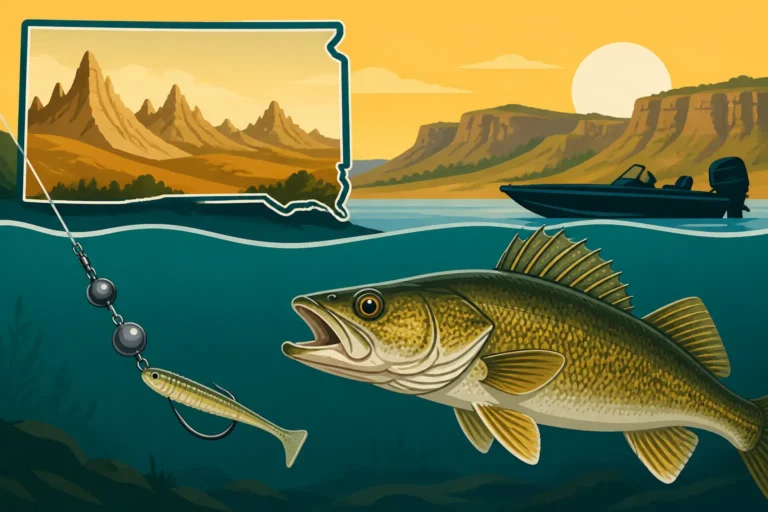
Oh, the age-old dilemma of clear water! It's both a blessing and a curse for us anglers in South Dakota. On one hand, you can often see more of the underwater world, which is fascinating. On the other hand, those crystal-clear conditions mean the fish can see you and your presentation much better too, making them incredibly finicky. This guide is all about cutting through that challenge, helping you understand which jig colors truly shine when the water is gin-clear, and how to present them for success.
Understanding Clear Water Dynamics and Fish Vision
Fishing in clear water isn't just about picking a pretty color; it's about understanding how light behaves underwater and how different fish species perceive those colors. The clearer the water, the deeper light penetrates, and the more vibrant and natural your lure needs to appear. Fish aren't just reacting to motion; their vision plays a huge role in whether they commit to a strike.
The Science of Light and Color Absorption
When sunlight hits the water, not all colors penetrate equally. Red light, for example, is absorbed very quickly, meaning a bright red jig looks muted or even black at deeper depths, even in clear water. Blues and greens, on the other hand, penetrate much deeper. This is a fundamental concept that often gets overlooked. Think about it: if you're targeting fish at 20 feet in Lake Oahe, a color that looks vibrant above water might be completely dull where the fish are.
This light absorption isn't uniform. Factors like the sun's angle, cloud cover, and even microscopic particles in the water can influence how colors appear. In general, natural light conditions call for more natural, translucent colors. It’s all about creating an illusion that mimics the forage the fish are naturally hunting. When they have ample light to inspect your offering, anything too unnatural or garish can send them swimming away.
How Fish Perceive Colors in Clear Water
Different fish species have varying levels of color vision, but most predatory fish we target in South Dakota, like walleye and smallmouth bass, are highly visual feeders, especially in clear conditions. They're looking for subtle cues: the flash of a scale, the translucent quality of a minnow's tail, or the dark silhouette of a crawfish against the bottom. In clear water, they have a longer "detection range" for your bait. This means they can spot a jig from further away, giving them more time to scrutinize it.
This heightened visibility makes them more cautious. A jig that looks too stark, too opaque, or has an unnatural sheen will often be ignored. Instead, you want colors that blend, reflect ambient light subtly, or mimic the most common prey species in that particular body of water. For instance, if you're fishing for walleye in clear waters, they might be keying in on shiners or perch, and your jig color should reflect those natural hues. The ability for fish to get a good, long look at your bait is why presentation, speed, and subtle color choices become so paramount.
Top Jig Colors for Clear Water
When the water clarity is exceptional, it’s time to move away from those loud, attention-grabbing colors often favored in stained or muddy conditions. Instead, we lean into finesse and realism.
Natural and Transparent Hues
These are your bread and butter in clear water. Think about what natural baitfish or insects look like in the water. They're often somewhat translucent, with subtle flecks of color.
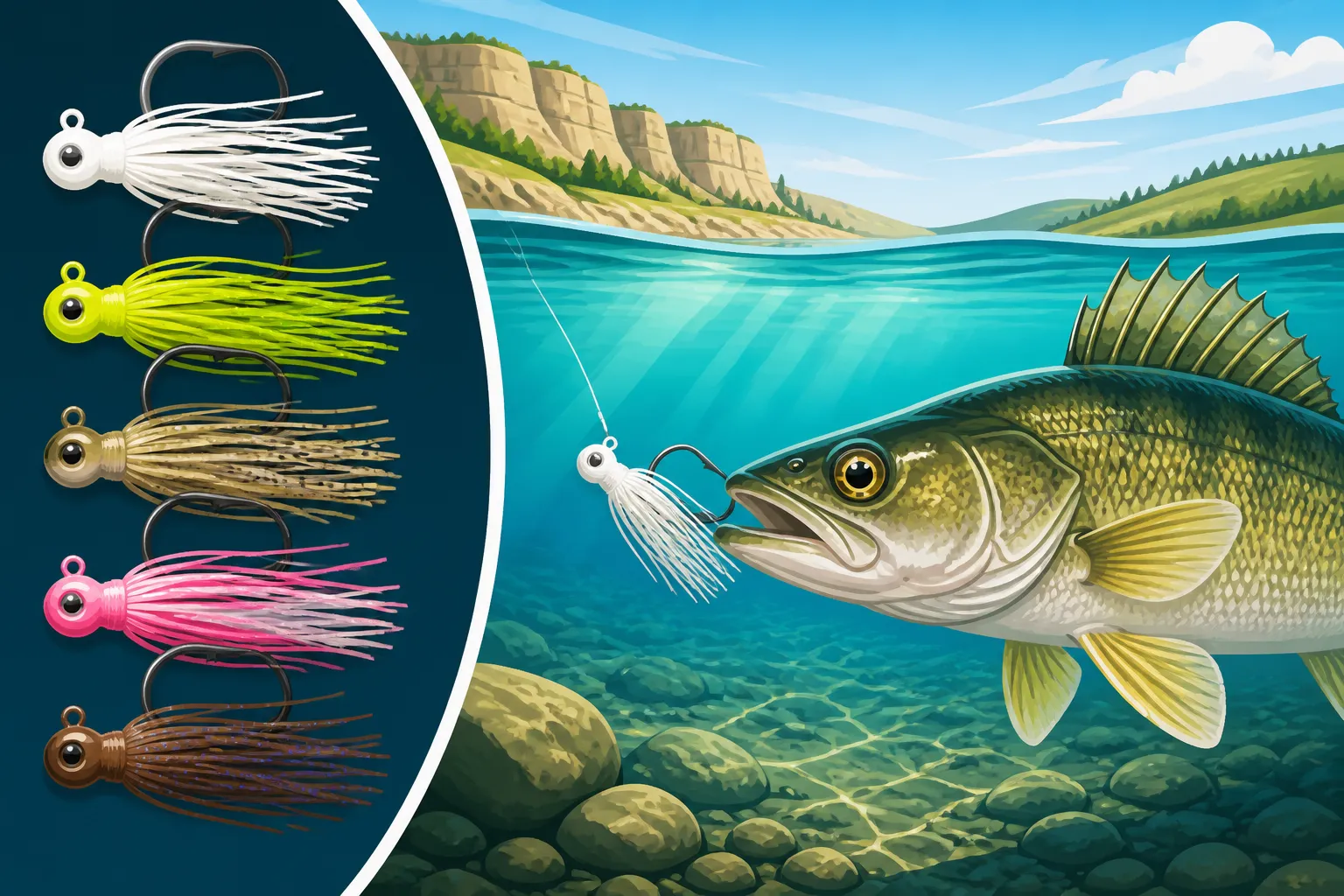
- White/Pearl: A timeless classic. White or pearl jigs imitate baitfish like shad or shiners, especially when they flash. The subtle shimmer of pearl can be incredibly effective, mimicking the belly of a fleeing fish. On a bright, sunny day, a pearl jig can reflect sunlight beautifully, creating that irresistible flash. You'll find a wide variety of these options available on Amazon.
- Silver/Chrome: Similar to white, silver offers more flash and reflection. It's excellent for mimicking metallic-sided baitfish. In bright sunlight, chrome jigs can create intense glints that grab attention from a distance, making them a great choice for deeper, clearer lakes where light can still penetrate well.
- Clear/Translucent: Sometimes, less is more. Clear or translucent jigs, especially those with some glitter or very subtle flecks of color, are fantastic because they essentially disappear, taking on the ambient color of the water itself. This creates a ghost-like presentation that can fool even the wariest fish, making them think it's just a fleeting, natural piece of forage.
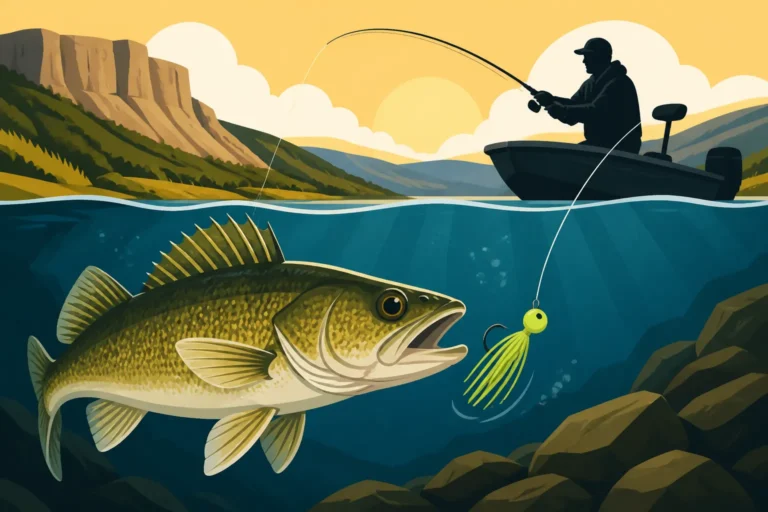
- Light Greens/Chartreuse (Subtle): While often associated with stained water, a very light, almost translucent green or a subdued chartreuse can work in clear water, particularly if there’s a lot of algae or green vegetation in the area. It mimics natural vegetation and some insect larvae. The key here is subtle. Avoid anything neon or intensely vibrant. Think moss green or a very pale lime.
- Brown/Green Pumpkin: These earthy tones are perfect for mimicking crawfish, gobies, or other bottom-dwelling creatures that thrive in clear, rocky environments. When jigging near the bottom, these colors blend in naturally and present a very realistic profile. Pair them with a realistic soft plastic trailer.
For walleye, especially during the day in clearer lakes, a natural hue can be the difference-maker. If you're wondering How to Fish for Walleye in South Dakota, starting with natural colors in clear water is a solid strategy.
Subtle Accents for Reaction Strikes
Sometimes, even in clear water, you need a tiny bit of flash or a contrasting color to trigger a reaction strike, especially if the fish are lethargic or spooky.
- Blue/Black: A dark blue or black jig can create a strong silhouette against a bright sky or lighter bottom, making it highly visible without being overly flashy. This is particularly effective on overcast days or in deeper, clear water where light is scarce. The contrast can trigger a curious fish to investigate.
- Orange/Red (Subtle, Deep): While red gets absorbed quickly, a very dark, dull red or a subtle orange can be effective in deeper, clear water. At depth, these colors turn into shades of brown or black, creating a natural look that mimics blood or darker forage. It’s not about the vibrant red you see above water, but the muted tone it becomes underwater. For instance, if you're fishing for South Dakota Trout Limits in the Black Hills, a small jig with a touch of dark red can sometimes entice a bite, especially if it's imitating an injured insect or small invertebrate.
- Gold: Gold provides a warm, natural shimmer that can imitate certain baitfish like golden shiners or perch. It's less flashy than silver but offers a more subdued, natural glow. This can be great on sunny days where you want some reflection but don't want to overdo it. You'll find that many reputable brands offer excellent gold-colored jigs, often available through retailers like Amazon.
When considering your overall tackle setup, these specific colors should definitely make it into your rotation. For a more complete overview, check out our guide on Best Tackle for South Dakota Walleye Fishing.
| Jig Color | Best Conditions | Target Species (Clear Water) | Key Feature / Why it Works |
|---|---|---|---|
| White/Pearl | Sunny, bright, any depth | Walleye, Smallmouth Bass, Crappie | Mimics shiny baitfish, flashes, subtle shimmer |
| Silver/Chrome | Sunny, bright, any depth | Walleye, Smallmouth Bass, Salmon | High flash, strong baitfish imitation |
| Clear/Translucent | Sunny to overcast, any depth | Trout, Smallmouth Bass, Finicky Walleye | Blends with water, ghost-like, highly natural, subtle |
| Light Green/Chartreuse | Overcast, vegetated areas | Panfish, Walleye, Smallmouth Bass | Mimics natural vegetation, subtle insect larvae imitation |
| Brown/Green Pumpkin | Sunny to overcast, bottom-focused | Smallmouth Bass, Catfish, Walleye | Mimics crawfish/bottom forage, natural concealment |
| Blue/Black | Overcast, low light, deep | Walleye, Northern Pike, Smallmouth Bass | Strong silhouette, good visibility in low light |
| Gold | Sunny to partly cloudy | Walleye, Perch, Smallmouth Bass | Warm, natural shimmer, mimics certain baitfish |
Effective Jigging Techniques in Clear Water
It's not just about the color; it's also about how you present that jig. In clear water, your presentation needs to be impeccable. Fish have a longer time to scrutinize, so any unnatural movements or excessive commotion can send them packing.
Finesse and Realistic Presentation
When fish can see everything, subtlety is your best friend. This means slower retrieves, smaller twitches, and making your jig behave as naturally as possible. Think like the baitfish you're trying to imitate – they rarely make violent, erratic movements unless fleeing for their lives, and even then, their movements are fluid.
Try a slow, deliberate lift-and-drop retrieve, allowing the jig to flutter down on a semi-slack line. This can imitate a dying baitfish or a crawfish trying to escape. For walleye, this is especially true. Mastering Jigging Techniques for Missouri River Walleye in clear water often involves tiny hops rather than aggressive rips. Pay attention to how the jig falls – is it spiraling, gliding, or just dropping straight down? Different fall rates can trigger different responses. Sometimes, a simple drag-and-pause along the bottom is all it takes for a wary fish to commit.
Matching the Hatch with Trailers
In clear water, fish are often very selective. They might be keyed in on a specific size or type of forage. This is where trailers become crucial. If the fish are feeding on small minnows, pair your jig with a slender, soft plastic minnow imitation. If it's crawfish season, a jig with a realistic craw trailer in a matching brown or green pumpkin will be deadly.
The texture and action of your trailer are just as important as its color. A soft plastic with a subtle paddle tail might offer just enough vibration and movement to draw attention without being overly aggressive. Always check the local forage. What are the small fish swimming around the boat ramp? What are the fish spitting up if you catch one? Matching these details, down to the last nuance, can drastically improve your catch rate. This also ties into the overall strategy for Best Lures for South Dakota Walleye, where realism often trumps flash.
Consider Time of Day and Depth
Clear water fishing conditions often change dramatically with the sun's position and the depth you're targeting.
- Early Morning/Late Evening: These low-light periods are prime for clear water fishing. The lower light penetration makes fish feel more comfortable moving into shallower areas. Your natural colored jigs will still work, but you might get away with slightly bolder, yet still natural, choices during these times. Fish are generally more aggressive as they feed before the bright sun settles in.
- Midday Sun: When the sun is high and bright, fish tend to retreat to deeper water or seek shade under cover. This is when translucent or very subtle, dark colors become paramount. Fishing deeper structure becomes key. Understanding Reading Water Temperature for Walleye can also help you pinpoint where fish might be holding during these times, as they often seek more comfortable thermal zones.
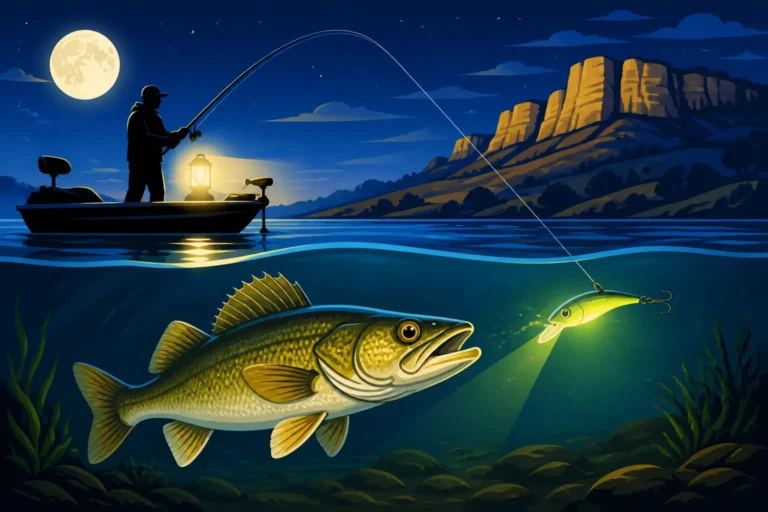
- Depth: The deeper you go, the more light is absorbed. As mentioned, reds and oranges disappear quickly, turning gray or black. Blues and greens retain their color longer. If you're fishing very deep, a black or dark blue jig can create an excellent silhouette against the faint light, while a glow-in-the-dark option (if legal in your area) can sometimes be a secret weapon. For shallower presentations, like when targeting smallmouth bass in clear rivers, the natural presentation is vital. If you’re fishing for How to Fish Clear Water for Smallmouth Bass, shallow, rocky areas with subtle, natural jigs can be very effective.
Remember, the goal in clear water isn't to shock and awe the fish with vibrant colors. It's to present something so natural and appealing that they can't resist taking a closer look, and then, eventually, a bite. For a more extensive guide on what to expect, read up on the South Dakota Fishing License Guide and local regulations.
Specific Clear Water Scenarios in South Dakota
South Dakota offers a diverse range of clear water fishing opportunities, from the deep, clear waters of the Missouri River reservoirs to the pristine streams of the Black Hills. Each presents its own unique challenges and opportunities for jig fishing.
Clear Reservoirs: Lake Oahe and Lake Sharpe
Lakes like Oahe and Sharpe, especially during certain times of the year, can have incredible clarity, particularly in their lower sections or away from major inflows. Here, walleye, smallmouth bass, and even northern pike become acutely aware of their surroundings.
When fishing these clear reservoirs for species like walleye, your jig presentation needs to be incredibly refined. Think subtle movements with a pearl, silver, or light green pumpkin jig. Drop it down, let it hit the bottom, and then impart tiny, almost imperceptible twitches. Often, the bite will feel like nothing more than a slight "tick" or added weight, not a violent strike. Live bait, like a minnow or nightcrawler, tipped onto a natural-colored jig head can be incredibly effective when fish are extra wary. Don't forget that for South Dakota Walleye Fishing Guide, subtle jig colors are often recommended for clear conditions. You may also want to check out information regarding What Walleye Eat in Summer to help you pick the right trailer.
For smallmouth bass, especially on rocky main lake points or humps, light brown, green pumpkin, or even clear jigs with a bit of flash can be deadly. Smallmouth in these clear waters are often very visually oriented, so a crawfish-imitating jig worked slowly over rocky bottom will often draw strikes. Consider a football head jig, which helps maintain bottom contact and mimics a crawfish scurrying along. These areas are often where you'll find the best South Dakota Smallmouth Bass Fishing Guide information.
Black Hills Streams: Trout Fishing
The Black Hills streams, with their cold, clear waters, present a completely different clear water jigging challenge – trout. Whether you're chasing rainbow, brown, or brook trout, presentation is king in these pristine environments.
Small, natural-colored jigs are the way to go here. Think tiny 1/32 or 1/64 ounce jigs in white, black, brown, or olive green. These imitate small aquatic insects, nymphs, or tiny minnows. The key is to drift them naturally with the current, just like a real insect would. Use a very light line, often fluorocarbon, for stealth. Avoiding heavy hardware and keeping your profile small will be the difference between spooking fish and getting a strike. Sometimes, even a tiny jig under a small float can be incredibly effective, allowing for a drag-free drift. The clarity of these streams means trout will often refuse anything that looks unnatural or moves too aggressively.
Overcast Days vs. Sunny Days in Clear Water
Even with clear water, changing weather conditions will influence your color choice.
- Overcast Days: On cloudy or overcast days, the sun's harsh glare is diffused, and light penetration is less direct. This can make fish feel more comfortable, and you might get away with slightly more opaque or darker natural colors. Blue, black, or even a subtle chartreuse can create a good silhouette against the muted sky. These conditions can often offer some of the Best Time of Day to Catch Walleye in Summer as the fish are less pressured by direct sunlight.
- Sunny Days: Bright, sunny days demand the utmost stealth and realism. Translucent, clear, pearl, or silver jigs are often your best bet. The sun's rays will penetrate deep, highlighting any imperfections in your presentation. Fish will likely be deeper or tucked into shade, making precise placement even more critical.
No matter the conditions, always have a variety of clear water jig colors in your tackle box. Experimentation is key, and fish preferences can change throughout the day. What worked an hour ago might not work now, so be ready to adapt and always observe the conditions around you.
Disclaimer
This article is for general informational purposes only and does not constitute professional advice. Laws, prices and regulations vary by location and change over time. Consult a qualified professional for guidance on your specific situation.