Is Early Morning or Evening Better for Walleye Fishing?
Deciding when to hit the water for walleye in South Dakota can feel like a guessing game sometimes, right? You hear stories of incredible early morning bites, but then your buddy swears by those magical twilight hours. It's frustrating when you're dedicating precious time to fishing, and you want to stack the odds in your favor. This comprehensive guide is here to unravel the mystery, diving deep into walleye behavior and environmental factors to help you determine if the rod-bending action is more likely to happen at dawn or dusk in the beautiful waters of our state.
Understanding Walleye Behavior in South Dakota Waters
Walleye are fascinating fish, and understanding their basic instincts is the first step toward figuring out the best time to target them. They're not like some other species that happily munch on bait all day long in bright sunlight; walleye have a distinct preference that drives their feeding schedule.
Walleye Feeding Habits and Light Sensitivity
At their core, walleye are opportunistic predators that thrive in low-light conditions. Their large, reflective eyes are specially adapted to gather light, giving them a significant advantage over their prey species like perch, shiners, or shad when the sun isn't blazing. This is why you'll often find them tucked away in deeper, darker water or hiding beneath heavy cover during the brightest parts of the day.
When the light levels drop—think pre-dawn, dusk, or even during heavily overcast days—walleye become more confident and active. They'll push into shallower feeding flats, along points, or cruise weed lines where baitfish are more vulnerable. This inherent light sensitivity is the primary reason why both early morning and late evening are considered prime times for walleye fishing. In South Dakota's vast Missouri River reservoirs, like Lake Oahe or Lake Sharpe, walleye might move significant distances from deep main-lake structure to shallower foraging areas as the sun dips or before it rises. Conversely, in the shallower, often stained waters of our Glacial Lakes region, walleye might feel comfortable feeding throughout much of a cloudy day, but still exhibit peak activity during these low-light windows.
Seasonal Variations in Walleye Activity
While the low-light preference remains a constant, walleye behavior shifts dramatically with the seasons in South Dakota, influencing whether morning or evening truly shines.
Spring: The Pre-Spawn and Spawn Buzz
As the ice recedes and water temperatures begin to climb into the 40s and 50s Fahrenheit, walleye enter their pre-spawn and spawning phases. This is a time of intense activity. In early spring, just after ice-out, walleye will often move to shallower areas, especially rocky points, riprap shorelines, or river mouths, where they stage before moving onto spawning grounds. During this period, both early morning and late evening can be incredibly productive, as fish are aggressively feeding to build up energy reserves for the spawn. The low-light conditions offer cover as they move into these shallower areas. Once the actual spawn begins, fish become less interested in feeding, but quickly resume a post-spawn bite where both periods can again be fantastic. If you're looking for that crucial timing, knowing when the Water Temperature That Triggers Walleye Spawning occurs is invaluable.
Summer: Deep Water Dips and Night Bites
South Dakota summers can get hot, and with bright sunshine, walleye often retreat to deeper, cooler, more oxygenated waters during the day. This makes the low-light periods of early morning and late evening even more critical. During these times, walleye will move up from their deep haunts to feed on flats, humps, and along the edges of weed beds. The evening bite can extend well into the night on many lakes, offering unique opportunities. On large bodies of water like Lake Oahe, walleye might be found at 25-40 feet during midday, but then push up to 10-15 feet as the sun goes down or comes up. Learning Deep Water Summer Fishing Techniques becomes essential during these warmer months.
Fall: The Feeding Frenzy
As water temperatures begin to drop in the autumn, walleye enter a major feeding frenzy, packing on weight for the upcoming winter. This is arguably one of the best times to catch trophy-sized walleye in South Dakota. During the fall, both morning and evening bites can be exceptionally strong, often extending longer into the day than in summer. Fish are actively chasing baitfish in preparation for winter, and their aggression levels are high. Overcast days in the fall can provide a fantastic bite all day long. This is a prime time to be on the water. For more details on this season, check out our guide on South Dakota Fall Walleye Fishing Techniques.
The Case for Early Morning Walleye Fishing in South Dakota
There's a reason so many dedicated anglers set their alarms for ridiculously early hours. The tranquility of the pre-dawn lake, the mist rising off the water, and the promise of a hot bite make those early wake-up calls worth it.
Advantages of Dawn Patrol
One of the biggest advantages of getting out at dawn is hitting that critical low-light window right as it begins. As the first hints of light appear, walleye often move out from deeper holding areas and begin actively foraging. This can lead to a furious bite that lasts for an hour or two after sunrise. The reduced light gives them the predatory advantage, making them more confident to chase down prey in shallower zones.
Another significant perk, especially during the warmer months, is the cooler air and water temperatures. Walleye, being cold-blooded, are more comfortable and active in cooler water. As the sun climbs and temperatures rise, fish often retreat. Beating the heat means you're often fishing when the walleye are most energized. Plus, let's be honest, there's a certain peace on the water before everyone else wakes up. Less boat traffic means less disturbance and often, more undisturbed fish.
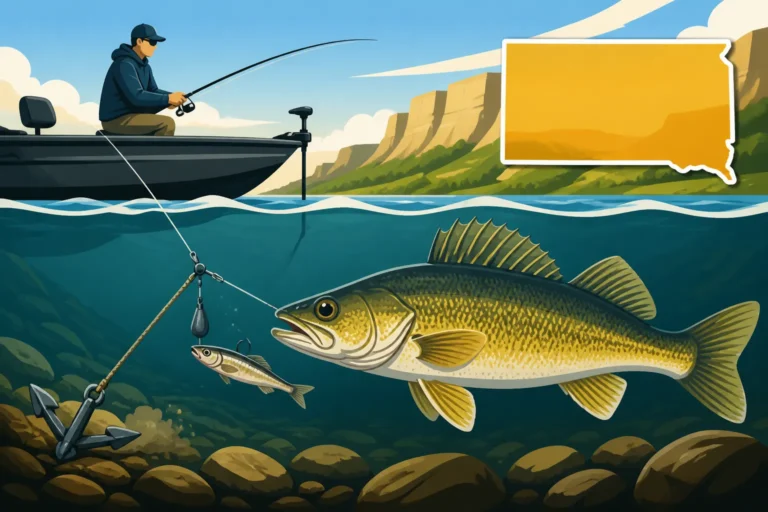
When it comes to techniques, early mornings are fantastic for jigging, particularly on the Missouri River system where current is a factor. A well-placed jig-and-minnow or a soft plastic presentation can be deadly. Trolling crankbaits in shallower bays or along contours can also be incredibly effective as fish move to feed. You can find excellent options for these baits on Amazon, often with quick delivery if you need to stock up before your trip.
Key Considerations for Morning Success
To truly capitalize on the early morning bite, you need a plan. Walleye aren't just everywhere; they're usually relating to specific structures.
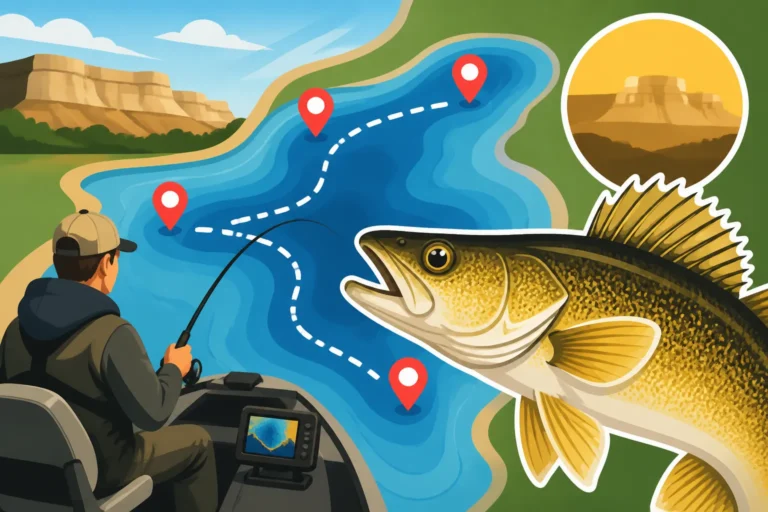
Finding Fish on Structure: Before the sun comes up, walleye will often stage near points, humps, reefs, or the edges of flats that lead to deeper water. They might be just off these structures in slightly deeper water, waiting for the light to drop enough to move up. Using your electronics to locate baitfish schools and any prominent structure nearby is key. Pay attention to sudden depth changes.
Bait Choices: Live bait, especially minnows or nightcrawlers, are often irresistible to walleye in the low light of morning. Rigged on a jig or a slip bobber, they mimic the natural prey walleye are actively hunting. Artificial lures like crankbaits (think Rapala Shad Raps or Berkley Flicker Shads) or paddle tail swimbaits are also excellent choices, particularly those with a strong vibration or flash that can be detected in low light. For a deeper dive into bait, consider our guide on Best Lures for South Dakota Walleye.
Weather Impacts: An overcast morning, perhaps with a light chop on the water, can prolong the walleye bite well past sunrise. The cloud cover essentially extends that low-light period. Conversely, a clear, calm morning with a rapidly rising sun can shut down the bite quickly. Cold fronts can also put fish in a funk, making them less active regardless of the time of day. Always keep an eye on the forecast and consult our Wind and Weather Fishing Tips.
The Allure of Evening Walleye Fishing in South Dakota
While mornings are fantastic, there's a unique magic to an evening walleye bite. As the day cools down and the sun begins its descent, many anglers find a renewed sense of hope and often, renewed action.
Why Dusk Can Be Dynamic
Just like the rise of the sun, the setting sun creates another prime low-light window where walleye become significantly more active. As the light dims, fish that have been holding in deeper water or heavy cover throughout the day begin to migrate into shallower feeding areas. This movement makes them much more accessible and aggressive.
Evening fishing can be particularly dynamic because fish are often transitioning from their daytime hiding spots to their nighttime feeding grounds. This transition can make them predictable, especially on certain structures. For instance, on Lake Sharpe, walleye might move from the main river channel onto adjacent sand flats or shallow rocky points as dusk approaches. On Lake Oahe, they might push up onto extensive mud flats to chase forage.
The twilight hours also open up the possibility of night fishing, which can be incredibly productive for walleye in South Dakota, especially during the warm summer months. If local regulations allow, fishing after dark can sometimes produce the largest walleye, as these trophy-sized fish are often the most cautious during daylight. For those who embrace the nocturnal angling adventure, our article on How to Catch Walleye at Night in Summer offers some fantastic insights.
Maximizing Your Evening Opportunities
Just like morning fishing, evening success hinges on understanding fish movement and applying the right techniques.
Tactics for Twilight: As the sun sets, crankbaits, especially those that run in the 8-15 foot range, become incredibly effective. Trolling these baits along contours, across flats, or around prominent points can intercept actively feeding fish. Jigging with a soft plastic or a jig-and-minnow combo can also work wonders, especially if you're targeting specific humps or rock piles. Slip bobbers rigged with a live minnow or a leech can be lethal when fish are suspended or feeding in a specific depth in shallower areas, allowing for a stealthy presentation.
Transition Periods: The key to evening success is often recognizing and exploiting the transition. Walleye will move shallower, often following baitfish that are also moving. Focus on the routes they might take: submerged points, weed line edges, or shallow bars that lead from deep water to shallower feeding areas. The hour leading up to sunset and the hour after can be your most productive window.
Predator Behavior: In the dimming light, walleye become apex predators. They are less wary of boats and noise, allowing anglers to get closer to productive areas. They will actively chase down bait, so presentations that mimic fleeing baitfish, like a fast-retrieved crankbait or a snapping jig, can trigger aggressive strikes. Many popular lures and rods are readily available on Amazon, ensuring you're geared up for that crucial evening bite.
Factors Beyond Time of Day: The Bigger Picture
While morning and evening are generally top contenders, focusing solely on the clock misses a huge part of the walleye puzzle. Several other environmental factors can influence the bite even more than the time of day.
Weather, Water Temperature, and Clarity
You could hit the water at the perfect time, but if the weather or water conditions aren't right, the bite can be tough.
Overcast Days: As mentioned, heavy cloud cover can extend the low-light advantage for walleye. On a completely overcast day in South Dakota, walleye can often be caught throughout much of the day, blurring the lines between "best" morning or evening times. The consistent dimness keeps them active and feeding.
Post-Front Conditions: A strong cold front rolling through, especially one that brings high pressure and clear skies, can completely shut down a walleye bite for a day or two, regardless of the time you're fishing. Fish often become lethargic and tight-lipped. Waiting for the weather to stabilize after a front is often more important than the exact time of day.
Water Temperature: Walleye are most active and comfortable within a certain temperature range. While this varies by season, generally, they prefer water temperatures from the low 50s to the low 70s Fahrenheit. If the water is too cold (like early spring or late fall) or too hot (mid-summer in shallow bays), their activity can decrease. Understanding What Water Temperature Walleye Prefer is crucial.
Impact of Clarity: Water clarity also plays a significant role. In extremely clear water, walleye will be even more sensitive to light and may only feed in the deepest, darkest conditions, or during very brief twilight windows. In stained or muddy water, the light penetration is naturally reduced, allowing walleye to feed more freely throughout the day, though they'll still likely exhibit peak activity during dawn and dusk.
Location, Forage, and Pressure
Even with perfect timing and weather, you still need to be where the fish are and understand their food source.
Deep Structure vs. Shallow Flats: Walleye constantly move between deep water (for safety and comfort during bright periods) and shallower feeding flats (for hunting). Understanding this migratory pattern on your chosen lake, whether it's Lake Francis Case or a smaller Glacial Lake, is paramount. In spring, they'll be shallower. In summer, they'll be deeper during the day but move up at night. In fall, they might be everywhere. Learning South Dakota Fishing Depth Charts by Season can give you an edge.
Baitfish Movements: Walleye follow their food. If the baitfish (shad, smelt, perch, shiners) are schooling in a particular area or depth, the walleye won't be far behind. Often, during low light, these baitfish will move shallower, drawing the walleye with them. Paying attention to baitfish on your fish finder or observing their activity on the surface can point you to the walleye.
Fishing Pressure: This is a factor many overlook. Heavily pressured lakes, especially those close to population centers or with easy access, can make walleye much warier. On these lakes, early mornings before the crowds arrive or late evenings after they've left can be the absolute best times to fish, as the fish are less disturbed and more willing to bite. Always remember to secure your South Dakota Online Fishing License Purchase before heading out!
Morning vs. Evening Walleye Fishing in South Dakota
To help summarize the general differences and strengths of each time frame, here's a quick comparison:
| Factor | Early Morning (Dawn Patrol) | Evening (Dusk to Dark) |
|---|---|---|
| Light Conditions | First light, gradually brightening | Dimming light, gradually darkening, potential for night fishing |
| Walleye Activity | Often moving from deep to shallow, aggressive feeding | Often moving from deep to shallow, aggressive feeding |
| Boat Traffic | Generally lighter in the earliest hours | Can be heavy leading up to dusk, then thins out post-dark |
| Temperature | Coolest part of the day, steadily warming | Cooling down, often comfortable |
| Baitfish Movement | Baitfish often moving shallower, dispersing | Baitfish often moving shallower, schooling, can be active |
| Tactics Shine | Vertical jigging, shallow trolling, casting soft plastics | Trolling crankbaits, slip bobbers, casting stickbaits |
| Best Seasons | Spring, Fall (can be great year-round) | Summer, Fall (can be great year-round, night fishing in summer) |
| Atmosphere | Peaceful, quiet, cool | Serene, cooler, transition into night |
The Verdict: Both are Excellent, But Adaptability is Key!
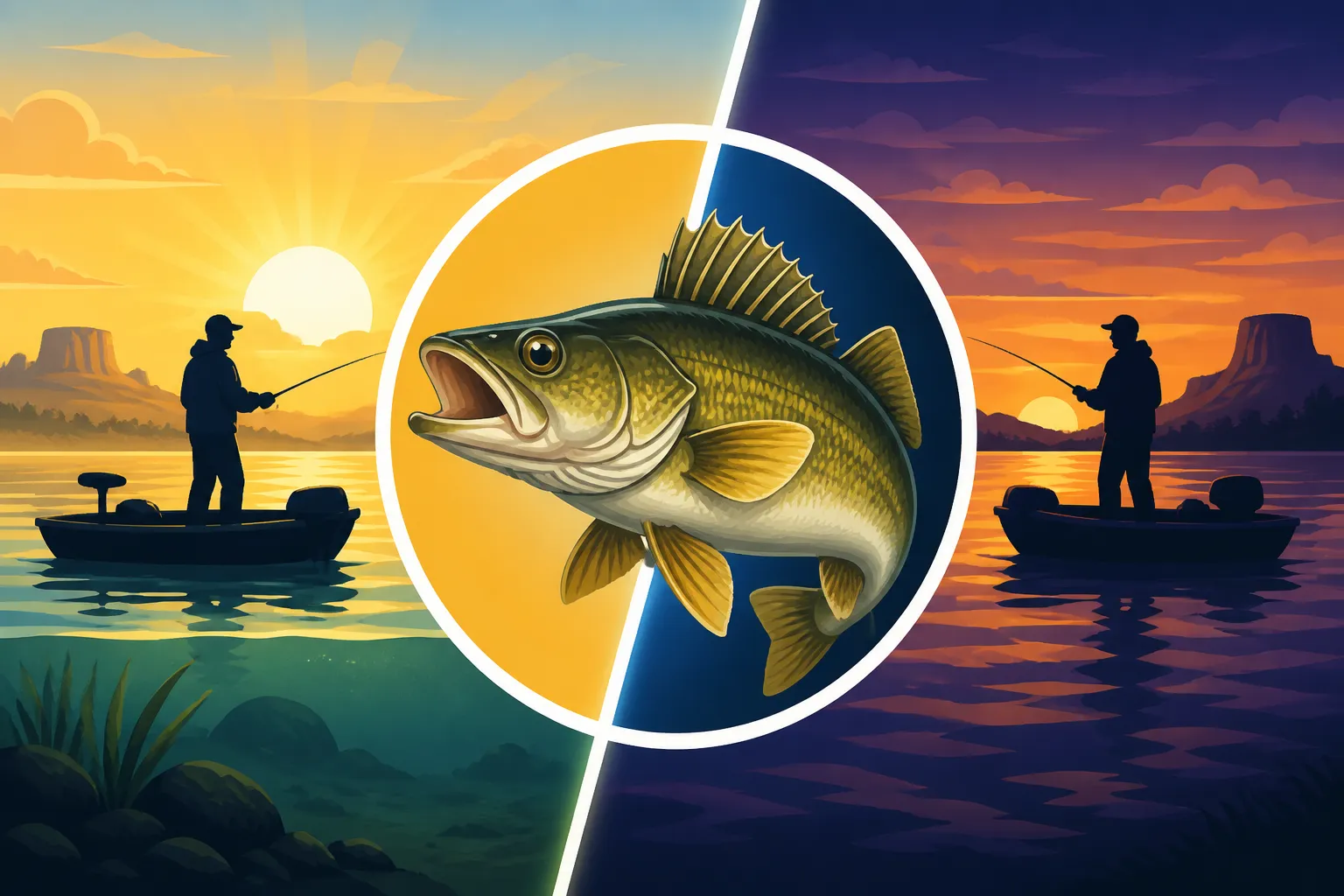
So, which is truly better? The honest answer is: it depends! Both early morning and late evening offer prime low-light conditions that walleye absolutely thrive in, making them excellent times to be on the water in South Dakota. Many seasoned anglers will tell you that the hour around sunrise and the hour around sunset are often the most productive windows you'll find all day.
However, the "better" time often boils down to a combination of factors: the specific season, the prevailing weather conditions, the type of water body you're fishing, and even your personal preference. During the scorching summer, the evening bite that extends into the cooler night hours might edge out the morning. In the spring or fall, with moderate temperatures and often overcast skies, both periods can be equally phenomenal, sometimes even extending into an all-day bite.
The true secret to consistent walleye success in South Dakota isn't about rigidly sticking to one time of day, but rather being adaptable and observant. Pay attention to the conditions, watch your fish finder, observe what the fish are doing, and be willing to adjust your strategy. Often, the best time to fish is simply when you can get out there. The important thing is to understand why these low-light periods are so productive and to target the fish when they are most active. Whether you're a dawn patrol enthusiast or a twilight hunter, understanding the nuances will significantly improve your chances of a successful walleye outing!
Disclaimer
Fishing conditions and regulations can change. Always consult the latest South Dakota Game, Fish and Parks (GFP) fishing regulations handbook before heading out on the water. This guide is for informational purposes only and does not supersede official regulations.