When Walleye Spawn in South Dakota
It's a common dilemma for anglers: you hit your favorite walleye spot in early spring, full of anticipation, only to find the fish are acting completely different. Sometimes they're super aggressive, other times they're nowhere to be found, or they're just not interested in anything you're throwing. This often comes down to one critical event: the walleye spawn. Understanding when walleye spawn in South Dakota, what triggers it, and how it impacts their behavior is absolutely essential for consistently putting fish in the boat, and this guide will break down everything you need to know to navigate this crucial period.
Understanding the Walleye Spawn Cycle in South Dakota
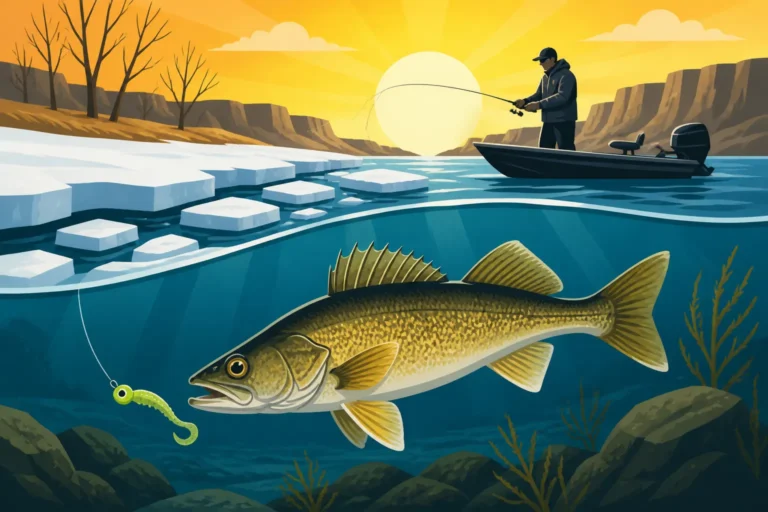
The walleye spawn is a truly fascinating and foundational event in their annual life cycle, dictating where they go, what they eat (or don't eat), and how aggressively they might strike. In South Dakota, this isn't a single, uniform event that happens everywhere at once. Instead, it’s a dynamic process influenced heavily by the specific conditions of each water body. Broadly speaking, walleye in South Dakota undertake their spawning rituals sometime between late March and early May, depending on the particular lake or river system. It’s a relatively short, intense period, usually lasting about one to three weeks in any given location once conditions are right.
For many local anglers, anticipating the spawn is half the battle. You see the ice come off, feel that first breath of truly warm spring air, and your mind immediately goes to where those walleye might be gathering. The fish are driven by an instinctual urge that's much stronger than any hunger pangs for a good part of this cycle, which is why understanding their reproductive timetable is so vital. It’s a time of profound change, not just for the fish, but for the entire aquatic ecosystem, and it reshapes fishing patterns dramatically for weeks on end.
The Critical Role of Water Temperature
If there’s one single factor that dictates when walleye spawn, it's water temperature. Think of it as the master key that unlocks their reproductive drive. While air temperatures can fluctuate wildly in South Dakota's spring, it's the stable, rising water temperature that walleye cue into. The generally accepted sweet spot for walleye spawning in South Dakota is when water temperatures consistently hold between 40 and 50 degrees Fahrenheit. Some sources might say 42-48°F, others 45-50°F, but the key is that gradual, sustained warmth. Once the water hits the low 40s, the males often move into spawning areas, staging and waiting. As it creeps into the upper 40s, the females join them, and the real action begins.
The impact of water temperature isn't just about initiating the spawn; it also influences its duration and intensity. A rapid warm-up can compress the spawn into a shorter, more furious period, while a slow, drawn-out spring with fluctuating temperatures can extend it, making it more challenging to pinpoint peak activity. This is why having a good understanding of Reading Water Temperature for Walleye is so critical. Anglers often keep a close eye on water temperatures using their boat's fish finder or even a simple handheld thermometer, many of which are easily found on Amazon, to track these vital shifts. Without knowing the water temp, you're essentially fishing blind during this critical time.
Key Locations for Walleye Spawning
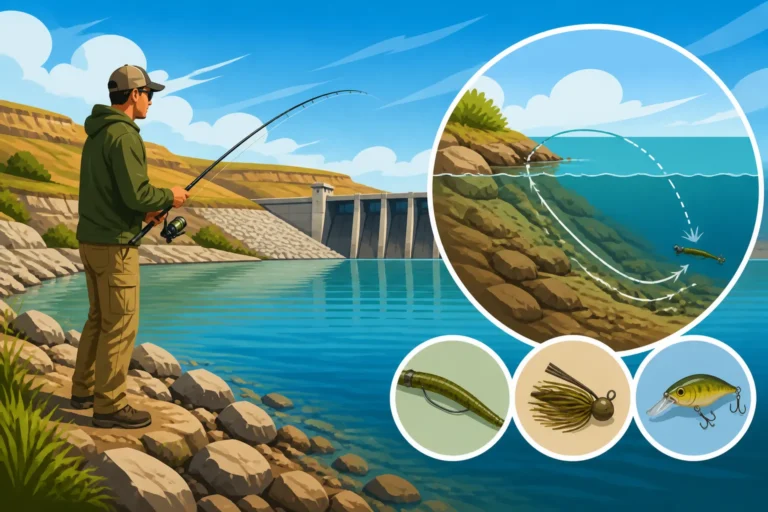
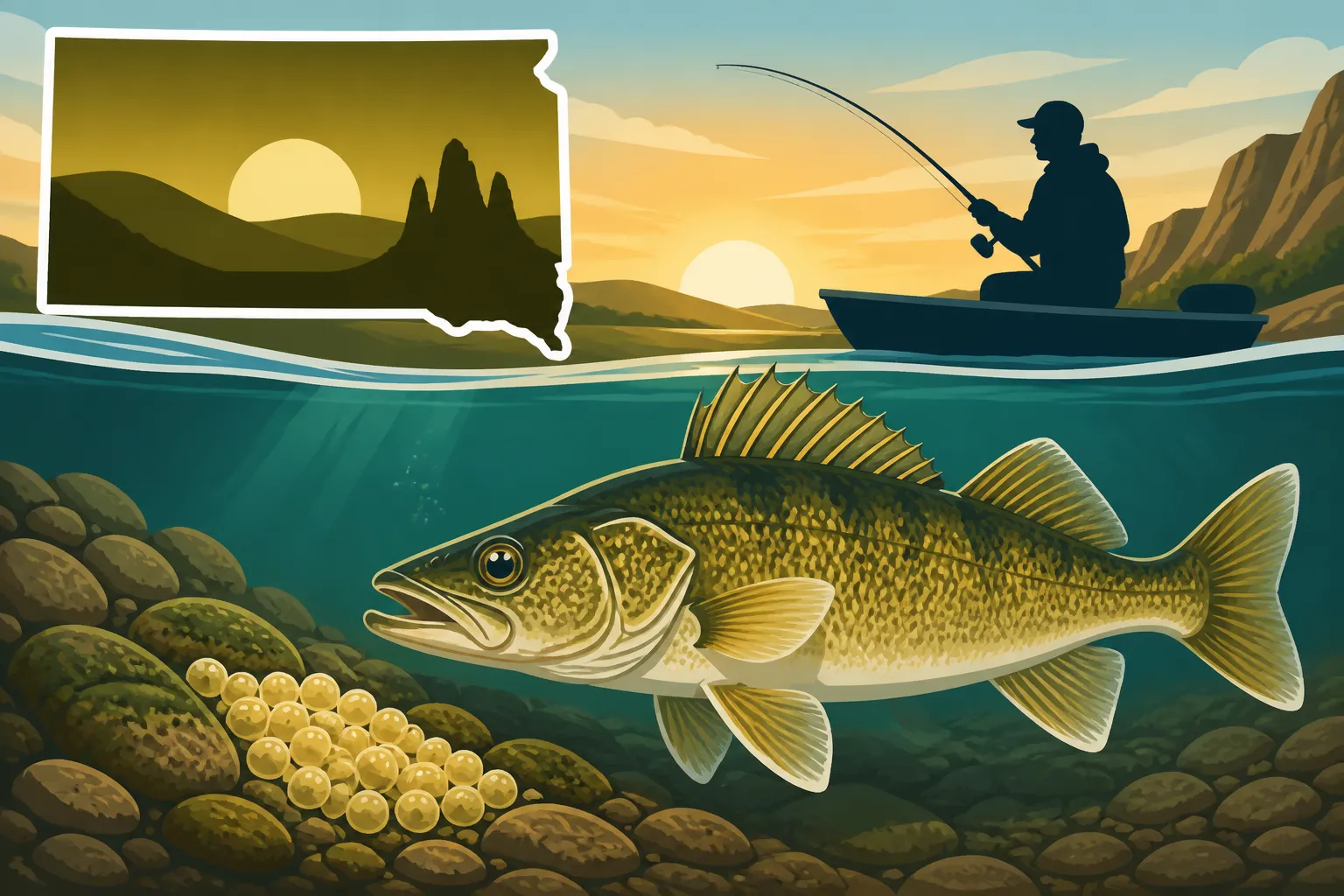
Walleye aren't picky about where they spawn as long as the conditions are right for their eggs to survive. They are primarily broadcast spawners, meaning they scatter their eggs over hard, rocky, or gravelly bottoms in moving water or areas exposed to wave action. This helps ensure good oxygenation and prevents silt from smothering the eggs. You won’t find them building elaborate nests like bass. Instead, they seek out specific types of structure within a body of water that provide these ideal conditions.
In the vast Missouri River system, this means focusing on rocky shorelines, riprap along causeways, dam faces, and river main channel areas with current. On the natural glacial lakes of eastern South Dakota, walleye will often gravitate towards rocky points, wind-swept shorelines, and gravelly shoals where the waves provide that essential aeration. Understanding these preferred spawning habitats is crucial because it tells you exactly where to concentrate your efforts during the pre-spawn staging and post-spawn recovery periods. It's about knowing where they need to be for this biological imperative.
Timing the Walleye Spawn Across South Dakota Waters
While the 40-50 degree Fahrenheit rule of thumb applies statewide, the actual calendar dates for the walleye spawn can vary significantly from one region of South Dakota to another. The sheer size of the state, combined with differences in lake depths, river currents, and geographic location, means that spring arrives and water warms up at different rates. Anglers often talk about a "progression" of the spawn, starting in the southernmost, shallower waters and moving northward or to deeper lakes as the season progresses. This regional variation is a key piece of information for anyone planning a South Dakota Fishing Seasons Explained itinerary.
For example, a lake in southeastern South Dakota might see its walleye spawn peak in early April, while a large, deep reservoir in the central part of the state might not experience its peak until late April or even early May. Being aware of these regional differences can help you plan your fishing trips strategically, potentially allowing you to "follow the spawn" for extended opportunities. It also means that fishing tactics that work perfectly in one area during the spawn might be completely ineffective just a couple of weeks earlier or later in another.
Missouri River System Walleye Spawn
The Missouri River system, comprised of the massive reservoirs like Lake Oahe, Lake Sharpe, Lake Francis Case, and Lewis and Clark Lake, is truly the heart of South Dakota Walleye Fishing Guide. The spawn here is a complex affair, influenced by river currents, dam operations, and the sheer volume of water. Generally, walleye in the lower Missouri River reservoirs, such as Lewis and Clark Lake and Lake Francis Case, tend to spawn earlier, often beginning in late March and peaking in early to mid-April. These lakes often warm up quicker due to their relative shallowness in certain areas and more southerly location.
As you move north to Lake Sharpe and then further north to Lake Oahe, the spawn typically occurs later. Lake Sharpe walleye might begin spawning in mid-April, with the peak often hitting late April. On the colder, deeper waters of Lake Oahe, the spawn is usually the latest, sometimes not fully kicking off until late April and extending into early May. Areas below the dams, with their consistent current and rocky bottoms, are prime spawning grounds, drawing fish from miles around. Remember, during the spawn, fish may not be actively feeding, making these areas productive for locating fish, but challenging for getting them to bite aggressively. Anglers should consult the South Dakota GFP Fishing Handbook Guide for specific regulations related to these areas, especially regarding any spawning closures or limits.
Glacial Lakes Region Walleye Spawn
The Glacial Lakes region of northeastern South Dakota offers a different spawning scenario. These natural, shallower lakes, like Lake Kampeska, Lake Poinsett, and Bitter Lake, are often among the first to lose their ice cover and warm up in the spring. As a result, walleye here tend to spawn on the earlier side of the statewide window, often starting in early April and peaking by mid-April. The shallower nature of many of these lakes means they absorb solar radiation more efficiently, accelerating the warming process.
Walleye in these lakes will often utilize wind-swept rocky points, gravelly shorelines, and shallow reefs where wave action helps aerate the eggs. Anglers targeting South Dakota Glacial Lakes Walleye Fishing during this time will find fish staging in these areas, particularly during low-light conditions. While the fish are focused on reproduction, the periods immediately before and after the peak spawn can offer some incredible fishing as walleye feed aggressively to fuel up or recover. Keep an eye on local reports, as a prolonged cold snap can easily delay the spawn by a week or more in these systems.
Black Hills Area Considerations
While the Black Hills region is primarily renowned for its fantastic trout fishing, with streams like Rapid Creek and Spearfish Creek holding beautiful brown and rainbow trout, walleye fishing is not its main draw. However, some reservoirs in the surrounding areas, like Belle Fourche Reservoir and Angostura Reservoir, do hold walleye populations. The timing of the walleye spawn in these western South Dakota reservoirs tends to align more closely with the central Missouri River system, usually occurring in late April to early May, due to higher elevations and typically colder spring temperatures.
It's important to remember that the focus for most anglers in the Black Hills during spring is on the trout. If you're looking for South Dakota Trout Limits in the Black Hills, you'll be more concerned with stream flows and insect hatches than walleye spawning temperatures. However, for those keen on catching walleye in the western part of the state, applying the same temperature-driven principles to reservoirs like Belle Fourche will still be key, albeit with a slightly later calendar window.
Impact of the Walleye Spawn on Fishing Opportunities
Knowing when walleye spawn isn't just about biology; it's about strategizing your fishing trips to maximize your chances of success. The spawn fundamentally changes walleye behavior, making certain times incredibly productive and others notoriously tough. You can't just throw the same lure in the same spot at the same time and expect results during this dynamic period. This is where understanding the pre-spawn, spawn, and post-spawn phases becomes your biggest advantage for Best Time of Year to Fish in South Dakota.
The goal isn't necessarily to target actively spawning fish, as they are often lethargic and protected by regulations, but rather to understand their movements and feeding patterns around the spawning event. This allows you to intercept them when they are most willing to bite. Many anglers consider the pre-spawn period to be one of the absolute best times for catching large, heavy female walleye as they gorge themselves before the energy-intensive act of laying eggs.
Pre-Spawn Fishing Strategies
The pre-spawn period is arguably the most exciting time for walleye anglers in South Dakota. As water temperatures begin to climb into the upper 30s and low 40s, walleye, particularly the large females, start to move out of their deeper wintering holes and stage near spawning grounds. They are incredibly hungry, trying to pack on as much energy as possible for the upcoming reproductive effort. This makes them aggressive feeders, and if you can find them, you're often in for a treat.
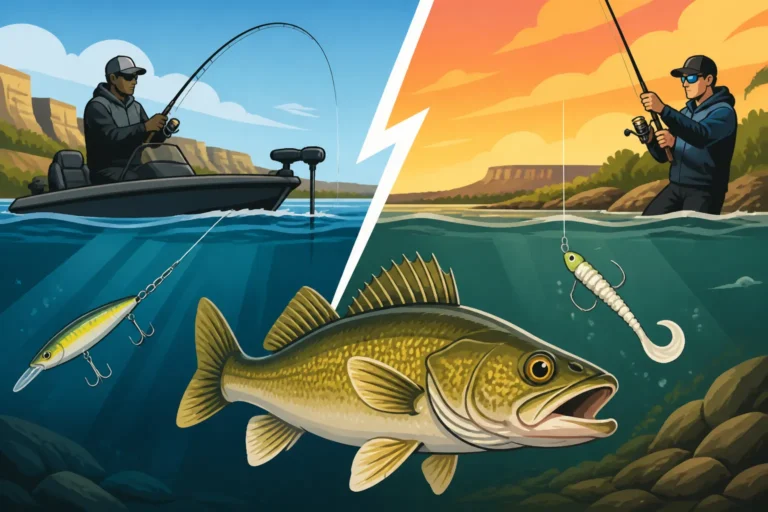
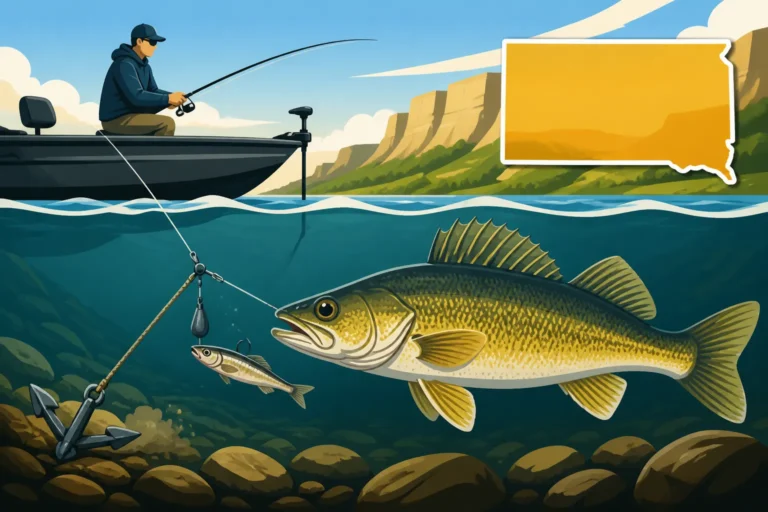
During this time, focusing on transition areas is key: points leading to spawning flats, humps, and the edges of channels near shallower spawning areas. Fish will often be concentrated in these deeper approaches before making their final move into the shallow rocks. Techniques like slow trolling with larger crankbaits (especially those with a strong wobble to attract attention), vertical jigging with minnows or plastics, and How to Fish a Jig and Minnow Combo are highly effective. The walleye are looking for a substantial meal, so don't be afraid to use larger presentations. This is also a fantastic time to use a fish finder to locate schools of staging fish before they disperse to spawn.
Post-Spawn Fishing Challenges and Solutions
Once the spawn is complete, walleye enter a recovery phase, which can be notoriously challenging for anglers. Females are exhausted and need time to recuperate, often retreating to deeper water. Males, having spent less energy, might hang around the spawning grounds for a bit longer, but they too become less aggressive. Water temperatures will continue to rise into the low to mid-50s, signaling a shift in their behavior and metabolism.
During this post-spawn period, walleye often become lethargic and scattered. They won't be as concentrated as during the pre-spawn, and their feeding windows can be short and unpredictable. Patience becomes a virtue. Focus on the first available deeper cover near spawning areas, such as break lines, submerged timber, or rocky humps in slightly deeper water. Slower presentations, like a live bait rig with a juicy nightcrawler, or How to Rig a Slip Bobber for Walleye with a leech or minnow, can be very effective. South Dakota Spring Walleye Fishing Techniques should adapt to slower, more subtle presentations. Don't be afraid to downsize your lures or use natural baits to entice these recovering fish. They’re still there, just not as eager to chase down a fast-moving meal.
Ethical Considerations During the Spawn
It's important to touch on the ethical side of fishing during the walleye spawn. While fishing before and after the spawn is highly productive, directly targeting actively spawning walleye can sometimes put undue stress on the fish and potentially impact future populations. Many anglers choose to avoid directly disturbing fish on active spawning beds. Furthermore, some areas, especially critical spawning habitat, might have special South Dakota Fishing Regulations Explained or even temporary closures during the spawn to protect the fish.
Always check the latest South Dakota Fishing License Guide and regulations from the South Dakota Game, Fish and Parks (GFP) department. It’s not just about what’s legal, but about what contributes to a healthy, sustainable fishery for generations to come. Practicing catch-and-release, especially for larger, egg-laden females in the pre-spawn, is a great way to ensure these trophy fish get to complete their reproductive cycle. Be gentle, handle fish minimally, and release them quickly to give them the best chance of survival.
Factors Influencing Walleye Spawning
Beyond the primary trigger of water temperature, several other environmental and ecological factors can subtly—or sometimes dramatically—influence the timing, success, and even the duration of the walleye spawn in South Dakota. It's a complex dance between fish biology and the surrounding environment, and a seasoned angler learns to read these subtle cues almost instinctively. Ignoring these secondary factors can lead to confusion and frustration, as what worked perfectly last year might not apply if conditions have changed.
For instance, a particularly harsh winter or an unusually rapid spring melt can alter the entire spawning dynamic. These factors interact in ways that can either condense the spawn into a short, intense window or stretch it out over a longer, more inconsistent period, directly affecting South Dakota Fishing Seasons Explained and your chances of success. Understanding these nuances makes you a more adaptable and ultimately more successful angler.
Weather Patterns and Water Levels
South Dakota weather is famously unpredictable in the spring. A stretch of beautiful, warm, sunny days can quickly be followed by a sharp cold front, even a late-season snowstorm. These rapid temperature swings, especially those that cool down the shallow water, can temporarily halt or delay the walleye spawn. Fish will often retreat to slightly deeper, more stable water until conditions improve. This is why a consistent warming trend is more important than a few isolated warm days.
Water levels also play a significant role, particularly on the Missouri River reservoirs. High water levels due to spring runoff can flood new areas, creating new spawning habitat or submerging existing ones too deeply. Conversely, unusually low water can expose traditional spawning grounds, rendering them unusable. Strong winds, while providing valuable aeration for eggs, can also churn up sediments, reducing visibility and potentially affecting egg survival in exposed areas. Monitoring long-range weather forecasts and local water level reports from the Army Corps of Engineers is crucial for anticipating spawning conditions.
Lake Dynamics and Fish Population Health
Each lake and reservoir in South Dakota has its own unique dynamics that can influence the walleye spawn. Deeper, larger bodies of water like Lake Oahe take longer to warm up and cool down, leading to a later and potentially more stable spawn. Shallower, smaller lakes in the Glacial Lakes region will react much more quickly to air temperature changes. The presence of adequate spawning habitat – those crucial rocky and gravelly areas – is also paramount. Lakes with limited suitable habitat might see more concentrated spawning activity.
Finally, the overall health and size of the walleye population within a specific water body will also affect the spawn. A healthy population with a good mix of age classes will generally have a more robust and successful spawn. Factors like forage availability (What Walleye Eat in Summer), fishing pressure, and environmental stressors can all impact the overall condition of the fish and their reproductive success. The South Dakota Game, Fish and Parks department diligently monitors these populations, and their South Dakota Fish Stocking Report Basics often provide valuable insights into the state of the fishery. A strong spawn in one year often translates to excellent fishing opportunities for that year class a few years down the line.
Here’s a quick overview of typical walleye spawning windows in key South Dakota waters:
| Water Body Type / Location | Typical Spawning Window | Key Water Temperature Range | Notes on Spawning Habitat |
|---|---|---|---|
| Lower Missouri River (e.g., Lewis & Clark, Francis Case) | Late March – Mid-April | 40-48°F | Riprap, rocky points, dam faces, main channel current breaks. |
| Central Missouri River (e.g., Lake Sharpe) | Mid-April – Late April | 42-50°F | Rocky shorelines, shallow points, submerged humps, tailwaters. |
| Upper Missouri River (e.g., Lake Oahe) | Late April – Early May | 44-50°F | Wind-swept rocky points, gravelly shorelines, reservoir main lake areas. |
| Glacial Lakes (e.g., Kampeska, Poinsett) | Early April – Mid-April | 39-47°F | Rocky points, gravel shoals, wind-blown shallow banks. |
| Black Hills Reservoirs (e.g., Belle Fourche, Angostura) | Late April – Early May | 42-50°F | Dam faces, rocky shorelines, gravel bays. |
This table provides general guidelines. Always consult the most current South Dakota GFP regulations and local fishing reports for precise timing and conditions in any given year.
Disclaimer
The information provided in this guide is for general informational purposes only and is subject to change. Always consult the official South Dakota Game, Fish and Parks (GFP) regulations and guidelines before planning any fishing trip. Fishing regulations, license requirements, and season dates can vary by location and time of year.