South Dakota Missouri River Fishing Techniques
The Missouri River in South Dakota can be an intimidating expanse of water, offering incredible fishing but also presenting unique challenges from its strong currents, diverse habitats, and massive reservoirs. Many anglers feel overwhelmed by its sheer size and wonder how to even begin tackling such a legendary fishery. This guide is designed to cut through that confusion, providing you with a deep dive into proven techniques and strategies to successfully navigate and fish South Dakota's mighty Missouri River, no matter your experience level.
Understanding the Mighty Missouri River
The Missouri River, as it flows through South Dakota, isn't just a river; it's a series of massive reservoirs – Lake Oahe, Lake Sharpe, Lake Francis Case, and Lewis and Clark Lake – each with its own character, depths, and fish populations. This creates an incredibly diverse fishing environment, from the deep, clear waters of Lake Oahe to the more riverine sections and the expansive, often wind-swept lower lakes. Understanding these distinct sections is the first step to unlocking their secrets.
River Sections and Their Unique Challenges
Each of the four main reservoirs on the Missouri River presents a different fishing puzzle. Lake Oahe, the northernmost and deepest, behaves more like a massive inland sea, known for its incredible walleye and Chinook salmon populations. Its immense size means vast areas of open water, intricate submerged structure, and steep breaks. Further downstream, Lake Sharpe is shallower and more riverine, particularly in its upper reaches, with strong current seams, submerged islands, and abundant smallmouth bass and walleye opportunities. Lake Francis Case offers a blend of deep water and river characteristics, famous for its walleye, smallmouth bass, and catfish. Finally, Lewis and Clark Lake is the shallowest of the four, popular for its panfish, catfish, and walleye, often featuring numerous submerged stumps and weed beds. Anglers often struggle because they treat the entire system as one, rather than recognizing these distinct ecological zones and adapting their approach accordingly.
Successfully fishing these diverse environments requires a flexible mindset and an understanding of how current, depth, and structure interact. For example, the upper reaches of Lake Sharpe, closer to the Oahe Dam tailwaters, demand different techniques than the wider, slower sections further south. The strong current below the dams (like below Oahe Dam or Big Bend Dam) concentrates baitfish and predatory species, creating prime jigging and bottom-bouncing opportunities. Conversely, the vast, open water of Lake Oahe necessitates covering large areas with trolling techniques or utilizing advanced electronics to pinpoint isolated structure.
Knowing what lies beneath the surface in each section is paramount. The glacial gouges, flooded river channels, humps, and points vary greatly from lake to lake. Before hitting the water, taking time to study detailed lake maps – either physical ones or those integrated into your fish finder – can give you a significant advantage. This pre-fishing research helps you identify potential hotspots and understand the contours that will dictate where fish are likely to hold, whether you're chasing walleye on Lake Oahe or smallmouth bass on Lake Francis Case.
Key Fish Species to Target
The Missouri River system in South Dakota is a true multi-species fishery, but a few species stand out as angler favorites. Walleye are undoubtedly the crown jewel, found throughout all four reservoirs, with distinct patterns and sizes depending on the lake. Lake Oahe is renowned for its trophy walleye, while Lake Sharpe and Lake Francis Case offer consistent numbers. Smallmouth bass thrive in the rocky environments of Lake Sharpe, Lake Francis Case, and Lewis and Clark Lake, providing aggressive bites and acrobatic fights.
Beyond walleye and smallmouth, the Missouri River offers fantastic opportunities for other species. Lake Oahe is home to a robust population of Chinook salmon, especially around the Whitlock Bay area, which provides a unique cold-water fishery in the middle of the prairie. Catfish, both channel and flathead, are abundant throughout the river system, particularly in the lower lakes and the more riverine sections, offering powerful battles for those targeting them. Northern pike are also prevalent, especially in the shallower bays and upstream arms of the reservoirs, often lurking in weed beds.
Each species demands different approaches and understanding their behavior is key. Walleye, for instance, are often structure-oriented and light-sensitive, preferring deeper water or low-light conditions. Smallmouth bass, on the other hand, are typically ambush predators, holding tight to rocky cover and eager to chase down a well-presented lure. Understanding these basic behavioral traits for the species you're targeting will heavily influence your choice of technique and where you concentrate your efforts.
Seasonal Changes and Their Impact
Fishing on the Missouri River is a year-round affair, but the techniques you employ will shift dramatically with the seasons. The transition from ice-out to early spring brings shallow-water walleye and pike action, often near spawning areas. As waters warm in summer, fish move deeper to seek cooler temperatures and stable forage, requiring techniques like deep trolling or vertical jigging. Fall offers some of the most consistent and aggressive bites as fish gorge themselves in preparation for winter.
The seasons also dictate where fish are located within the massive river system. In spring, you might find walleye staging in shallow bays or upstream river sections, while in the peak of summer, they'll retreat to deep main lake humps and breaks. Fall sees them disperse but often in large feeding schools, making them susceptible to trolling passes across expansive flats. Even in winter, dedicated anglers brave the cold for fantastic South Dakota Ice Fishing Guide opportunities, targeting walleye and perch through the hardwater.
Monitoring water temperature and understanding how it affects fish metabolism and baitfish movement is critical throughout the year. For instance, in spring, as water temperatures creep into the 40s and 50s Fahrenheit, walleye become increasingly active. In summer, once temperatures soar into the 70s, many species become more lethargic during the day and feed more actively during low-light periods or in deeper, cooler zones. Observing these seasonal patterns and adapting your approach is a hallmark of a successful Missouri River angler.
Essential Gear for Missouri River Anglers
Tackling the Missouri River's vastness and varied conditions requires a thoughtful selection of gear. It's not just about having a rod and reel; it's about having the right tools for the job, from specific rod actions to a well-stocked tackle box and reliable electronics. Investing in quality gear, much of which can be found conveniently on platforms like Amazon, will significantly improve your comfort, efficiency, and success on the water.
Rod, Reel, and Line Setups
For walleye, the primary target on the Missouri River, a versatile medium-light to medium-heavy spinning rod (6'6" to 7'6") paired with a 2500 or 3000 series reel is a solid choice for jigging and casting. Look for a fast action tip for sensitivity to detect subtle bites, especially when jigging in current. For trolling, dedicated trolling rods in the 7' to 9' range with a moderate action are ideal, absorbing shock from boat movement and helping to keep crankbaits running true. Many anglers prefer baitcasting setups for heavier trolling applications.
Line choice is equally important. For jigging and vertical presentations, 8-10 lb braided line with a 6-10 lb fluorocarbon leader is a popular and effective combination, offering excellent sensitivity and low stretch. The fluorocarbon leader provides invisibility and abrasion resistance in clear water or around rocky structure. For trolling, 10-12 lb monofilament or a braided line with a mono or fluoro leader works well, with monofilament offering more stretch which can be beneficial when pulling crankbaits. Always check your line regularly for nicks and abrasions, especially after fishing around sharp rocks or zebra mussel beds.
For smallmouth bass, a slightly lighter setup, like a 6'6" to 7' medium-light spinning rod with a fast action, spooled with 6-8 lb braided line and a fluorocarbon leader, provides the sensitivity and casting distance needed for throwing smaller jigs, tubes, and crankbaits. For catfish, heavier gear is a must: a sturdy medium-heavy to heavy casting or spinning rod (7' to 9') with a robust reel spooled with 20-50 lb monofilament or braided line will handle the powerful runs of large channel and flathead cats.
Must-Have Lures and Baits
When it comes to lures for How to Fish for Walleye in South Dakota, jigs are indispensable for Missouri River anglers. Bucktail jigs, hair jigs, and soft plastic paddle tail or grub jigs (like those from Berkley or Strike King) in weights from 1/4 to 3/4 ounce are essential for working current seams and structure. Tipping these with a live minnow, a piece of crawler, or a soft plastic trailer can enhance their appeal. A variety of colors, from natural greens and browns to brighter chartreuse and orange, is crucial to match water clarity and fish preference.
Crankbaits are another walleye-catching powerhouse, especially for trolling. Deep-diving models (e.g., Rapala Shad Raps, Salmo Hornets, or Berkley Flicker Shads) that can reach depths of 10-30 feet are perfect for covering expansive flats and breaks. Medium-diving crankbaits work well for shallower trolling or casting. Spinner rigs, often called "crawler harnesses," featuring Colorado or Indiana blades and rigged with live nightcrawlers, are incredibly effective when walleye are scattered or hesitant to hit artificials. Having a selection of blade colors and sizes, from bright neons to metallic silver and gold, will allow you to adapt to various conditions.
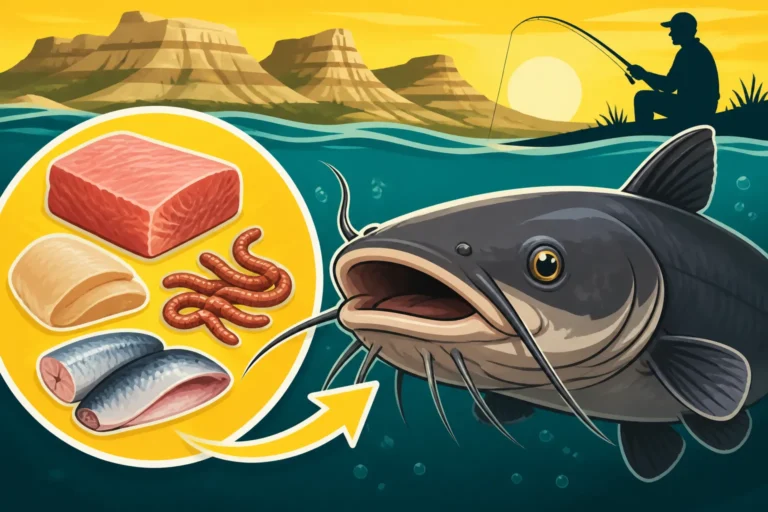
For smallmouth bass, a variety of baits works wonders. Tube jigs (like those from YUM or Gitzit) in natural colors are killer when dragged along rocky bottoms. Small crankbaits, jerkbaits, and soft plastic presentations like Ned rigs or drop shots are also highly effective. For catfish, cut bait (like shad, sucker, or sunfish), stink baits, and live bait like large shiners or bullheads are top producers. Don't forget a good supply of hooks (circle hooks are great for catfish), sinkers (bottom bouncers are essential for walleye), and swivels to complete your terminal tackle setup. Many of these essential items are readily available on Amazon, ensuring you're always prepared.
Electronic Aids and Boat Considerations
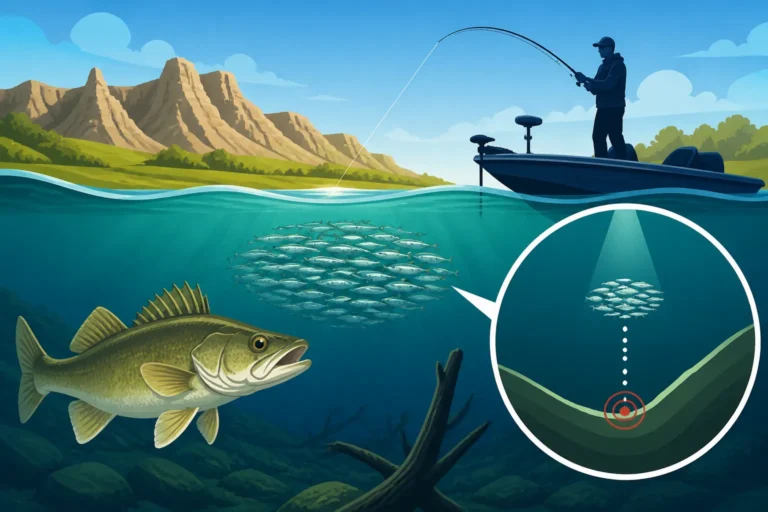
Fishing the massive Missouri River without quality electronics is like trying to navigate without a map. A good fish finder with GPS and mapping capabilities is an absolute game-changer. Units with side imaging and down imaging technology, like those offered by Humminbird or Lowrance, allow you to scan wide swaths of water and pinpoint structure, baitfish, and individual fish that traditional 2D sonar might miss. GPS is vital for marking productive spots, navigating vast waters, and returning to exact locations, especially on a featureless main lake hump.
Having a reliable boat suitable for big water is also crucial. A deep-V hull, typically 18-20 feet or longer, provides stability and safety in choppy conditions that can arise quickly on these large reservoirs. A powerful, dependable outboard motor is essential for covering long distances and safely getting back to the ramp. Many anglers also equip their boats with a quality electric trolling motor (Minn Kota or MotorGuide) with GPS spot-lock features, which allows for precise boat positioning when jigging or holding over structure in current without constantly running the main engine.
Beyond the boat itself, having all the necessary South Dakota Boat Safety Requirements on board is non-negotiable. This includes enough life jackets for everyone, a throwable flotation device, a fire extinguisher, signaling devices (like a horn or whistle), and navigational lights if you plan to be out before sunrise or after sunset. A well-stocked first-aid kit is also a smart addition. Remember, safety always comes first, especially on waters as formidable as the Missouri River.
Walleye Fishing Techniques on the Missouri River
Walleye are the prized catch on the Missouri River, and anglers employ a variety of techniques to tempt these elusive fish. From active jigging in current to covering vast waters with trolling, each method has its time and place, often dictated by season, water conditions, and the specific section of the river you're fishing. Mastering these techniques is central to consistent walleye success.
Jigging in Current and Around Structure
Jigging is arguably one of the most effective and classic techniques for walleye on the Missouri River, particularly in the riverine sections and below the dams where current is a factor. The key is to present your jig naturally, allowing the current to impart action while maintaining bottom contact. Popular spots include current seams, the scour holes below dams, the edges of submerged islands, and deep breaks. A 1/4 to 3/4 ounce jig (depending on current and depth) tipped with a live minnow, a half crawler, or a soft plastic paddle tail is the standard.
When jigging in current, boat control is paramount. Many anglers use their electric trolling motor to hold precisely over a spot or slowly drift with the current, presenting jigs vertically. The retrieve typically involves a lift-fall motion, letting the jig hit the bottom, lifting it a foot or two, and then letting it fall back. Walleye often strike on the fall or when the jig is sitting still on the bottom. Pay close attention to your line for subtle taps or a feeling of added weight, as walleye bites can be very light. Using high-visibility braided line helps detect these nuanced bites.
Another effective jigging strategy is working prominent structure such as rocky points, humps, and submerged timber. Here, jigs can be cast out and slowly dragged or hopped back to the boat, mimicking a crawfish or a stunned baitfish. This is particularly effective in sections of Lake Sharpe and Lake Francis Case where rocky banks and underwater irregularities provide prime walleye habitat. Experiment with different jig weights and retrieves until you find what the fish are responding to on a given day, as walleye can be notoriously finicky.
Trolling with Crankbaits and Spinner Rigs
Trolling is a highly productive method for covering large areas of the Missouri River, especially on the expansive main lake basins of Lake Oahe, Lake Francis Case, and Lewis and Clark Lake. It's an excellent way to locate scattered schools of walleye or to target fish holding on vast flats or along deep contour lines. Crankbaits are a staple for trolling, with a wide variety of sizes, shapes, and colors designed to imitate baitfish. Matching the hatch (using crankbaits that mimic the local forage, like shad or cisco) is often key to success.
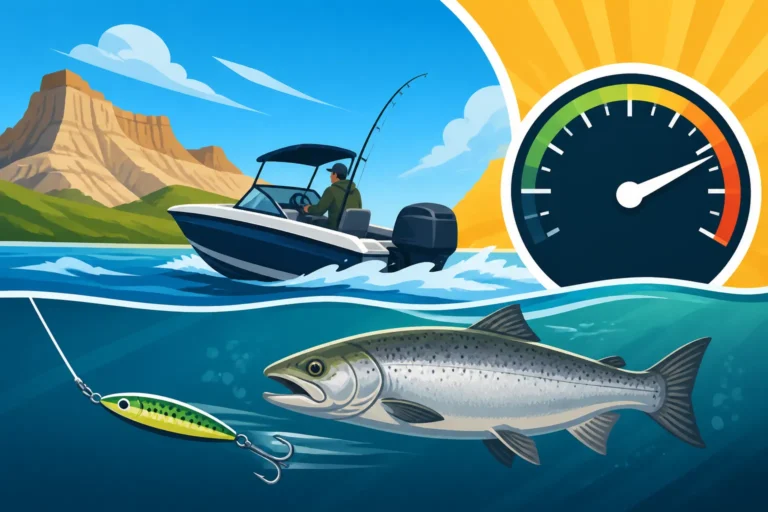
When trolling crankbaits, paying attention to speed and depth is critical. Generally, speeds between 1.5 to 2.5 mph are effective for walleye, but slight variations can make a big difference. Utilizing line counter reels helps precisely control how much line is out, which in turn dictates the running depth of your crankbait. Incorporating planer boards allows you to spread out multiple lines, covering a wider path and increasing your chances of intercepting active fish. You can find excellent quality crankbaits and planer boards from various brands on Amazon.
Spinner rigs, often called "crawler harnesses," are another incredibly effective trolling option, especially when walleye are feeding on soft-bodied prey or are less aggressive. These rigs typically consist of a blade (Colorado, Indiana, or willowleaf), beads, and two hooks, usually baited with a live nightcrawler. They are often fished behind a bottom bouncer, which keeps the bait near the lakebed without snagging as much. Varying blade size, color, and trolling speed (often slower, around 1.0-1.5 mph) can trigger bites when other methods fail. The vibration and flash of the blade, combined with the natural scent and action of the crawler, is often irresistible to walleye.
Slip Bobber and Live Bait Presentations
While less common than jigging or trolling on the truly vast sections, slip bobber fishing with live bait can be incredibly effective in certain Missouri River scenarios, especially in shallower bays, around submerged timber, or along gradual breaks. This technique allows you to present a live minnow or a nightcrawler at a precise depth, suspending it just above the fish or the cover they are holding in. It's particularly useful when fish are finicky or holding tight to specific structures where other methods are difficult to employ.
The beauty of a slip bobber rig is its versatility. You can cast it a good distance, and the bobber stopper allows your bait to fall freely to a predetermined depth, which can be adjusted quickly and easily. This is excellent for targeting walleye suspended over deep humps or near the edges of weed beds where they might be ambushing baitfish. A small jig head or a plain hook with a split shot, baited with a lively minnow or a juicy nightcrawler, are common presentations.
This method often shines during low-light conditions, like early morning, late evening, or even night fishing, when walleye move into shallower feeding areas. It’s also a fantastic technique for targeting walleye in slower moving sections or areas with less current, giving the fish more time to inspect the bait. Remember to use a sensitive bobber that signals even the lightest bite, as walleye can be master bait stealers. For those new to the system, exploring areas like the numerous bays and backwaters of Lake Francis Case Fishing Guide with a slip bobber can be a relaxing and rewarding experience.
Targeting Other Popular Species
While walleye often steal the spotlight, the Missouri River is a rich fishery brimming with other exciting species. Diversifying your approach to target smallmouth bass, catfish, northern pike, and panfish can lead to incredible angling adventures and fill your cooler (within South Dakota Walleye Limits and other species limits, of course) when the walleye bite is slow.
Smallmouth Bass on Rocky Points and Riprap
Smallmouth bass are feisty, hard-fighting fish that thrive in the rocky environments of the Missouri River reservoirs. They are particularly abundant in Lake Sharpe, Lake Francis Case, and Lewis and Clark Lake, where riprap banks, rocky points, and submerged rock piles provide ideal habitat. Smallmouth are aggressive predators, often holding tight to cover and ambushing prey.
Targeting smallmouth usually involves casting lures that imitate crawfish, baitfish, or insects. Tube jigs in green pumpkin or brown, rigged with an internal lead head, are deadly when dragged or hopped along the bottom near rocky transitions. Small crankbaits, jerkbaits, and spinnerbaits are also highly effective for covering water and triggering reaction strikes from active fish. During warmer months, topwater lures can provide explosive action, especially during low-light periods.
A key strategy for smallmouth is to focus on areas where rock meets deeper water, or where current sweeps over a rocky point. These locations concentrate baitfish and provide ambush points for bass. Casting parallel to riprap banks or fan-casting around rocky points are excellent ways to locate active fish. Don't be afraid to experiment with different retrieves; sometimes a fast, erratic retrieve works best, while other times a slow, methodical drag is what they're looking for.
Catfish in Deeper Channels and Slack Water
The Missouri River is a catfish paradise, with both channel catfish and flathead catfish growing to impressive sizes. Channel cats are widespread and aggressive, while flatheads prefer deeper, timber-laden holes and are often targeted with larger, live baits. Catfishing is particularly good in the lower reservoirs like Lake Francis Case and Lewis and Clark Lake, and in the slower-moving, muddier sections of the river.
For channel catfish, targeting deeper holes, the edges of river channels, and slack water areas out of the main current is often productive. Using a simple bottom rig with a heavy sinker and a circle hook baited with cut bait (shad, sucker, or sunfish chunks), stink bait, or even chicken livers is very effective. Cast your rig out, let it settle on the bottom, and wait for the distinctive "thump-thump" of a cat taking the bait. Fishing multiple rods with different baits can help you determine what the catfish prefer on any given day.
Flathead catfish are more solitary and prefer to lie in heavy cover such as submerged logs, rootwads, or rock piles in deeper water. They are primarily piscivorous, meaning they prefer live bait. Large live suckers, shiners, or bluegills (where legal) are prime choices, fished on stout gear with a heavy-duty circle hook. Night fishing is often the most productive time for flatheads, as they become more active hunters under the cover of darkness. Finding these deep, snag-laden holes requires some good sonar work, and once you find them, fish them thoroughly.
Northern Pike and Panfish Strategies
Northern pike are another exciting species to target, especially in the shallower, weed-choked bays and upstream arms of the Missouri River reservoirs. They are ambush predators with a voracious appetite and an aggressive strike. Look for them lurking along weed lines, around submerged timber, or in areas with patchy cover. Large spinnerbaits, spoons (like Dardevles or Johnson Silver Minnows), and shallow-running crankbaits are all excellent choices.
Pike often respond well to erratic retrieves that mimic a struggling baitfish. Casting and retrieving parallel to weed lines or around visible cover can be very effective. Since pike have razor-sharp teeth, using a steel leader or heavy fluorocarbon leader (at least 30-40 lb test) is essential to prevent bite-offs. Don't be surprised if you hook into a true trophy pike in these waters!
Panfish, including crappie, bluegill, and yellow perch, offer fantastic light-tackle action, especially for family outings or when other species are slow. Crappie are often found around submerged brush, bridge pilings, or flooded timber. Small jigs (1/16 to 1/8 ounce) tipped with a minnow or a tiny plastic grub are deadly. Bluegill and perch can be found in shallower, vegetated areas or near docks and other cover, often responding to small worms, pieces of crawler, or tiny jigs fished under a bobber. The Missouri River's diverse ecosystems ensure there's always something biting for panfish enthusiasts.
Seasonal Fishing Strategies
Fishing the Missouri River is a dynamic experience, constantly shifting with the seasons. What works in spring won't necessarily work in summer, and vice-versa. Understanding these seasonal patterns is crucial for consistent success, allowing you to anticipate fish movements and adjust your techniques accordingly.
Spring Tactics: Pre-Spawn and Early Season Action
Spring on the Missouri River is a time of awakening, both for the landscape and for the fish. As ice-out occurs and water temperatures slowly begin to climb into the 30s and 40s Fahrenheit, fish start moving towards shallower areas. This pre-spawn period is characterized by walleye staging near spawning grounds, often in shallower bays, protected upstream sections, or gradual points. This is when the South Dakota Spring Walleye Fishing Techniques really shine.
Early spring fishing often focuses on jigs tipped with minnows or soft plastics, slowly worked along the bottom. Walleye will be concentrated but often lethargic, requiring a slow, deliberate presentation. As temperatures rise into the 50s, the bite intensifies, and trolling shallow-running crankbaits can become very effective for covering water and finding active fish that are feeding more aggressively. Look for areas with slightly warmer water, often found in the shallower, darker-bottomed bays or areas receiving spring runoff.
Smallmouth bass also become active in spring, moving onto rocky flats and points as water temperatures reach the high 40s to low 50s. They'll readily hit tube jigs, small crankbaits, or Ned rigs. This is a fantastic time for shore anglers, too, as many species move closer to accessible banks. Remember that changing weather can bring cold fronts that temporarily slow the bite, so patience and adaptability are key.
Summer Strategies: Deep Water and Night Fishing
Summer brings warmer water, and with it, fish often retreat to deeper, cooler sections of the Missouri River. Walleye typically move to main lake humps, deep breaks, and the edges of the river channel, often suspending over baitfish schools. This is when deep trolling with crankbaits or spinner rigs becomes paramount, often utilizing lead core line or snap weights to get baits down to depths of 20-40 feet or more.
Vertical jigging over deep structure or schools of baitfish, often pinpointed with your fish finder, is another highly effective summer technique. Heavy jigs (1/2 to 1 ounce) tipped with plastics or a half crawler can tempt walleye holding tight to the bottom. During the heat of the day, walleye might become less active, leading many anglers to embrace Night Fishing Techniques for Summer Walleye. As the sun sets, walleye often move shallower to feed under the cover of darkness, making glow jigs or noisy crankbaits effective.
Smallmouth bass in summer will relate to deep rock piles, bluff walls, and submerged timber. Drop shot rigs, deep-diving crankbaits, and Carolina rigs are excellent choices for tempting these deeper bass. Catfish, on the other hand, love the warm summer water and will be very active, often found in deep holes or along channel edges, readily taking cut bait or stink bait. Keep an eye on current flows; fish will often stack up in predictable areas when the water is moving well.
Fall Fishing: Transition Bites and Feeding Frenzies
Fall on the Missouri River is a magical time for anglers, characterized by cooling water temperatures and fish gorging themselves in preparation for winter. This often leads to aggressive bites and some of the best fishing of the year. Walleye transition from their deep summer haunts to shallower flats and points, often in pursuit of migrating baitfish.
Trolling crankbaits and spinner rigs remains highly effective, but often in shallower depths than summer, as fish follow baitfish into shallower feeding areas. Jigging in current seams and on rocky points also becomes incredibly productive as walleye actively feed. Look for areas where schools of baitfish are present, often indicated by bird activity or marks on your fish finder. The pre-winter feeding frenzy can lead to incredible numbers of fish caught.
Chinook salmon on Lake Oahe make their annual spawning run in the fall, offering a unique opportunity for anglers. Chinook Salmon Spawning Run Dates on Lake Oahe are a highly anticipated event. Trolling large spoons or plugs near the Whitlock Bay area or casting from shore can yield impressive catches. Smallmouth bass also experience a fall feeding binge, becoming very aggressive on rocky points and main lake flats, hitting a variety of lures from crankbaits to jerkbaits and tube jigs.
Winter and Ice Fishing Considerations
For the intrepid angler, the Missouri River reservoirs offer fantastic South Dakota Ice Fishing Guide opportunities once the ice becomes safe (always check local conditions and ice thickness!). While the main lake bodies rarely freeze completely solid due to current and sheer size, many of the bays and upstream sections offer excellent hardwater access.
Walleye and yellow perch are the primary targets through the ice. Small jigs, spoons, and rattle baits, often tipped with a minnow head or a maggot, are fished vertically through holes drilled in the ice. Electronics, like flasher units or live sonar, are invaluable for locating fish and understanding their behavior beneath the ice. Drilling a series of holes and actively moving to find fish is often more effective than staying in one spot.
Safety is paramount during the winter months. Always fish with a buddy, carry ice picks, and be aware of changing ice conditions, especially near current areas or points. The upper reaches of Lake Sharpe, for instance, often have unpredictable ice due to the tailwaters of Oahe Dam. Despite the cold, winter fishing can be incredibly rewarding, offering peaceful solitude and the chance at trophy catches.
Advanced Tips for Missouri River Success
Beyond the basic techniques, truly successful Missouri River anglers develop an intuitive understanding of the water, its currents, and how fish react to environmental factors. These advanced insights can elevate your fishing from good to great.
Reading Current and River Structure
The Missouri River's current is a major factor influencing fish location and behavior, and learning to "read the water" is a crucial skill. Fish, especially walleye, will often position themselves in current breaks—areas where the main flow is disrupted, creating a calmer "eddy" behind an obstruction. This allows them to rest out of the main current while still being close enough to ambush passing baitfish. Look for these current seams around points, islands, bridge pilings, or submerged structure.
Understanding how current interacts with the diverse structure of the Missouri River is key. In areas with strong current, fish will often hug the bottom or position themselves on the "downstream" side of structure. In slower sections, they might be more spread out. Your fish finder is an invaluable tool for identifying submerged humps, old river channels, and brush piles that act as current breaks and fish magnets. Mark these spots on your GPS and revisit them, as they often hold fish consistently.
Additionally, paying attention to current direction and speed can inform your boat control. When jigging, you might want to drift with the current at a slightly slower speed than the water itself, allowing your bait to present naturally. When trolling, understanding the current allows you to adjust your speed to maintain optimal lure action and depth. The "river within a lake" nature of the Missouri means current can vary significantly even within a single reservoir, demanding constant vigilance and adaptation.
Adapting to Weather and Water Conditions
The weather on the South Dakota prairie can be unpredictable, and learning to adapt your fishing techniques to changing conditions is vital. Wind, in particular, plays a significant role on the large, open reservoirs. A strong wind can create a "walleye chop," which often turns on the bite by breaking up light penetration and concentrating baitfish. However, too much wind can make boat control and fishing difficult, if not dangerous.
Water clarity is another crucial factor. After heavy rains or significant runoff, the river can become stained or muddy. In these conditions, brighter colored lures (chartreuse, orange, firetiger) that provide more contrast and vibration can be more effective. Scented baits or live bait also become more important when visibility is low. Conversely, in clear water, natural colors (perch, shad, shiner patterns) and fluorocarbon leaders are often preferred to avoid spooking fish.
Barometric pressure changes, often associated with approaching cold fronts or storm systems, can also impact fish behavior. Fish might become less active during periods of high, stable pressure (after a front) and more aggressive during falling pressure (before a front). Keeping an eye on weather forecasts and understanding these correlations will help you decide when and where to focus your efforts for the best chance of success. Sometimes the best decision is to wait out a severe weather pattern or adjust your target species.
Safety First on the Big Water
Fishing the Missouri River, while incredibly rewarding, demands respect and a strong emphasis on safety. Its vastness means that conditions can change rapidly. Calm waters can turn into significant chop with sudden wind shifts, making navigation challenging for smaller boats. Always check the marine forecast before heading out and be prepared to cut your trip short if conditions deteriorate.
Equip your boat with all necessary safety gear beyond what's legally required. This includes a fully charged VHF radio or cell phone (though cell service can be spotty in some remote areas), a spare propeller, basic tool kit, anchor with sufficient rope for deep water, and a powerful spotlight for night navigation. Ensure everyone on board, especially children, wears a life jacket. For detailed information on what's required, consult the South Dakota Boat Safety Requirements.
Inform someone of your float plan, including where you're going, your expected return time, and who is with you. Be aware of commercial barge traffic in certain sections, especially on Lewis and Clark Lake. Always give them a wide berth. Practicing good boat ramp etiquette also contributes to a safer, more enjoyable experience for everyone. The Missouri River is a magnificent fishery, but respecting its power and preparing for its challenges is paramount for a safe and successful adventure.
Conservation and Responsible Angling
Being a responsible angler on the Missouri River means more than just catching fish; it means actively participating in the conservation efforts that keep this incredible fishery healthy for future generations. Understanding and adhering to regulations, practicing proper catch and release, and preventing the spread of invasive species are all vital components of ethical angling.
Understanding South Dakota Fishing Regulations
The South Dakota Game, Fish and Parks (GFP) department works diligently to manage the Missouri River's fish populations, and their regulations are designed to ensure sustainability. Ignorance of the law is not an excuse, so it's critical to familiarize yourself with the current South Dakota Fishing Regulations Explained before every trip. This includes understanding statewide regulations as well as any special rules that may apply to specific sections of the Missouri River or particular species.
Pay close attention to daily limits, possession limits, and length restrictions for different species, especially walleye and smallmouth bass, which often have specific slot limits or minimum size requirements. For example, South Dakota Walleye Limits can vary by lake. Always carry your valid South Dakota Fishing License Guide, and be prepared to present it to a conservation officer if requested. These regulations are not arbitrary; they are based on scientific data and are essential for protecting the resource.
The GFP also publishes an annual fishing handbook, which is an invaluable resource. This handbook details all regulations, provides fish consumption advisories, and often includes maps and other helpful information. Take the time to read through it, or at least consult the sections relevant to the species and water you plan to fish. Staying informed is your responsibility as an angler.
Catch and Release Best Practices
While many anglers enjoy keeping a portion of their catch for the table, practicing responsible catch and release is crucial, especially for larger, trophy-sized fish or when fishing for species like smallmouth bass that often fall outside keeper slots. Proper catch and release techniques significantly increase a fish's survival rate.
When releasing fish, minimize handling time, use wet hands to protect the fish's slime coat, and support the fish horizontally. Avoid holding fish by the jaw alone, as this can damage their spine and internal organs. Use needle-nose pliers or a dehooking tool to quickly remove hooks, especially if fishing with treble hooks. If a fish is deeply hooked, it may be better to cut the line as close to the hook as possible rather than attempting to rip it out.
For stressed fish, particularly those caught from deep water (which can suffer from barotrauma), consider using a descending device or fizzing needle to help them recover and return to depth. Observing a fish swim strongly away is a rewarding feeling, knowing you've contributed to the health of the fishery. Catch and release ensures that future generations of anglers will have the same opportunities to enjoy the incredible fishing the Missouri River offers.
Preventing Invasive Species Spread
One of the most significant threats to the Missouri River's ecosystem is the introduction and spread of invasive species. Zebra mussels, starry stonewort, and other aquatic hitchhikers can devastate native fish populations, alter habitat, and clog water intakes. Preventing their spread is a collective responsibility for every angler.
The mantra "Clean, Drain, Dry" is critical. Before leaving any boat ramp or access point on the Missouri River:
- Clean your boat, trailer, waders, and all fishing gear of any visible plants, mud, or foreign organisms.
- Drain all water from your boat, including the livewell, bilge, and engine. This also applies to bait buckets.
- Dry your boat and gear completely before launching in another body of water. If you can't fully dry, allow several days to pass, especially in warmer weather.
By diligently following these steps, you play an active role in protecting the Missouri River and other South Dakota waters from the ecological damage caused by invasive species. It’s a small effort with a massive impact, preserving the health and productivity of these incredible fisheries for everyone.
Disclaimer
The information provided in this guide is for general informational purposes only and is subject to change. Fishing regulations, conditions, and best practices can vary. Always consult the most current South Dakota Game, Fish and Parks regulations and local authorities before engaging in any fishing activities. Safety should always be your top priority on the water.