Best Rain Jacket for Spring Fishing Trips
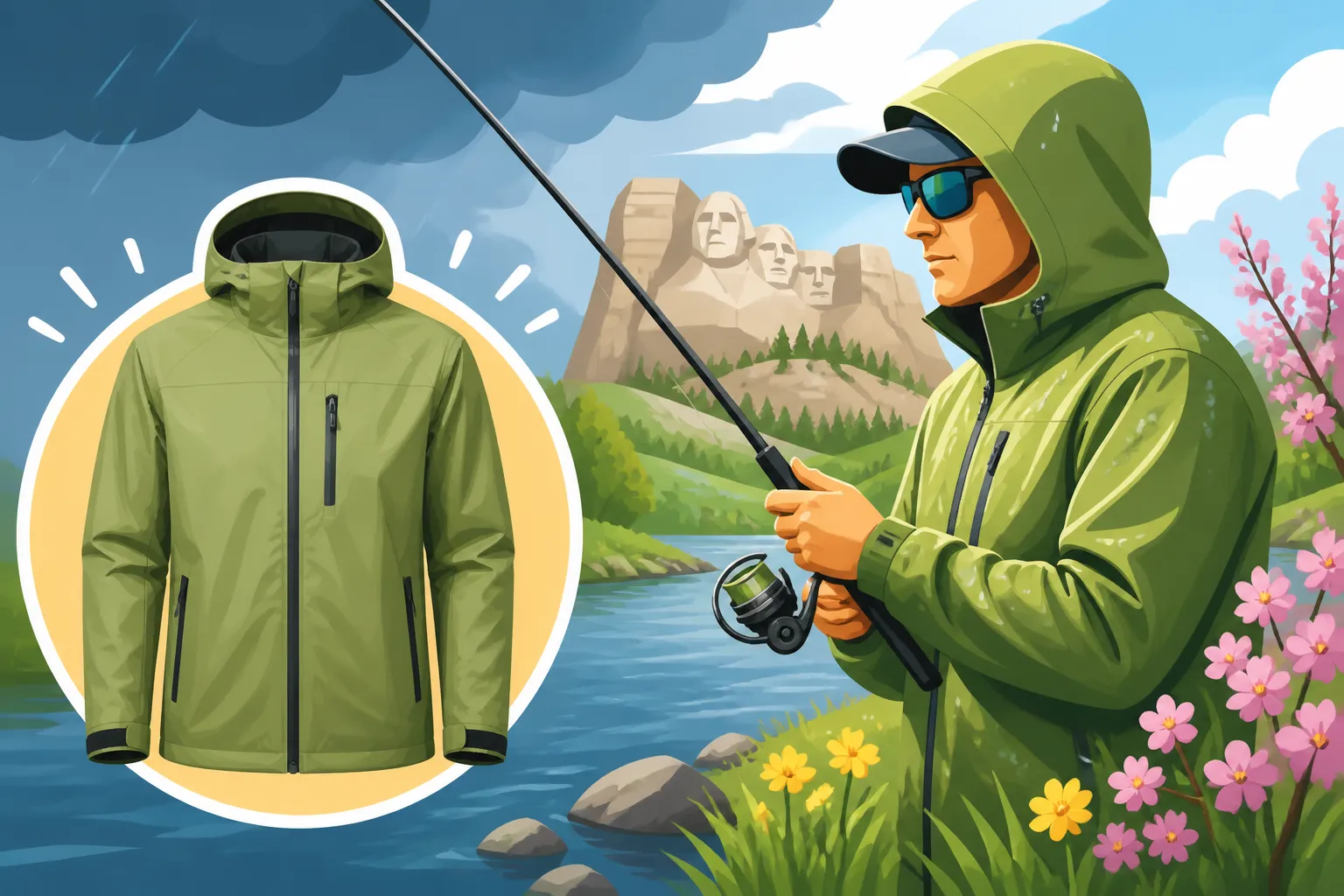
Spring fishing in South Dakota is a beautiful, hopeful time, but let's be real – the weather can change faster than a walleye strikes a jig! One minute it's sunny, the next you're getting drenched by a cold, cutting rain. This guide is all about helping you find the absolute best rain jacket to keep you dry, comfortable, and out on the water longer, no matter what Mother Nature throws your way.
Why Spring Fishing Demands a Quality Rain Jacket in South Dakota
There's a reason we talk about "four seasons in one day" here in South Dakota, especially during spring. You can wake up to crisp, clear skies, and by noon, a squall rolls through, bringing biting winds and a chilling rain. Without the right gear, that sudden downpour can send you packing up your rods and heading home, missing out on prime bite windows. Investing in a good rain jacket isn't just about staying dry; it's about maximizing your time on the water and making those memorable catches.
The Unpredictable Nature of Spring Weather
Picture this: you've planned a fantastic day of South Dakota Spring Walleye Fishing Techniques on Lake Sharpe, the boat is loaded, and the sun is just peeking over the horizon. You're feeling optimistic, maybe even a little warm as you cast your first few lines. Then, seemingly out of nowhere, the clouds gather, the wind picks up, and a cold rain starts to fall. It's not just a drizzle; it's a cold, penetrating rain that, coupled with the wind, can drop your body temperature surprisingly fast.
This isn't an isolated incident; it's a common spring scenario across South Dakota's diverse waters, from the mighty Missouri River reservoirs like Lake Oahe and Lake Francis Case to the glacial lakes in the eastern part of the state. The temperature swings can be dramatic, and precipitation can be anything from a light mist to a full-blown cold front. A flimsy, cheap rain poncho just isn't going to cut it when you're facing those conditions. You need something built to withstand the elements, something that will genuinely keep you dry when the heavens open up.
Staying Comfortable Means Staying Longer (and Catching More!)
Nobody enjoys fishing when they're cold, wet, and miserable. The moment you start feeling that damp chill seep into your core, your focus shifts from finding fish to finding shelter. Your hands get cold, your movements become stiff, and your overall enjoyment plummets. This is often when anglers decide to call it a day, even if the fish are still biting. Think about it: if you're uncomfortable, you're not going to stay out for that evening bite or push through a slow period, which means fewer opportunities to hook into that trophy walleye or smallmouth bass.
A high-quality rain jacket acts as your personal shield, allowing you to ignore the weather and concentrate on the fishing. When you're warm and dry, you're more patient, more focused, and ultimately, more successful. You can keep those lines in the water during passing showers, confidently navigate windy stretches, and truly immerse yourself in the experience. It’s not just a piece of clothing; it's an essential tool that prolongs your angling adventures and keeps your spirits high, even when the forecast looks a bit grim.
Key Features to Look For in a South Dakota Fishing Rain Jacket
When you're trying to decide on the perfect rain jacket for your South Dakota fishing adventures, it's easy to get overwhelmed by all the options. But trust me, a few key features make all the difference between a jacket that just looks good and one that performs like a champ when you need it most. We're talking about real functionality that stands up to the demands of a day on the water.
Waterproofing and Breathability Ratings
This is probably the most crucial aspect of any rain jacket for fishing. You need something that will absolutely keep water out, but just as importantly, it needs to let your sweat escape. If your jacket doesn't breathe, you'll end up just as wet from your own perspiration as you would from the rain, making you cold and clammy.
Look for jackets that have both a high waterproofing rating (often expressed in millimeters, like 10,000mm or 20,000mm) and a good breathability rating (often in grams per square meter per 24 hours, like 10,000g or 20,000g). A higher number in both categories means better performance. For serious South Dakota spring fishing, I'd aim for at least 10,000mm/10,000g. These ratings tell you how much water pressure the fabric can withstand before leaking and how much moisture vapor can pass through. Don't skimp here; this is where the real protection comes from. High-end materials like GORE-TEX are popular for a reason – they offer exceptional balance of both. While specific price points aren't discussed, you can often find a good range of options available at retailers like Bass Pro Shops.
Durability and Construction
A rain jacket for fishing isn't just for protection from water; it also needs to stand up to the rigors of the sport. You'll be brushing against boat railings, leaning against rough surfaces, and potentially snagging it on hooks or branches. This isn't the place for delicate fabrics.
Look for robust materials like ripstop nylon or polyester, which are designed to prevent small tears from becoming big rips. Pay close attention to the seams; they should be fully taped or sealed to prevent water from seeping through needle holes. High-quality zippers, often water-resistant or waterproof, are also vital. Cheap zippers can fail, stick, or simply let water in, rendering your jacket useless. Reinforced areas, especially on the shoulders or elbows, can also add longevity. This is an investment, and you want a jacket that will last more than one season. If you're comparing options, checking out product reviews on sites like Amazon can give you a good idea of how real-world anglers feel about a jacket's durability over time.
Practical Fishing-Specific Features
Beyond just keeping you dry, the best fishing rain jackets come with thoughtful features designed specifically for anglers. These aren't just bells and whistles; they genuinely enhance your experience and make your day on the water more productive.
Consider adjustable cuffs that can be cinched down tightly to prevent water from running down your arms when you're casting or reaching into the water. A good hood is paramount, one that can be adjusted to fit snugly around your head, allowing you to see clearly while still keeping rain off your face. Pockets are another big one – they should be ample, strategically placed for easy access, and ideally water-resistant or waterproof to protect your phone, wallet, or small tackle items. Some jackets even include D-rings for attaching tools or gear, or a tall collar to protect your neck from wind and spray. If you're going to be Trolling for Walleye on Lake Oahe, having a jacket that moves with you and doesn't restrict your casting motion is key. Think about your typical fishing style: do you need extra room for fly casting on a Black Hills stream, or more pockets for various jigs when Jigging Techniques for Missouri River Walleye? Every detail matters.
Understanding Different Rain Jacket Types for Anglers
Not all rain jackets are created equal, and what works for a quick dash from the car to the house won't necessarily stand up to a full day of spring fishing in South Dakota. Understanding the different types available can help you choose the right armor for your angling battles.
Lightweight Shells vs. Insulated Jackets
When it comes to rain gear, you generally have two main categories: lightweight shells and insulated rain jackets. Both have their place, but for spring fishing in South Dakota, understanding their differences is crucial.
Lightweight Shells: These are typically just the waterproof outer layer, without any significant insulation. They are designed to be worn over other layers, allowing you to customize your warmth based on the weather conditions. The beauty of a lightweight shell is its versatility. On a milder, rainy spring day, you might wear it over just a base layer. If the temperatures drop dramatically, you can add a fleece or puffy mid-layer underneath to stay warm. They are often highly packable, making them easy to stash in your boat or backpack. The downside is that they don't provide warmth on their own, so you must layer correctly underneath. For those unpredictable South Dakota springs, this layering approach can be really effective, giving you the flexibility to adapt from a chilly morning to a warmer afternoon. This is a great choice if you already have a good collection of South Dakota Fishing Gear Checklist mid-layers.
Insulated Jackets: These jackets combine the waterproof outer shell with an integrated insulating layer, often fleece or a synthetic fill. They are designed to provide both warmth and protection from rain in colder conditions. The advantage here is convenience – it's an all-in-one solution that reduces the number of layers you need to manage. This can be great for those truly frigid, rainy spring days when the air temperature struggles to get above freezing. However, they can be less versatile; if the day warms up, you might find yourself overheating, and you can't easily shed the insulation. They also tend to be bulkier and heavier. For serious ice fishing in deep winter, an insulated jacket is a no-brainer, but for spring, it depends entirely on the specific forecast and your personal preference for layering.
Material Technologies and Their Benefits
The world of waterproof-breathable fabrics is constantly evolving, with many different technologies available. While I can't name every single proprietary fabric, understanding the general principles behind them will help you make an informed choice.
Most high-performance rain jackets utilize a multi-layer system. At the core is a waterproof membrane, often made of expanded PTFE (like GORE-TEX) or polyurethane. This membrane has microscopic pores that are too small for liquid water droplets to pass through, but large enough for water vapor (sweat) to escape. This is the magic behind staying dry from both the outside and the inside.
Beyond the membrane, jackets often have a durable water repellent (DWR) coating on the outer fabric. This coating causes water to bead up and roll off, preventing the fabric from becoming saturated, which is crucial for the jacket's breathability to function properly. Without DWR, the outer fabric gets wet, "wetting out" and making it harder for sweat to evaporate and escape. Over time, DWR coatings wear off and need to be reapplied, which is a simple maintenance step to keep your jacket performing its best.
When you're browsing options at a place like Bass Pro Shops or even online at Amazon, pay attention to the descriptions that detail the fabric technology. They might mention "2-layer," "2.5-layer," or "3-layer" construction. A 3-layer jacket typically laminates the waterproof membrane between an outer face fabric and an inner lining, offering the most durability and often the best performance, but usually at a higher cost. 2.5-layer jackets are lighter and more packable, with a protective print or coating on the inside instead of a full lining. For serious anglers hitting the water repeatedly through the spring, investing in a good 3-layer shell will likely pay off in comfort and longevity.
Choosing the Right Fit and Layering Strategy
Finding the "best" rain jacket isn't just about technical specs; it's also about how it fits you and how it integrates with your overall fishing wardrobe. A high-tech jacket that's too tight or too baggy can be just as frustrating as one that leaks.
The Importance of Proper Sizing
This might sound obvious, but you'd be surprised how many anglers get this wrong. A rain jacket for fishing needs to be roomy enough to accommodate your base and mid-layers without feeling restrictive. You need a full range of motion for casting, netting fish, and operating your boat. If your jacket is too snug, it will pull in the shoulders, restrict your arm movement, and potentially compromise the waterproof seals under stress.
Conversely, a jacket that's too large can be cumbersome. Excess fabric can get in the way, snag on gear, or flap loudly in the wind, which is not only annoying but also less efficient at keeping you warm and dry. When trying on a jacket, wear the type of layers you typically fish in during spring. Raise your arms, cast an imaginary line, and bend over. Does it feel comfortable? Does it allow for full movement? Pay attention to sleeve length – you want it long enough to cover your wrists even when your arms are extended. You should be able to comfortably reach into your Best Tackle Box Setup for South Dakota Anglers without the jacket riding up or feeling strained. Remember, you'll likely be wearing a South Dakota Life Jacket Requirements over or under your jacket, so consider how they will interact.
Effective Layering for South Dakota Spring
The secret to staying comfortable in South Dakota's unpredictable spring weather isn't just one magic jacket; it's a smart layering system. A good rain jacket is your outer shield, but what's underneath is just as important for managing moisture and warmth.
-
Base Layer: This is the layer closest to your skin. Its primary job is to wick moisture (sweat) away from your body. Avoid cotton at all costs! Cotton absorbs moisture and holds it against your skin, making you cold. Opt for synthetic materials like polyester or merino wool. These materials are excellent at wicking and will help keep you dry from the inside out. Even if your rain jacket is breathable, a non-wicking base layer will negate its effect.
-
Mid-Layer: This is your insulation layer. Depending on the temperature, this could be a light fleece jacket, a heavier fleece, or even a puffy vest or jacket with synthetic insulation. The mid-layer traps air to keep you warm. Again, avoid cotton. Materials like polyester fleece or synthetic down are great choices because they retain much of their insulating properties even if they get a little damp. For truly cold spring days, especially on big, open water like Lake Oahe, a substantial mid-layer under your rain jacket can be the difference between a comfortable trip and a miserable one.
-
Outer Layer (Your Rain Jacket): This is your protective shell. Its job is to block wind and rain, allowing your base and mid-layers to do their jobs effectively. With a proper layering system, you can shed or add mid-layers as conditions change throughout the day without having to take off your core weather protection. This adaptability is key for dealing with South Dakota's fickle spring climate. If you plan to be South Dakota Ice Fishing Guide next winter, this layering knowledge will serve you well there too!
When conditions are particularly wet and cold, combining a good breathable rain jacket with effective layers underneath prevents that dreaded clammy feeling and drastically reduces your risk of hypothermia, ensuring you can enjoy your time pursuing South Dakota Walleye Fishing Guide or other species without worrying about the weather.
Comparing Rain Jacket Features for South Dakota Anglers
To help you visualize the different aspects we've discussed, here's a quick comparison of key features you'll find in various rain jackets, considering the needs of a South Dakota angler.
| Feature | Lightweight Shell | Insulated Rain Jacket | Premium 3-Layer Shell |
|---|---|---|---|
| Primary Benefit | Versatility, packability, layering flexibility | All-in-one warmth and rain protection | Maximum durability, breathability, and protection |
| Waterproofing | Good to Very Good (10k-15k mm) | Good to Very Good (10k-15k mm) | Excellent to Superior (15k-20k+ mm) |
| Breathability | Good (10k-15k g/m²) | Moderate (5k-10k g/m²) – can be lower due to insulation | Excellent (15k-20k+ g/m²) |
| Insulation | None (requires separate layers) | Integrated (fleece, synthetic fill) | None (requires separate layers) |
| Weight/Bulk | Low, very packable | Moderate to High | Moderate, still packable for its performance |
| Layering Strategy | Essential (base + mid-layers) | Minimal (base layer optional depending on temp) | Essential (base + mid-layers) |
| Typical Use Case | Mild to cold spring, varying conditions, active fishing | Cold, wet, less active fishing, single solution | Demanding conditions, long trips, consistent performance |
| South Dakota Spring | Excellent, especially with variable temps | Good for consistently cold, wet days | Excellent, best for all-around spring conditions |
| Durability | Can vary, look for ripstop | Generally good, but insulation can make it bulkier | High, designed for rugged use, fully taped seams |
| Cost Expectation | Moderate | Moderate to High | High |
Maintenance Tips to Extend Your Jacket's Life
You've invested in a fantastic rain jacket, and now you want it to last! Proper care isn't just about keeping it clean; it's about maintaining its performance features, especially that crucial DWR coating and the integrity of the waterproof membrane.
First, always follow the manufacturer's washing instructions. Generally, this means washing with a technical fabric cleaner (not regular detergent, which can clog pores) on a gentle cycle with cold water. Avoid fabric softeners, as they can also impair breathability. After washing, you might need to tumble dry on low heat to reactivate the DWR coating. If water stops beading up on the surface, it's time to reapply a DWR treatment, which you can find at most outdoor gear stores or through retailers like Amazon. This simple step keeps your jacket shedding water effectively.
Store your jacket properly when not in use. Avoid stuffing it into a small ball for long periods, as this can stress the membrane and taped seams. Hang it up or fold it loosely in a cool, dry place. By taking these few extra steps, your rain jacket will be ready to tackle many more South Dakota Fishing Seasons Explained and keep you dry for years to come.
Spring fishing in South Dakota is a truly special experience, full of potential for big catches and lasting memories. Don't let unpredictable weather cut your adventures short. By choosing a high-quality rain jacket with the right features and maintaining it properly, you're ensuring that you stay comfortable, focused, and ready for whatever the fish – and the sky – decide to throw your way. Happy fishing, and stay dry out there!
Disclaimer
This article is for general informational purposes only and does not constitute professional advice. Laws, prices and regulations vary by location and change over time. Consult a qualified professional for guidance on your specific situation.