How Long You Have to Register a New Boat in South Dakota
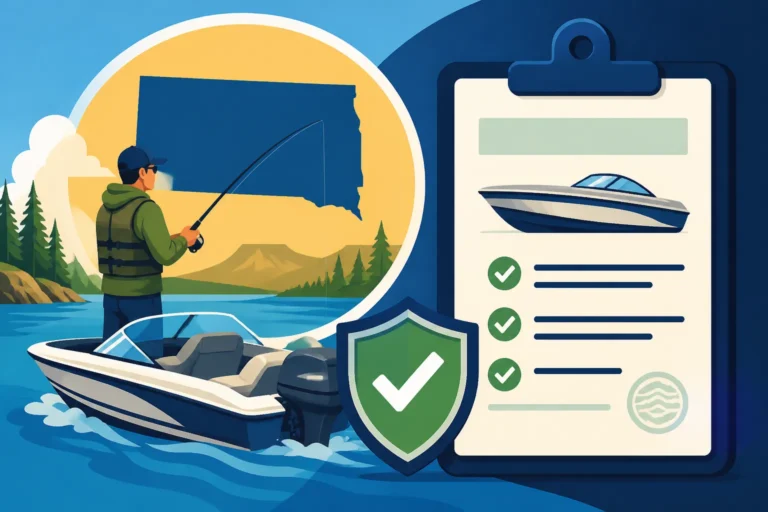
Alright, so you've just bought yourself a shiny new boat, haven't you? Maybe it's a sleek new bass boat for chasing smallmouth on Lake Francis Case, or a sturdy walleye rig destined for the expansive waters of Lake Oahe. That feeling of excitement, the smell of new fiberglass or aluminum, the dreams of open water – it's pure bliss! But before you launch it into one of South Dakota's beautiful lakes or rivers, there's that little detail of getting it properly registered. It's a question many new boat owners face: "How long do I actually have to get this done?" This guide is here to clear up that confusion, lay out the timeline, and help you navigate the essential steps so you can hit the water worry-free.
Understanding the South Dakota Boat Registration Timeline for New Purchases
Buying a new boat is a big deal, and it's easy to get swept up in the dream of your first fishing trip. However, forgetting about the registration timeline can quickly turn that dream into a headache. South Dakota, like most states, has a very specific window during which you need to get your new vessel officially registered. It’s not just a suggestion; it’s a legal requirement that keeps our waterways safe and organized.
The Initial Registration Window: Don't Delay!
Let's cut to the chase: in South Dakota, when you purchase a new boat, you generally have a relatively short window to get it registered. This timeframe usually starts from the date of purchase or the date you take possession of the vessel. Imagine you've just signed the papers for that perfect fishing boat at a dealership in Sioux Falls. The ink on the bill of sale is still wet, and you're already picturing reeling in a monster walleye. What many folks don't realize is that the clock starts ticking the moment that transaction is complete. You can't just leave it in the driveway indefinitely and expect no issues. This initial period is critical for ensuring you're legally compliant from the get-go.
It’s tempting to put off paperwork, especially when there's new gear to load up and lakes to explore, but delaying registration can lead to complications down the road. This prompt period is designed to ensure quick identification of vessels and to properly account for sales tax, which is often collected at the time of registration. So, while you're busy picking out new rods and reels for your new craft, remember that the countdown has begun.
Temporary Permits vs. Permanent Registration
Sometimes, life happens, or perhaps you've purchased your boat from an individual rather than a dealership, and getting all your ducks in a row for permanent registration takes a little longer. That’s where temporary permits come into play, offering a bit of a grace period. When you acquire a new boat in South Dakota, you might be issued a temporary permit or sticker right at the time of sale, especially if you buy from a licensed dealer. This temporary permit usually allows you to legally operate your boat for a limited time while you finalize the full registration process.
Think of it as a temporary driver's license for your boat. It gives you immediate legal permission to enjoy your new investment on the water without waiting for the official registration cards and stickers to arrive in the mail. However, it’s crucial to understand that "temporary" means temporary. These permits have a very clear expiration date, and you must complete your permanent registration before that date passes. Relying on an expired temporary permit is no different than having no registration at all, and it can land you in the same legal hot water. Always check the specific duration of your temporary permit and mark your calendar with a reminder to complete the permanent registration well in advance.
Why the Registration Deadline Matters
It's easy to view boat registration as just another bureaucratic hurdle, a piece of paper and a fee that gets in the way of your fun. But these deadlines and requirements exist for very good reasons, protecting not only you but also other boaters and the state's natural resources. Understanding the "why" behind the rules can help you appreciate their importance and motivate you to stay on schedule.
Avoiding Penalties and Unwanted Headaches
The most immediate and tangible reason to adhere to the registration timeline is to avoid penalties. Failing to register your new boat within the specified window can result in fines, and potentially even more severe consequences if you're caught operating an unregistered vessel on the water. Imagine you're enjoying a beautiful Saturday morning fishing for South Dakota Walleye Limits on Lake Sharpe, and a Game, Fish and Parks (GFP) officer pulls alongside. You proudly show off your new boat, but when they ask for your registration, you realize you've completely forgotten about the deadline. That exciting morning quickly turns sour with a ticket, and frankly, a hefty dose of embarrassment.
These fines can really add up, easily costing more than the registration fee itself. Plus, dealing with a citation means time, stress, and potentially even a court appearance, all of which detract from your precious fishing time. Beyond legal penalties, an unregistered boat might also complicate insurance claims if you're involved in an accident. No one wants to think about a mishap, but having all your documentation in order is a crucial part of responsible boat ownership. It ensures that if something unexpected happens, you're covered, and your adventures don't turn into financial nightmares.
The Importance of a Valid Registration for Insurance and Safety
A valid boat registration isn't just about avoiding fines; it's a foundational element of safe and responsible boating. For starters, many boat insurance policies require your vessel to be legally registered to be valid. If your new boat is unregistered and gets stolen or damaged, your insurance company might deny your claim, leaving you to bear the full cost of replacement or repair. This is a significant financial risk that's easily mitigated by timely registration.
Furthermore, boat registration plays a vital role in public safety and resource management. The fees collected from registration often go back into maintaining boating access areas, improving waterways, and funding conservation efforts, including fish stocking programs and habitat restoration. So, every time you pay your registration fee, you’re actually contributing to the very resources that make South Dakota such a fantastic fishing destination.
Additionally, a registered boat is easier to identify in an emergency. If your boat is adrift, or if there's a safety incident, the registration numbers provide vital information for rescue personnel. It connects the vessel to you, the owner, allowing for swift action and communication. Whether you're chasing South Dakota Chinook Salmon Regulations on Lake Oahe or simply enjoying a peaceful afternoon paddle, a valid registration is a small but mighty detail that ensures your safety and supports the larger boating community. South Dakota Boat Safety Requirements are not just about life jackets; they start with proper registration.
The Steps to Register Your New Boat in South Dakota
Now that we understand why it's so important to register your new boat promptly, let's talk about how to get it done. The process itself isn't overly complicated, but it does require attention to detail and ensuring you have all the necessary paperwork. Think of it as a small administrative hurdle that unlocks countless hours of enjoyment on the water.
Gathering Your Essential Documentation
The key to a smooth registration process is having all your documents in order before you even walk through the door (or click "submit" online). Nothing is more frustrating than making a trip to the county treasurer's office only to find you're missing a critical piece of paper and have to start over. For a new boat purchase in South Dakota, you'll typically need to prepare the following:
- Manufacturer's Statement of Origin (MSO) or Certificate of Origin (MCO): This document is essentially the "birth certificate" for your new boat, issued by the manufacturer. It proves the boat is new and identifies its key specifications. Make sure this is properly assigned to you, the new owner.
- Bill of Sale: This document confirms the purchase transaction, including the date of sale, the purchase price, and the details of both the buyer and seller. This is crucial for establishing the start of your registration timeline and for calculating sales tax.
- Proof of Sales Tax Payment: South Dakota requires sales tax on boat purchases. If you bought your boat from a dealer, they often collect this at the time of sale. If you purchased it from a private party, you will typically pay the sales tax when you register the boat. Be prepared to show proof or pay it at the time of registration. South Dakota Boat Registration Sales Tax Rate is something you'll want to be aware of.
- Application for Certificate of Title and Registration: This is the official form you'll fill out, providing all your personal information and details about the boat. You can usually find this form on the South Dakota Game, Fish and Parks (GFP) website or at your local county treasurer's office.
Having these documents neatly organized will make the process much quicker. It's like preparing your tackle box for a big fishing trip; you want everything in its place when you need it.
The Registration Process: Online, Mail, or In-Person?
Once you have your documents ready, it’s time to complete the registration. South Dakota offers a few convenient ways to do this, giving you options based on your preference and schedule.
- In-Person at a County Treasurer's Office: This is often the most straightforward method, especially for first-time boat registrations or if you have any questions. You can visit any county treasurer's office in South Dakota, such as those in Pierre, Rapid City, or Aberdeen. The staff there can help you verify your documents, collect the necessary fees (which include both the registration fee and a title fee – South Dakota Boat Titling Fee Breakdown), and issue you your temporary permit on the spot. This ensures you leave with peace of mind, knowing everything is in order. This is also where you'll typically pay any sales tax that wasn't collected at the point of sale. Where to Register a Boat in South Dakota will provide more detail on this.
- By Mail: If you prefer, you can often complete the registration by mailing in your application and supporting documents. This can be convenient if you don't live near a county office or have a busy schedule. However, be sure to send copies of important documents, keep originals for your records, and allow extra time for processing and mail delivery. You won't get an immediate temporary permit this way, so plan accordingly if you intend to use your boat soon.
- Online Registration: While you might be able to How to Renew a South Dakota Fishing License or even How to Buy a South Dakota Fishing License Online, initial boat registrations, especially for new titles, often require an in-person visit due to the need to verify original documents and collect sales tax. It's always a good idea to check the official South Dakota GFP website for the most current information regarding online capabilities for new boat registrations, as policies can evolve.
No matter which method you choose, remember that the goal is to get your boat's official registration card and decals. Once you receive them, prominently display the decals on your boat as required by law, usually on both sides of the bow. This visible proof of registration tells everyone, including law enforcement, that you're a responsible boat owner.
Common Questions and Scenarios for New Boat Owners
It's natural to have specific questions, especially if your situation isn't entirely straightforward. The world of boat registration can sometimes feel like a maze, so let's tackle some common scenarios that new South Dakota boat owners often encounter.
What If I Bought My Boat Out-of-State?
Many anglers find a great deal on a boat in a neighboring state like Minnesota or Nebraska, or even further afield. You might think, "Well, I bought it in another state, so those rules apply, right?" Not quite! When you bring a boat that you purchased out-of-state into South Dakota, you are still required to register it here if it's going to be primarily used on South Dakota waters. The clock for registration generally starts ticking from the date you bring the boat into South Dakota or the date of purchase, whichever applies to your situation.
The process is largely similar to registering a boat purchased in-state, but you'll need to ensure you have proper documentation from the state of purchase. This includes the original title or certificate of origin (if it was new), and a bill of sale that clearly shows the purchase date and price. You'll likely need to pay South Dakota sales tax on the purchase price if you haven't already paid sales tax to another state at an equal or higher rate. It's always best to contact your local county treasurer's office or the South Dakota GFP for specific guidance on How Long an Out-of-State Boat Can Be Used in South Dakota Before Registering and what documentation they require for out-of-state purchases. They're there to help, and getting the right information upfront can save you a lot of hassle.
Special Considerations for Kayaks, Canoes, and Other Small Vessels
This is a common point of confusion for many outdoor enthusiasts. With the rise in popularity of kayaks, canoes, stand-up paddleboards, and other small, non-motorized vessels, people often wonder if these, too, need to be registered. The general rule in South Dakota is that any motor-driven boat, regardless of its size, must be registered. This includes electric trolling motors on a kayak or a small gas engine on a canoe.
However, if your kayak, canoe, stand-up paddleboard, or similar vessel is non-motorized, then it typically does not need to be registered in South Dakota. This is a huge relief for many who enjoy paddling the serene waters of a Black Hills stream or exploring the quiet coves of a glacial lake. You can usually just launch and go, provided you have all the necessary South Dakota Boat Safety Equipment Requirements like life jackets.
So, if you just picked up a new fishing kayak from Bass Pro Shops and plan to outfit it with a silent electric trolling motor, then yes, it will need to be registered. But if you're keeping it strictly paddle-powered, you're usually in the clear regarding registration. Always double-check the latest regulations with South Dakota GFP, especially as recreational boating trends change, to be certain about Do You Need to Register a Kayak in South Dakota? or Do You Need to Register a Canoe in South Dakota?. It's better to be safe than sorry and ensure you're completely compliant.
The Clock is Ticking: Key Deadlines and What to Expect
Let's make sure we're crystal clear on the most important takeaway: the window for registering your new boat in South Dakota is relatively brief, and acting promptly is always in your best interest. While specific durations can sometimes fluctuate, generally, you're looking at about 30 days from the date of purchase to get your new boat registered. This is often the most common timeframe specified by state agencies for vehicle and vessel registration after a new acquisition.
| Documentation Requirement | Description | Importance | Action Step |
|---|---|---|---|
| Manufacturer's Statement of Origin (MSO)/MCO | The boat's "birth certificate" from the factory, establishing it as new and detailing its specifications. | Proof of new ownership and official boat identification. | Obtain from dealer/seller; ensure proper assignment. |
| Bill of Sale | Legal document confirming the purchase, including date, price, buyer, and seller details. | Establishes date of purchase (starts registration clock) and sales tax basis. | Keep original; ensure all fields are complete and accurate. |
| Proof of Sales Tax Paid | Receipt or documentation showing South Dakota sales tax has been paid on the boat purchase. | Required by law; often paid at dealership or county treasurer's office. | Have receipt ready or be prepared to pay at registration. |
| Application Form | Official application for title and registration, typically available from GFP or county treasurer. | Provides all necessary owner and vessel information for processing. | Fill out completely and accurately; sign as required. |
| Valid Photo ID | Government-issued identification to confirm your identity as the boat owner. | For verification purposes during the registration process. | Bring your driver's license or state ID. |
| Payment for Fees | Funds for registration, title, and any applicable sales tax (if not already paid). | Required to complete the legal registration and titling of the boat. | Be aware of current costs; usually check/cash/card accepted at county offices. |
Once you submit your application and all required documents, you'll typically receive a temporary permit right away if you register in person. The permanent registration card and decals will then be mailed to you, which can take a few weeks. The key is to get that initial application in and obtain your temporary permit before your legal window closes.
This timeline ensures that you can enjoy your new boat without fear of legal complications. Imagine planning a trip to the Lake Oahe Walleye Hotspots Near Mobridge or exploring the Black Hills Trout Stream Fishing Guide; having your registration handled means one less thing to worry about. It allows you to focus on the joy of fishing and boating that South Dakota offers in abundance. So, as soon as you get those keys, make a bee-line for the county treasurer's office or gather your documents for mail-in, and you'll be set for countless adventures on the water!
This article is for general informational purposes only and does not constitute professional advice. Laws, prices and regulations vary by location and change over time. Consult a qualified professional for guidance on your specific situation.