Average Size of a Jumbo Perch in South Dakota
It can be incredibly frustrating when you're dreaming of reeling in a truly massive yellow perch in South Dakota, only to wonder what "jumbo" even means in our waters. Is it just a feeling, or is there a real size benchmark that separates a good fish from a truly exceptional one? This guide is here to cut through the guesswork and give you a realistic idea of the average size of a jumbo perch in South Dakota, where to find them, and what factors help them grow so big.
Defining a "Jumbo" Perch in South Dakota
When anglers talk about "jumbo perch," their eyes often get wide, and they stretch their hands to illustrate a truly impressive fish. But what exactly qualifies as a "jumbo" in the land of infinite variety that is South Dakota's fishing scene? It's a question that sparks debate at every bait shop counter and on every ice-covered lake.
The Angler's Perspective vs. Biological Reality
For many of us, a "jumbo" perch is simply a fish that feels exceptionally large for its species, something that truly pulls on the line and makes your heart pound. If you're used to catching 8-inch perch, then a 10-inch fish might feel like a jumbo. However, for a seasoned angler who regularly targets perch, that benchmark moves considerably higher. This subjective interpretation is completely valid – fishing is often about the personal experience and the thrill of the catch!
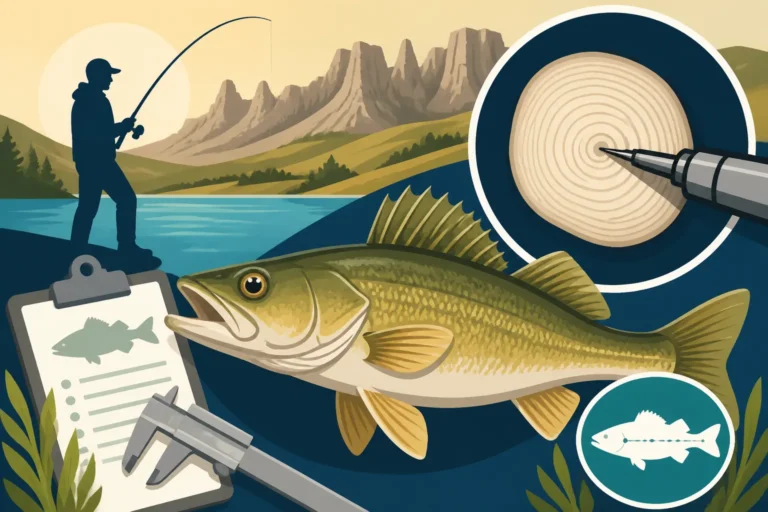
Biologically speaking, fish growth is a complex interplay of genetics, food availability, water temperature, and overall habitat health. While an 8-inch perch might be considered average in many systems, a true "jumbo" typically implies a fish that has grown significantly beyond the average for its age class. These are the fish that have survived multiple seasons, found ample food, and avoided predation, leading to impressive size and weight. Our state's fisheries biologists track average growth rates and maximum sizes, offering a more scientific perspective that helps define what's truly large in a given body of water.
Official Recognition and Trophy Programs
While there might not be a single, universally defined "jumbo perch" length or weight etched into state law, South Dakota does celebrate exceptional catches through its South Dakota Trophy Fish Award Program. This program provides a valuable benchmark for what the state considers a truly trophy-worthy fish across various species, including yellow perch. To earn a Master Angler award for yellow perch, anglers typically need to catch a fish exceeding a certain length or weight, often around 12 to 13 inches or more, and over a pound in weight. This kind of program gives us a concrete goal to strive for and helps solidify what constitutes a truly "jumbo" fish in South Dakota.
Many states use similar programs to encourage anglers to report large fish, providing valuable data for fisheries management while also giving bragging rights to those who land a lunker. These official benchmarks help bridge the gap between anecdotal "fish stories" and a more standardized understanding of what an impressively sized perch looks like in our waters. These are the fish that make for truly memorable photos and stories around the campfire.
What to Expect: Average Sizes Across Key South Dakota Waters
South Dakota is blessed with a diverse array of fishing environments, and the size of yellow perch you can expect to catch often varies significantly depending on where you drop your line. While the state is renowned for its walleye, many of our lakes and reservoirs also hide some truly exceptional perch.
Glacial Lakes Perch Powerhouses
When it comes to consistently producing "jumbo" yellow perch, the Glacial Lakes region in northeastern South Dakota stands out. Lakes like Bitter Lake Fishing Guide, Lake Kampeska Fishing Guide, and Lake Poinsett Fishing Guide are legendary for their perch populations, often yielding fish that truly fit the "jumbo" description. In these fertile, shallow, and highly productive waters, it's not uncommon to regularly encounter perch in the 10 to 12-inch range, with legitimate 13 to 15-inch specimens being caught every season. These are the fish that have the girth and weight to match their length, making them a fantastic fight on light tackle.
The rich ecosystem of the Glacial Lakes, with abundant forage like minnows and invertebrates, provides an ideal environment for perch to grow large. Anglers specifically targeting these bigger fish often come away with limits of impressive, plate-sized perch, especially during the ice fishing season. These lakes have developed a reputation among serious perch anglers for a reason, and if you're chasing that true jumbo, these are definitely prime destinations to explore.
Missouri River System Perch
The vast Missouri River reservoirs – Lake Oahe, Lake Sharpe, Lake Francis Case, and Lewis and Clark Lake – are primarily known for their world-class walleye fishing. However, they also hold decent populations of yellow perch, though typically the average size here might be a little smaller than in the glacial lakes. In these massive impoundments, you can expect to catch perch in the 8 to 11-inch range more regularly. While jumbo perch certainly exist in the Missouri River system, they might be a bit harder to consistently target in numbers compared to the specialized perch lakes to the east.
The perch in these reservoirs often serve as an important forage base for the abundant walleye and other predator fish. This means while there's plenty of food for them, the constant threat of being eaten might prevent as many from reaching truly gargantuan sizes. Still, if you're out chasing walleye and happen upon a school of 12-inch perch, consider it a very welcome bonus! Finding these schools often involves locating specific submerged structures or transitions in the vast open water of the reservoirs. For more general information, you might check out Fish Species Found in Lake Oahe.
Black Hills Waters
The clear, cold waters of the Black Hills are a fly angler's paradise, primarily known for their beautiful trout streams and reservoirs like Sheridan Lake and Pactola. While yellow perch are present in some of these waters, particularly the larger reservoirs, they typically do not reach the "jumbo" sizes found in the eastern part of the state. You might encounter perch in the 6 to 9-inch range in some Black Hills lakes, but they are generally not the primary target species for most anglers here.
The cooler temperatures and often less nutrient-rich environments of mountain lakes can sometimes lead to slower growth rates for species like yellow perch. Anglers visiting the Black Hills are usually focused on the challenging and rewarding pursuit of rainbow, brown, or brook trout in the numerous streams. If you do catch a perch in these waters, it's often a smaller, pan-sized fish, still enjoyable but not typically a "jumbo" by the standards of the glacial lakes.
Here's a quick reference table for average jumbo perch size expectations across South Dakota:
| Region | Typical Average Perch Size (inches) | Jumbo Perch Expectation (inches) | Notes |
|---|---|---|---|
| Glacial Lakes | 9-11 inches | 12-15 inches+ | Best bet for consistent jumbo perch, especially during ice fishing. |
| Missouri River System | 8-10 inches | 11-12 inches | Present, but not the primary target; excellent forage for walleye. |
| Black Hills Reservoirs | 6-9 inches | 10-11 inches | Less common, often smaller due to cooler, less fertile waters. |
Factors Influencing Perch Size and Growth
Understanding what makes a perch grow large isn't just a matter of luck; it's a complex interplay of environmental factors and ecological dynamics. As anglers, knowing these elements can help us identify potential jumbo perch hotspots and appreciate the intricate balance of the aquatic world.
Forage and Food Availability
The most critical factor in a fish's growth rate is its diet. Just like us, a perch needs plenty of high-quality food to bulk up. In South Dakota, lakes that consistently produce jumbo perch are often those with an abundant and diverse forage base. This includes small baitfish like emerald shiners, fathead minnows, and young-of-the-year panfish, as well as a rich supply of aquatic insects, crustaceans, and zooplankton. When these food sources are plentiful, perch don't have to expend excessive energy searching for meals, allowing more of their intake to go towards growth.
Conversely, in lakes where food is scarce or competition is too high, perch populations can become stunted, meaning there are many fish, but they all remain small. This is why a lake with a balanced ecosystem, where predator and prey populations are in harmony, often yields larger individual fish. Fisheries management sometimes involves stocking forage species or managing predator numbers to ensure a healthy food web for target species like perch. This careful balancing act is essential for maintaining robust populations of South Dakota Perch Fishing Guide.
Water Quality and Habitat
Clean, well-oxygenated water is absolutely fundamental for healthy fish growth. Pollution, excessive nutrient runoff, or low oxygen levels can stress fish, impair their metabolism, and make them more susceptible to disease, all of which hinder growth. Lakes with excellent water quality provide the optimal conditions for perch to thrive.
Beyond water quality, the physical habitat plays a huge role. Jumbo perch need structure – weed beds, rock piles, submerged timber, and sharp drop-offs – for several reasons. These areas provide cover from predators, ambush points for hunting prey, and cooler water refuges during hot summer months. A lake rich in diverse underwater structure offers multiple niches for perch at different life stages, supporting their growth to larger sizes. Think about casting near a thick weed line or a rocky point; these aren't just good fishing spots; they're vital habitats.
Fishing Pressure and Population Density
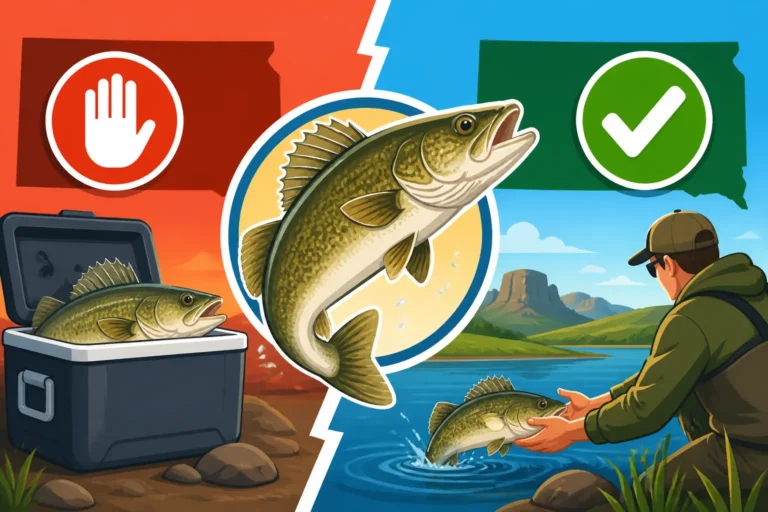
This is a double-edged sword when it comes to fish size. On one hand, excessive fishing pressure on a particular lake can lead to the removal of larger, older fish from the population. If all the "jumbos" are caught and kept, it naturally shifts the average size downwards. This is why responsible angling, including adhering to limits and considering catch-and-release for some trophy-sized fish, is important for maintaining quality fisheries.
On the other hand, too little fishing pressure or natural predation can lead to an overpopulation of perch. If there are too many small perch in a lake competing for limited resources, none of them may grow to a truly impressive size. This "stunted" population often results in a lake full of 6-inch perch. In some cases, increasing angler harvest of these smaller fish can actually improve the overall size structure of the remaining population by reducing competition and allowing the remaining fish to grow larger. It's a tricky balance that What a Fish Population Survey Measures helps manage.
Water Temperature and Seasonality
Fish are cold-blooded, meaning their body temperature and metabolism are directly influenced by the surrounding water temperature. Optimal temperatures allow perch to feed actively and grow efficiently. In South Dakota, this means spring and early summer, when waters are warming, and fall, when temperatures are cooling, are often periods of active feeding and growth. During the peak of summer, if water temperatures get too warm, perch might become less active, seeking deeper, cooler water, and their growth might slow.
Winter brings its own set of challenges and opportunities. Under the ice, perch metabolism slows, but they still feed. Ice fishing can be incredibly productive for jumbo perch precisely because their metabolic needs are lower, and they often congregate in predictable areas. However, growth during the coldest months is generally minimal compared to the warmer seasons. Understanding these seasonal shifts in perch behavior and metabolism is key to consistently locating and catching larger fish throughout the year.
Targeting Jumbo Perch: Tips for Success
So, you're ready to chase those truly impressive South Dakota jumbo perch? Excellent! It takes a bit more finesse and strategy than simply dropping a line, but the reward of a fat, golden-sided perch is well worth the effort.
Essential Gear and Bait
To target bigger perch, you'll want to refine your gear slightly. Forget heavy bass rods; we're talking about light to ultralight spinning gear or sensitive ice fishing rods. A good 28-36 inch medium-light action ice rod or a 6-foot ultralight open water rod will give you the sensitivity to detect subtle bites and the backbone to handle a feisty jumbo. Spool up with light line, like 4-6 pound monofilament or fluorocarbon, or even lighter braided line with a fluorocarbon leader for maximum sensitivity. You can find excellent options for sensitive rods and reels on Amazon, perfect for detecting those light perch bites.
As for bait, live bait is often king for jumbo perch. Small to medium minnows, particularly fatheads or shiners, are irresistible. Attach them to a small jig or a plain hook under a slip bobber. Other highly effective live baits include wax worms, spikes, and small pieces of nightcrawler. For artificials, tiny jigging spoons, small soft plastic grubs, or micro-jigs tipped with a wax worm or minnow head can be deadly. Look for these specialized baits and micro-jigs on Amazon as well; they often have a wider selection than local shops. Remember, presentation is key – a slow, subtle jigging action often entices larger, more cautious perch. If you're ice fishing, check out Best Bait for Ice Fishing Perch.
Locating Prime Perch Habitat
Jumbo perch aren't usually found suspended in open water like walleye. They are structure-oriented fish, meaning they relate to changes in the lake bottom or underwater features. During open water season, focus your efforts on:
- Weed Lines: The edges of submerged weed beds are fantastic ambush points. Perch will cruise these edges, picking off insects and smaller baitfish that live in the weeds. Look for healthy, green weeds.
- Drop-offs and Humps: Where the bottom contour changes significantly, creating shelves, ledges, or underwater humps, perch will congregate. These areas offer different depths and access to both shallow and deep feeding grounds.
- Rocky Points and Riprap: Perch will forage around rocks for crayfish and other invertebrates. Points that extend into deeper water are especially productive.
- Submerged Timber and Brush Piles: These provide excellent cover and concentrate baitfish, making them prime spots for perch.
During ice fishing season, many of these same principles apply, just reversed. Focus on deeper weed lines, the break lines leading into deeper basins, and subtle humps or rises on the lake bottom. Using a good fish finder is invaluable for identifying these key structures and locating schools of perch. A quality portable fish finder, easily found on Amazon, can make a huge difference in your success.
Seasonal Strategies for Jumbo Perch
Spring (Post-Ice Out): As the ice recedes, perch become more active and start moving into shallower, warmer water, often near spawning areas or incoming creeks. They'll be hungry after winter. Target shallow bays, sunny shorelines, and channel edges with small jigs and minnows or worms.
Summer: As water temperatures rise, jumbo perch often retreat to deeper, cooler waters during the day, moving shallower to feed during low light periods. Focus on deeper weed lines, offshore humps, and drop-offs during midday. Early morning, late evening, and overcast days can bring them shallower. Trolling small crankbaits or casting jigs along contours can be effective.
Fall: This is a fantastic time for jumbo perch! As water temperatures cool, perch go on a feeding frenzy, bulking up for winter. They'll often be found in larger schools on mid-depth flats, near prominent points, or along structure. Use aggressive jigging techniques with minnows or spoons.
Winter (Ice Fishing): This is arguably the most popular time to target jumbo perch in South Dakota. Large schools gather in predictable areas, often on deeper flats, near structure, or along deep break lines. Focus on lakes in the Glacial Lakes region for the best action. You'll want to be mobile, drilling many holes and using a flasher to pinpoint active schools. Small tungsten jigs tipped with a wax worm or a minnow head, or small jigging spoons, are highly effective. Don't forget to check out our South Dakota Ice Fishing Guide for more in-depth tips. You can also explore Best Ice Fishing Lakes for specific destinations.
By combining the right gear, understanding perch habitat, and adapting your tactics to the season, you'll significantly increase your chances of hooking into that true South Dakota jumbo perch!
Disclaimer
This article is for general informational purposes only and does not constitute professional advice. Laws, prices and regulations vary by location and change over time. Consult a qualified professional for guidance on your specific situation.