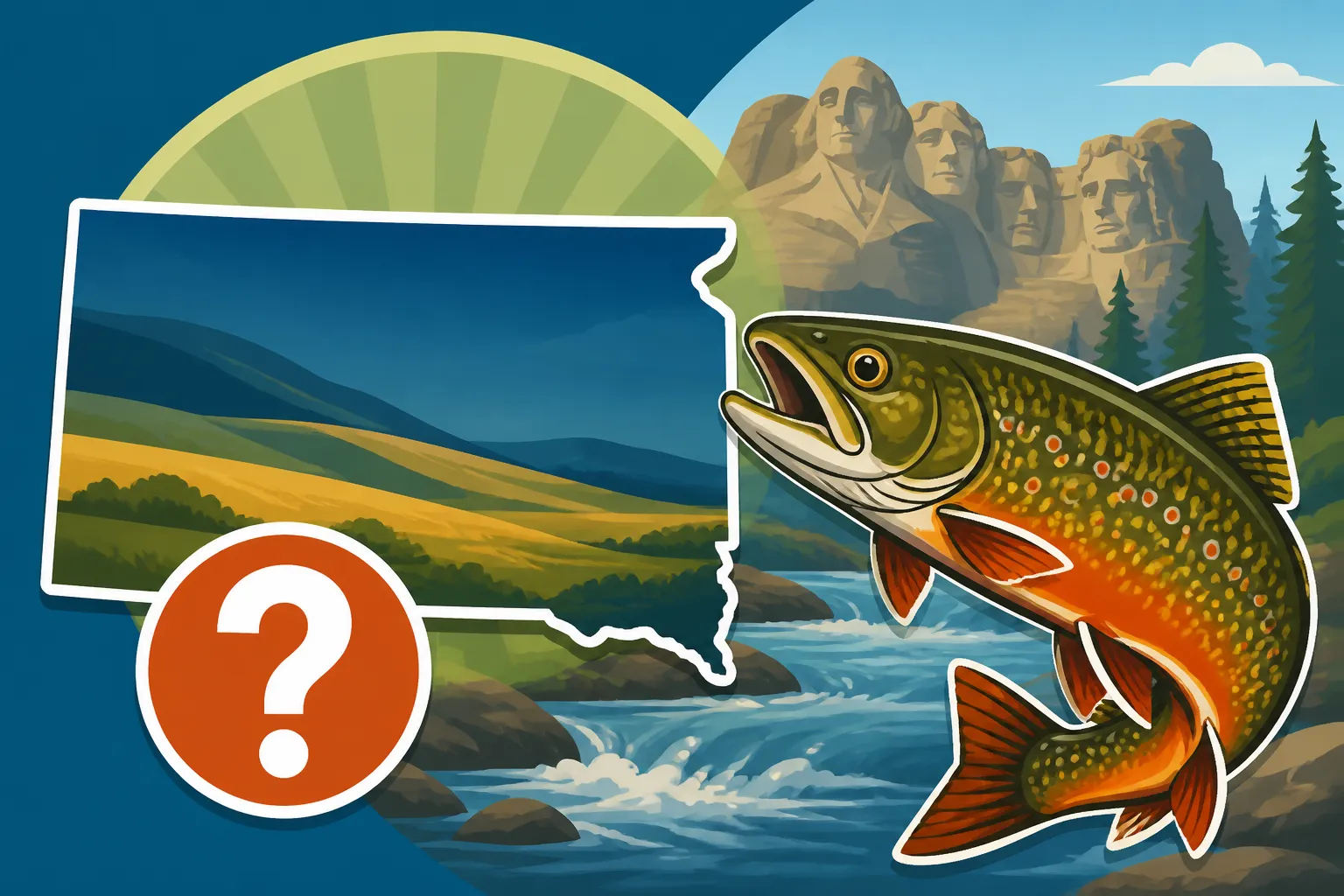
Are Brook Trout Native to South Dakota?
It’s a question many anglers ponder when they cast their lines into the clear, cold streams of the Black Hills: are these beautiful brook trout, with their distinctive worm-like markings and vibrant colors, truly native to South Dakota? The answer might surprise some, as the history of trout in our state is a fascinating blend of natural wonder and human intervention. This guide will dive deep into the origins of brook trout in South Dakota, exploring their journey, their impact on our ecosystems, and how we can best appreciate these feisty fish.
The Brook Trout's True Origins in South Dakota Waters
When we talk about "native" species, it's easy to assume that if a fish thrives somewhere now, it must have always been there. But the story of brook trout in South Dakota is a prime example of how human actions have reshaped our waterways, often with good intentions, to create the fisheries we enjoy today. Understanding this distinction is crucial for both conservation and appreciating the complex history of our state's aquatic life.
Distinguishing Native vs. Introduced Species
Let's clear up some common confusion right away. A "native" species is one that evolved naturally in a specific region, adapting to its unique environment over millennia without human assistance. Think of the bison on our prairies – a true native. An "introduced" or "non-native" species, on the other hand, is one that has been brought into an area where it didn't historically occur, whether intentionally or accidentally.
The distinction matters deeply, especially to conservationists and fisheries managers. Native species are typically in balance with their ecosystem, having co-evolved with other plants and animals in the area. Introduced species can sometimes disrupt this delicate balance, outcompeting native wildlife for food or habitat, introducing diseases, or even hybridizing with native populations, which can dilute unique genetic strains. While not all introduced species are harmful, the potential for negative impact is always a consideration. For South Dakota, understanding this helps us appreciate the efforts to manage our various fish populations and protect what truly belongs here.
The Historical Journey of Brook Trout to South Dakota
So, where do brook trout fall in this spectrum for South Dakota? They are, in fact, not native. Their original range is primarily in the eastern part of North America, stretching from Georgia north to Canada. The brook trout you find splashing in our pristine Black Hills streams today are descendants of fish introduced to South Dakota.
The primary period for these introductions was in the late 1800s and early 1900s. As settlers moved west and the desire for recreational fishing grew, many states, including South Dakota, actively imported and stocked various fish species from other regions. Brook trout were a popular choice due to their hardiness, beautiful appearance, and willingness to bite, making them excellent sport fish. They were brought in to create new fishing opportunities in waters that were often deemed "empty" or lacking desirable game fish at the time. Hatcheries played a significant role in raising these fish and distributing them into suitable streams, particularly in the Black Hills, which offered the ideal cold-water conditions they needed to survive and reproduce. This extensive stocking program laid the groundwork for the robust brook trout populations we see today, providing generations of anglers with incredible fishing experiences.
Why Brook Trout Thrive in South Dakota Even Though They Aren't Native
Despite not being indigenous to our state, brook trout have found a comfortable and incredibly productive home in certain South Dakota waters. It's not just luck; it's a combination of ideal environmental conditions and their inherent adaptability that has allowed them to establish self-sustaining populations, particularly within the unique ecosystem of the Black Hills.
Ideal Habitats in the Black Hills
The Black Hills region of South Dakota provides a network of streams that are surprisingly similar to the brook trout's native eastern habitats. These aren't your typical prairie streams; they are characterized by cold, crystal-clear water that often flows from springs, ensuring a consistent low temperature year-round. This is absolutely critical for brook trout, which are extremely sensitive to warm water. In fact, water temperatures over 68 degrees Fahrenheit can be lethal for them, which is why you won't find them thriving in many other parts of the state.
Beyond just temperature, these streams boast excellent oxygen levels, necessary for healthy fish metabolism. They also feature rocky bottoms, which provide crucial spawning habitat (brook trout are redd-builders, meaning they create depressions in the gravel to lay their eggs). The presence of diverse stream structures like deep pools, fast-moving riffles, and undercut banks offers refuge from predators and strong currents, as well as prime feeding lies. Furthermore, abundant riparian vegetation – trees and shrubs along the banks – helps shade the water, keeping it cool, and contributes to the insect life that forms a significant part of their diet. This combination of factors creates a near-perfect environment, allowing these non-native fish to flourish and become a staple of Black Hills fishing. You can learn more about these areas in our Black Hills Trout Stream Fishing Guide.
Competitive Edge and Reproductive Success
Once introduced to these welcoming Black Hills streams, brook trout quickly demonstrated their ability to not just survive, but to truly thrive. A large part of their success comes down to their competitive nature and effective reproductive strategies. They are relatively adaptable fish, capable of exploiting various food sources, from aquatic insects to small minnows and even terrestrial insects that fall into the water. Their aggressive feeding habits mean they can outcompete other fish for available sustenance, especially in smaller, less productive streams.
From a reproductive standpoint, brook trout often spawn earlier than other trout species, typically in the fall. This timing can give their fry a head start in development and growth the following spring, before other species' offspring have even hatched. They also tend to mature relatively quickly and can be prolific spawners, producing a large number of eggs. This combination of early maturation, high fecundity, and efficient spawning in the gravelly bottoms of Black Hills streams has allowed brook trout populations to become self-sustaining in many areas, meaning they no longer rely on stocking efforts to maintain their numbers. This robust natural reproduction is a key reason why they've become such a dominant and beloved species in these unique South Dakota fisheries.
The Ecological Impact of Non-Native Brook Trout
While brook trout offer fantastic fishing opportunities, their presence as an introduced species in South Dakota is not without ecological considerations. When any non-native species establishes itself, it creates ripples through the existing ecosystem, and these impacts are an important part of understanding the full picture of our state's fisheries.
Competition with Native Trout Species
One of the primary concerns with introduced brook trout is their potential to compete with, and in some cases, displace truly native fish species. While South Dakota's indigenous trout populations are historically debated, some areas may have had native cutthroat strains or other native cold-water fish that now face challenges. Brook trout are known for their aggressive nature, often outcompeting other species for prime feeding lies, spawning habitat, and overall resources, especially in smaller streams. This can lead to a reduction in the numbers or even the complete extirpation of less competitive native fish.
Beyond direct competition, there's also the concern of genetic integrity. While brook trout generally don't hybridize with other trout species found in South Dakota, their dominant presence can make it harder for native populations to rebound or for reintroduction efforts to succeed. Fishery managers carefully monitor these dynamics, aiming to balance the recreational value of brook trout with the long-term health and biodiversity of the Black Hills' aquatic ecosystems. The ongoing goal is to ensure that while anglers enjoy catching brookies, the integrity of our waterways is protected for all species. For more on trout in general, check out our South Dakota Trout Fishing Guide.
Management Strategies for Brook Trout Populations
Given their status as an introduced species that has nevertheless become a cornerstone of Black Hills fishing, managing brook trout populations requires a thoughtful and often nuanced approach. The South Dakota Game, Fish and Parks (GFP) implements various strategies designed to maintain healthy fisheries while addressing ecological concerns. In many smaller, higher-elevation streams where brook trout are particularly dominant and there are fewer concerns about native species displacement, regulations might be more liberal. For instance, in some areas, anglers might encounter "unlimited harvest" rules for brook trout, encouraging anglers to keep what they catch. This management tactic helps to control their numbers, especially in situations where they might be overpopulating a stream and stunting their growth, or potentially outcompeting other desired species.
Conversely, in streams or sections of streams where efforts are underway to protect or reintroduce native species, or where other trout like browns and rainbows are desired, management might focus on habitat restoration to favor those species. This could involve removing culverts that block fish passage, planting streamside vegetation to improve cover and shade, or carefully managing stocking of other species. The aim is often to create a diverse fishery where anglers can enjoy a variety of trout, while still recognizing the established role of brook trout in many smaller Black Hills creeks. Anglers should always consult the latest Black Hills Stream Trout Regulations before heading out to ensure they are aware of specific rules for the waters they plan to fish.
Fishing for Brook Trout in South Dakota's Black Hills
If you've never had the pleasure of chasing brook trout in the Black Hills, you're missing out on a truly unique and rewarding experience. These vibrant fish, though non-native, have truly made these waters their own, offering a special kind of solitude and challenge that sets them apart from fishing for walleye on our larger reservoirs. They might not get as big as some other trout species, but what they lack in size, they more than make up for in fight and beauty.
Where to Find Them
Finding brook trout in South Dakota is largely synonymous with exploring the cooler, higher-elevation streams of the Black Hills. These aren't the broad, sprawling rivers you might think of for large trout. Instead, brookies prefer smaller, spring-fed creeks and tributaries where the water stays consistently cold, clean, and well-oxygenated. Think of those picturesque, shaded streams tumbling through canyons and forests, often accessible via hiking trails. Places like Spearfish Creek, Rapid Creek (especially upstream from Rapid City), French Creek, Castle Creek, and their countless smaller feeder creeks are prime brook trout territory.
They tend to congregate in classic trout lies: behind boulders, in the deeper pockets of pools, under undercut banks, and around fallen logs or other stream structure that offers both cover and a break from the current. Often, the more remote and less accessible a stream, the higher the likelihood of finding a healthy population of brook trout. A good map and a willingness to hike are often your best tools for unlocking some of the best brook trout fishing spots. For a more detailed look at specific locations, our Fish Species Found in Black Hills Streams guide can be a great starting point.
Effective Techniques and Gear
Catching brook trout in these small, intimate Black Hills streams often calls for a lighter, more finesse approach. These fish, while aggressive, can also be spooky in clear, shallow water, so stealth is often your best friend. For fly anglers, a lightweight fly rod, typically a 2-weight to 4-weight, paired with a floating line, is ideal. Small dry flies, like Adams, Elk Hair Caddis, or Parachute Adams in sizes #14-18, are often effective, especially during insect hatches. When fish aren't rising, small nymphs such as Pheasant Tail or Hare's Ear in similar sizes, fished under an indicator or with a subtle tight-line technique, can be deadly. You can find a vast selection of flies and fly-tying materials on Amazon to stock your box for these waters.
Spin fishermen will also find success with ultra-light rods and reels spooled with light monofilament or fluorocarbon line (2-4 lb test). Small inline spinners, such as Mepps or Panther Martin in sizes #00 to #1, in silver, gold, or black colors, are classic brook trout lures. Micro jigs tipped with a small piece of worm or even a Berkley Gulp! Alive! micro-bait can also be incredibly effective. A simple worm on a small hook (size #8 or #10) under a tiny bobber remains a tried-and-true method, especially for younger anglers. The key is to keep your presentations subtle and natural, as these fish aren't used to seeing heavy lines or big, clunky lures. Many seasoned anglers will purchase their compact spinning reels and lightweight rods from retailers like Amazon for convenience. For a deep dive into angling techniques, you might enjoy our South Dakota Fly Fishing for Black Hills Trout article or a broader comparison of Fly Fishing vs Spin Fishing for Black Hills Trout.
Comparing Trout Species in South Dakota
To put the brook trout's place in perspective, here's a quick look at the main trout species you'll encounter in South Dakota and their general origins.
| Trout Species | Native to South Dakota? | Primary Habitat in SD | General Characteristics |
|---|---|---|---|
| Brook Trout | No (Introduced) | Cold, clear, small Black Hills streams | Distinctive worm-like markings, red spots with blue halos, square tail |
| Brown Trout | No (Introduced) | Black Hills streams, some larger rivers and lakes | Dark spots with light halos, often found in larger sizes and more tolerant of warmer water |
| Rainbow Trout | No (Introduced) | Black Hills streams, stocked lakes and ponds | Pinkish stripe along lateral line, small dark spots, commonly stocked for sport |
| Lake Trout | No (Introduced) | Deep, cold lakes (e.g., Pactola Reservoir) | Forked tail, pale spots, can grow to very large sizes in appropriate habitat |
This table clearly shows that while South Dakota offers incredible trout fishing, it's largely thanks to successful stocking programs that introduced these wonderful species to our waters.
Conclusion
So, to answer the question directly: no, brook trout are not native to South Dakota. They are a testament to historical stocking efforts that successfully introduced a resilient and beautiful game fish to the cold, clear waters of the Black Hills. While their origins lie elsewhere, they have adapted so well that they now feel like an intrinsic part of the Black Hills experience, providing countless hours of joy for anglers seeking solitude and the thrill of a wild trout.
Understanding their history helps us appreciate the careful balance required in managing our fisheries – respecting native ecosystems while still enjoying the rich fishing opportunities that introduced species provide. Whether you're casting a tiny fly or a small spinner, remember the fascinating journey of these fish as you enjoy a day on a beautiful Black Hills stream.
Disclaimer
This article is for general informational purposes only and does not constitute professional advice. Laws, prices and regulations vary by location and change over time. Consult a qualified professional for guidance on your specific situation.