Fish Species Found in Lake Francis Case
Navigating the vast and beautiful waters of Lake Francis Case can feel a bit overwhelming, especially when you're trying to figure out which fish species are biting and where to even begin looking for them. It’s easy to feel lost with so much open water, wondering if you're even in the right spot for the species you hope to catch. This guide is here to cut through that confusion, giving you a clear rundown of the most prominent and popular fish species in Lake Francis Case, along with where to find them and how to hook into them, making your next fishing adventure a whole lot more productive and enjoyable.
Walleye: The Renowned Star of Lake Francis Case
When most anglers think of fishing in South Dakota, the first fish that often comes to mind is the walleye, and Lake Francis Case is absolutely no exception. This reservoir, part of the legendary Missouri River system, holds a truly impressive population of these delicious, sought-after fish. They're a favorite for a reason – challenging to catch, fantastic table fare, and they often grow to impressive sizes here. But finding them is key, and it changes with the seasons and the conditions of this massive body of water.
Where to Find Walleye in the Lake
Walleye in Lake Francis Case are structure-oriented fish, meaning they'll relate to specific features both above and below the water line. In the spring, after the ice has melted and the water starts to warm, you'll often find walleye moving into shallower bays and points, especially those with some rock or gravel bottoms, as they prepare for and complete their spawning rituals. These areas, particularly those with a bit of current flow or a gradual break, can be goldmines for early season action. Think about the north ends of bays or shoreline stretches that catch the sun and warm up faster.
As summer progresses and water temperatures rise, walleye tend to move deeper, often congregating along the main river channel, humps, submerged islands, and sharp drop-offs. Look for areas where the old river channel snakes through the reservoir, creating natural migration routes and ambush points. They’ll frequently suspend over deeper water, especially if there's a thermocline, or cling tightly to the bottom of these structures. Don’t ignore bridge pilings or riprap areas where the current creates eddies – these are prime spots for walleye to hang out and wait for baitfish. You'll often find them lurking just outside the main current, waiting for an easy meal to drift by. For more general advice on chasing these fish, check out our South Dakota Walleye Fishing Guide.
Best Techniques and Baits for Walleye
Fishing for walleye in Lake Francis Case can involve a variety of proven techniques, each effective depending on the time of year and the specific conditions you're facing. Trolling is incredibly popular, especially with crankbaits or spinner rigs pulled behind bottom bouncers. Crankbaits that dive to different depths are essential, allowing you to cover various parts of the water column until you locate where the fish are holding. Look for lures that mimic shad or other baitfish commonly found in the lake.
Jigging is another classic and highly effective method, particularly when walleye are holding tight to structure or in specific current seams. A lead-head jig tipped with a lively minnow, a piece of nightcrawler, or even a soft plastic paddle tail can be deadly. Vary your jigging retrieve until you find what triggers a strike – sometimes it’s a sharp snap, other times a subtle lift and drop. For those times when fish are scattered or feeding aggressively, a slip bobber setup with a minnow or leech can be incredibly effective, especially around submerged brush or along weed lines. When you're stocking up, don't forget to browse a wide array of options available on Amazon to ensure you have all the right lures and baits for the season. To really hone your presentation, consider learning some Trolling for Walleye on Lake Oahe techniques, which often apply well to Francis Case too.
Smallmouth Bass: The Mighty Fighter
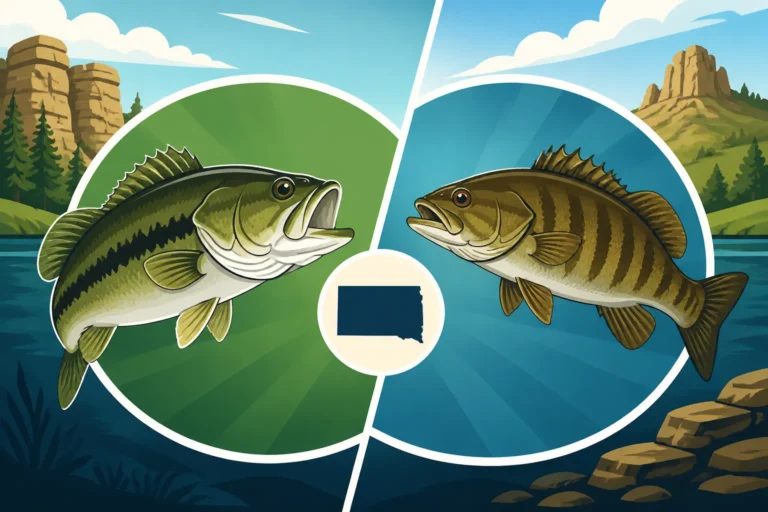
While walleye might be the most talked-about fish, Lake Francis Case is also home to a fantastic population of smallmouth bass. These aggressive fighters offer an exhilarating experience, often hitting lures with a ferocity that will get your adrenaline pumping. They're particularly abundant in certain sections of the lake, preferring different types of habitat than their walleye counterparts. If you love a good fight and acrobatic jumps, the smallmouth in Francis Case will not disappoint.
Prime Smallmouth Habitat in Lake Francis Case
Smallmouth bass thrive in areas with rocky bottoms, gravel, and plenty of submerged structure. In Lake Francis Case, this means focusing your efforts on riprap shorelines, rocky points, and bluffs. The main lake points, especially those that extend far out into deeper water, are prime real estate for smallmouth. You'll also find them congregating around bridge pilings, submerged rock piles, and any hard-bottomed areas where they can ambush baitfish. Unlike walleye that often prefer murkier water, smallmouth can be found in clearer sections of the lake, often where sunlight penetrates deeper, allowing them to spot prey from a distance.
As the water warms in late spring and summer, smallmouth will often move shallower during low-light conditions to feed, then retreat to deeper ledges and breaks during the heat of the day. They love current, so any areas where the Missouri River flow is noticeable, creating eddies or current breaks around structure, are excellent places to target. Knowing your way around the lake's topography will really pay off; a good contour map can reveal hidden gems. Our South Dakota Smallmouth Bass Fishing Guide has more in-depth tips for these bronze beauties.
Effective Lures and Strategies for Smallmouth
Smallmouth bass are known for hitting a wide variety of lures, making them a fun target for anglers who enjoy active casting and retrieving. Topwater lures like poppers, walking baits, and prop baits can be incredibly exciting during early mornings, late evenings, or on overcast days when fish are feeding on the surface. Imagine the explosive strike when a smallmouth hammers your lure – it’s a moment you won’t soon forget!
For subsurface action, crankbaits that mimic shad or crawfish are highly effective when retrieved along rocky edges or over submerged structure. Soft plastics, especially tube jigs, senkos, and creature baits, worked slowly along the bottom or jigged through cover, are also phenomenal producers. Drop shot rigs are excellent for targeting smallmouth holding deeper on ledges or suspended over structure. Don't be afraid to experiment with colors; natural tones like green pumpkin, watermelon, and brown often work well, but bright chartreuse or orange can sometimes trigger a reaction strike. You can find a huge selection of these specific baits and lures, including popular brands, with a quick search on Amazon. Many of these strategies are also effective for Lake Francis Case Smallmouth Bass Fishing.
Catfish: The Bottom Dwellers with a Big Bite
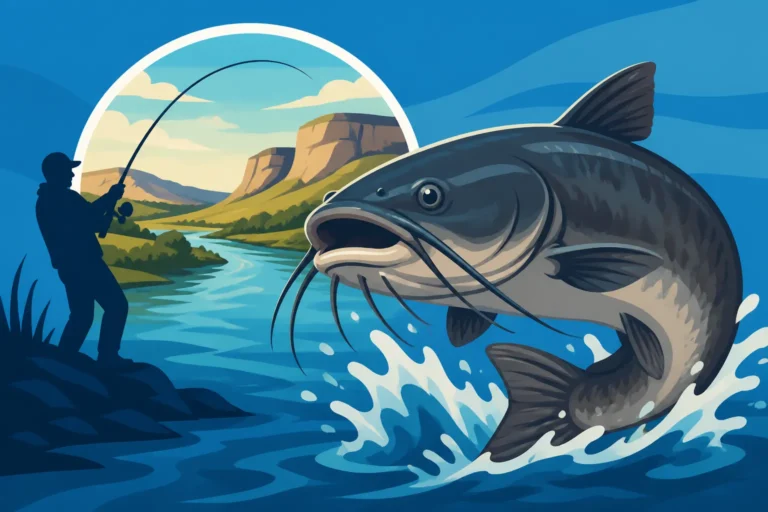
If you're looking for a powerful fight and some delicious fillets, the catfish population in Lake Francis Case will certainly deliver. Both channel catfish and flathead catfish are abundant here, offering different challenges and rewards. While they might not be as glamorous as walleye or bass for some, the thrill of wrestling a large cat out of the depths is an experience all its own, and they provide some excellent eating, too.
Locating Channel and Flathead Catfish
Channel catfish are generally more widespread and can be found throughout the lake, often preferring areas with softer bottoms, deeper holes, and structure like submerged timber or brush piles. They tend to patrol the bottom of the main river channel and its tributaries, especially where current breaks create natural feeding lanes. During warmer months, you'll also find them congregating in shallow flats and bays, particularly after a good rain, where they forage for food. They are scavengers at heart and will move to where food is most plentiful.
Flathead catfish, on the other hand, are more elusive and typically prefer deeper, slower-moving water with heavy cover, such as log jams, rocky crevices, and undercut banks. They are ambush predators and will hide in these spots, waiting for live prey to swim by. Look for them in the deeper stretches of the old river channel or near significant bends in the main lake where large pieces of timber have accumulated. Understanding these distinct habitat preferences is crucial for targeting one species over the other. More detailed information can be found in our South Dakota Catfish Fishing Guide.
Go-To Baits and Setups for Catfish
Fishing for channel catfish often involves using strong-smelling baits. Cut bait (like shad, suckers, or even hot dogs), stink baits, and chicken livers are all highly effective. A simple bottom rig with a heavy sinker to keep your bait in place, a sturdy hook, and a leader is usually all you need. Cast your bait into promising areas and let it soak, checking it periodically for bites. They often take the bait subtly at first, so keep a close eye on your rod tip.
For flathead catfish, live bait is almost always the preferred choice. Smaller live sunfish, bluegill, or suckers are excellent options. You’ll need much heavier tackle for flatheads – strong rods, reels with plenty of line capacity, and stout hooks are essential to handle these powerful fish. Rig your live bait with a large circle hook on a heavy leader, again using a substantial weight to keep it near the bottom in current. Fishing for flatheads is often a waiting game, but the reward of landing a true river monster is well worth the patience. Whether you're after prepared stink baits or the hooks and weights for a live bait setup, Amazon offers a comprehensive selection to equip you for your next catfish hunt. For specific bait recommendations, take a look at our guide on the Best Bait for South Dakota Catfish.
Panfish: Crappie and Perch for All Ages
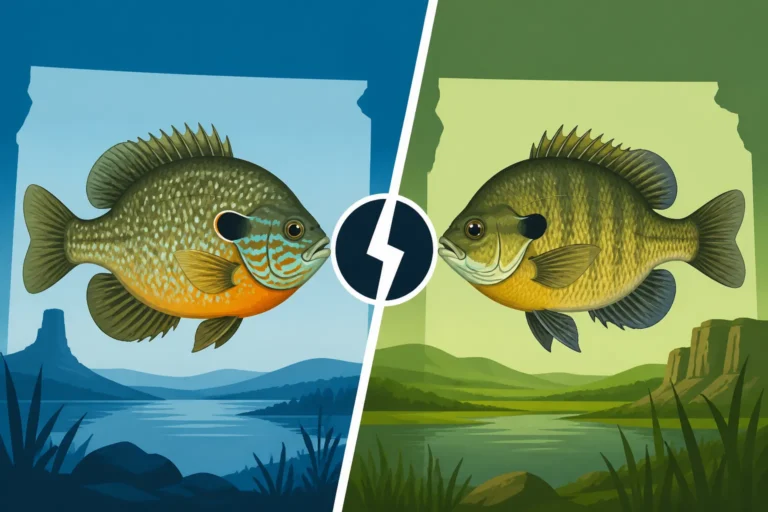
While walleye, bass, and catfish get a lot of the spotlight, Lake Francis Case also offers fantastic opportunities for panfish, specifically crappie and yellow perch. These smaller, schooling fish are incredibly fun to catch, often providing non-stop action, and they make for some of the best eating in the lake. They're also an excellent target for families and beginner anglers, as the techniques are generally straightforward and the bites can be frequent.
Finding Crappie and Perch Schools
Crappie in Lake Francis Case are notorious for congregating around submerged timber, brush piles, fallen trees, and bridge pilings. They love to relate to vertical structure, often suspending at specific depths within these cover areas. Look for old creek channels that run into the main lake, especially where they have standing timber or flooded brush. In the spring, they’ll move into shallower, warmer coves and bays to spawn, making them easier to target from shore or with a small boat. As summer progresses, they’ll often retreat to deeper brush piles or suspend over the main lake channel, following schools of baitfish.
Yellow perch, on the other hand, tend to prefer areas with more subtle structure, such as humps, sand flats adjacent to drop-offs, and areas with aquatic vegetation (if present). They are often found in slightly shallower to moderate depths, moving in tight schools. A good fish finder can be invaluable for locating these schools, as they might be anywhere from a few feet off the bottom to suspended in open water. Pay close attention to points and flats near sharp breaks, especially those with some gravel or sandy patches mixed in.
Simple Techniques for Panfish Success
Fishing for crappie is often best with light tackle. Small jigs (1/32 to 1/16 ounce) tipped with a small minnow, a crappie tube, or a soft plastic grub are incredibly effective. A simple slip bobber rig, setting your bait at the depth where you're marking fish, is another popular and successful method. When you find a school, you can often catch multiple fish in the same spot. Vertical jigging directly over structure is also a great way to tempt crappie that are holding tight to cover. Our guide on Crappie Fishing Techniques for Suspended Fish can offer more insights.
For yellow perch, similar light tackle approaches work well. Small jigs, tiny spoons, or a plain hook with a piece of nightcrawler, worm, or a waxworm fished near the bottom are all proven methods. Many anglers will use a small tear-drop jig or an ice-fishing jig during open water season, sweetened with a piece of bait. Perch often give a subtle tap or light bite, so using a sensitive rod and paying close attention is key. Both crappie and perch fishing offer great opportunities for kids to get in on the action, as the tackle is simple and the bites are usually plentiful.
No matter which species you're chasing, remember that fishing is about adapting. What works one day might not work the next, so keep an open mind and be willing to try different techniques and baits. Lake Francis Case is a fantastic fishery, offering diverse opportunities for all types of anglers.
Other Notable Fish Species in Lake Francis Case
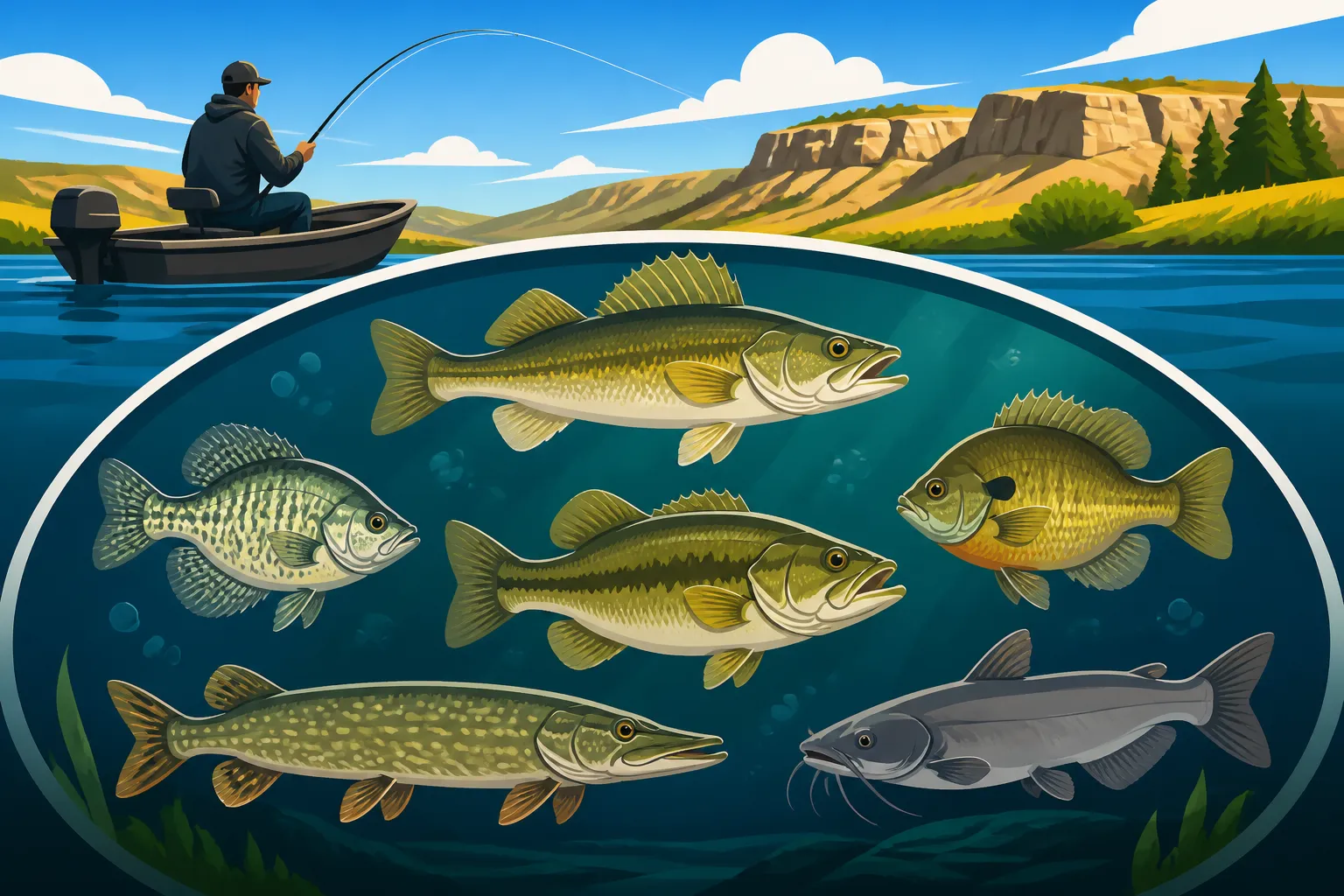
While walleye, smallmouth bass, catfish, crappie, and perch are undoubtedly the most popular targets, Lake Francis Case is a dynamic ecosystem that supports a variety of other fish species that anglers might encounter. These can add unexpected excitement to your day on the water and round out your fishing experience.
Northern Pike: The Toothy Predators
Northern pike are present in Lake Francis Case and, while not as abundant as in some of the glacial lakes, they can grow to impressive sizes here. These ambush predators love to hide in weed beds, submerged timber, or along sharp drop-offs, waiting to dart out and strike unsuspecting prey. If you're targeting pike, look for areas with any remaining vegetation or large schools of baitfish. Large spoons, crankbaits, spinnerbaits, and even live suckers are effective baits for these toothy critters. Be sure to use a steel leader to prevent bite-offs!
White Bass: Schooling Action
White bass are a schooling fish that can provide fast and furious action, especially during their spring and fall runs. They often feed aggressively on schooling baitfish near the surface, creating visible "boils" or disturbances on the water. When you spot these feeding frenzies, cast small spoons, spinnerbaits, or topwater lures into the melee for almost guaranteed hook-ups. They are excellent fighters for their size and provide good table fare.
Sauger: Walleye's Cousin
Often mistaken for walleye, sauger are another member of the perch family found in Lake Francis Case. They prefer deeper, cooler, and sometimes murkier water than walleye, often holding tighter to the bottom in areas with current. Their coloring is typically more mottled than a walleye, and they lack the distinct white tip on the lower tail fin. The same techniques and baits used for walleye will often catch sauger, particularly jigging or using bottom bouncers in the main river channel.
Carp and Buffalo: Bottom Feeders and Fighters
Common carp and various species of buffalo are also abundant in Lake Francis Case. While not typically sought after by sport anglers, they offer a tremendous fight on appropriate tackle. They are bottom feeders and can be targeted with corn, dough balls, or other prepared baits. Bowfishing for these species is also popular in some areas during certain times of the year.
This diverse array of species truly makes Lake Francis Case a fantastic and versatile fishing destination, offering something for everyone, no matter your preferred style of fishing or target species.
| Fish Species | Primary Habitat | Best Baits/Techniques | General Seasonability |
|---|---|---|---|
| Walleye | Points, humps, main channel, drop-offs, rocks | Crankbaits, jigs, bottom bouncers, minnows | Spring, Summer, Fall |
| Smallmouth Bass | Rocky shorelines, riprap, submerged rocks | Topwater, crankbaits, jigs, soft plastics | Spring, Summer, Fall |
| Channel Catfish | Deeper holes, soft bottoms, timber, current breaks | Cut bait, stink bait, chicken liver | Spring, Summer, Fall |
| Flathead Catfish | Deep holes, heavy timber, rocky crevices | Live bait (sunfish, suckers) | Summer, Early Fall |
| Crappie | Submerged timber, brush piles, bridge pilings | Small jigs, minnows, crappie tubes | Spring, Summer, Fall |
| Yellow Perch | Humps, sand flats, weed edges, drop-offs | Small jigs, worms, waxworms | Spring, Summer, Fall |
| Northern Pike | Weed beds, submerged timber, drop-offs | Spoons, crankbaits, spinnerbaits, live bait | Spring, Summer, Fall |
| White Bass | Open water, surface boils, main channel | Small spoons, spinnerbaits, topwater | Spring, Summer, Fall |
| Sauger | Deeper, murkier water, current, bottom structure | Jigs, bottom bouncers, minnows | Spring, Summer, Fall |
Disclaimer
This article is for general informational purposes only and does not constitute professional advice. Laws, prices and regulations vary by location and change over time. Consult a qualified professional for guidance on your specific situation.