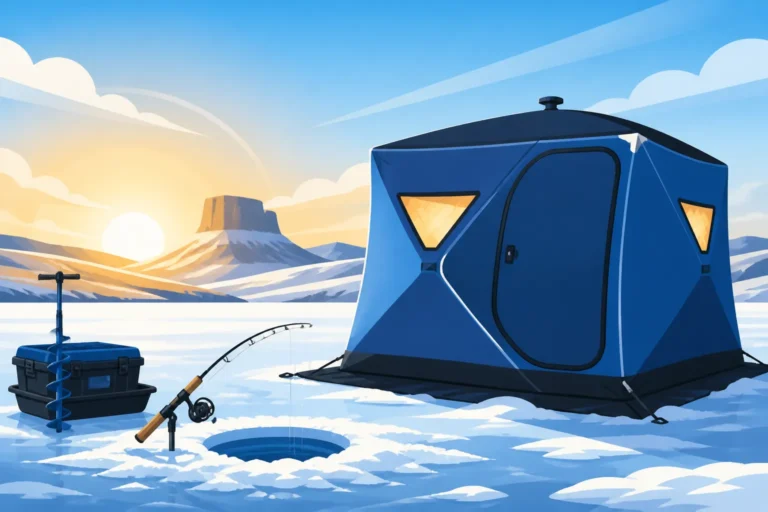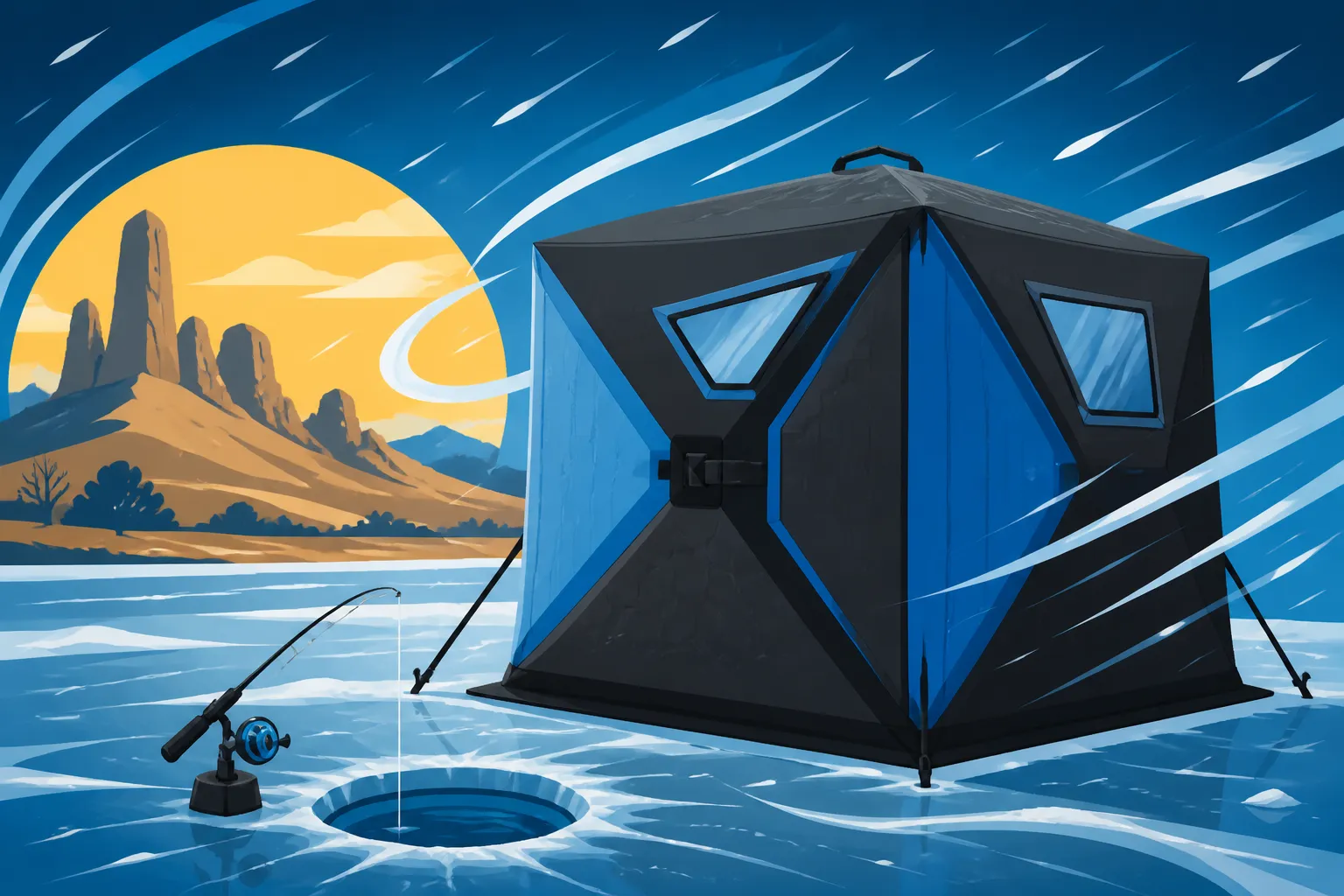
Best Portable Ice Shelter for Windy Conditions
There's nothing quite like the crisp, silent beauty of a South Dakota winter morning out on the ice, but that serene picture can quickly turn into a grueling battle when the notorious prairie wind kicks up. Many of us have experienced the frustration of wrestling with a flimsy ice shelter, watching it buckle and threaten to take flight, making an otherwise peaceful day of fishing utterly miserable. This guide is dedicated to helping you find the absolute best portable ice shelter designed to stand strong against South Dakota's fiercest winds, ensuring your comfort and safety so you can focus on catching fish.
The Relentless South Dakota Wind: Why It's Your Biggest Ice Fishing Foe
If you've spent any time ice fishing across the glacial lakes region or even on the Missouri River reservoirs like Lake Oahe or Lake Sharpe, you know that the wind isn't just a nuisance; it's a fundamental challenge. It howls, it bites, and it can turn a pleasant day into a survival test. This isn't just about personal comfort, though that's a huge part of it. A strong gust can compromise your gear, ruin your setup, and even pose a safety risk if your shelter isn't up to the task.
Understanding Wind Chill and Shelter Stability
The actual air temperature might be a balmy 20 degrees Fahrenheit, but add a 20 mph wind, and that wind chill factor can plummet to dangerously low single digits or even below zero. This isn't just discomfort; it's hypothermia territory if you're not adequately protected. A well-built, wind-resistant shelter creates a crucial microclimate inside, significantly reducing the impact of wind chill. But it's not just about staying warm. The constant buffeting also tests the structural integrity of your shelter. A weak frame can bend or break, leading to collapsed walls or even the entire shelter tearing away from its anchors. Imagine being miles out on Lake Poinsett or Bitter Lake, your lines down, only for your shelter to become a kite. It's a scenario no angler wants to face.
Common Frustrations with Flimsy Shelters
We've all been there. You spend precious minutes trying to set up your shelter, only for a sudden gust to send it cartwheeling across the ice. Or maybe you're inside, trying to concentrate on your flasher, but the fabric is flapping violently, letting in drafts, and constantly threatening to tear. The thin walls of some entry-level shelters just don't stand a chance against sustained winds, leading to annoying rattles, condensation, and inadequate insulation. It's frustrating to invest in gear only to have it fail you when you need it most. You want to be comfortable enough to enjoy the fishing, not constantly battling your gear. A robust shelter also means you don't have to pack up early just because the wind picked up, extending your time on the productive hardwater. For a comprehensive look at what else you might need, check out our South Dakota Ice Fishing Guide.
Key Features of a Wind-Resistant Portable Ice Shelter
When you're outfitting yourself for battling South Dakota's notorious winter winds, knowing what to look for in an ice shelter is absolutely paramount. It's not just about flashy features; it's about core structural integrity and thoughtful design that can withstand a sustained prairie gale.
Fabric Density and Insulation
The material your shelter is made from is the first line of defense against the elements. You'll want to pay close attention to the denier count of the fabric. Without getting too technical, a higher denier means a thicker, more durable fabric. Look for shelters with a denier count of at least 600D, and ideally, closer to 900D or 1200D. This isn't just about preventing rips and tears from sharp ice or hooks; it also plays a significant role in blocking the wind's penetration.
Beyond just the fabric, insulation is critical. Many top-tier shelters now feature insulated fabric layers, essentially creating a thermal barrier similar to a quality winter jacket. This multi-layer construction, often with a dark interior, helps trap heat generated by your body or a small heater, drastically reducing the impact of wind chill and keeping you warmer with less fuel. It also significantly reduces condensation, which can be a real problem in colder temperatures. When you're tucked inside a well-insulated shelter on a blustery day, you'll feel the difference immediately.
Robust Frame and Hub Design
The skeleton of your shelter is what truly holds it together against the wind. For hub-style shelters, this means paying close attention to the strength and diameter of the poles and the quality of the hubs. Look for fiberglass or aluminum poles that are thick and less prone to bending or snapping. The hubs themselves, where the poles connect, should be heavy-duty and reinforced, not flimsy plastic. These connection points are often the first to fail under stress.
For flip-over style shelters, the frame system supporting the tent should be equally robust. Aluminum or steel frames are common, with designs that lock into place securely. The goal is minimal flex and wobble. A sturdy frame prevents the shelter from collapsing inward during heavy gusts, maintaining its shape and providing consistent protection. Think of it like a tent designed for mountaineering versus a casual backyard tent; the structural requirements for extreme conditions are much higher.
Anchoring Systems and Skirts
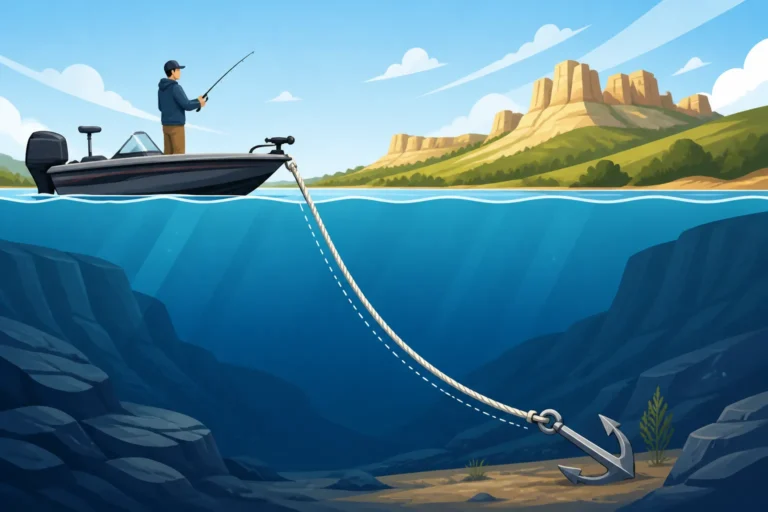
Even the strongest frame and thickest fabric are useless if your shelter isn't securely anchored to the ice. A truly wind-resistant shelter will come equipped with heavy-duty ice anchors and reinforced grommets or attachment points. The anchors should be easy to screw into tough ice and have large enough heads to provide a solid hold. Some shelters even include a drill adapter for quicker, more secure anchoring.
Equally important are the skirting panels around the base of the shelter. These extra flaps of fabric extend outward from the bottom of the walls. Their purpose is twofold: first, you can pile snow or ice on them to create a seal, preventing wind from blowing under the shelter and creating drafts. Second, this added weight and seal significantly increase the shelter's overall stability, making it much harder for wind to lift or shift it. Always make sure your shelter has ample skirting that can be easily weighted down. When looking for gear, places like Bass Pro Shops or even Amazon offer a wide range of ice anchors and skirt designs, so you can often upgrade if your shelter's stock options aren't quite enough for South Dakota's gusty days.
Ventilation and Interior Space Considerations
While battling wind, it might seem counterintuitive to talk about ventilation, but it's absolutely crucial, especially if you're running a propane heater inside. Proper ventilation prevents carbon monoxide buildup, making your fishing experience safe. Look for shelters with multiple zippered vents that can be adjusted to allow for airflow without letting in excessive drafts or sacrificing warmth. These vents are typically positioned high up to allow rising exhaust gases to escape.
Interior space isn't just about comfort; it affects how the wind interacts with the shelter. While a larger footprint offers more room for gear and buddies, it also presents a bigger surface area for the wind to push against. Consider the actual usable fishing space versus the overall dimensions. A taller shelter might feel roomier but can be more susceptible to tipping in extreme winds if not anchored perfectly. Think about how many people you typically fish with and how much gear you bring. A 2-person shelter is generally more stable than a 4-person shelter in high winds, simply because of its smaller wind profile.
Types of Portable Ice Shelters for Windy Conditions
When it comes to portable ice shelters that can brave the blustery South Dakota plains, two main types dominate the market: hub-style and flip-over shelters. Both have their loyal adherents, and each offers distinct advantages when the wind is whipping.
Hub-Style Shelters: Stability and Setup
Hub-style shelters, often referred to as "pop-up" shelters, are incredibly popular for their generous interior space and relatively easy setup once you get the hang of it. They get their name from the central "hubs" where the fiberglass poles radiate outwards to form the walls and roof. When deployed, they create a cube or rectangular shape.
Advantages in Wind:
- Wider Footprint: Many hub shelters offer a larger base area compared to some flip-overs, which can translate to better stability if properly anchored. The broad, flat sides can shed wind effectively when secured.
- Internal Volume: They provide ample room for multiple anglers, heaters, and electronics, which means you're not bumping elbows or feeling cramped on a long day. This space allows for better organization of your South Dakota Fishing Gear Checklist.
- Easy to Anchor: Most modern hub shelters feature multiple exterior D-rings or loops specifically designed for ice anchors. With four to six (or even more on larger models) anchor points and good skirting, you can effectively pin these shelters down.
Considerations for Wind:
- Setup Time: In very high winds, setting up a hub shelter can be a two-person job. The large fabric panels can act like sails, making it difficult to extend the hubs and get anchors in before it tries to take flight. Always deploy the anchors on the upwind side first.
- Side Walls: While spacious, the large, relatively flat side walls can catch a lot of wind if not properly anchored. The entire structure can "flex" under extreme pressure if the frame isn't robust.
Manufacturers like Eskimo, Clam, and Frabill are well-known for producing robust hub-style shelters with heavy-duty fabrics and strong pole systems. Look for their "thermal" or "heavy-duty" models specifically designed for extreme conditions.
Flip-Over Shelters: Quick Deployment and Protection
Flip-over shelters, often called "sled shelters," are mounted on a heavy-duty sled base that also serves as your gear transport. When you reach your spot, you simply "flip over" the canvas top, and the shelter deploys, often in seconds.
Advantages in Wind:
- Inherent Weight and Low Profile: The heavy sled base provides a significant anchor point even before you add ice anchors. When deployed, flip-overs typically have a lower profile than hub shelters, presenting less surface area for the wind to push against, especially when facing into the wind.
- Rapid Deployment: This is arguably their biggest advantage in windy conditions. You can literally pull up to your spot, flip it over, and be fishing in under a minute, minimizing the time your shelter is exposed to the wind in an unsecured state. This speed can be a game-changer on a truly blustery day when every second counts.
- Excellent Wind Seal: The rigid sled bottom forms a solid, draft-free seal with the ice, especially if you kick a little snow around the base. This virtually eliminates drafts from below, keeping the interior warmer.
- Built-in Seating: Most flip-overs come with built-in seats, which adds stability and weight to the overall structure.
Considerations for Wind:
- Space: While comfortable for one or two people, larger flip-overs for three or more can become quite heavy and cumbersome to pull. They generally offer less standing room than hub shelters.
- Weight: The heavy sled and frame, while a benefit for stability, can make them heavier to transport by hand or ATV, especially over snow.
Popular flip-over brands like Clam, Otter, and Eskimo offer models that are exceptionally well-suited for windy conditions. Their sleds are designed for durability, and their thermal fabrics provide excellent protection. Considering a flip-over model from one of these brands is a wise choice if quick, robust protection from the wind is your top priority. You can often find these specialized shelters at dedicated fishing retailers or large sporting goods stores, as well as online through retailers like Amazon.
Making Your Choice: What to Consider Before Buying
Choosing the right portable ice shelter for South Dakota's unpredictable winters isn't a decision to take lightly. It's an investment in your comfort, safety, and ultimately, your enjoyment of ice fishing. Beyond just the type of shelter, there are several practical considerations that will guide you to the perfect fit.
Size and Capacity
This is often the first thing people think about. How many people will typically be fishing with you? If it's usually just you and maybe one buddy, a 1-2 person shelter might be ideal. It's lighter, easier to set up, and generally more stable in high winds due to its smaller surface area. However, if you regularly fish with a larger crew, a 3-4 person shelter becomes necessary. Just remember, as the capacity increases, so does the shelter's footprint and its susceptibility to wind if not properly secured.
Think about not just the number of people but also the amount of gear. Do you bring a lot of rods, an Best Fish Finders for Ice Fishing unit, a heater, a cooler, and a tackle box for Best Lures for South Dakota Walleye? All that gear needs space. Ensure there's enough room to maneuver comfortably, tend your lines, and store your equipment without feeling claustrophobic. Too small, and you'll be constantly frustrated; too large, and it might be unwieldy in the wind.
Weight and Portability
This is a critical factor, especially if you do a lot of walking or use an ATV/snowmobile to get to your spots. A lighter shelter is always easier to pull, but often that lightness comes with compromises in fabric thickness or frame strength. Finding the right balance is key.
- For Walk-Out Anglers: If you're hoofing it across the ice, every pound matters. Look for lighter hub shelters or compact flip-overs that are designed for easy towing by hand. You might sacrifice some interior space for the sake of portability.
- For ATV/Snowmobile Anglers: If you've got power to spare, you can afford a heavier, more robust flip-over or a larger hub shelter. The added weight of a sturdy frame and insulated fabric will be less of a concern. Consider how easily the shelter packs down for transport. Does it fit in your truck bed or on your sled without too much fuss? Also, consider how easy it is to set up solo versus needing assistance, especially if you're out on the ice alone.
Budget and Durability
Portable ice shelters range significantly in price, from entry-level options to premium, feature-packed models. Generally, you get what you pay for when it comes to durability and wind resistance. Investing in a higher-quality shelter upfront can save you headaches and money in the long run by preventing early wear and tear or catastrophic failure in severe weather.
- Entry-Level: These might be fine for calm days or casual fishing but often lack the heavy-duty fabric, robust frames, and superior anchoring systems needed for sustained winds. They might be a good starting point if you're just dipping your toes into ice fishing, but expect to upgrade if you become serious about tackling windy conditions.
- Mid-Range: This is where you'll find a sweet spot of features, durability, and price. Many reputable brands offer excellent insulated models with sturdy frames that are more than capable of handling typical South Dakota winter days.
- Premium: These shelters boast the thickest fabrics, strongest frames, best insulation, and most comprehensive anchoring systems. They are built for serious anglers who demand the best protection in the harshest conditions, often featuring innovative designs and materials. They are a significant investment but can last for many seasons.
Always read reviews and check the warranty. A company that stands behind its product is a good sign. When considering longevity, think about how well the zippers, hubs, and fabric seams are constructed – these are common failure points on lesser quality shelters. Remember, a durable shelter means more seasons of comfortable fishing without worrying about replacement.
| Feature | Hub-Style Shelter (Wind-Resistant Models) | Flip-Over Shelter (Wind-Resistant Models) |
|---|---|---|
| Wind Resistance | Excellent when fully anchored and skirted | Excellent due to low profile & sled base |
| Setup Speed | 5-10 minutes (can be tough in high wind) | 1-2 minutes (very fast, ideal for quick protection) |
| Portability | Lighter, compact pack-down (easier for walk-ins) | Heavier, sled acts as transport (ATV/snowmobile best) |
| Interior Space | Generally more standing room, spacious | Comfortable for 1-2, less standing room |
| Anchoring | Requires multiple ice anchors (often 4-6+) | Sled provides inherent weight, plus optional anchors |
| Insulation | Often high-denier thermal fabrics available | High-denier thermal fabrics, good floor seal |
| Draft Protection | Good with proper skirting & snow seal | Excellent due to rigid sled floor seal |
| Integrated Gear | None (bring your own seats, sleds) | Built-in seats, sled for gear transport |
Tips for Maximizing Shelter Stability in High Winds
Even the best portable ice shelter needs a little help to stand firm against South Dakota's fierce winds. Proper technique and smart placement can make all the difference between a comfortable fishing trip and a frustrating struggle.
Proper Anchoring Techniques
This is arguably the most critical aspect of keeping your shelter secure. Never underestimate the power of the wind. Even if it feels calm when you set up, conditions can change rapidly on the ice.
- Use All Available Anchor Points: Don't skimp. If your shelter has six anchor points, use all six. These points are engineered to distribute stress evenly across the frame.
- Angle Your Anchors: Don't just screw them straight down. Angle your ice anchors away from the shelter (typically at about a 45-degree angle). This creates a stronger hold against upward lift and horizontal shear forces.
- Use a Drill Adapter: Manually screwing in anchors can be a pain, especially in hard ice or with cold hands. A drill adapter makes quick work of it, ensuring your anchors are seated securely and deep into the ice. Many anglers swear by a cordless drill with a specialized adapter for rapid deployment.
- Weight Down the Skirting: After anchoring the main body, always kick snow or loose ice onto the skirting panels that lie flat on the ice around the base. This creates a seal against drafts and adds significant weight, preventing the wind from getting underneath and lifting the shelter. It essentially glues the shelter to the ice.
- Anchor to a Sled (for Hubs): If you're using a hub shelter and have a fishing sled for your gear, consider running straps from your shelter's anchor points directly to your weighted sled inside. This adds another layer of stability, using the weight of your gear to your advantage.
Remember, a poorly anchored shelter is not just an inconvenience; it can be a hazard, potentially blowing away or even causing injury. Always prioritize secure anchoring. For more specific details on securing your equipment, check out our Ice Fishing Gear Basics for Beginners.
Strategic Placement and Orientation
Where and how you set up your shelter can significantly impact its performance in the wind.
- Scout for Natural Windbreaks: Look for any natural features that can offer a buffer. This might be a shoreline, a point of land, or even a large snowdrift. While open ice is often unavoidable, even a slight reduction in direct wind impact can make a difference.
- Orient Your Shelter: Try to position your shelter with the narrowest side facing directly into the prevailing wind. This minimizes the surface area that the wind can push against, similar to how an airplane wing is designed to cut through the air. If the wind direction changes, and it often does in South Dakota, you may need to adjust your shelter's orientation if practical.
- Avoid Exposed Open Ice: While tempting to set up on a known hotspot in the middle of a vast lake, these areas are often the most exposed to wind. If possible, seek out areas closer to shorelines or other structures that might offer some protection, even if it's just a slight dip in the terrain. For example, if fishing Lake Oahe, consider how a point or bay might offer some reprieve from the main lake's exposure.
- Check Ice Thickness: Before you even think about setting up, always verify the ice thickness. Wind can exacerbate conditions, making thin ice even more dangerous. Know How Thick Ice Should Be Before Fishing in South Dakota for safe operation.
By combining a high-quality, wind-resistant shelter with meticulous anchoring and thoughtful placement, you can dramatically improve your comfort and safety, allowing you to enjoy your time targeting winter walleyes, perch, or northern pike, even when the wind is roaring. For those chilly days, you'll also want to know How Cold It Gets Ice Fishing in South Dakota to prepare adequately.
The South Dakota wind can be a formidable opponent, but with the right portable ice shelter, it doesn't have to ruin your fishing trip. Investing in a shelter specifically designed for harsh conditions, with robust fabrics, strong frames, and superior anchoring systems, is an investment in your comfort and success on the ice. Whether you opt for the spaciousness of a well-anchored hub or the rapid deployment of a sturdy flip-over, knowing its features and how to maximize its stability will make all the difference. So gear up, brave the elements, and enjoy the incredible winter fishing opportunities South Dakota has to offer, knowing you're protected from the elements.
Disclaimer
This article is for general informational purposes only and does not constitute professional advice. Laws, prices and regulations vary by location and change over time. Consult a qualified professional for guidance on your specific situation.