How to Fish a Hair Jig for Crappie
If you've ever found yourself staring at a blank spot on the water, wondering why those crappie aren't biting despite your best efforts with plastics or minnows, you're not alone. Crappie can be incredibly finicky, especially when the water's cold or they're just not aggressive. But there's a timeless, often overlooked bait that can turn a slow day into a stellar one: the hair jig. This guide is all about equipping you with the knowledge and techniques to effectively fish a hair jig for crappie across South Dakota's diverse waters, helping you unlock bites when other baits fail.
Why the Hair Jig is a Crappie Angler's Secret Weapon in South Dakota
There's something almost magical about a properly fished hair jig when it comes to tempting reluctant crappie. It’s not just another lure; it's a finesse tool that excels when the bite gets tough, making it an indispensable part of any serious crappie angler's arsenal, whether you're on the Glacial Lakes or the Missouri River reservoirs.
The Undeniable Appeal of Natural Movement
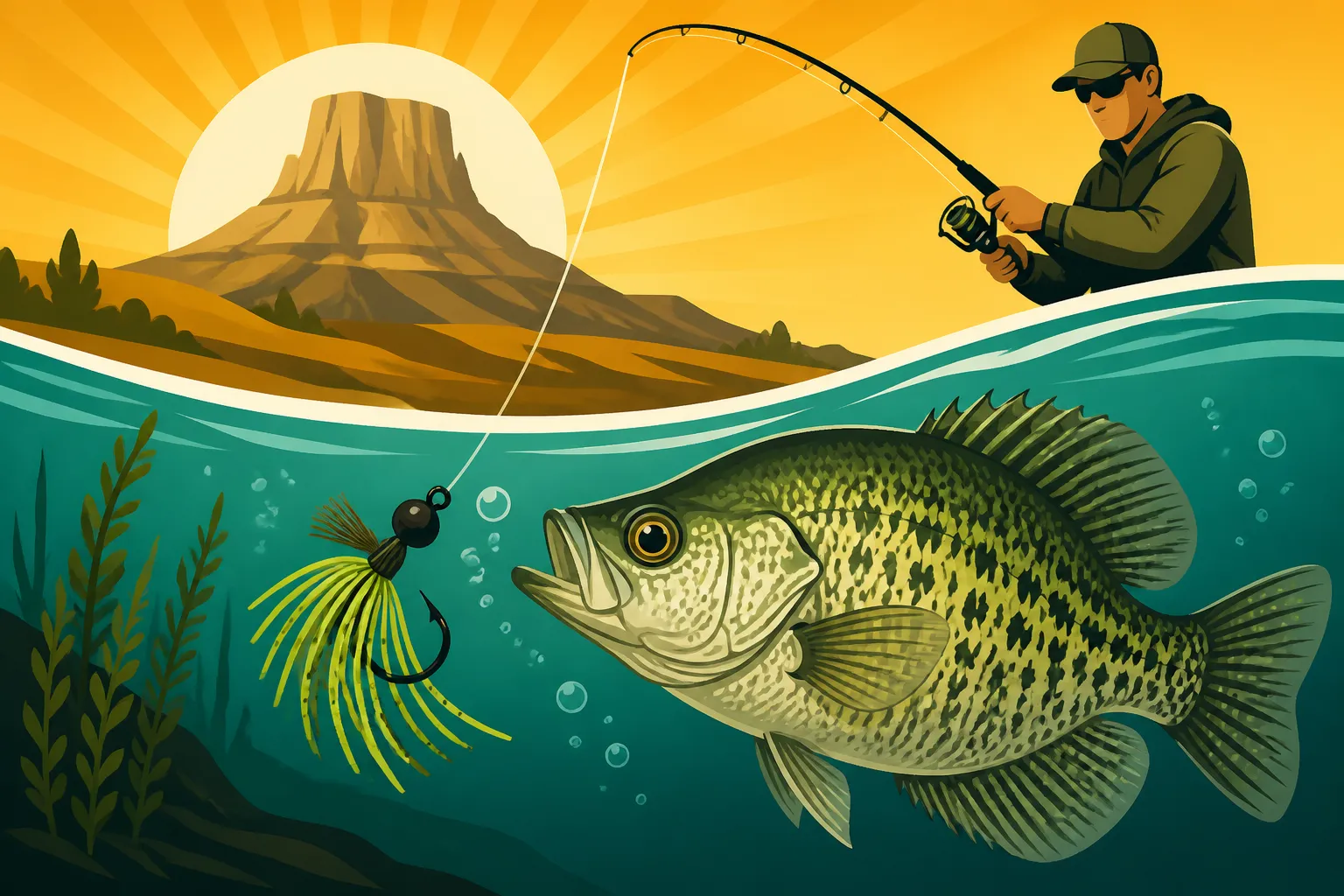
What makes a hair jig so special? It's all in the materials. Unlike rigid or semi-rigid plastic baits, a hair jig, often made from marabou, bucktail, or even squirrel tail, has an organic, fluid movement that's incredibly difficult for crappie to resist. Even with the slightest twitch of your rod tip or the most subtle current, the natural fibers flare, pulsate, and collapse, mimicking a small baitfish or an aquatic insect struggling in the water. This "breathing" action is incredibly lifelike and can trigger strikes from even the most lethargic crappie.
Think about it: when the water is cold, or the fish are heavily pressured, they're not looking for an aggressive, fast-moving meal. They're looking for something easy, something that looks injured or vulnerable. A hair jig, with its subtle quiver, presents exactly that. This natural, undulating motion often outproduces stiffer plastics, especially in clear water or during colder months when crappie become more wary and less willing to chase. It's truly a finesse presentation that shines when crappie are acting picky, which can be a common scenario on many popular South Dakota crappie fisheries.
Versatility in Presentation and Depth
Another incredible advantage of the hair jig is its sheer versatility. You're not limited to one style of fishing; these jigs can be adapted to almost any crappie scenario you might encounter in South Dakota. Whether crappie are suspended in deep water, hiding in shallow brush, or relating to vertical structure, a hair jig can get the job done.
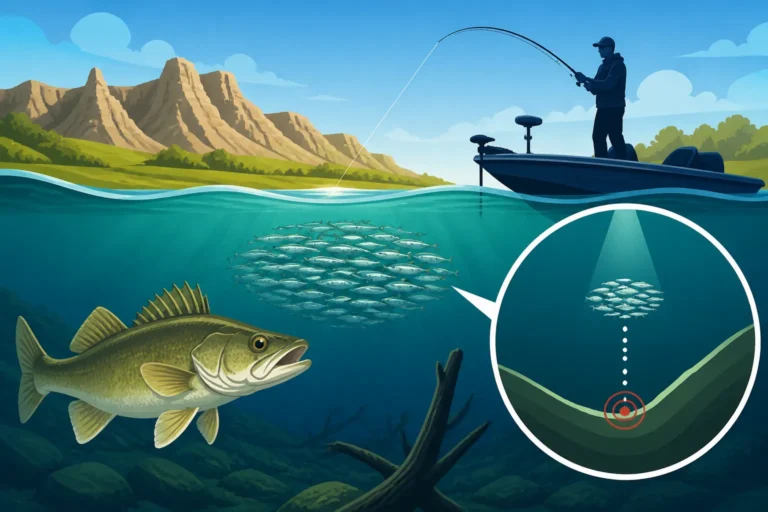
You can vertical jig them directly over suspended schools of crappie you’ve located on your fish finder, allowing the natural fibers to pulse enticingly right in their strike zone. You can cast them to cover like submerged timber or rocky points, employing a slow, steady retrieve or a subtle lift-and-drop. And for those times when crappie are holding in a specific depth around visible cover, a hair jig suspended under a bobber is an incredibly effective presentation. This adaptability means you can stick with a bait you trust, simply by adjusting your technique to match the fish's location and mood. From the submerged flooded timber of Lake Francis Case to the shallow weed lines of Lake Poinsett, the hair jig can reach them. If you want to learn more about targeting crappie specifically, check out our South Dakota Crappie Fishing Guide.
Essential Hair Jig Setup and Gear for South Dakota Crappie
To truly unlock the potential of hair jigs for crappie, having the right gear is paramount. Finesse fishing requires sensitivity, balance, and the ability to present these small baits effectively. Skimping on your setup can mean missing those subtle bites that hair jigs are so good at provoking.
Rod, Reel, and Line for Finesse Crappie Fishing
When fishing hair jigs for crappie, sensitivity is your best friend. Those bites can be incredibly light – sometimes feeling more like a slight tick or simply added weight rather than a definitive strike. This means your rod, reel, and line all need to work in harmony to transmit those subtle signals to your hands.
I always recommend an ultralight or light-action spinning rod, typically in the 6-foot to 7-foot range. A fast or extra-fast tip is ideal, as it allows for precise casting of small jigs and better feel for those light takes, while the backbone can still handle a decent crappie. Pair this with a small, lightweight spinning reel (a 500 or 1000 series is perfect) spooled with light line. Many anglers prefer 2-pound to 4-pound test monofilament or fluorocarbon. Monofilament offers a bit more stretch, which can be forgiving on light bites, while fluorocarbon has less stretch, providing excellent sensitivity and often being virtually invisible underwater, a huge advantage in clear South Dakota waters. Some anglers also use thin braided line with a fluorocarbon leader for maximum sensitivity, especially if fishing deeper or in windy conditions. The key is balance – you want a setup that feels comfortable and allows you to detect even the slightest change in your line or jig. For some general gear considerations, our article on Best Tackle Box Setup for South Dakota Anglers might offer some useful insights.
Choosing the Right Hair Jig for South Dakota Waters
The world of hair jigs can seem overwhelming at first, but a few key considerations will help you narrow down your choices and find the perfect match for the crappie you're targeting.
Size Matters: Matching the Hatch and Depth
Crappie have small mouths, so a small profile is crucial. The most common and effective hair jig sizes for crappie are 1/32 ounce and 1/16 ounce. These lighter weights allow for a slower, more natural fall, which is often exactly what finicky crappie want. If you're fishing in deeper water (say, over 15 feet) or in areas with stronger current, you might step up to a 1/8 ounce jig to help it get down faster and maintain contact. However, for most situations, lighter is better for crappie.
Color Selection: Clarity and Confidence
Color can be surprisingly important, and it often depends on water clarity and light conditions. In clear water, natural colors like black, white, gray, olive, or brown tend to be highly effective, mimicking minnows or small crustaceans. On bright, sunny days, darker jigs can create a better silhouette against the sky. Conversely, in stained or muddy water, or on overcast days, brighter colors like chartreuse, pink, orange, or bright yellow can stand out more and attract attention. It's always a good idea to carry a variety of colors and be willing to experiment until you find what the crappie are keying in on that day. Many anglers find excellent assortments of hair jigs on platforms like Amazon or at local bait shops across South Dakota.
Material: Marabou vs. Bucktail
While there are many types of hair jigs, marabou and bucktail are two of the most popular for crappie. Marabou is incredibly soft and fluffy, offering maximum movement and pulsation with very little input. It's often preferred in colder water or for extremely slow retrieves. Bucktail, from deer tails, is a bit stiffer but still offers great action and can be more durable, especially if you're frequently casting into cover. Both have their place, and it's worth having a selection of each. Sometimes, a subtle difference in the material's action can make all the difference between a good day and a great day.
Terminal Tackle and Accessories
Beyond your rod, reel, and jigs, a few other items will round out your crappie hair jig setup. You'll want a selection of small, sharp hooks. Most hair jigs come pre-tied on hooks, but understanding What Size Hook to Use for Panfish is always beneficial. While some anglers prefer to tie directly to the jig for maximum feel, a small, quality snap swivel can be useful if you're frequently changing jigs, saving time and preventing line twist, though it can slightly impede the jig's action. A good pair of crappie nippers or small pliers is essential for cutting line and removing hooks from those papery crappie mouths. Lastly, if you plan on fishing under a bobber, having a selection of slip bobbers and bobber stops will allow you to precisely set your depth, which is often critical for crappie holding at specific levels. These are all items you can easily find at your local sporting goods store or on Amazon.
Master the Art of Fishing Hair Jigs for South Dakota Crappie
Knowing your gear is one thing, but knowing how to use it is what truly catches fish. Hair jigs aren't meant to be aggressively ripped or cranked; their effectiveness lies in their subtle, lifelike action, which requires a refined approach.
Vertical Jigging: Pinpointing Suspended Crappie
Vertical jigging is perhaps the most precise way to fish a hair jig and is exceptionally effective when crappie are suspended in open water or tightly schooled around structure that you can hover over. This technique is a staple for many anglers on the larger Missouri River reservoirs like Lake Sharpe or Lake Oahe, where crappie often hold in specific depth ranges.
The process is straightforward: once you've located a school of crappie on your fish finder, either beneath your boat or near a piece of submerged timber, simply lower your hair jig directly to their depth. The key is in the retrieve: a subtle lift of just a few inches, followed by a controlled drop back down on a semi-slack line. The goal is to allow the jig's hair to pulsate and undulate as it falls, mimicking a dying baitfish. Pause briefly after each drop to let the jig "breathe" and allow a crappie time to engulf it. Bites often feel like a light tap, a sudden weight, or simply a lack of tension when you lift again. It takes practice to distinguish these subtle bites from slack line or current, but once you get the hang of it, it's incredibly rewarding. This technique is also very effective for Crappie Fishing Techniques for Suspended Fish.
Casting and Retrieving: Covering Water and Structure
When crappie are scattered or relating to broader areas of cover like weed edges, rocky banks, or shallow docks, casting and retrieving a hair jig is your go-to method. This allows you to cover more water and explore various depths until you find active fish. Think about those beautiful coves and points on Lewis and Clark Lake, perfect for this approach.
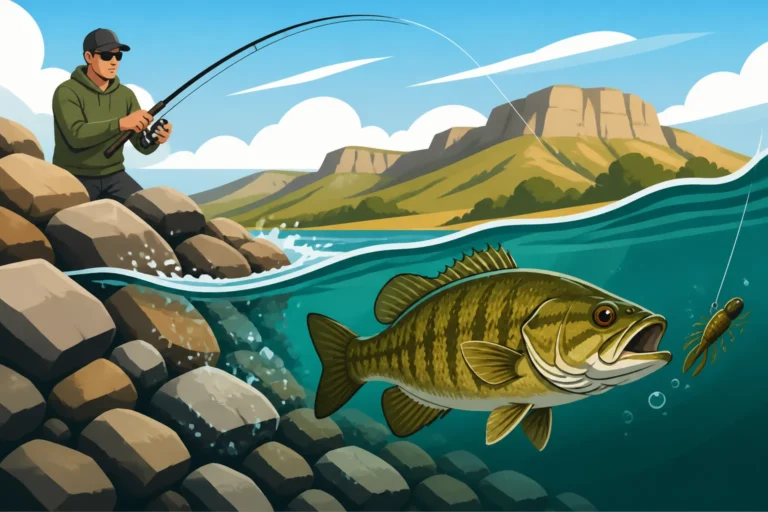
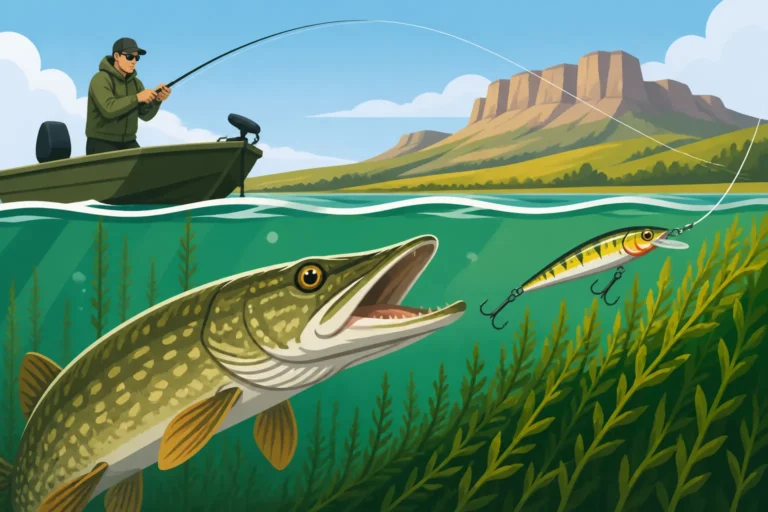
Cast your hair jig towards your target area – perhaps the shaded side of a dock, the edge of a lily pad field, or along a riprap bank. Let it sink for a few seconds to reach the desired depth. Then, begin a slow, steady retrieve. The beauty of the hair jig is that even a straight retrieve will make the hair pulsate and wave. However, don't be afraid to experiment with your cadence. Try a "stop-and-go" retrieve, allowing the jig to pause and flutter briefly on the fall. Or impart subtle twitches with your rod tip, creating short hops and darts. The goal is to entice a strike by varying the jig's movement. Pay close attention to your line; sometimes a crappie will hit the jig on the fall, causing your line to jump or go slack. If you're fishing near potential snags, a slightly faster retrieve can help keep your jig from getting hung up.
Fishing Under a Bobber: A Simple Yet Effective Approach
For many anglers, especially those just starting out, fishing a hair jig under a bobber is an incredibly effective and enjoyable way to catch crappie. It's also fantastic for shore anglers or fishing with kids in places like the Best State Park Ponds for Kids to Fish. This method allows you to present the jig at a precise depth and keep it there, letting the natural action of the hair do most of the work.
Choose either a fixed bobber for shallow water (typically less than 6-8 feet) or a slip bobber for deeper presentations. The key is to set your bobber stop so that the hair jig is suspended just above or directly in the crappie's strike zone. This might be a foot or two above a brush pile, just over the top of a weed bed, or at the same depth as suspended fish you’ve seen. Cast your bobber and jig combination to your desired location. The bobber will keep your jig suspended, allowing the current or even a light breeze to impart subtle movement to the hair. You can also give your rod a very gentle twitch periodically to add a little extra enticing action. This method is incredibly visual – when that bobber goes down, you know it's time to set the hook! It's a fantastic way to fish when crappie are holding tight to cover and aren't willing to chase, giving them a prolonged look at your irresistible offering.
Advanced Tips for Maximizing Your Crappie Success
Once you've got the basics down, there are always little tweaks and tricks that can elevate your crappie fishing with hair jigs to the next level. These often involve fine-tuning your presentation to the specific conditions and the mood of the fish.
Scent and Tipping: When Crappie Need an Extra Nudge
While hair jigs are fantastic on their own, sometimes crappie need a little extra enticement, especially in cold water or when they're particularly lethargic. This is where scent and tipping come into play. Adding a tiny piece of live bait, such as a minnow head, a small piece of worm, or a wax worm, to the hook of your hair jig can provide both natural scent and an extra visual attraction. This combo can be deadly, offering the subtle action of the hair jig with the irresistible appeal of live bait. It's similar to how one would use a How to Fish a Jig and Minnow Combo for walleye, just on a smaller scale.
If you prefer not to deal with live bait, many anglers use artificial scents. There are a variety of crappie-specific scents available that you can apply directly to the hair jig. These can provide a burst of flavor and odor that can encourage a hesitant crappie to hold onto the jig longer, giving you more time to detect the bite and set the hook. Experiment with both live tipping and artificial scents, as what works best can vary from day to day and even hour to hour.
Reading the Water and Adjusting Your Approach
Being able to "read the water" is a skill that veteran anglers hone over years, and it's particularly important when crappie fishing with hair jigs. Crappie are highly influenced by environmental factors like water clarity, temperature, and current.
- Water Clarity: In clear water, natural colors and lighter lines are often more effective, as crappie have excellent vision. In stained or muddy water, brighter colors and slightly heavier jigs (to create more vibration) can be beneficial.
- Water Temperature: Crappie activity levels are directly tied to temperature. In colder water (early spring or late fall), a much slower retrieve and longer pauses are often necessary. As temperatures warm, crappie become more active, and you can increase your retrieve speed. If you're interested in how water temperature affects fish, our article on Reading Water Temperature for Walleye can give you some general principles.
- Current: On the Missouri River reservoirs, understanding current is vital. Crappie will often position themselves out of the main current, behind structure, or in eddies, waiting for food to drift by. Adjust your jig weight to reach the desired depth without being swept away too quickly, and present your jig to drift naturally into those holding areas.
The most successful anglers are those who are willing to adapt. Don't be afraid to change jig colors, sizes, or your retrieve technique if what you're doing isn't producing. Pay attention to what the fish are telling you.
Patience and Persistence: The Crappie Angler's Virtues
Crappie fishing with hair jigs, especially when the bite is tough, often requires a healthy dose of patience and persistence. These are finesse techniques, and sometimes the bites are incredibly subtle. It's not uncommon to fish an area for 15-20 minutes before the crappie decide to bite, or for them to only hit on a very specific cadence.
Don't get discouraged if you're not instantly catching fish. Keep trying different depths, varying your retrieve, and cycling through different jig colors. Remember that crappie often school, so if you catch one, there are likely more nearby. Mark your spot, make similar casts, and try to replicate the successful presentation. Persistence in exploring an area, combined with an observant eye for subtle bites, will ultimately lead to more fish in your cooler. For information on regulations, be sure to check the Crappie and Panfish Possession Limits before you head out!
| Hair Jig Size | Recommended Depth Range | Ideal Crappie Conditions | Key Retrieve Styles |
|---|---|---|---|
| 1/32 oz | 0-10 feet | Shallow, clear water, light bite, cold water | Slow fall, subtle twitch, under bobber |
| 1/16 oz | 5-20 feet | Versatile, moderate depths, average bite | Slow retrieve, lift-and-drop, vertical jigging |
| 1/8 oz | 15-30+ feet | Deep water, strong current, aggressive bite | Faster retrieve, deeper vertical jigging, casting |
Disclaimer
This article is for general informational purposes only and does not constitute professional advice. Laws, prices and regulations vary by location and change over time. Consult a qualified professional for guidance on your specific situation.