How to Target Suspended Baitfish Schools
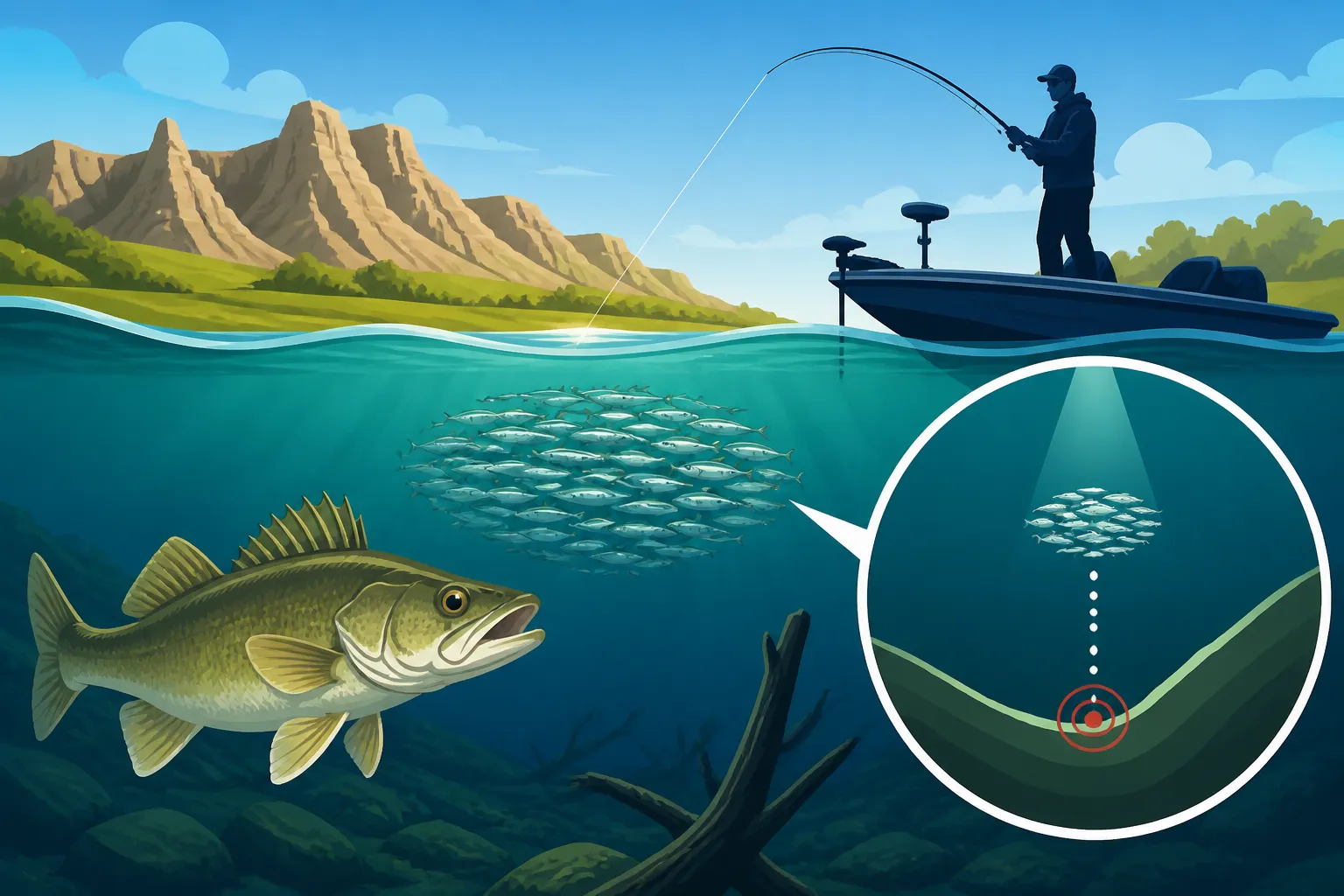
One of the most frustrating things as an angler in South Dakota is seeing a big, beautiful school of baitfish on your sonar screen, maybe even some bigger arches nearby, but having absolutely no idea how to get your lure into that zone. It’s like watching a silent movie of a feast you can’t participate in! That's a common dilemma when fish are suspended, meaning they aren't hugging the bottom or the shoreline but are instead chasing schools of bait in the open water. This comprehensive guide will help you understand why fish suspend, how to locate these elusive schools, and the best techniques and tackle to put more of those open-water hawgs in your boat.
Understanding Why Fish Suspend
Fish don't just suspend in open water for fun; there's always a reason, and it almost always revolves around food. Baitfish, like shad, cisco, smelt, or even smaller perch and walleye, will move throughout the water column based on factors like plankton blooms, water temperature, oxygen levels, and safety from predators. When these baitfish form large schools in the mid-water column, predator fish like walleye, smallmouth bass, northern pike, and especially the mighty Chinook salmon, will follow suit.
The Dynamics of Baitfish Movement
Think about it from a baitfish's perspective. They need to eat, and they need to avoid being eaten. Plankton, their primary food source, often congregates at certain depths, driven by sunlight penetration and nutrient availability. Where the plankton goes, the baitfish follow. This can create massive, shimmering clouds on your fish finder. But it’s not just about food. Sometimes, baitfish will suspend in areas where the water temperature is ideal, or where there's a thermocline that offers a comfortable "floor" or "ceiling" to their movement. They might even rise higher in the water column in low-light conditions to feed on insects or seek warmer surface water.
The predator fish, whether it's a hungry walleye on Lake Oahe or a feisty smallmouth bass on Lake Francis Case, are not going to expend energy chasing baitfish that are scattered or glued to the bottom when there's a giant, easy-to-target buffet swimming mid-water. They'll position themselves just below, within, or on the edges of these baitfish schools, ready to strike. Understanding this dynamic is the first step to unlocking consistent success when targeting suspended fish.
Common South Dakota Baitfish and Their Habits
In South Dakota, particularly on the massive Missouri River reservoirs like Lake Oahe and Lake Sharpe, you’ll encounter several key baitfish species that influence predator behavior. Rainbow smelt are a huge part of the forage base in Lake Oahe, especially for Chinook salmon and large walleye. These smelt often suspend in colder, deeper water during the day, then rise closer to the surface at night. Shad are prevalent in other parts of the Missouri River system and the eastern glacial lakes, forming dense schools that predator fish absolutely feast on. Perch and even smaller panfish can also act as forage, particularly in shallower, weedier environments.
The key takeaway here is that different baitfish have different habits. Knowing what type of baitfish your target species is keying on in a particular body of water helps you mimic their behavior and appearance. For instance, if you're chasing South Dakota Chinook Salmon Fishing Guide on Lake Oahe, you're primarily thinking about rainbow smelt. If it's walleye on a glacial lake, you might be considering perch or shiners.
Mastering Your Electronics to Find Suspended Schools
Your fish finder is your absolute best friend when trying to locate suspended baitfish and the predators that follow them. It's not enough to just see "blips" on the screen; you need to understand what those blips are telling you. Modern sonar technology has made it easier than ever to paint a clear picture of the underwater world.
Interpreting 2D Sonar and Down Imaging
Let’s start with the basics: 2D sonar. This traditional view gives you a broad cone of coverage beneath your boat. On 2D, a suspended baitfish school will look like a cloud or a dense blob, often with individual baitfish showing up as tiny dots or dashes within the cloud. Larger fish, like walleye or bass, will appear as distinct arches, usually positioned just below or within the edges of that bait cloud. Pay close attention to the size and density of the baitfish schools. A tightly packed school indicates that predators might be actively herding them.
Down Imaging (often called DownScan or StructureScan Down) provides a much more photographic, picture-like view directly below your boat. When looking at suspended bait, Down Imaging will often show clearer, more defined shapes of the baitfish. Instead of abstract blobs, you might actually resolve individual fish or tightly packed groups, giving you a better idea of their actual size and how tightly they're grouped. This can be incredibly helpful for distinguishing between a sparse scattering of bait and a truly dense school that's attracting bigger fish. Many anglers find their Humminbird units or Lowrance models provide excellent clarity for this.
Utilizing Side Imaging for a Broader View
Side Imaging (also called SideScan or StructureScan Side) is a game-changer for finding suspended fish, especially when covering large expanses of open water. Instead of just looking directly under your boat, Side Imaging sends sonar beams out to the sides, often up to hundreds of feet on each side, painting a wide picture of the water column. This means you can spot baitfish schools and predator fish off to the left or right of your boat without having to drive directly over them.
Imagine trolling across a vast reservoir. With Side Imaging, you can scan a 200-foot wide swath of water, significantly increasing your chances of intercepting a suspended school. Once you mark a school off to the side, you can then make a turn and drive closer, switching to 2D or Down Imaging to get a more precise depth and target specific fish. This capability makes Side Imaging an indispensable tool for efficient searching, particularly in places like the Best Fishing Spots in South Dakota or the vast waters of Lake Oahe. If you're looking to upgrade your electronics, checking out the selection on Amazon can give you a good idea of the advanced features available.
Key Techniques for Targeting Suspended Fish
Once you’ve located those suspended baitfish schools and identified potential predator marks, it’s time to deploy the right techniques to get your lure in front of them. The choice of technique often depends on the species you're after, the depth the fish are holding, and the water conditions.
Trolling with Precision
Trolling is arguably the most effective way to cover water and present lures to suspended fish, especially walleye and Chinook salmon on big lakes. The beauty of trolling is that you can precisely control your lure's depth and speed, allowing you to intercept those fish holding in the mid-water column.
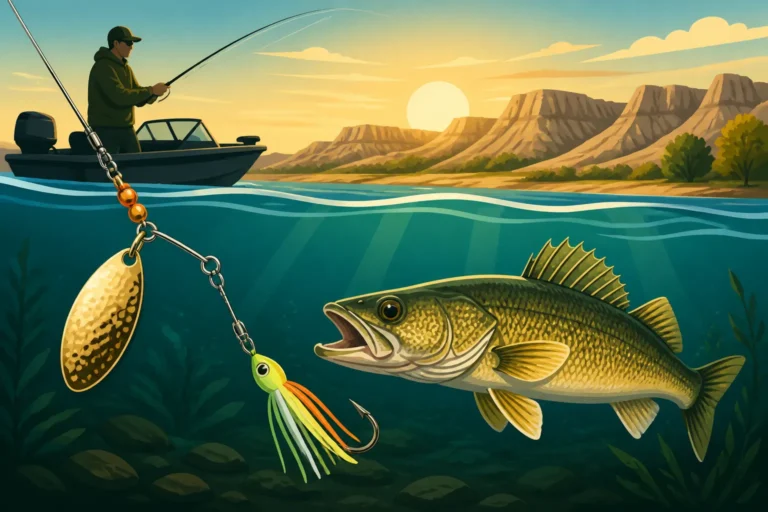
For walleye, especially in the larger Missouri River reservoirs, using crankbaits is a classic choice. You'll need to select crankbaits that dive to the specific depth where you're seeing suspended fish and bait. Don't be afraid to mix it up with different colors and sizes until you find what triggers a bite. How to Troll Crankbaits for Walleye is a skill that takes practice, but it's incredibly rewarding. You can also use bottom bouncers with spinner rigs, adjusted to run just above the suspended baitfish.
For salmon, particularly the aggressive Chinook on Lake Oahe, trolling with spoons behind downriggers is the go-to method. Downriggers allow you to send your lure down to exact depths, often 50-100 feet or more, right into those deep-water bait schools. Flashers and dodgers can be added ahead of your spoon to create more attraction and mimic a struggling baitfish. Learning South Dakota Chinook Salmon Trolling Techniques will make a huge difference in your success.
Casting to Visible Schools
While trolling covers broad areas, sometimes the fish are so active and concentrated that casting directly into a visible school is more effective. This often happens when baitfish are pushed to the surface or near structures by aggressive predators, creating "busts" where you can see fish breaking the water.
If you spot active fish feeding on the surface or near bait balls, quickly cast a jerkbait, topwater lure, or a spoon into the frenzy. For deeper suspended schools, a lipless crankbait or a swimbait can be cast out, allowed to sink to the desired depth, and then retrieved. The key here is quick reaction and accurate casting. This is particularly effective for smallmouth bass and sometimes walleye when they are in a super aggressive feeding mood.
Vertical Jigging for Targeted Strikes
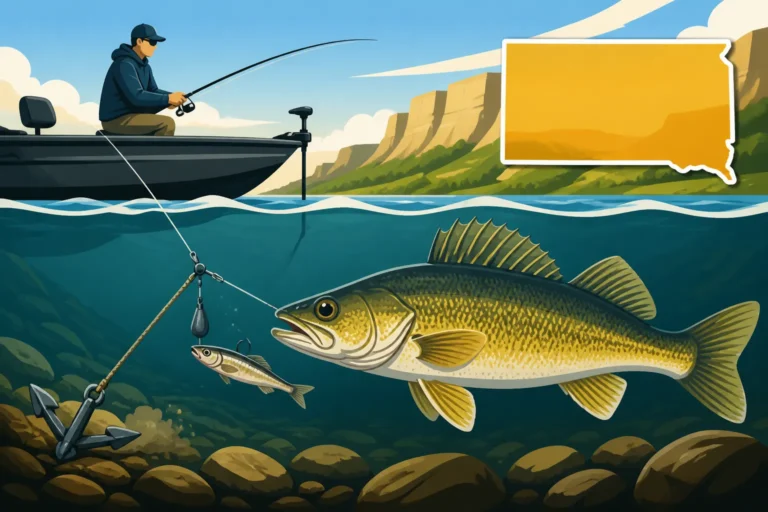
When fish are tightly schooled and suspended directly under your boat, or when you've identified individual larger arches on your sonar, vertical jigging can be incredibly deadly. This technique involves dropping a jig or spoon straight down to the fish's depth and working it with sharp lifts and drops.
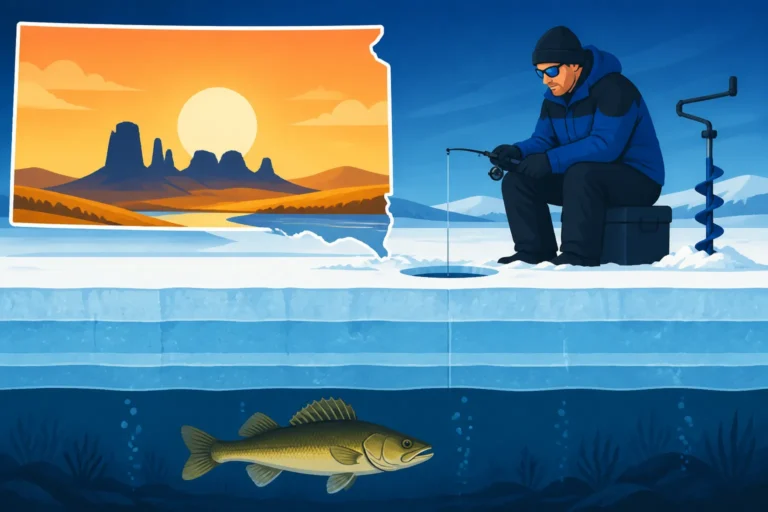
Ice anglers are masters of vertical jigging, but it's just as effective from a boat. If you see walleye suspended 20 feet down in 40 feet of water, drop a spoon or a heavier jig with a minnow or soft plastic tail directly to that 20-foot mark. Pay close attention to your electronics to see how fish react to your presentation. Sometimes a subtle quiver is all it takes, other times an aggressive rip. This method is fantastic for targeting individual trophy fish you spot on your screen. You might find a great selection of jigging spoons on Amazon, often bundled in various weights and colors.
Lures and Baits for Suspended Fish
Selecting the right lure or bait is crucial for tempting suspended fish. The goal is always to mimic the natural forage in appearance, action, and size.
Crankbaits and Jerkbaits
These are workhorses for suspended fish, especially for trolling. Crankbaits come in countless shapes, sizes, and diving depths. For suspended fish, you'll want models known for running true at specific depths. Deep-diving crankbaits are essential for reaching fish that are holding 15-30 feet down, while medium-diving options cover the shallower suspended fish. Brands like Rapala, Berkley, and Salmo offer excellent choices. The wobble and vibration of a crankbait are very effective at drawing strikes from active fish.
Jerkbaits, with their erratic, darting action, are fantastic for casting or even slow-trolling. They excel at mimicking a struggling baitfish, triggering predatory instincts. Their neutral buoyancy allows them to suspend at a specific depth during pauses, giving wary fish more time to strike.
Spoons and Blade Baits
Metal spoons, whether cast or trolled, are incredibly versatile. Trolling spoons are thinner and designed to have a fluttering, fish-like action when pulled through the water. They are a staple for salmon, often paired with downriggers. Casting spoons, like Kastmasters or Little Cleos, can be ripped through suspended schools, flashing and imitating a fleeing baitfish.
Blade baits, like the Johnson Thinfisher or Heddon Sonar, are compact, heavy lures that vibrate intensely on the retrieve. They sink quickly, making them excellent for vertical jigging or casting and counting down to suspended fish. The vibration can call in fish from a distance, even in murky water.
Soft Plastics and Live Bait Rigs
Soft plastics, particularly swimbaits and paddle tails, can be incredibly effective when rigged on jig heads and either cast or vertical jigged. A swimbait on a 1/2 oz jig head, allowed to sink to a specific depth and then retrieved with a steady swim, can perfectly mimic a baitfish. The natural movement of the tail is often irresistible.
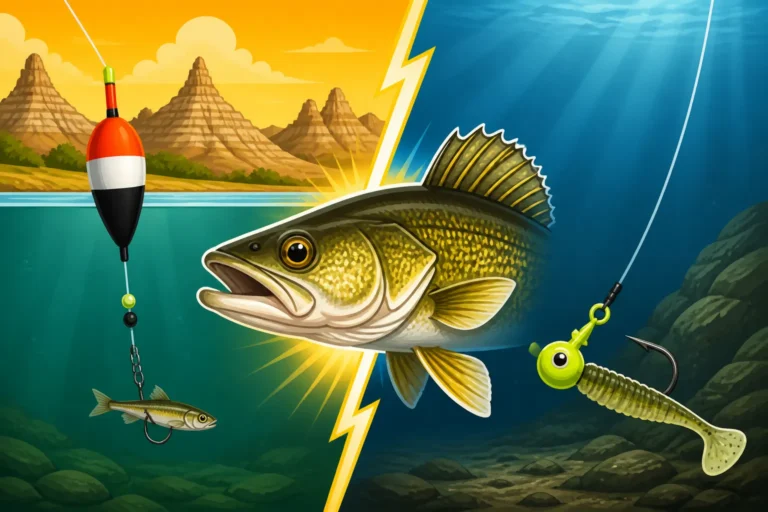
When fish are finicky, live bait often triumphs. A minnow or shiner rigged on a slip bobber setup, allowed to drift through a suspended school at their depth, can be deadly. For walleye, a simple snell rig with a lively minnow and a small weight can be presented vertically. Just remember to check South Dakota Fishing Regulations Explained regarding live bait restrictions, as some waters may have specific rules.
Here's a quick table to help you decide on lures for suspended fish:
| Lure Type | Best Use | Target Species | Depth Control | Action Mimics |
|---|---|---|---|---|
| Crankbaits | Trolling (Walleye, Pike) | Walleye, Pike, Bass, Salmon (surface) | Varies by model; diving lip dictates depth | Fleeing baitfish, injured fish |
| Jerkbaits | Casting, Slow Trolling (Bass, Walleye) | Bass, Walleye, Pike | Suspending models hold depth on pause | Erratic, darting, injured baitfish |
| Spoons | Trolling (Salmon), Casting, Jigging | Salmon, Walleye, Pike, Bass | Weight, retrieve speed, downriggers | Flashing, fluttering, wounded baitfish |
| Blade Baits | Vertical Jigging, Casting (Walleye, Bass) | Walleye, Bass, Perch | Weight allows fast sink to target depth | High vibration, struggling baitfish |
| Soft Plastics (Swimbaits) | Casting, Vertical Jigging (Bass, Walleye) | Bass, Walleye, Pike | Jig head weight, retrieve speed | Natural swimming baitfish |
| Live Minnows | Vertical Jigging, Slip Bobber (Walleye) | Walleye, Perch, Crappie, Bass | Weight, bobber, depth stop | Natural, irresistible live bait |
Environmental Factors and Their Influence
Fish behavior, especially when it comes to suspending, is heavily influenced by their environment. Understanding these factors can help you predict where and when fish will be suspended, allowing you to refine your strategy.
Wind and Current
Wind can play a huge role in concentrating baitfish and, consequently, predator fish. A steady wind pushes warm surface water and plankton, creating current lines and fronts where baitfish gather. Predator fish will often position themselves on the downwind side of points or breaks, waiting for baitfish to be swept to them. This can lead to schools of walleye suspending just off wind-blown structures, actively feeding. On the Missouri River system, strong currents are a constant factor, and fish will often use current breaks or seams to ambush bait. Fishing the Missouri River Tailwater Fishing Below Oahe Dam requires understanding how fish relate to strong flows.
Conversely, flat calm conditions can make fish more wary, causing them to suspend deeper or scatter. This often requires a more subtle approach, perhaps smaller baits or slower retrieves. Always observe the wind direction and strength, and look for how it might be influencing baitfish movement on the surface.
Light Conditions and Water Clarity
Light penetration is a major driver of baitfish depth. In bright sunlight, many baitfish will push deeper into the water column to escape predators and find comfort. This is when you'll often find predators suspending in deeper water, sometimes 30-50 feet down, following that bait. Overcast days, dawn, and dusk often bring baitfish shallower, and predators will follow suit, making for excellent topwater or shallow-running crankbait opportunities.
Water clarity also plays a role. In clear water, fish can be warier and rely more on sight, often suspending deeper or closer to structure for ambush. In stained or dirty water, fish may rely more on their lateral lines and vibration, and can often be found shallower or closer to baitfish schools, as their visibility is reduced. This might call for louder baits or those with more vibration. Checking the South Dakota Fishing Depth Charts by Season can give you insights into general depth preferences based on light and water temperature.
Water Temperature and Thermoclines
Water temperature is perhaps the most significant factor. Fish are cold-blooded, and their activity levels are directly tied to temperature. Baitfish will seek out their preferred temperature ranges, and predator fish will follow. In summer, you'll often find a thermocline, a distinct layer where water temperature changes rapidly with depth. Baitfish and predator fish will often suspend right along this thermocline, as it offers a comfortable temperature and often concentrates oxygen and food. Your fish finder should clearly mark the thermocline, appearing as a dense, hazy line across the screen.
Understanding these environmental cues and how they combine can give you a significant advantage. For example, on a bright, calm summer day, you might expect to find walleye suspending deeper, near the thermocline, while on a windy, overcast spring day, they might be shallower, chasing bait near a submerged point. Always be adaptable, and don't be afraid to change your tactics if the conditions change. A good South Dakota Fishing Gear Checklist will always include a thermometer, especially for water temps.
Advanced Strategies for Consistent Success
Beyond the basic techniques, there are a few advanced strategies that can truly elevate your game when targeting suspended baitfish schools. These often involve subtle adjustments and a deeper understanding of fish behavior.
Matching the Hatch (Size and Color)
It’s an old adage in fishing, but it holds true: "match the hatch." If you can discern the size and color of the primary baitfish in the area from your electronics or even by observing occasional jumps, try to match your lure as closely as possible. If the baitfish are small, use smaller crankbaits or spoons. If they have a silvery sheen, lean towards chrome or metallic finishes. If they have a darker back and lighter belly, choose lures that mimic that profile.
Sometimes, however, a "reaction strike" is what you're after. This means using a lure that's slightly different or more aggressive than the natural bait, hoping to trigger a predatory response rather than a feeding response. This might involve a brighter, more erratic lure that stands out from the school. Don't be afraid to experiment, especially when the fish are showing on your electronics but not biting.
Using Planer Boards and Lead Core Line
When trolling for suspended fish, especially walleye, planer boards are invaluable. These devices allow you to spread multiple lines out to the sides of your boat, covering a much wider swath of water than just trolling directly behind you. This is incredibly effective for finding dispersed schools of suspended fish or for targeting fish that are shy of the boat. Using different crankbaits at various depths and distances behind the boards allows you to present a wide range of options simultaneously.
Lead core line is another specialized tool for reaching suspended fish without downriggers. This line has a lead core wrapped in a braided sheath, causing it to sink at a predictable rate. By knowing how much lead core line you have out and how fast you're trolling, you can estimate your lure's depth and precisely put it in the strike zone. This is a common tactic for Trolling for Walleye on Lake Oahe when fish are suspended at mid-range depths. For those looking to dive deep into trolling, a visit to Amazon will reveal a host of planer board and lead core options.
The Importance of Speed and Presentation
Fish feeding on suspended bait are often active and willing to chase, but your retrieve speed and presentation can make all the difference. When trolling, experiment with varying speeds. Sometimes a slight increase in speed will trigger a chase, other times a slower, more deliberate presentation is required. Use your trolling motor's speed control, like those offered by Minn Kota, to fine-tune your pace.
For casting and jigging, pay attention to the cadence of your retrieve. A steady retrieve might work one day, while an erratic twitch-and-pause or a sharp rip-and-fall might be more effective on another. Remember, you're trying to mimic a baitfish, which rarely swims in a perfectly straight line. Incorporating pauses, twitches, and changes in direction can often entice a strike from a hesitant fish. Understanding South Dakota Fishing Seasons Explained can help you anticipate how aggressive fish might be.
By combining an understanding of fish behavior, mastering your electronics, employing the right techniques and tackle, and adapting to environmental factors, you'll be well on your way to consistently targeting and catching suspended fish in South Dakota's fantastic waters.
Disclaimer
This article is for general informational purposes only and does not constitute professional advice. Laws, prices and regulations vary by location and change over time. Consult a qualified professional for guidance on your specific situation.