When Ice Out Usually Happens on Lake Oahe
The anticipation of open water after a long South Dakota winter is a feeling every angler knows well. That moment the ice finally gives way on massive Lake Oahe signals the true beginning of the fishing season, but pinpointing exactly when "ice out" usually happens can be a real head-scratcher. This guide aims to clear up that mystery, offering a comprehensive look at the factors that typically influence ice out on Lake Oahe, what you can expect during this transitional period, and how to best prepare for those exciting first open-water trips of the year.
Understanding the Factors That Influence Lake Oahe's Ice Out
Lake Oahe, being one of the largest man-made reservoirs in the world, stretching over 230 miles from central South Dakota up into North Dakota, has a complex ice out process. It's not like a small pond that thaws uniformly overnight. Its sheer size and depth mean that the ice can be persistent, and its break-up is a gradual, often dramatic, event influenced by a multitude of environmental conditions. Trying to predict the exact day is nearly impossible, but understanding the contributing factors can help you narrow down the window.
General Timing and Historical Trends
Typically, anglers can expect ice out on the main body of Lake Oahe to occur anywhere from late March to mid-April. However, this is a broad average, and the reality can vary wildly from year to year. In particularly mild winters, we might see significant open water as early as the first week of March in the southern stretches closer to the Oahe Dam. Conversely, after a brutal, prolonged winter with heavy snow cover and consistently low temperatures, ice can cling stubbornly to the northern reaches of the lake, especially around areas like Mobridge and Pollock, well into early May. It's not uncommon for anglers to be still ice fishing on parts of Oahe in March, while others are already launching boats further south.
Think about it like this: a February heatwave, while unlikely, would dramatically accelerate the process. Conversely, a late-season blizzard in March could set everything back by weeks. The local folklore often points to certain signs, but the science boils down to sustained warmth. The gradual warming of the entire region and consistent daytime temperatures above freezing are the primary drivers. For a broader overview of the fishing calendar, checking out our guide on South Dakota Fishing Season Dates and Limits can help put things into perspective.
Key Environmental Drivers
While we all wish for a simple calendar date, the melting of Lake Oahe's ice is a dynamic process shaped by several key environmental factors:
- Air Temperature: This is the most obvious and impactful factor. Sustained periods of above-freezing temperatures, especially during the day, are essential for ice degradation. Warm air directly melts the surface, but more importantly, it radiates heat into the ice, causing internal weakening. A few warm days followed by a deep freeze won't do much, but a week or two of temperatures consistently in the 40s and 50s will make a significant difference.
- Sunlight Intensity: As spring progresses, the sun's angle gets higher, and daylight hours lengthen. Even if air temperatures aren't soaring, intense solar radiation can penetrate the ice, especially if it's clear, warming the water beneath. This subsurface warming contributes to the honeycombing effect where ice becomes porous and brittle, eventually losing its structural integrity.
- Wind: Wind plays a crucial role in breaking up and moving ice. Strong winds can create waves that crash against ice sheets, fracturing them into smaller pieces. Once broken, wind can then push these ice floes around the lake, concentrating them in bays or pushing them downstream towards the dam. This mechanical action can quickly turn a sheet of ice into an open water channel or a chaotic expanse of moving chunks. It's fascinating how much difference a blustery spring day can make in accelerating the ice out process. For more on how these elements affect fishing, our article on Wind and Weather Fishing Tips offers some great insights.
- Water Flow: The massive inflow from the Missouri River and its tributaries, particularly in the northern sections of Oahe, can also contribute to ice break-up. Warmer river water flowing under the ice can erode it from below, and the sheer force of the current can break up and push ice downstream. This is often why the main river channel tends to open up before the wider bays and flats.
- Snow Cover on Ice: Paradoxically, a thick layer of snow on top of the ice can actually delay ice out. Snow acts as an insulator, preventing solar radiation from penetrating the ice and slowing the melting process. While it might seem like more snow would mean more meltwater, the insulating effect often wins out in the early stages of spring. Once the snow melts, the exposed, darker ice can absorb more solar energy and melt much faster.
The Stages of Ice Out on Lake Oahe and What to Expect
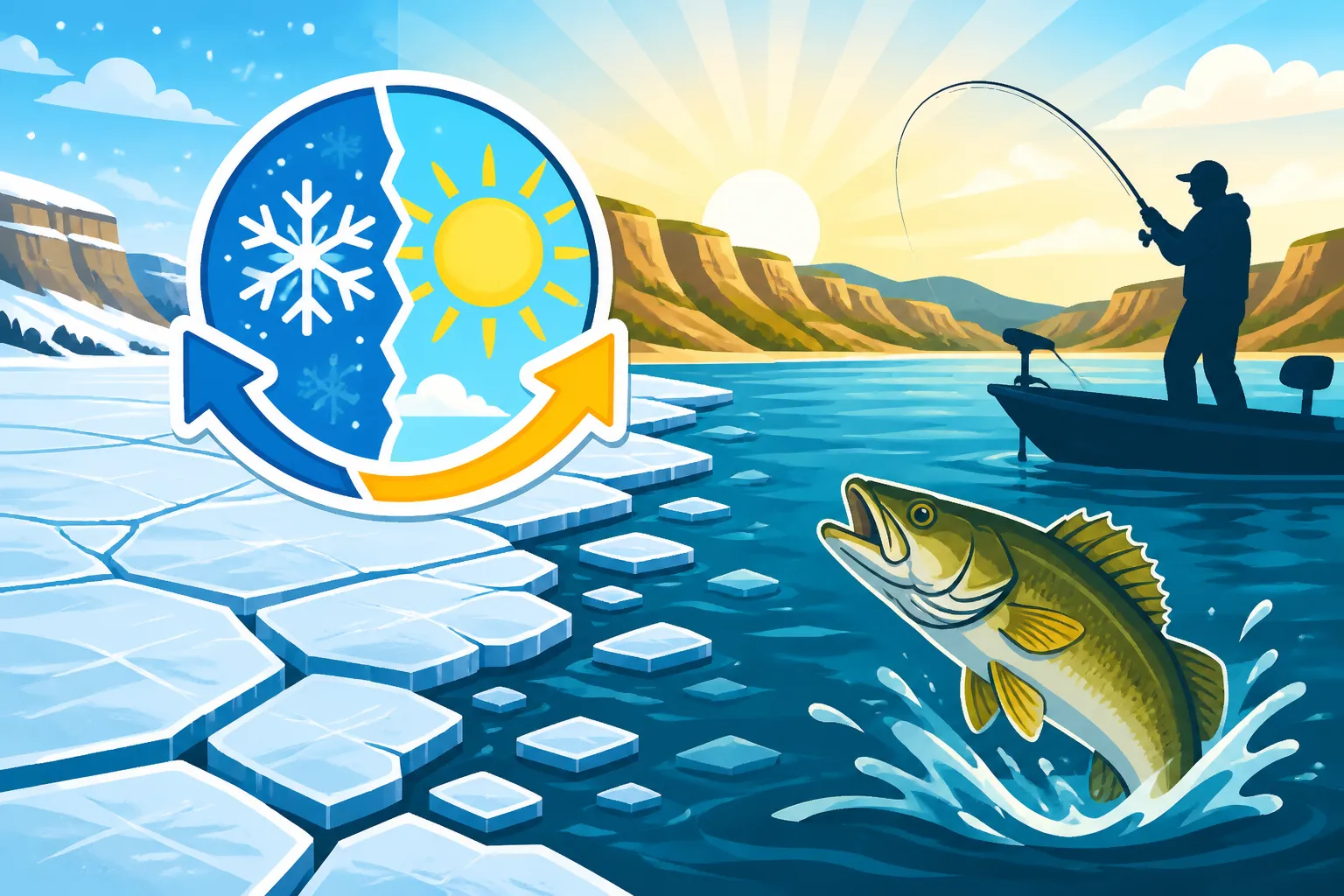
Ice out on Lake Oahe is rarely a sudden event. Instead, it’s a progression, a dance between ice and water that unfolds over days, sometimes weeks. Understanding these stages is crucial for safety and for knowing when and where to target early-season fish.
Gradual Thaw and Deterioration
The first signs of ice out are often subtle. You might notice the ice along the shorelines starting to pull away, creating small stretches of open water, especially in shallow, dark-bottomed bays that absorb more solar heat. The ice itself begins to change in appearance; it shifts from a solid, opaque sheet to a darker, more porous structure often described as "honeycombed." This is when the ice becomes incredibly dangerous. What looks like a solid surface from a distance can be riddled with air pockets and weak spots, making it extremely unsafe for walking or even light ATV travel. Areas around points, inlets, and anywhere there’s current will typically show signs of deterioration first.
This stage is a visual indicator that winter is truly losing its grip. You’ll see puddles on the ice, hear the groaning and cracking as it expands and contracts, and eventually, open channels will begin to form, usually down the main river channel or along wind-swept banks. It’s a period of transition, and patience is key. Trying to force an early start by venturing onto thinning ice is incredibly risky.
Open Water and Residual Ice Flows
Once the main sheet of ice has deteriorated sufficiently, strong winds and rising water temperatures can rapidly break it up into large, formidable floes. This is when the lake truly begins to "open up." The main body of Lake Oahe, especially the vast expanses, might become navigable, but you’ll often encounter large, drifting ice chunks. These can be significant hazards for boaters. A seemingly clear path can quickly become blocked by a massive ice floe pushed by the wind, and running into one at speed can cause serious damage to your hull and motor. Even smaller pieces can ding a propeller or clog a livewell intake.
Areas like Whitlock Bay, Spring Creek, and the vast central portions of the lake often become clear enough for boating first, but even then, anglers need to be vigilant. The northern sections of the lake, particularly those long, narrow riverine stretches near Mobridge and Pollock, tend to hold ice longer and may have persistent ice floes even after the central basin is open. Checking ramp conditions and local reports is paramount.
Here's a quick look at how various factors might shift the ice out timeline:
| Factor | Effect on Ice Out Timeline | Typical Timing Implication |
|---|---|---|
| Mild Winter | Significantly accelerates thaw | Late March to Early April |
| Harsh Winter | Significantly delays thaw | Mid-April to Early May, especially in northern regions |
| Sustained Warmth | Rapid deterioration and break-up | Early spring thaw |
| Consistent Cold | Prolonged ice cover | Delayed open water, potential for late-season ice fishing |
| Strong Winds | Hastens break-up and movement | Clears main channels faster, piles ice in bays |
| Heavy Snow Cover | Insulates ice, delays thaw | Slower initial melt, then faster once snow is gone |
| High Water Flow | Erodes ice from beneath | Opens river channels first |
| Deep Water | Holds cold longer | Delays thaw in main lake, shorelines open first |
| Shallow Bays | Warms faster | Typically the first areas to show open water |
This table illustrates the complexity. Every year is a little different, so staying informed and cautious is always your best bet. Remember, safety always comes first on these powerful waters, especially during the dynamic conditions of ice out. For essential guidelines, our article on South Dakota Boat Safety Requirements is a must-read.
Preparing for Early Season Fishing After Ice Out
Once the ice has receded enough to safely launch a boat, a whole new world of fishing opportunities opens up on Lake Oahe. However, early season fishing presents its own unique challenges and rewards. Being prepared, both in terms of knowing conditions and having the right gear, can make all the difference for a successful and enjoyable trip.
Monitoring Conditions and Access Points
The most important step for an ice-out angler is to stay informed. Don't just assume the lake is open because the calendar says spring. Local bait shops are often the absolute best source of real-time information. They talk to anglers daily, see the conditions firsthand, and usually have the latest scoop on which ramps are open and where the ice is breaking up. The South Dakota Game, Fish and Parks (GFP) website and their social media channels also often provide updates on major lakes. Additionally, joining local fishing forums or Facebook groups dedicated to Lake Oahe fishing can connect you with fellow anglers who are sharing observations.
Beyond ice conditions, you'll need to verify access. Some boat ramps, particularly those that were heavily iced over or subject to ice shoves, might not be immediately cleared or could even be damaged. Always check the specific conditions of the ramp you plan to use before you drive a long distance. For instance, if you're planning to launch near the capital, checking on ramps like Spring Creek or Downstream Recreation Area is crucial. Our guide on Best Boat Ramps on Lake Oahe Near Pierre can give you an idea of common access points. Be prepared for a little mud or debris at the ramps after the thaw.
Early Season Walleye and Other Species
As soon as the ice clears, walleye anglers get that familiar itch. Right after ice out, walleye often move into shallower areas, especially mud flats and northern bays that absorb sunlight and warm up faster. They are looking for warmer water and baitfish. These areas can be surprisingly productive, even though the overall water temperature is still very cold. The key is often a slow, methodical presentation.
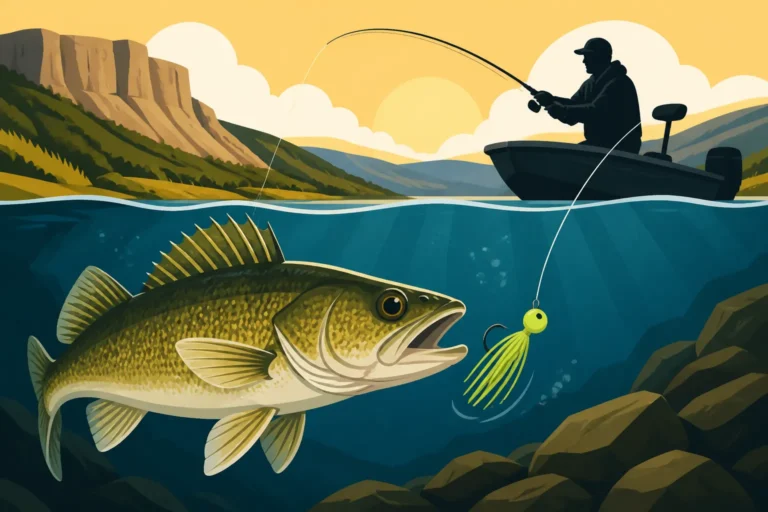
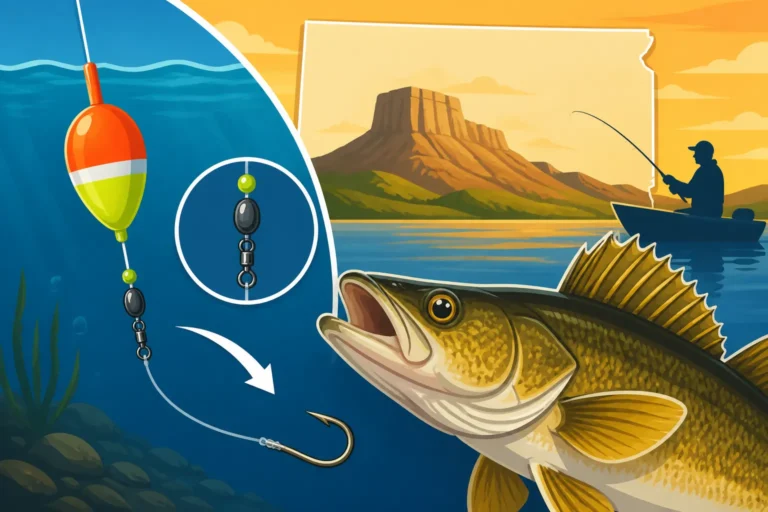
Jigging with live bait, such as minnows or nightcrawlers, is a classic and highly effective technique for cold water walleye. A slow retrieve with subtle pops of the jig can entice lethargic fish. Slip bobbers, suspending a minnow just off the bottom, can also be deadly when walleye are finicky. Other species also become active as the ice disappears. Northern pike, known for their cold-water tolerance, can be found in shallow weed beds or around structure. Perch might also be schooling in newly opened bays. For a deeper dive into techniques, our article on How to Fish Post Ice Out for Walleye offers excellent tips.
Essential Gear for Cold Water Fishing
Early spring fishing on Lake Oahe means cold water and unpredictable weather, so your gear needs to be up to the task. Layered clothing is non-negotiable. Start with moisture-wicking base layers, add insulating mid-layers, and top it off with waterproof and windproof outerwear. Even if the air feels warm, cold water immersion is a serious danger. A quality personal flotation device (PFD) is not just a legal requirement, but a lifeline in cold water. Make sure everyone in your boat has one that fits properly and is worn. You can find excellent options for PFDs and other cold-weather gear on platforms like Amazon, ensuring you're prepared for whatever Mother Nature throws at you.
Beyond personal safety gear, ensure your boat’s electronics are functioning correctly, especially your fish finder and GPS. Cold water can be hard on batteries, so a fully charged battery is vital. Check all your safety equipment – paddle, anchor, ropes, fire extinguisher, and a communication device. Your tackle box should be stocked with cold-water presentations: small jigs, brightly colored blades for stained water, and a good supply of live bait. Don't forget insulated gloves and a warm hat, as losing body heat through your extremities can quickly lead to discomfort. For a comprehensive list, our South Dakota Fishing Gear Checklist can help you get organized.
Planning Your First Ice-Out Trips and Maximizing Success
The post-ice out period on Lake Oahe is a fantastic time to target trophy fish that are eager to feed after a long winter under the ice. With careful planning and the right approach, you can have some of the most memorable fishing experiences of the year.
Target Areas and Water Temperatures
When the ice first comes off, pay close attention to the northern bays and shallower coves. These areas typically have darker bottoms, which absorb sunlight more effectively, causing the water temperature to rise a few crucial degrees faster than the main lake. Even a slight increase in water temperature, from say 35 degrees to 40 degrees Fahrenheit, can trigger a feeding frenzy among walleye. Look for protected areas out of the main current where baitfish might also congregate as the water warms.
Understanding What Water Temperature Walleye Prefer? is absolutely critical here. Walleye are still somewhat lethargic in very cold water, so they won't chase baits very far. Focus on slow presentations in known warm-water pockets. As the season progresses and more of the lake opens up, fish will spread out, but those initial warm-water havens are prime real estate immediately after ice out. Remember that shallow structures like points, submerged humps, and even old river channels in these bays can hold fish.
Best Baits and Lures for Cold Water
In the frigid waters immediately following ice out, live bait often outperforms artificial lures. Minnows, shiners, or even a well-presented nightcrawler on a slow-death rig can be incredibly effective. The natural scent and subtle movement of live bait are often too tempting for cold-blooded fish to resist. Rig them on a plain jig head or under a slip bobber to keep them in the strike zone for extended periods.
When it comes to artificials, think subtle and slow. Small jigs tipped with plastics or a piece of live bait can be worked very slowly along the bottom. Blade baits, slowly jigged, can also generate strikes. For trolling, small crankbaits that dive to the appropriate depth for the shallower bays, run at very slow speeds, can pick off active fish. Colors often lean towards natural hues in clear water, but don't shy away from brighter colors like chartreuse or orange if the water is still a bit stained from runoff. Many of these effective cold-water lures can be found on Amazon, making it easy to stock up before your trip. For a more detailed look, check out our guide on Best Lures for South Dakota Walleye.
Safety First on Early Spring Waters
We simply can't stress this enough: cold water is extremely dangerous. Even on a sunny, pleasant spring day, the water temperature of Lake Oahe after ice out will be brutally cold, often in the low 40s or even colder. Accidental immersion can lead to hypothermia in minutes. Always wear your PFD, even if you're an experienced swimmer. Tell someone where you are going and when you expect to return. This "float plan" is a simple but vital safety measure.
Always check the weather forecast before you head out, and be prepared for rapidly changing conditions. Spring in South Dakota can bring sudden wind shifts, rain, or even snow squalls. Don't overload your boat, and be mindful of ice chunks that might still be present, especially in the larger open areas or northern bays. A well-maintained boat with all the required safety gear, as detailed in our comprehensive South Dakota Boat Safety Equipment Requirements guide, is your best defense against the unpredictable nature of early spring fishing. Enjoy the first open water of the season, but do so with respect for the power of Lake Oahe's cold embrace.
Disclaimer
This article is for general informational purposes only and does not constitute professional advice. Laws, prices and regulations vary by location and change over time. Consult a qualified professional for guidance on your specific situation.