Best Lures for Spring Walleye on the Missouri River
Spring walleye fishing on the vast and powerful Missouri River can be incredibly rewarding, but it’s no secret that it also presents some unique challenges. Many anglers find themselves scratching their heads, wondering why their usual go-to lures aren't producing, especially when the water is still cold and the current is strong. This comprehensive guide will dive deep into the specific lures and techniques that consistently put walleye in the boat during those crucial spring months on the Mighty Mo.
Understanding Spring Walleye Behavior on the Missouri River
Before you even think about what lure to tie on, it's absolutely vital to understand what the walleye are doing in the spring on the Missouri River. This isn't your calm, clear lake fishing; the Missouri is a dynamic, ever-changing beast, and its walleye behave accordingly. Their movements and feeding patterns are heavily dictated by spawning cycles, water temperature, and the relentless current.
Post-Spawn Recovery and Location Tendencies
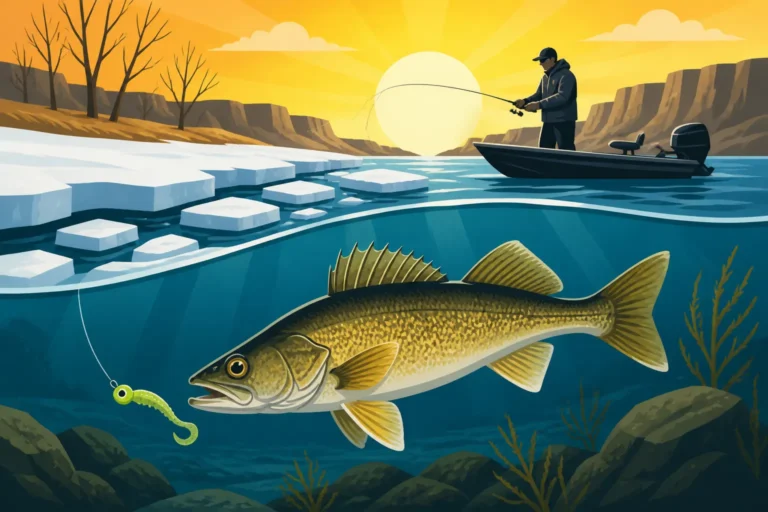
As spring progresses, walleye on the Missouri River are often in various stages of their spawning cycle. Many will have recently completed their arduous spawning rituals, which usually occur when water temperatures creep into the mid-40s to low 50s Fahrenheit. Post-spawn walleye, especially the larger females, are typically exhausted and looking for areas to recover and refuel. They won't be actively chasing down fast-moving baits right away.
These recovering fish often gravitate towards slack water areas, eddies, current breaks behind islands or wing dams, and the warmer, shallower flats adjacent to deeper channels. They're seeking refuge from the main current, warmer water to boost their metabolism, and easy access to baitfish that might also be migrating or spawning. Think about areas where the water warms up just a degree or two quicker, like northern bays or shallower sections exposed to direct sunlight. Access to these areas can vary, so always be aware of the South Dakota Missouri River Fishing Techniques that allow you to reach these prime locations.
Factors Influencing Spring Walleye Bite
The Missouri River's conditions can change dramatically in the spring, and these changes directly impact the walleye bite. Water temperature is arguably the most critical factor; a few degrees can make all the difference in a walleye's willingness to feed. Colder water usually means a slower metabolism, leading to lethargic fish that prefer a subtle, easy meal. As the water warms, their activity levels increase, and they become more aggressive.
Current speed and clarity are also huge players. Heavy spring rains or increased releases from the upstream dams can turn the river into a muddy, fast-moving torrent. In these conditions, walleye will tuck into even tighter current breaks, and visibility for both fish and angler becomes limited. Conversely, stable water levels and clearer conditions might spread the fish out more, making them slightly harder to pinpoint but potentially more willing to bite. Understanding these environmental cues is key to successful South Dakota Spring Walleye Fishing Techniques.
Essential Lure Types for Spring Walleye on the Missouri River
When it comes to spring walleye fishing on the Missouri, you can't just throw anything out there and expect results. The specific conditions of the river demand specific lure types and presentations. We're talking about lures that can get down to the fish, present slowly, and offer a tempting meal to a walleye that might not be in a full-on chase mood.
Jigs and Soft Plastics: The Springtime Staples
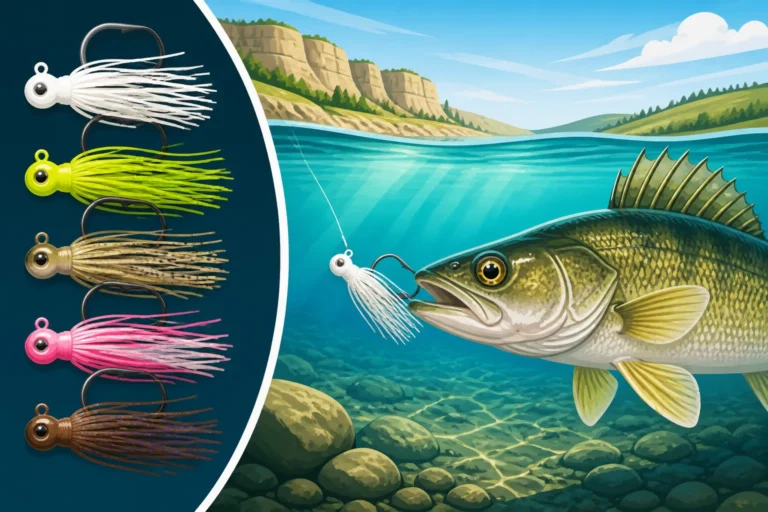
If there's one lure combination that reigns supreme for spring walleye on the Missouri, it's the jig and soft plastic. The beauty of a jig lies in its versatility and its ability to be presented with incredible precision and subtlety. You can vertical jig, pitch, drag, or swim them, mimicking an injured baitfish struggling in the current. This slow, vulnerable presentation is often irresistible to post-spawn walleye that are conserving energy.
Jig heads come in various weights, from light 1/8 oz for shallow, calm areas to heavy 1/2 oz or more for deeper water and strong current. Styles matter too: a round head is a good all-rounder, while a stand-up jig head can keep your plastic off the bottom, making it more visible. For the soft plastic trailers, minnow imitations like paddle tails or straight tails are fantastic choices, as are grub bodies. Colors can be crucial; in stained or muddy water, bright chartreuse, orange, or firetiger often stand out. In clearer water, more natural hues like white, pearl, or grey can be more effective. If you're looking to stock up on a variety, you can often find bulk packs of jig heads and popular soft plastic baits on Amazon.
Crankbaits: When to Troll or Cast
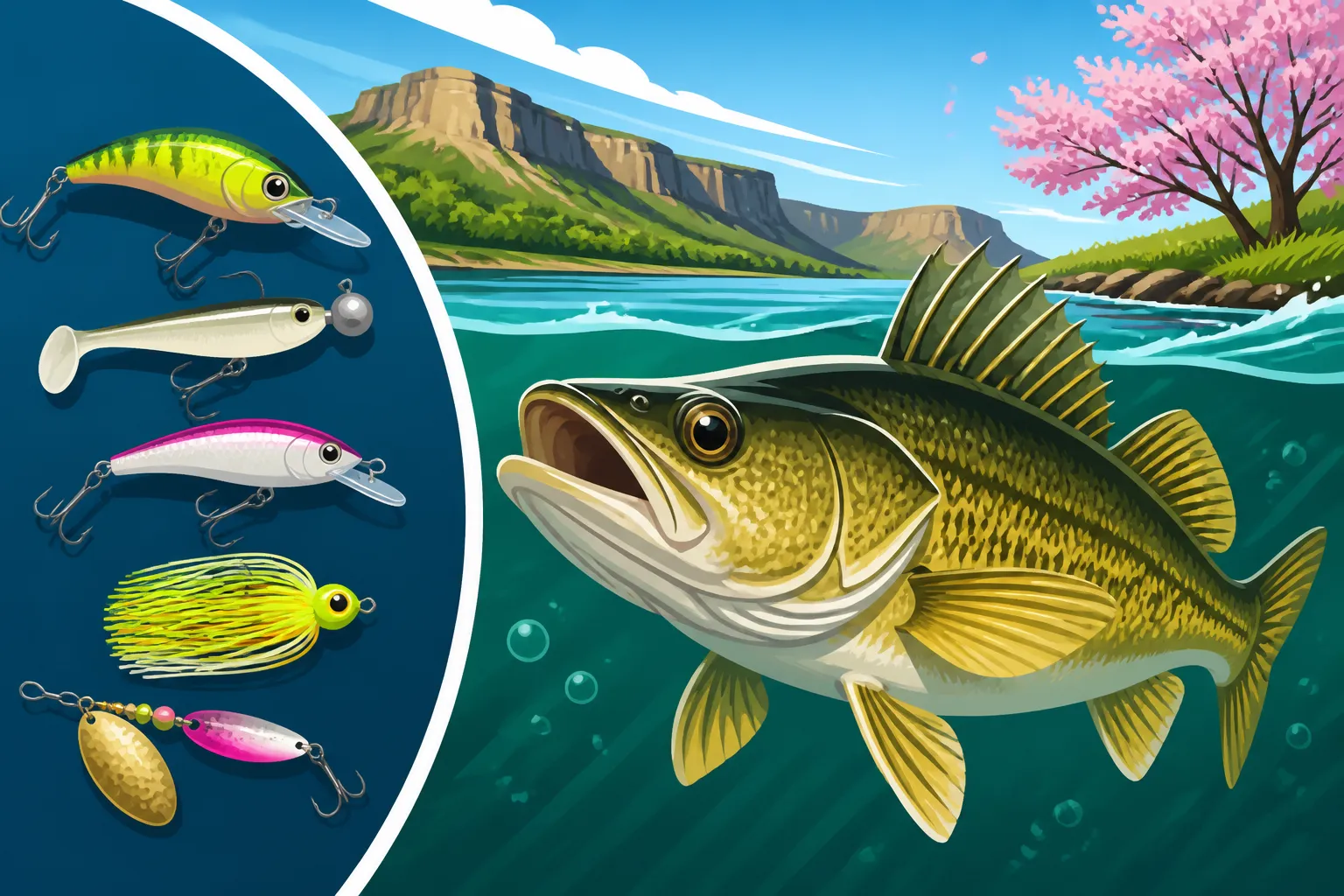
While jigs dominate the slow-and-low game, crankbaits definitely have their place in the spring walleye arsenal, especially as water temperatures start to tick upwards. These diving plugs excel at covering water, searching for active fish, and triggering reaction strikes. The key is knowing which crankbaits to use and when.
Shallow-diving and medium-diving crankbaits are typically the most effective in spring, as walleye are often found in shallower recovery areas or along shelves. Look for models that have a tight wobble or a more aggressive kick, depending on the fish's mood. Lip styles are what dictate the diving depth and action; a smaller lip means a shallower dive, while a larger, more angled lip will take the bait deeper. As with jigs, color is paramount. In murky river conditions, reflective chrome, gold, or bright patterns like firetiger or hot pink can be highly visible. In clearer stretches, natural baitfish patterns like perch, shad, or bluegill can be more effective. Both casting and trolling methods are effective for crankbaits, with the choice often depending on the specific stretch of river and fish distribution, making it an excellent addition to your Best Lures for South Dakota Walleye collection.
Spinner Rigs and Live Bait Combinations
When walleye are particularly finicky, live bait often becomes the ultimate persuader. Spinner rigs, especially the famed "Slow Death" rig, are designed to present live bait in a way that is incredibly enticing to walleye. These rigs combine the attraction of a spinning blade or bead with the natural scent and action of a live minnow or nightcrawler, creating an irresistible combination.
A classic spinner rig typically consists of a clevis with a blade (Colorado, Indiana, or willowleaf are common choices), beads for color and bearing, and one or two snelled hooks. The blade provides flash and vibration, while the live bait provides the natural appeal. The "Slow Death" rig specifically uses a specialized bent hook that makes a half-nightcrawler spin enticingly when trolled slowly. For those who aren't local, getting the right components can sometimes be a challenge, but you can find many pre-tied rigs and individual components for these setups on Amazon. Live bait, of course, must be sourced locally, but having the right rig ready to go is half the battle.
Top Lure Choices and Rigging Strategies
Now that we've covered the categories, let's get into the nitty-gritty of specific lures and how to rig them for maximum effectiveness on the Missouri River in spring. The right presentation can often be more important than the lure itself, especially when dealing with cold, lethargic walleye.
Jig and Minnow Combinations
The jig and minnow combo is a timeless classic for a reason. For spring walleye on the Missouri, it's often the most productive setup. Start with a quality jig head, typically 1/4 to 1/2 ounce, depending on current and depth. A simple round ball jig head is usually sufficient, but a stand-up jig can be beneficial in rocky areas to reduce snags and keep your bait visible.
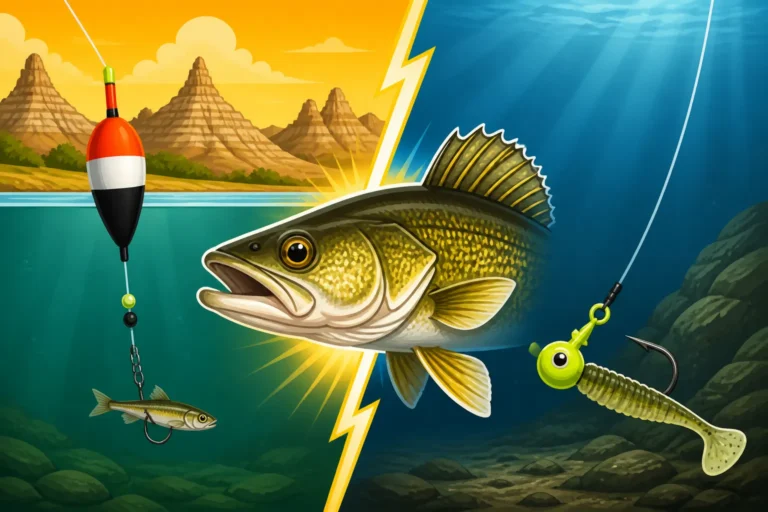
When rigging, thread a live minnow (preferably a shiner or fathead) onto the hook, hooking it just behind the dorsal fin for active swimming, or through the mouth and out the top of the head for a more streamlined presentation that still allows some tail action. The goal is to keep the minnow alive and kicking. The presentation is key: for Jigging Techniques for Missouri River Walleye, vertical jigging directly below the boat is highly effective in current breaks or deeper holes. Allow the jig to hit bottom, then lift it a few inches to a foot, holding it momentarily before letting it fall back down. Often, the bite comes on the drop or when the lure is suspended just above the bottom. You can also drag jigs slowly upstream or downstream, letting the current work the bait.
Shallow-Running Crankbaits for Specific Conditions
As the water warms slightly and walleye become more active, or when you need to cover larger areas, shallow-running crankbaits become incredibly effective. Lures like the Rapala Shad Rap, Berkley Flicker Shad, or similar compact, tight-wobbling baits are ideal. These baits typically dive to depths of 4-10 feet, putting them right in the strike zone of walleye staging in shallower recovery areas.
When fishing crankbaits on the Missouri, consider both casting and trolling. Casting these baits towards riprap, wing dams, or submerged rock piles can trigger aggressive strikes. Use a slow, steady retrieve, occasionally pausing or twitching the rod to impart erratic action. For trolling, especially when trying to locate scattered fish over flats or along channel edges, these baits shine. Match your trolling speed (usually 1.5 to 2.5 mph) to the water temperature and the fish's activity level. Remember that Best Crankbait Colors for Stained Water typically involve chartreuse, orange, or firetiger patterns, while clear water might call for more natural silver, gold, or shad imitations.
Slow Death Rigs and Other Live Bait Setups
The Slow Death rig is a phenomenal tool for presenting live nightcrawlers in a unique, spinning action that walleye find hard to resist. The setup involves a specialized bent hook (often a Gamakatsu octopus hook bent into a specific "Z" shape or pre-bent hooks available from manufacturers like Mustad) on a snell, typically 2-4 feet behind a bottom bouncer weight. A half nightcrawler is threaded onto the hook, leaving the tail free to flutter and spin.
This rig is predominantly trolled slowly, often at speeds around 0.8 to 1.5 mph, allowing the crawler to corkscrew through the water. The bottom bouncer keeps your bait near the bottom without constant snagging, crucial in the Missouri's varied terrain. This technique is particularly effective when walleye are spread out over flats or along gradual breaks, and you need to cover ground while presenting a natural, slow-moving meal. Other effective live bait setups include simple snell rigs with a single hook and a minnow, drifted or trolled behind a bottom bouncer, which allows the minnow to swim naturally. Mastering How to Fish a Jig and Minnow Combo is essential, but adding these spinner and live bait rigs significantly expands your versatility.
| Lure Type | Primary Use Cases | Recommended Spring Conditions (Missouri River) | Retrieval/Presentation |
|---|---|---|---|
| Jig & Soft Plastic | Vertical jigging, pitching, dragging on bottom | Cold water, post-spawn, current breaks | Slow hops, drags, subtle lifts; feel for light bites |
| Shallow Crankbait | Covering water, targeting active fish, searching flats | Warming water, active fish, casting to structure | Steady retrieve, stop-and-go, trolling |
| Slow Death Rig | Slow trolling with live nightcrawlers | Finicky fish, covering large flats | Very slow troll, bottom bouncing; let bait do the work |
| Live Minnow Rig | Drifting, still fishing, bottom bouncing with minnows | Very cold water, lethargic fish, specific spots | Slow drift, slight jigging, let minnow swim naturally |
Advanced Tactics for Maximizing Your Spring Bite
Having the right lures is only half the battle. Knowing where and how to present them is what truly separates successful anglers from the rest. The Missouri River demands thoughtful strategizing, constant adaptation, and a deep understanding of walleye behavior.
Reading the River and Locating Fish
The Missouri River is a maze of current, eddies, sandbars, and submerged structures. Learning to "read the water" is an invaluable skill. In spring, walleye will use current breaks as resting and ambush points. Look for seams where fast current meets slower water, behind wing dams, large rocks, or bridge pilings. Eddies, where the current swirls and creates a calmer zone, are also prime holding areas for recovering fish. Pay close attention to shallow flats or points that warm up quickly in the sun, as baitfish will often congregate there, and walleye won't be far behind.
Using your electronics effectively is paramount. Side imaging can reveal submerged humps, rock piles, or old channel edges that provide crucial depth changes and current breaks. Down imaging will help you pinpoint individual fish or schools relating directly to the bottom. Even a slight depth change of a foot or two can hold a school of walleye. Also, keep an eye out for baitfish on your sonar; if you find the bait, the walleye are likely nearby. This will greatly improve your success with Best Lures for South Dakota Walleye.
Adjusting to Water Conditions and Weather
Spring weather in South Dakota is notoriously unpredictable, and the river can change day-to-day. As discussed earlier, water clarity directly influences lure color choices. In very clear water, a subtle, natural presentation with white, pearl, or grey can be best. When the river is stained or muddy, vibrant colors like chartreuse, firetiger, or bright orange provide the contrast needed for walleye to see your lure.
Current speed and water levels will dictate jig weight and trolling speed. If the current is ripping, you'll need heavier jigs to maintain bottom contact or faster trolling speeds to keep crankbaits diving properly. On calmer days, lighter jigs and slower presentations might be more effective. Pay attention to wind direction as well. Wind can create current on large flats, push baitfish into certain areas, or make boat control challenging, all of which influence where walleye might be holding. Remember that Best Time of Day to Catch Walleye in Spring can also be influenced by these changing conditions, with warmer afternoons often producing better bites after a cold spring morning.
Ethical Angling and Regulations
Finally, always remember the importance of ethical angling practices. The walleye population on the Missouri River is a precious resource, and we all play a part in conserving it. Be familiar with the current South Dakota Walleye Limits and South Dakota Fishing Regulations Explained before you head out. These regulations are in place to ensure sustainable fishing for future generations.
If you're practicing catch-and-release, especially with larger, egg-laden female walleye in the spring, handle them with care. Minimize their time out of the water, support their body horizontally, and use appropriate tools like a net to land them quickly. Releasing fish responsibly ensures they can continue to contribute to the population. Also, be mindful of how many rods you are using; understanding if Can You Fish Two Rods at Once in South Dakota? is permitted will prevent unnecessary fines.
By combining the right lure choices with a deep understanding of walleye behavior and river conditions, you'll be well on your way to a successful and rewarding spring walleye season on the incredible Missouri River.
Disclaimer
Please note that fishing regulations, conditions, and fish behavior can change. Always consult the latest South Dakota Game, Fish and Parks (GFP) regulations before fishing. This guide is for informational purposes only and does not constitute official legal advice.