Best Fishing Spots on the Big Sioux River
Many anglers, myself included, often find themselves dreaming of exotic fishing trips to far-off lakes, overlooking the incredible opportunities right in our own backyard. Trying to pinpoint the prime locations along a winding river like the Big Sioux can feel like an overwhelming task, with so many twists, turns, and varying habitats to consider. But don't let that deter you! This guide is designed to cut through the guesswork, helping you pinpoint the best fishing spots on the Big Sioux River, understand its unique quirks, and ultimately, land more fish, whether you prefer casting from shore or navigating by boat.
Understanding the Big Sioux River's Unique Character
The Big Sioux River isn't just another waterway; it's a dynamic, ever-changing ribbon of life that offers a distinct fishing experience compared to South Dakota's larger lakes and reservoirs. Its character shifts dramatically from its northern reaches to its confluence with the mighty Missouri River, providing a diverse array of challenges and rewards for the dedicated angler. Knowing what makes this river tick is the first step to unlocking its full potential.
The River's Journey and Diverse Habitats
Originating in Roberts County, near the northeastern corner of South Dakota, the Big Sioux River meanders south for approximately 420 miles, eventually joining the Missouri River near North Sioux City. Along this extensive journey, it carves out a variety of habitats, each attracting different species of fish and demanding specific angling approaches. You'll encounter everything from shallow, rocky riffles where the current churns, to deeper, slow-moving pools that hold larger, less active fish. There are stretches with sandy flats perfect for catfish, and areas dominated by clay banks and submerged timber, which create excellent cover.
The river's bottom composition is rarely uniform; one bend might offer a gravelly substrate, while the next could be a mucky, debris-strewn trough. Overhanging trees, fallen logs, and patches of aquatic vegetation are common features, all providing critical ambush points and shelter for fish. It's also worth noting that the Big Sioux can be susceptible to significant fluctuations in water level and clarity, especially after heavy rains or during spring runoff. When the water turns to chocolate milk, you might need to adjust your tactics. For those wondering how to approach these conditions, our guide on How to Fish Muddy Water After Rain offers some excellent strategies that can be applied to the Big Sioux.
Prime Species and Their Preferred Haunts
The Big Sioux River is a multi-species fishery, meaning you're likely to encounter a variety of fish, each with its own preferred hangouts. Understanding these preferences is key to targeting your desired catch.
Smallmouth Bass are arguably one of the most exciting species to pursue on the Big Sioux. They thrive in areas with rocky bottoms, current breaks, and submerged timber. Look for them around bridge pilings, logjams, and any place where the current creates an eddy or slack water. These feisty fighters provide incredible sport, and South Dakota has some great opportunities for them, as detailed in our comprehensive South Dakota Smallmouth Bass Fishing Guide. Always be mindful of the specific Smallmouth Bass Daily Limits to ensure sustainable fishing.
Channel Catfish are another cornerstone of the Big Sioux, especially in the central and southern portions. They prefer deeper holes, snags, and areas with slower currents and muddy or sandy bottoms. These powerful bottom-dwellers are often found near fallen trees or undercut banks, waiting for food to drift by. For more detailed insights into pursuing these whiskered giants, check out our South Dakota Catfish Fishing Guide.
While not as abundant as in the large Missouri River reservoirs, Walleye can certainly be found in the Big Sioux, particularly in deeper pools and current seams, especially closer to its confluence with the Missouri. They tend to relate to structure and are often a more challenging but rewarding catch. Anyone serious about chasing these coveted fish should definitely read our South Dakota Walleye Fishing Guide. Don't forget to review the South Dakota Walleye Limits before you head out.
You might also encounter Northern Pike in slower backwaters and areas with significant weed beds, particularly in the northern and central sections of the river. These toothy predators are ambush hunters, so targeting dense cover is often your best bet. For more information on tackling these aggressive fish, our South Dakota Northern Pike Fishing Guide is a fantastic resource. Finally, Crappie and various Panfish (like bluegill and sunfish) are present in quieter pools, oxbows, and around brush piles and fallen timber. These make for excellent family fishing targets.
Top Fishing Spots and Access Points Along the Big Sioux River
The beauty of fishing the Big Sioux is its accessibility across a wide geographic area. From bustling urban parks to quiet rural stretches, there are numerous opportunities to cast a line. Knowing where to go and how to access these spots can make all the difference.
The Sioux Falls Metropolitan Area Stretches
For many, the most accessible parts of the Big Sioux River are within or near Sioux Falls. Despite the urban setting, these stretches can offer surprisingly good fishing, especially for smallmouth bass and catfish.
The Mary Jo Wegner Recreation Area on the east side of Sioux Falls offers excellent bank access and designated fishing areas. The river here flows through a scenic park, making it ideal for a relaxed day of fishing. You'll find mixed species, with smallmouth bass often relating to rocky areas and catfish in deeper pockets. It's a great spot for both bait fishing and casting artificials.
Sertoma Park is another popular spot within Sioux Falls, providing extensive bank access and plenty of amenities. The river here features a mix of riffles, runs, and deeper pools, creating varied habitat for smallmouth bass. The current breaks created by bends in the river and submerged structures are prime targets. Many anglers report consistent success for both bass and catfish here, particularly during the warmer months. You can often see anglers using a variety of techniques, from throwing crankbaits to soaking chicken liver for catfish.
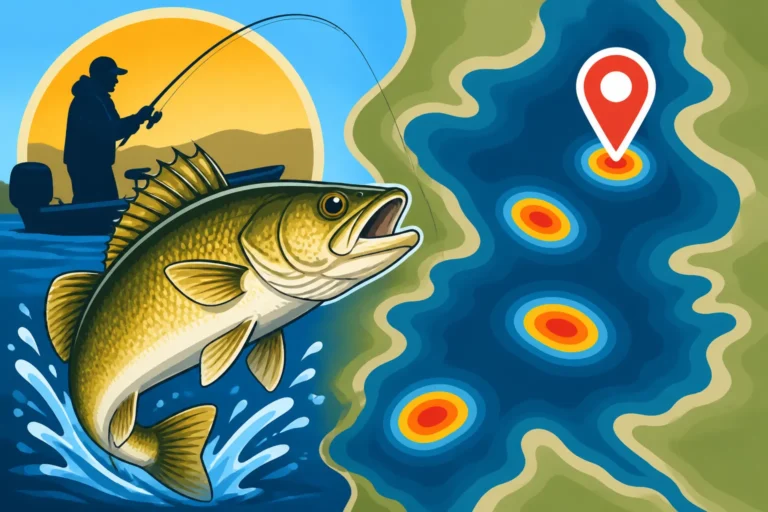
Various smaller parks and public access points along the river through Sioux Falls, particularly those near historical dam structures (even if removed or modified), can create deeper scour holes and unique current dynamics that attract fish. While these areas might see more fishing pressure, they are easily reachable and can produce good catches, especially during early mornings or late evenings. When planning your trip, consider using online mapping tools to identify potential access points and scout the river's contours.
Northern and Central River Segments
Venturing north or south of Sioux Falls can often lead to less pressured waters and a more secluded fishing experience. These rural stretches often hold larger, less wary fish.
The Flandreau area in Moody County provides access to more rural segments of the Big Sioux. Here, the river meanders through agricultural land, with more natural banks and fewer urban disturbances. Public access might be more dispersed, often requiring a bit of exploration to find ideal spots, but the rewards can be worth it. Look for areas where the river widens into deeper pools or where tributaries join, creating current seams and nutrient rich zones that attract fish. This area can be particularly good for channel catfish, with anglers often finding success by targeting deep holes near logjams.
Further north, around the Brookings and Oakwood Lakes area, the Big Sioux connects to or is influenced by other water bodies and drainage systems, which can sometimes introduce different fish species or enhance existing populations. While Oakwood Lakes itself is a separate entity, knowing about its proximity and our guide on Oakwood Lakes State Park Fishing Access can help you understand the broader aquatic environment in this part of the state. These northern stretches can sometimes offer decent opportunities for Northern Pike, especially in areas with slower currents and extensive weed growth. Exploring access points where county roads cross the river or at designated wildlife management areas can yield excellent results.
Lower Big Sioux and Missouri River Confluence
As the Big Sioux River flows southward, its character begins to change, eventually becoming influenced by the immense flow of the Missouri River. This confluence area near North Sioux City and Vermillion offers a unique fishing experience.
The waters closer to the Missouri River can see an influx of species from the larger river, including potentially larger catfish and walleye. The current here is often stronger and the river itself wider, presenting different challenges and requiring heavier tackle. Anglers might find success by targeting the edges of the main current, especially where the Big Sioux's flow meets the Missouri's. These areas create distinct current breaks and eddies where fish congregate. Our comprehensive guide on South Dakota Missouri River Fishing Techniques can provide valuable insights into fishing powerful river systems, many of which are applicable here. When planning your trip, using a reputable platform like FishingBooker can help you find local guides who specialize in the unique conditions of the lower Big Sioux and its confluence with the Missouri, giving you an edge on unfamiliar waters.
Essential Techniques and Tackle for Big Sioux River Success
Fishing a river requires a different approach than still water. The constant flow, varying depths, and abundant cover mean that adapting your techniques and choosing the right tackle are paramount to success on the Big Sioux.
Adapting to River Conditions
One of the biggest factors on the Big Sioux is the current. Unlike a lake, you're constantly battling or using the flow to your advantage. When fishing in stronger currents, you'll need heavier jigs or sinkers to get your bait down to the strike zone. Learning to "read the water" – identifying current seams, eddies, and slack water behind obstructions – is a crucial skill. Fish often hold in these calmer areas, expending less energy while waiting for food to be swept past them.
Structure fishing is another key element. The Big Sioux is rife with natural and man-made structure: fallen logs, rock piles, bridge pilings, and undercut banks. These are all prime fish-holding areas. Cast your lures or present your bait close to these structures, paying attention to how the current interacts with them. Understanding these principles can greatly improve your success. While written for larger impoundments, many of the concepts in our Bank Fishing Techniques for Reservoirs can be adapted to river bank fishing, especially when targeting slack water or slower runs.
Bank versus boat access also dictates your approach. While many spots on the Big Sioux offer good bank access, navigating by kayak or a small boat can open up vast stretches of otherwise unreachable water. Kayaks, in particular, are excellent for stealthily navigating tighter bends and shallower sections, allowing you to access pristine fishing grounds that receive less pressure. Always prioritize safety when on the water, especially in moving current.
Lures and Baits for Target Species
Matching your bait and lure selection to the primary species you're targeting and the conditions of the river will significantly improve your catch rate.
For Smallmouth Bass, a varied tackle box is your best friend. Hard-bodied crankbaits, especially those with natural baitfish patterns like Rapala or Rebel, are deadly when retrieved against the current or along current breaks. Soft plastic tubes and crawfish imitations rigged on jig heads are also highly effective when bounced along the bottom near rocky areas. Spinnerbaits and inline spinners, such as Mepps or Rooster Tails, are excellent for covering water and triggering aggressive strikes in stained water or around sparse cover.
When it comes to Channel Catfish, simplicity often wins. Cut bait (like shad or a prepared blend), chicken liver, and good old nightcrawlers fished on the bottom are proven producers. Stink baits, especially those specifically formulated for catfish, can also be highly effective. Use a slip-sinker rig to allow catfish to pick up the bait without feeling resistance. For more detailed advice, our guide on the Best Bait for South Dakota Catfish dives deep into this topic.
Chasing Walleye on the Big Sioux often involves jigs tipped with live minnows or soft plastic trailers. Drifting or slowly retrieving these jigs along current seams or over deeper structure can be very productive. Small to medium-sized crankbaits that dive to the appropriate depth can also work well when trolled or cast in slower, deeper pools. Don't forget to consult our Best Lures for South Dakota Walleye for a broader perspective on successful walleye presentations.
For Northern Pike, aggressive presentations are usually best. Spoons (like Daredevils), large inline spinners, and sizable swimbaits or jerkbaits retrieved erratically around weed edges or fallen timber can provoke explosive strikes. Always use a steel or heavy fluorocarbon leader to prevent bite-offs from their razor-sharp teeth.
Practical Tips for Maximizing Your Catch
Beyond specific techniques, a few general strategies can greatly enhance your Big Sioux fishing experience.
Scouting is incredibly valuable. Before you even leave home, use satellite imagery (like Google Earth) to identify potential access points, river bends, deep pools, and areas with significant cover. Look for changes in river morphology that might concentrate fish. When you arrive, spend some time observing the water before making your first cast. Look for current breaks, submerged structure, and any signs of fish activity.
Stealth is particularly important, especially in clearer water or for species like smallmouth bass. Approach your chosen spot quietly, avoid making loud noises, and keep a low profile on the bank or in your boat. Fish can be surprisingly wary, especially in rivers that see consistent pressure.
Consider fishing during low light conditions. Dawn and dusk are often the most productive times for many species on the Big Sioux, as fish move into shallower water to feed under the cover of reduced light. Overcast days can also extend these productive periods throughout the day.
Finally, don't underestimate the value of local knowledge. Sometimes, the best way to get a quick handle on a new fishery like the Big Sioux is to tap into local expertise. Platforms like FishingBooker can connect you with experienced guides who know the river's nuances, understand the current conditions, and can put you on fish quickly. These guides offer invaluable insights into seasonal patterns, productive spots, and successful techniques, saving you countless hours of trial and error. Whether you're targeting trophy bass or a cooler full of catfish, a guided trip can accelerate your learning curve and make your Big Sioux adventure truly memorable.
Seasonal Strategies and Conservation for the Big Sioux
The Big Sioux River transforms with the seasons, and so too should your fishing approach. Understanding these seasonal shifts, alongside a strong commitment to conservation, will ensure bountiful trips for years to come.
Spring and Early Summer
Spring on the Big Sioux often means higher water levels and stronger currents due to snowmelt and spring rains. Fish tend to seek refuge in slower-moving areas, eddies, and backwaters where they don't have to fight the main current. This is a prime time for pre-spawn and spawning activity for smallmouth bass, which will begin moving into shallower, rocky areas as water temperatures rise. Walleye also become more active in spring, often found staging in deeper pools before moving to shallower feeding grounds.
Early spring can also see an increase in catfish activity as they shake off winter sluggishness. Targeting these fish in deeper, slower runs with live or cut bait can be very productive. As spring transitions into early summer, the water warms further, and fish become more active, feeding aggressively. This period is often considered one of the best for multi-species action on the river. Our dedicated guide on Spring Fishing in South Dakota offers broader insights into successful strategies during this dynamic time of year across the state.
Mid-Summer and Fall
By mid-summer, water levels on the Big Sioux typically recede and become more stable, and the water warms significantly. This means fish will often seek deeper, cooler water during the heat of the day, moving into shallower feeding areas during dawn, dusk, or on overcast days. Topwater bass action can be explosive during low light conditions, and the catfish bite remains strong, particularly overnight. Look for smallmouth around deep rock piles and current breaks, while catfish will be holding in the deepest holes and around heavy cover.
As fall arrives, the water begins to cool, and many fish species enter a pre-winter feeding frenzy. This can be an incredibly productive time for all species. Smallmouth bass will be packing on weight, often found schooled up on rocky points or around deeper structure. Walleye also become very active, feeding heavily in preparation for winter. Look for them in current seams and deeper pools, often preferring jigs and crankbaits. During this period, the river's fish become more predictable in their movements, making scouting and targeting specific structures highly rewarding.
Respecting the Resource
Fishing the Big Sioux River is a privilege, and it's our responsibility as anglers to practice sound conservation to ensure its health and productivity for future generations.
Catch and release practices are vital, especially for larger breeding fish. While it's perfectly fine to keep a legal limit for a meal, consider releasing larger specimens to contribute to the river's breeding stock. Handle fish carefully, minimize their time out of water, and use proper de-hooking tools.
Always adhere strictly to the South Dakota fishing regulations. These rules, clearly outlined by the South Dakota Game, Fish and Parks, are designed to manage fish populations sustainably. This includes understanding South Dakota Fishing Regulations Explained and being aware of specific Catfish Limits and Size Rules and South Dakota Walleye Limits. Regulations can change, so it's wise to review the latest handbook before each season.
Finally, practice leave no trace principles. Pack out all your trash, including discarded fishing line and bait containers. Be mindful of private property along the river and always seek permission before accessing private lands. By being responsible stewards of the Big Sioux, we ensure that this remarkable fishery continues to provide exceptional angling opportunities for everyone.
| Species | Preferred Habitat | Key Baits/Lures | Best Time of Year |
|---|---|---|---|
| Smallmouth Bass | Rocky riffles, current breaks, submerged logs | Crankbaits, soft plastic tubes, spinnerbaits | Spring, Summer, Fall |
| Channel Catfish | Deep holes, snags, slower currents, muddy bottoms | Cut bait, stink baits, nightcrawlers | Summer, Early Fall |
| Walleye | Current seams, deeper pools, structured areas | Jigs (w/ minnows), crankbaits, spinner rigs | Spring, Fall |
| Northern Pike | Weed beds, slow backwaters, ambush points | Spoons, inline spinners, large swimbaits | Spring, Fall, Early Winter |
| Crappie/Panfish | Fallen timber, brush piles, slow pools, lily pads | Small jigs, live minnows, worms | Spring, Summer |
Disclaimer
The information provided in this guide is for general informational purposes only and should not be considered legal advice regarding fishing regulations. Always consult the most current South Dakota Game, Fish and Parks regulations and advisories before planning your fishing trip, as rules and conditions can change.