How to Qualify for a South Dakota Master Angler Award
You've spent countless hours on the water, battled stubborn snags, endured mosquito attacks, and perhaps even shivered through an unexpected cold front, all for that exhilarating tug on your line. When you finally land that truly exceptional fish – a lunker walleye, a monstrous pike, or a beautiful Black Hills trout – you want more than just a fleeting memory or a blurry cell phone picture. You want recognition, a testament to your skill and persistence. This guide will walk you through exactly how to get that well-deserved recognition by qualifying for a South Dakota Master Angler Award, ensuring your trophy catch is properly celebrated.
Understanding the South Dakota Master Angler Program
The South Dakota Master Angler Program isn't just a fancy certificate; it's a longstanding tradition designed to celebrate exceptional catches and encourage ethical angling practices across our beautiful state. It's a fantastic way for anglers, from seasoned veterans to enthusiastic newcomers, to have their most impressive catches officially recognized by the South Dakota Game, Fish and Parks (GFP). Think of it as our state's Hall of Fame for fish!
Why Pursue a Master Angler Award?
Honestly, who doesn't love a good story? But beyond the campfire tales, securing a Master Angler Award offers a few really satisfying perks. For starters, it’s official bragging rights. Imagine hanging that certificate in your fishing den or showing off the patch on your favorite fishing vest. It’s a tangible symbol of a memorable day on the water and a testament to your angling prowess. It tells a story of dedication, patience, and perhaps a little bit of luck, which is always part of the fishing game.
Beyond personal satisfaction, the program also plays a subtle but important role in conservation. By documenting these larger, older fish, it provides valuable data to the GFP about the health and trophy potential of our waters. It helps track growth rates and distribution, offering insights that contribute to better management practices. So, when you submit your award application, you’re not just celebrating your catch; you're also contributing to the future of fishing in South Dakota. It's a win-win for everyone involved, especially for the fish populations we all cherish.
The Two Pathways: Catch & Keep vs. Catch & Release
The South Dakota Master Angler Program understands that not every trophy fish needs to end up on the wall or in the frying pan. In fact, many anglers today are passionate about releasing big fish to ensure they can spawn again and contribute to the fishery. That's why the program offers two distinct categories for recognition: the Catch & Keep Division and the Catch & Release Division.
The Catch & Keep Division is for those catches that you intend to harvest and take home. Perhaps it's a legal-sized walleye that meets the minimum length and weight criteria, and you plan to enjoy its delicious fillets. This category usually requires a certified weight from a state-certified scale, often found at bait shops, marinas, or even some grocery stores. The emphasis here is on a precise, verified weight.
On the other hand, the Catch & Release Division is all about celebrating those big fish while ensuring they swim away to fight another day. This category usually focuses on length, as getting an accurate weight without unduly stressing a fish can be difficult. You'll need clear photos that show the fish’s length against a measuring device, along with photos of you holding the fish (if safely possible) and releasing it. This division is increasingly popular, reflecting a growing conservation ethic among anglers who understand the value of letting those big breeders go. Both divisions offer equal recognition, so choose the one that aligns with your fishing philosophy and the specific situation of your trophy catch.
The Nitty-Gritty: Eligibility and Requirements for Your Award
This is where the rubber meets the road! To truly qualify for a South Dakota Master Angler Award, you need to be meticulous. It’s not just about catching a big fish; it’s about proving you caught a really big fish according to specific rules. Missing a single detail in the application process can mean the difference between getting that coveted certificate and a disappointing rejection.
Species and Minimum Size Requirements
First and foremost, your catch must be one of the eligible species and meet the minimum size criteria established by the GFP. These aren't arbitrary numbers; they reflect the typical trophy sizes for each species in South Dakota waters. The minimums often vary between the Catch & Keep (requiring weight) and Catch & Release (requiring length) divisions. It’s absolutely crucial to know these numbers before you even hit the water, especially if you’re specifically targeting a Master Angler fish. You don't want to catch the fish of a lifetime only to find it's a quarter-inch short or a few ounces light!
Here's a general idea of some popular species and the kind of minimums you might expect. Please remember these are examples, and the official GFP website will always have the most current and exact figures for both weight and length requirements.
| Species | Catch & Keep (Minimum Weight) | Catch & Release (Minimum Length) |
|---|---|---|
| Walleye | X lbs | Y inches |
| Northern Pike | Z lbs | A inches |
| Channel Catfish | B lbs | C inches |
| Smallmouth Bass | D lbs | E inches |
| Largemouth Bass | F lbs | G inches |
| Rainbow Trout | H lbs | I inches |
| Brown Trout | J lbs | K inches |
| Chinook Salmon | L lbs | M inches |
| Yellow Perch | N lbs | O inches |
| Crappie | P lbs | Q inches |
Note: The exact weights and lengths are dynamic and must be verified on the official South Dakota Game, Fish and Parks website for the current year's regulations.
Make sure you're familiar with South Dakota Fish Limits and Size Restrictions as well, to ensure your potential trophy is within legal harvest limits if you plan to keep it. Many anglers carry a small laminated card with these minimums in their tackle box or boat for quick reference.
How to Measure and Photo Your Catch
This step is arguably the most critical and often the most fumbled part of the application process. A great catch can be disqualified by poor photo evidence or inaccurate measurements. For the Catch & Release division, length is king. You need a clear, legible measuring device. A bump board or a standard tape measure that lies flat against the fish is ideal. Lay the fish flat on its side, belly down, with its mouth closed and touching the "0" mark or bump. The tail should be squeezed or fanned to achieve the maximum length. Take multiple photos from directly above, clearly showing the length measurement. Ensure there's good lighting and no glare obscuring the numbers.
For both divisions, a photo of you holding the fish is great for showing scale, but remember that the measurement photo is what really counts for length. If you're keeping the fish for weight, photographs showing the fish on a certified scale, with the weight clearly visible, are essential. You also need a picture of the entire fish, side profile, to confirm species identification. Sometimes, a picture showing a unique identifying mark or fin structure can prevent misidentification. Think of yourself as a detective, gathering irrefutable evidence. Many anglers now use a dedicated camera for fishing, or even a waterproof smartphone in a sturdy case, to ensure quality photos. You can find excellent waterproof cases for phones and even some compact digital cameras on sites like Amazon.
Submitting Your Application: The Final Steps
Once you've landed your trophy, measured it carefully, and snapped those crucial photos, it's time to complete the application. The South Dakota GFP has made this process quite straightforward, primarily through an online application system. This is often the easiest and fastest way to submit your entry, as it allows you to upload photos directly. You’ll need to provide details about the catch: date, time, specific location (lake or river), bait or lure used, and the division you're applying for (Catch & Keep or Catch & Release). You'll also need your personal information, including your South Dakota fishing license number. If you're unsure about your license, you can always refer to How to Find Your South Dakota Fishing License Number.
Alternatively, you can usually download a printable application form from the GFP website and mail it in with printed photos. However, the online method is generally preferred for its efficiency and for ensuring photo quality is maintained. Double-check every field on the form before submitting. Any incomplete information or unreadable photos could lead to delays or rejection. It’s always a good idea to keep copies of your application and photos for your records, just in case there's a question later.
Keys to Success and Avoiding Common Pitfalls
Landing a trophy fish is hard enough, but navigating the application process can sometimes feel like another challenge. By being prepared and understanding common mistakes, you can significantly increase your chances of getting that coveted Master Angler Award.
Preparation is Key on the Water
The best way to ensure your Master Angler application goes smoothly is to be prepared before you even cast your line. This means having the right tools on your boat or in your tackle bag. A reliable measuring tape or, even better, a bump board is non-negotiable for length measurements. Make sure it's at least 30-40 inches long for most trophy species. A good quality camera (or a high-resolution phone camera) is essential for clear, well-lit photos. If you're going for Catch & Keep, having access to a certified scale is paramount. Plan ahead and know where the nearest certified scales are located, especially if you're fishing remote areas. Many bait shops are equipped with them.
Beyond physical tools, preparation also means knowing your target species. Understanding the differences between similar species, like a walleye and a sauger, or a white crappie and a black crappie, is vital for accurate identification on your application. You can find detailed guides on different species, such as South Dakota Walleye Fishing Guide or South Dakota Chinook Salmon Fishing Guide, to help you brush up on your fish ID skills. Having these resources at your fingertips can save you a lot of headache.
Understanding All the Rules and Regulations
It probably goes without saying, but qualifying for a Master Angler Award doesn't exempt you from following all other state fishing regulations. This includes having a valid South Dakota fishing license, abiding by daily and possession limits, and respecting all South Dakota Fishing Season Dates and Limits. If you're a nonresident, make sure you understand South Dakota Nonresident Fishing License Rules. Any violation of these rules, even if you caught a record-breaker, will disqualify your entry. The program is about celebrating ethical and legal angling, not just big fish.
Furthermore, ensure you understand specific body of water regulations. Some lakes or rivers might have special restrictions, such as slot limits or artificial lure-only rules, that could impact your catch or the bait you used. Always consult the current South Dakota Fishing Handbook or the GFP website before heading out to a new spot. It's also worth remembering that if you fish on tribal lands, you might need additional South Dakota Tribal Land Fishing Permits.
Common Reasons for Disqualification
Nobody wants their dream catch to be denied due to a technicality, but it happens more often than you'd think. One of the most common reasons for disqualification is poor photo evidence. Blurry photos, obstructed measurements, glares, or images that don't clearly show the entire fish can all lead to your application being rejected. The GFP staff needs undeniable proof, and if they can't see the full length, or verify the species, they can't approve it.
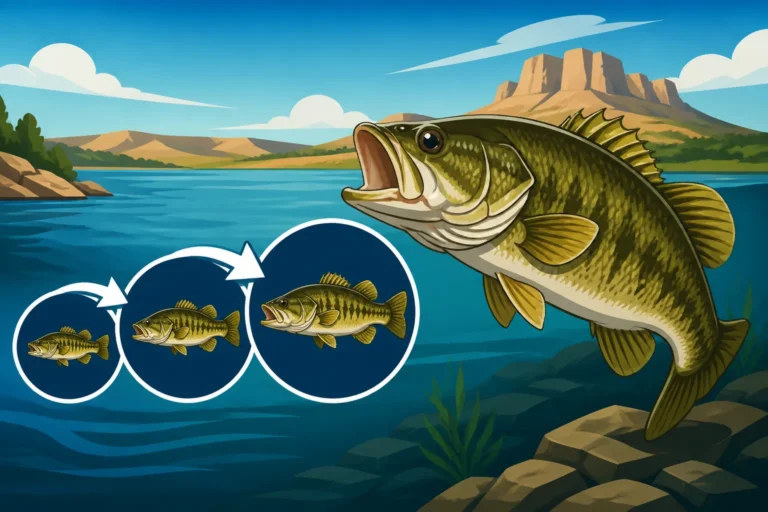
Another frequent issue is misidentification of the species. Sometimes, anglers confuse similar-looking fish, like a largemouth bass for a smallmouth bass. Accurate species identification is critical, and a thorough photo from the side showing key characteristics (like jawline relative to the eye for bass, or spots on the dorsal fin for walleye/sauger) can prevent this. Inaccurate measurements or weights are also a big problem. Guessing a length, or using an uncertified scale for a Catch & Keep entry, simply won't cut it. Take your time, be precise, and if possible, have someone else verify the measurement or weight. Remember, the goal is to celebrate, not to cheat.
Celebrating Your Achievement: After the Catch
You’ve done it! You landed that trophy, meticulously followed all the rules, submitted your application, and received that glorious confirmation that your catch has been approved. Now it’s time to bask in the glory and celebrate your hard-earned accomplishment.
What Happens When You Get Your Award
Once your application is reviewed and approved by the South Dakota Game, Fish and Parks, you’ll typically receive official notification. This usually includes a personalized certificate commemorating your Master Angler achievement, detailing the species, length/weight, and date of your catch. Many anglers frame these certificates and proudly display them. In addition to the certificate, you'll often receive an embroidered patch, perfect for sewing onto a fishing hat, jacket, or tackle bag. It’s a subtle but recognizable symbol to other anglers that you’ve earned your stripes.
The recognition isn't just a physical award. Your name and catch details might also be listed in an annual publication or on the GFP website, placing you among other accomplished anglers in the state. This public acknowledgment adds another layer of prestige to your achievement. It’s a wonderful way to reflect on the effort you put in, the conditions you braved, and the sheer joy of reeling in that exceptional fish.
Sharing Your Master Angler Story
Now that you're an official South Dakota Master Angler, it's time to share your story! This isn't just about bragging rights (though those are definitely earned); it's about inspiring other anglers and celebrating the incredible fishing opportunities we have in South Dakota. Share your photos and story with friends and family. Post about it on social media, tagging the South Dakota GFP if they have an official account. You might even find your story featured or shared by them!
Consider writing a blog post about your experience, detailing the techniques you used, the location, and the memorable moments of the catch. Perhaps you were using a Best Fishing Rods and Reels for Walleye or a particular Best Lures for South Dakota Walleye that really made the difference. Every detail adds to the richness of the story. Engaging with other anglers online or at local fishing clubs can also be incredibly rewarding. Your success can motivate others to pursue their own trophy fish, creating a positive cycle of engagement and appreciation for our state's fisheries. Remember, every Master Angler award represents not just a great fish, but a great experience that can inspire countless others.
Disclaimer
This article is for general informational purposes only and does not constitute professional advice. Laws, prices and regulations vary by location and change over time. Consult a qualified professional for guidance on your specific situation.