What Chinook Salmon Eat in South Dakota
One of the biggest mysteries for anglers, especially when targeting a prized catch like the Chinook salmon in South Dakota, is figuring out what's on their menu. It can be incredibly frustrating to be out on a vast lake like Oahe, knowing these powerful fish are present, but having no idea what bait or lure will tempt them. This guide is here to unravel that mystery, diving deep into the dietary habits of South Dakota's Chinook salmon so you can better understand their world and, more importantly, increase your chances of a successful day on the water.
The Primary Forage: A Look at South Dakota's Chinook Salmon Diet
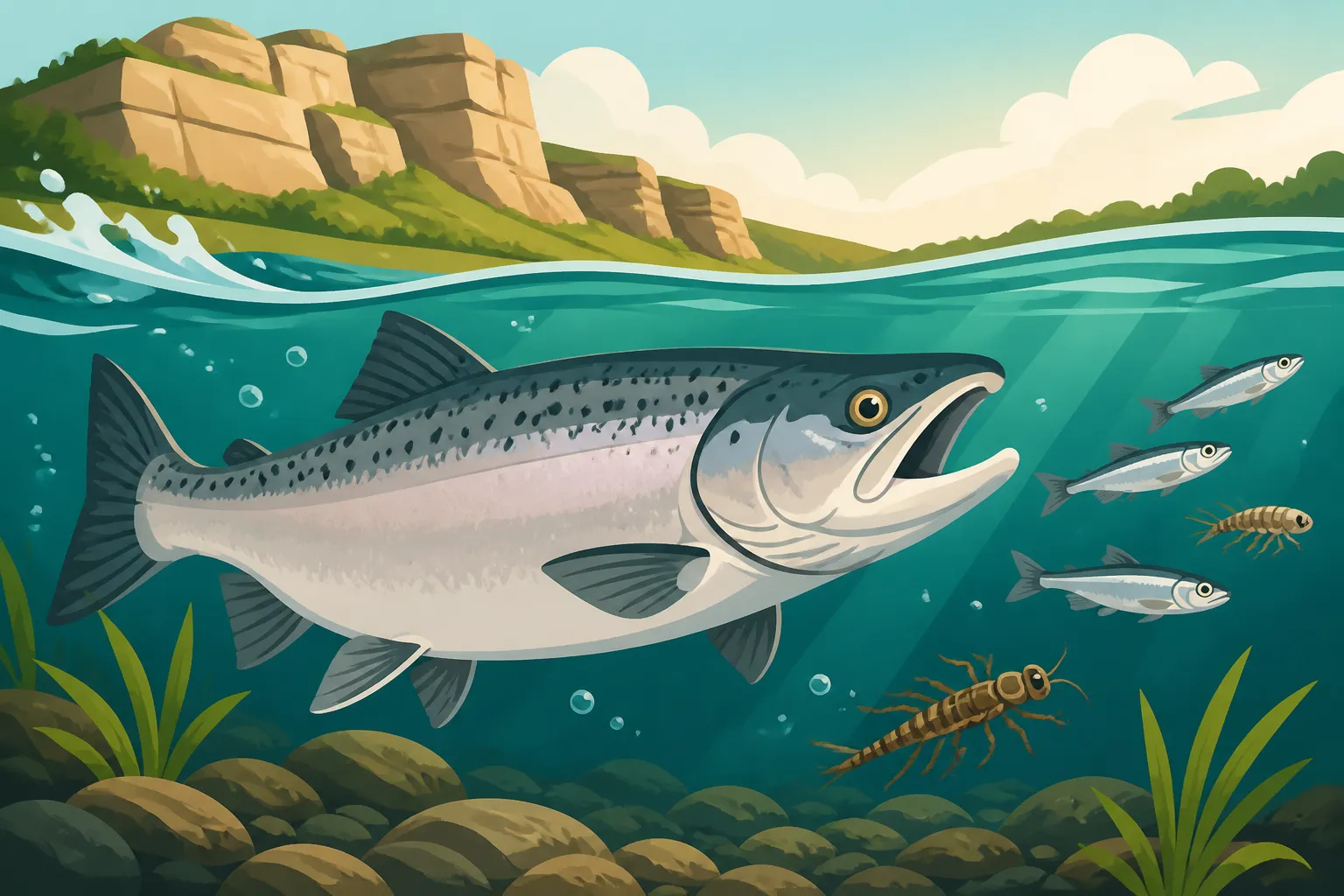
Understanding what Chinook salmon eat in South Dakota really comes down to one crucial fact: they are primarily piscivores, meaning they eat other fish. But not just any fish! Their diet is highly specialized, dictated by the available forage base in the vast waters they call home, predominantly Lake Oahe.
The Importance of Rainbow Smelt
If there's one king on the Chinook salmon's dinner plate in South Dakota, it's undoubtedly the rainbow smelt. These small, silvery fish are an absolutely vital component of the Lake Oahe ecosystem and the primary reason Chinook salmon thrive here. Rainbow smelt are fatty, protein-rich, and school heavily, making them an incredibly efficient food source for growing salmon.
Smelt typically prefer cooler, deeper water, especially as the summer progresses. They move throughout the water column, often congregating in large schools, providing a mobile buffet for hungry salmon. Think of it like this: if you're a salmon, why expend huge amounts of energy chasing down individual snacks when you can swim into a giant ball of delicious, nutritious smelt? Their sheer abundance, coupled with their high fat content, supports the incredible growth rates that make South Dakota's Chinook salmon so legendary. Without a robust and healthy population of rainbow smelt, the entire salmon fishery would struggle immensely. If you've ever wondered Do Rainbow Smelt Live in Lake Oahe?, the answer is a resounding yes, and they are critical!
Other Key Forage Fish
While rainbow smelt dominate the diet, Chinook salmon in South Dakota are not opposed to an opportunistic meal when other forage fish present themselves. They are efficient predators and will take advantage of other available prey, especially if smelt populations fluctuate or if they encounter schools of other susceptible fish.
Smaller species of minnows, such as emerald shiners or fathead minnows, can sometimes supplement the salmon's diet. These might be found in shallower bays or along certain structural elements, particularly during cooler periods when salmon might venture out of their deeper haunts. Similarly, very young panfish, like perch or crappie fry, could become an incidental meal. However, it’s important to remember that these are usually secondary choices. The bulk of their nutritional intake, especially for larger, mature salmon, consistently comes from rainbow smelt. It's rare for these other species to form a significant portion of their diet over the long term, but it shows their adaptability as predators.
The Role of Zooplankton and Invertebrates
It's easy to think of Chinook salmon as purely fish-eating machines, but their diet evolves as they grow. When they are very young, particularly right after being stocked as fingerlings or smolts, their diet is quite different. At this crucial juvenile stage, they rely heavily on microscopic organisms known as zooplankton. These tiny crustaceans and other invertebrates are abundant in the nutrient-rich waters of Lake Oahe and provide the essential building blocks for young salmon to grow rapidly.
As these juvenile salmon mature, typically within their first year, they transition from this invertebrate-based diet to a fish-based diet. This switch is critical for their development into powerful predators. It’s a natural progression where their mouths and digestive systems adapt to handle larger prey. This early diet is a testament to the complex food web of Lake Oahe, where every creature, no matter how small, plays a vital role in sustaining the larger ecosystem that ultimately supports South Dakota's fantastic salmon fishing opportunities. This growth journey is part of what makes South Dakota Chinook Salmon Stocking History so interesting, as biologists need to ensure a healthy ecosystem for these young fish to thrive.
Seasonal Shifts in Chinook Salmon Feeding Patterns
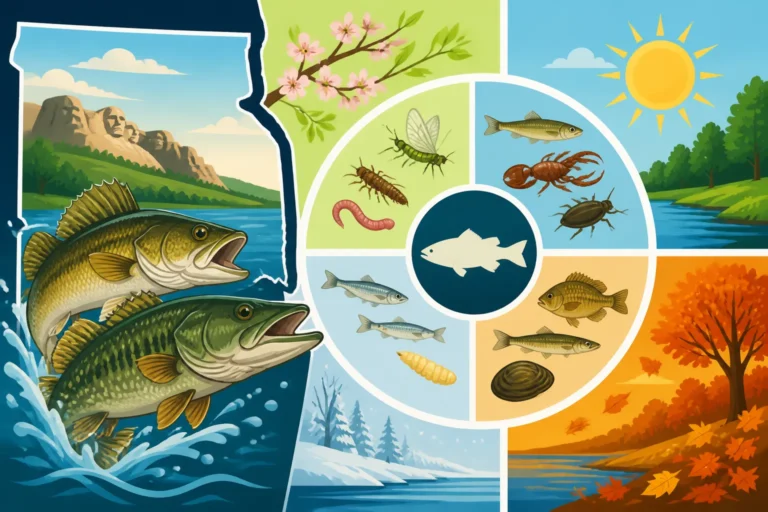
Just like humans, Chinook salmon don't eat the same way all year round. Their feeding patterns are intrinsically linked to water temperature, the availability of their primary forage (rainbow smelt), and their own biological imperatives, such as spawning. Understanding these seasonal shifts is crucial for anglers trying to predict where these fish might be and what they might be biting on.
Spring and Early Summer: Following the Smelt
As the ice retreats from Lake Oahe and spring truly arrives, the water temperatures begin to rise. This period, from late spring through early summer, sees both Chinook salmon and their favored prey, rainbow smelt, starting to become more active. The smelt, having potentially spawned in tributaries or shallow areas, will begin to disperse and move into the main lake. Salmon will actively follow these schools.
During this time, salmon might be found at shallower depths than during the peak of summer, often in the top 30-60 feet of the water column, especially during low light conditions or on overcast days. Their metabolism is increasing with the warming water, and they are actively feeding to rebuild energy reserves after the leaner winter months. Anglers often find success by trolling lures that mimic the size and shimmer of young smelt, moving at speeds that simulate a fleeing baitfish. The key is to match your presentation to where the smelt are holding, as the salmon won't be far behind.
Mid-Summer: Deep Water Pursuits
When the South Dakota summer heats up, Lake Oahe undergoes a significant change: the formation of a thermocline. This is a distinct layer in the water column where the temperature drops rapidly. Both Chinook salmon and rainbow smelt are cold-water species, preferring specific temperature ranges. As surface waters warm, these fish will migrate to deeper, cooler, and oxygenated waters below the thermocline.
This mid-summer period means salmon fishing becomes a deep-water game. Anglers will often target depths anywhere from 60 to over 100 feet, sometimes even deeper, depending on the lake's specific thermocline and where the baitfish are concentrated. Salmon will actively cruise these cooler zones, using their keen senses to locate schools of smelt. This is where specialized gear like downriggers and lead core lines become essential for getting your lures down to the feeding zones. The salmon are still very much in a feeding mode, but their location is now largely dictated by their comfort zone within the thermal layers and the presence of their forage. Understanding where the salmon are during this time is critical to success.
Fall: Spawning Runs and Aggressive Feeding
Fall is an exciting time for Chinook salmon anglers, as it marks the beginning of their spawning season. As the days shorten and water temperatures start to cool, adult salmon undergo a dramatic transformation. They begin to move towards their natal or stocking areas to spawn. In Lake Oahe, a primary destination for this annual pilgrimage is often the Whitlock Bay area, where the state operates a salmon spawning station. This is a time when Chinook Salmon Spawning Time on Lake Oahe is on every angler's mind.
Leading up to and during these spawning runs, salmon often exhibit incredibly aggressive feeding behaviors. They are driven by an instinct to pack on as much weight and energy as possible to sustain them through the arduous spawning process. While actual feeding might decrease once they are fully committed to the spawning act, the weeks and months prior see them gorging themselves on smelt. This aggression makes them particularly susceptible to a variety of trolling presentations. Lures mimicking larger smelt or even other salmon that might be competing for territory can be highly effective. Knowing the general timing of these runs and the areas they typically congregate, like Lake Oahe Chinook Salmon Fishing at Whitlock Bay, can lead to some of the most memorable fishing experiences of the year. Anglers looking for advice on these exciting patterns might consult guides on Best Lures for Lake Oahe Salmon in October or Best Time to Catch Salmon at Whitlock Bay.
How Their Diet Influences Fishing Success
Understanding what Chinook salmon eat isn't just a fascinating biological fact; it's a foundational piece of knowledge that directly impacts your success as an angler. Every decision you make, from the lures you choose to the depths you fish, should ideally be informed by the salmon's dietary preferences and the behavior of their prey.
Matching the Hatch: Lures and Baits
The concept of "matching the hatch" is paramount when fishing for Chinook salmon in South Dakota. Since rainbow smelt are their primary food source, your lures should aim to imitate these baitfish as closely as possible. This means paying attention to several key factors:
- Size: Smelt are relatively slender fish. Lures that are too bulky or too small might not get noticed. Look for spoons, crankbaits, or even artificial flies (if fly fishing) that are in the 3-6 inch range, which mimics a common smelt size.
- Color: Rainbow smelt have a distinct silver, iridescent, sometimes greenish-blue hue. Lures with metallic finishes, especially silver, blue, green, or chartreuse, are often highly effective. Many anglers swear by lures with a "glow" finish for deeper, darker water. You can find a huge variety of these specialized lures on platforms like Amazon, often with reviews from other salmon anglers.
- Action: A lure needs to move like a smelt. Spoons that have a wide, erratic wobble or crankbaits with a tight, fast wiggle can trigger strikes. Trolling speeds also play a role; sometimes a faster, more aggressive retrieve is needed, other times a slower, more deliberate action. South Dakota Chinook Salmon Trolling Techniques articles often delve into these specifics.
- Scent: While not always necessary, some anglers add scents to their lures, or even use actual baitfish (where legal) like cut herring or alewives (though not native to Oahe) to add a natural element.
The goal is to present something so convincing that a hungry salmon mistakes it for an easy meal. This proactive approach, driven by diet knowledge, is a game-changer. For those looking to refine their approach, "How to Fish for Chinook Salmon in South Dakota" offers further insights.
Locating Baitfish, Locating Salmon
It's a golden rule in fishing: find the food, and you'll find the fish. This couldn't be truer for Chinook salmon. Because they actively hunt schools of rainbow smelt, your ability to locate these baitfish is arguably more important than just blindly searching for salmon.
Modern electronics, particularly good quality fish finders with side-imaging or down-imaging capabilities (many excellent models are available on Amazon), are indispensable tools. They allow you to scan large areas, identify baitfish schools, and even mark individual salmon or groups of salmon feeding on those schools. Look for dense clouds or arches on your screen; these are often baitfish. If you see larger, more distinct arches around or below these clouds, you're likely seeing salmon feeding.
Beyond electronics, understanding the seasonal movements of smelt will guide you. In spring, they might be shallower; in summer, they'll be deep. Knowing the general areas where smelt are likely to congregate at different times of the year, based on water temperature and structure, gives you a significant advantage. It's about thinking like a salmon: "Where would my dinner be right now?"
The Ecosystem Balance and Management
The thriving Chinook salmon fishery in South Dakota is not accidental. It's a testament to careful management and a delicate ecosystem balance, primarily revolving around the relationship between the salmon and their primary food source, the rainbow smelt.
The Importance of a Healthy Smelt Population
The health of the rainbow smelt population in Lake Oahe is directly proportional to the success and size of the Chinook salmon fishery. If smelt numbers decline significantly, the salmon will suffer. They won't have enough food to grow to trophy sizes, their overall health will diminish, and survival rates can drop. This can be caused by various factors, including:
- Water Levels: Fluctuations in water levels can impact smelt spawning success and habitat availability.
- Climate Changes: Water temperature affects both smelt and salmon, influencing their distribution and survival.
- Competition: Other species in the lake also prey on smelt, creating competition for this vital resource.
- Disease: Like any fish population, smelt can be susceptible to disease outbreaks.
Fisheries managers constantly monitor the smelt population through surveys and studies to ensure a sustainable forage base. It's a delicate dance where every factor influences the next, and maintaining this balance is paramount for the long-term health of the salmon fishery that so many anglers enjoy.
Stocking Programs and Forage Base
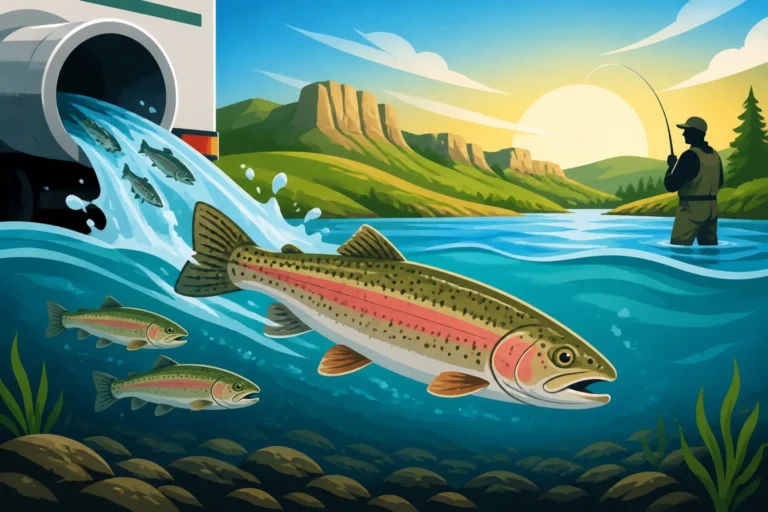
South Dakota's Chinook salmon fishery is a put-grow-and-take fishery, meaning the salmon are not naturally reproducing in significant numbers but are instead stocked. This makes the management of their food source even more critical. When the state makes decisions about South Dakota Chinook Salmon Stocking History and how many salmon to stock each year, a major consideration is the health and abundance of the rainbow smelt population.
Stocking too many salmon into an environment with an insufficient forage base would lead to stunted growth, poor fish health, and a less-than-stellar fishing experience. Conversely, a robust smelt population allows for higher stocking numbers and the potential for larger, healthier salmon. Fisheries biologists work tirelessly to strike this balance, using scientific data to determine optimal stocking rates that the existing forage base can support. This ongoing effort ensures that when you head out to Lake Oahe, the Chinook salmon you're hoping to catch have had ample opportunity to grow into those powerful, impressive fish we all dream of. Knowing where to find the best spots, like Lake Oahe Chinook Salmon Fishing at Whitlock Bay, is part of appreciating this managed ecosystem.
| Life Stage/Season | Primary Diet Item | Secondary Diet Items | Typical Location/Behavior |
|---|---|---|---|
| Juvenile (Fingerlings) | Zooplankton, Small Invertebrates | Surface waters, near release points, then disperse | |
| Spring/Early Summer | Rainbow Smelt | Minnows (e.g., Shiners) | Upper water column (30-60 ft), following smelt movements |
| Mid-Summer | Rainbow Smelt | Occasional other small fish | Deep water (60-100+ ft), below thermocline with smelt |
| Fall (Pre-Spawn) | Rainbow Smelt | Migrating towards spawning grounds, aggressive feeding | |
| Fall (Spawning) | Minimal to None | Concentrated in spawning areas (e.g., Whitlock Bay), focused on reproduction |
Understanding what Chinook salmon eat in South Dakota is much more than just academic knowledge; it’s a critical piece of the puzzle for any angler hoping to connect with these magnificent fish. Their reliance on rainbow smelt dictates their movements, their depths, and ultimately, the best strategies for catching them. By paying attention to the forage base, seasonal changes, and ecosystem health, you're not just fishing; you're engaging with a complex and rewarding natural system that South Dakota works hard to maintain. So next time you're on the water, remember to think like a smelt – because the salmon certainly are!
Disclaimer
This article is for general informational purposes only and does not constitute professional advice. Laws, prices and regulations vary by location and change over time. Consult a qualified professional for guidance on your specific situation.