South Dakota Walleye Growth Rates on Lake Oahe
It can be incredibly frustrating to hit the water, put in the effort, and wonder if the walleye you’re catching are truly reaching their full potential, especially on a legendary body of water like Lake Oahe. Every angler wants to know if they're fishing a healthy population or if there are factors at play impacting the fish. This comprehensive guide will pull back the curtain on what drives walleye growth rates on Lake Oahe, helping you understand the dynamics that shape the size and age of these prized fish.
Understanding Walleye Growth Factors
The life of a walleye in Lake Oahe is a constant battle for survival and growth, much like any wild creature. Their development from a tiny fry to a formidable predator is influenced by a complex web of environmental and biological factors. It’s not just about how long they live; it’s about how much they can eat and how efficiently their bodies can convert that energy into size.
Forage Base: The Fuel for Growth
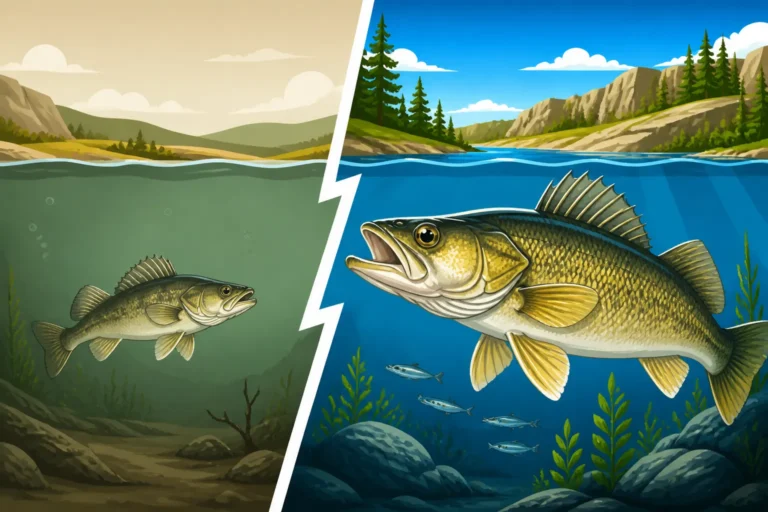
Think of walleye as finely tuned eating machines. Their growth is directly tied to the abundance and quality of their food source, often called the forage base. If Lake Oahe has a thriving population of baitfish, walleye will grow faster and larger. If the baitfish population struggles, walleye growth can slow down significantly, leading to smaller fish for their age. This isn't just about having some food, but having the right kind of food in easily accessible quantities.
On Lake Oahe, the primary forage species for walleye include rainbow smelt and various species of shad and minnows. These small fish are packed with the protein and fat walleye need to put on weight. When the smelt population booms, you often see a corresponding surge in walleye growth, with fish reaching impressive sizes quickly. Conversely, if a tough winter or disease event decimates the smelt, walleye might have to work harder for less nutritious meals, impacting their overall condition and growth. Understanding Forage Fish South Dakota Walleye Rely On can give you a real edge.
It's a delicate balance. Too many walleye chasing too few baitfish means increased competition and slower individual growth. Too many baitfish might seem good, but if there aren't enough predators to control them, the ecosystem can become out of whack. This constant push and pull between predator and prey is fundamental to the health and growth of Lake Oahe's walleye population.
Water Temperature and Metabolism
Just like us, fish have an optimal temperature range where their bodies function best, impacting everything from digestion to swimming speed. For walleye, water temperature plays a crucial role in their metabolic rate. Colder water slows down their metabolism, meaning they digest food slower and grow at a reduced pace. Warmer water, within their comfort zone, can accelerate their metabolism, allowing them to process food more quickly and grow faster. However, excessively warm water can also stress them, leading to decreased feeding and slower growth.
Lake Oahe, being a large reservoir, experiences significant temperature fluctuations throughout the year. In the spring, as the ice recedes and water warms, walleye become more active, feeding heavily to recover from winter and prepare for spawning. This is often a period of significant growth. Throughout the summer, sustained warm water temperatures generally allow for consistent feeding and growth, provided there's ample food. However, Water Temperature That Triggers Walleye Spawning and subsequent feeding binges are key times to understand their energetic needs.
Conversely, during the long South Dakota winters, especially under the ice, walleye metabolism slows considerably. While they still feed, their growth rate is minimal compared to the warmer months. This seasonal cycle of feast and famine, dictated largely by water temperature, is a major driver of their annual growth rings, which biologists can "read" much like tree rings to determine a fish's age and growth history.
Population Density and Competition
Imagine a dinner table set for five, but twenty people show up. That's essentially what happens when a walleye population becomes too dense relative to the available food. When there are too many walleye in a specific area of Lake Oahe, they compete intensely for the same food resources. This increased competition means each individual fish gets less to eat, leading to slower growth rates and smaller average sizes for their age. It’s a classic case of quantity over quality.
Fisheries managers closely monitor walleye population density through surveys and angler reports. If they notice an abundance of smaller, slower-growing walleye, it might indicate an overpopulation issue or a struggling forage base. In such scenarios, regulations might be adjusted to encourage anglers to harvest more fish within certain size ranges, reducing competition and allowing the remaining fish to grow larger. This is a common strategy to improve the overall health and trophy potential of a fishery.
On the flip side, a lower population density, coupled with a robust forage base, can lead to exceptionally fast growth rates. Fewer fish competing for abundant food means each walleye gets more sustenance, leading to bigger, healthier fish. This is why sometimes you hear about certain years producing a "trophy class" of walleye – often a combination of strong year classes and optimal environmental conditions that reduced competition and provided plenty of food.
Average Walleye Growth Rates on Lake Oahe
Lake Oahe is renowned for its walleye fishing, and rightly so. The growth rates of walleye in this massive reservoir can be quite impressive, but they aren't uniform across the entire lake or consistent year after year. Understanding these patterns helps set realistic expectations and appreciate the dynamics of this incredible fishery.
Early Life Stage Growth (Yearlings)
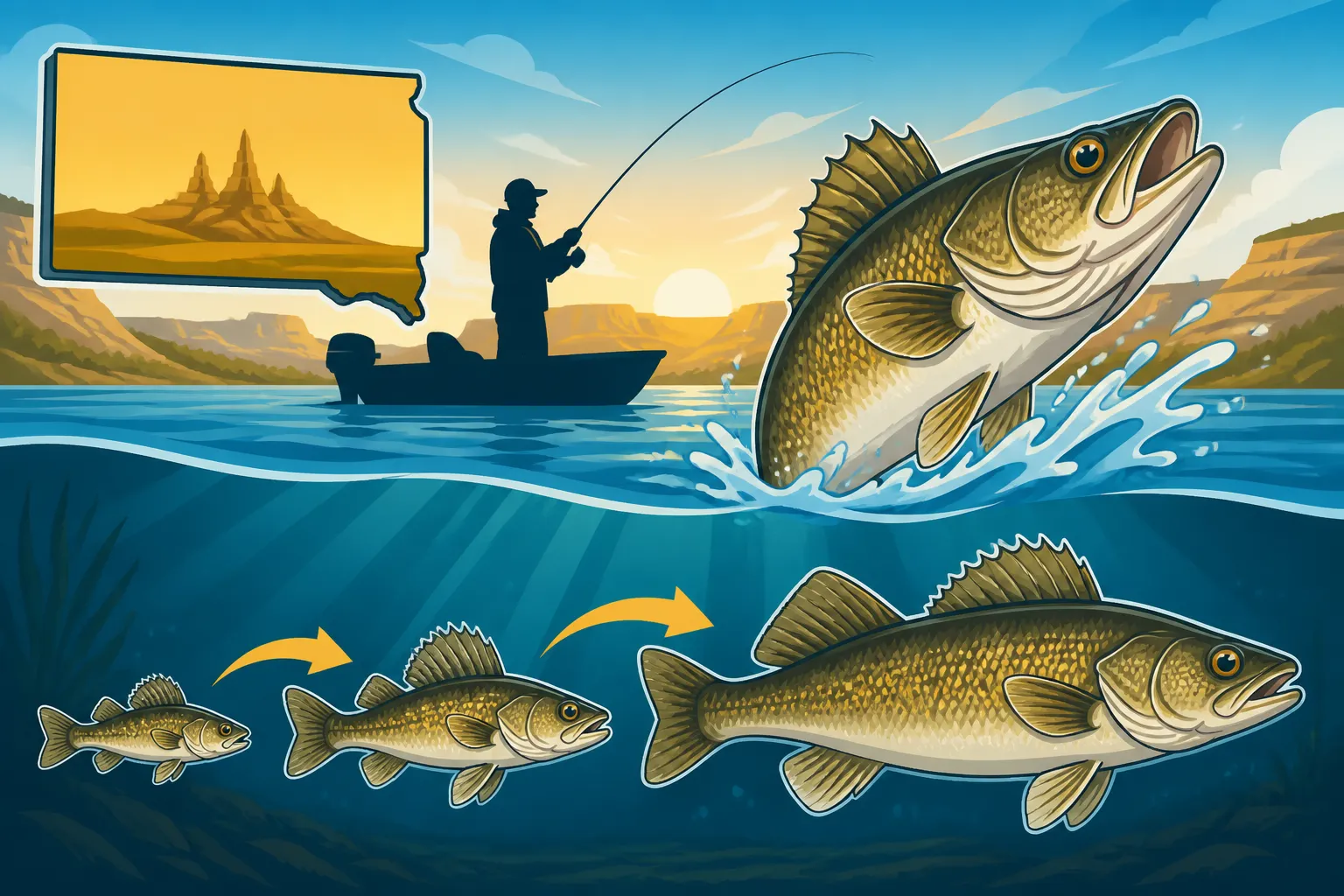
The first year of a walleye's life is critical, and their growth during this period can vary dramatically depending on the conditions immediately following hatching. After hatching in the spring, walleye fry are incredibly vulnerable and grow rapidly if food is plentiful and water temperatures are favorable. By the end of their first summer (when they are often referred to as yearlings), a walleye on Lake Oahe might typically range from 6 to 10 inches in length.
However, a strong year-class, meaning a large number of successful spawns, can sometimes lead to slower initial growth if the sheer number of young fish overwhelms the initial food supply. Conversely, a weaker year-class with fewer fish can sometimes lead to faster individual growth as there's less competition. The survival rate of these tiny walleye is incredibly low, but those that make it through their first year have successfully navigated a gauntlet of challenges and are on their way to becoming larger fish.
These young walleye are often found in shallower, vegetated areas or near subtle structures where they can hide from predators and ambush smaller invertebrates and minnows. This foundational growth period sets the stage for their future development. If they start strong, they have a better chance of sustaining good growth through subsequent years.
Adolescent and Adult Growth Patterns
Once walleye move past their yearling stage, their growth continues at a steady, though often slightly slower, pace. By the time they are two years old, many Lake Oahe walleye can be in the 12 to 15-inch range. A three-year-old fish might measure 16-19 inches, and a four-year-old could easily be pushing 20 inches, a true keeper for many anglers. From there, growth continues, but it takes more time and resources for each additional inch.
The growth pattern isn't linear. As walleye get older, their growth in length often slows, but their weight continues to increase as they bulk up. A 25-inch walleye, for example, might be 6-8 years old, while a true "pig" pushing 30 inches could be a decade or more old. These older, larger fish are often the ones that have been incredibly efficient at feeding and avoiding predators their entire lives. They are the apex predators in many parts of the lake.
Factors like the abundance of high-fat forage (like the beloved rainbow smelt) greatly influence how quickly these fish can pack on pounds. In years when the smelt population is robust, anglers often report catching "football" walleye – short, stout, and incredibly healthy fish for their length. This is where the term "growth rate" really means more than just length; it's also about overall body condition and weight.
Variability Across Oahe's Expansive Waters
Lake Oahe is an enormous reservoir, stretching over 230 miles through both North and South Dakota. It's not a single, homogeneous body of water, and consequently, walleye growth rates can vary significantly from one section to another. The upper reaches near Mobridge might have different forage bases, water temperatures, and current conditions than the lower end near Pierre.
For example, areas with stronger current might produce leaner, more muscular walleye, while vast, calmer bays with ample forage might harbor fish that grow fatter more quickly. Different sections might also experience varying levels of angling pressure, affecting population density and competition. Lake Oahe Fishing Guide and resources like the South Dakota GFP's reports often highlight these regional differences.
Anglers who consistently fish one area of Oahe might notice that the average size or condition of walleye caught there differs from another region. These variations underscore the complexity of managing and understanding such a vast and dynamic fishery. What holds true for walleye growth near the Cheyenne River Arm might be slightly different for fish caught near Whitlock Bay, though the general trends remain consistent throughout the lake.
Age-to-Size Relationship for Lake Oahe Walleye
One of the most common questions anglers ask is, "How old is this fish?" While it's impossible to tell without scientific methods, fisheries biologists have compiled extensive data to give us a good estimate of the average age-to-size relationship for Lake Oahe walleye. This information is invaluable for understanding the health of the population and making informed decisions about conservation and harvest.
Estimating Age by Length
Biologists determine a walleye's age by examining structures like otoliths (ear bones) or scales, which display annual growth rings, similar to tree rings. By taking samples from hundreds or thousands of fish, they can create average age-to-length charts specific to a body of water like Lake Oahe. This helps us understand roughly how many years it takes a walleye to reach a certain size.
Here's a generalized look at the age-to-size relationship for walleye in Lake Oahe, keeping in mind that these are averages and individual fish can vary:
| Walleye Length (Approx.) | Average Age (Years) | Notes |
|---|---|---|
| 6-10 inches | 1 | Post-spawn, first full summer of growth |
| 11-14 inches | 2 | Adolescent growth, often reaching "eater" size |
| 15-18 inches | 3 | Good eating size, contributing to the fishery |
| 19-21 inches | 4 | Often considered "trophy" for some, prime spawning age |
| 22-24 inches | 5-6 | Large, mature fish, significant spawning contribution |
| 25-27 inches | 7-9 | True trophy class, impressive age and size |
| 28+ inches | 10+ | Exceptional, long-lived specimens, highly valued |
This table provides a snapshot, but it's important to remember that these are averages. A particularly dominant fish with abundant food might hit 20 inches by age three, while a struggling fish might take five years to reach the same length. This variability is part of what makes each catch unique. You can often find detailed charts in the South Dakota GFP Fishing Handbook Guide or on the GFP website, which are excellent resources for local anglers.
The Elusive Trophy Walleye: Age vs. Size
For many anglers, the ultimate goal is to land a true trophy walleye, something in the mid-20s or even pushing 30 inches. These fish are not just big; they are old. As the table above shows, a walleye reaching 25 inches or more has likely seen many seasons on Lake Oahe, surviving countless challenges. They've navigated harsh winters, evaded predators (both animal and human), and consistently found enough food to sustain their impressive growth.
The pursuit of these larger, older fish often requires different techniques and an understanding of their habits. They tend to be more wary and may prefer deeper, more stable environments or specific types of forage. While a younger, smaller walleye might be more aggressive and easier to catch, the trophy fish are a testament to their longevity and the health of the ecosystem. Tools like quality fish finders, readily available on platforms like Amazon, can certainly help in locating these elusive, older fish holding to structure.
Conservation efforts often focus on protecting these larger, older spawners, as they are crucial for maintaining a healthy and genetically diverse walleye population. This is why understanding age-to-size is so important – it helps anglers appreciate the true value of these magnificent fish beyond just their dinner plate potential.
Why Age and Size Can Vary So Much
You might catch two walleye of the exact same length, only to find out through a scientific study (if you were a biologist) that they are actually different ages. This variability stems from several factors, most notably the individual fish's genetics, its specific habitat niche, and the year it was born. Some walleye simply have "good genes" for growth, allowing them to put on size more efficiently than their peers.
Furthermore, within Lake Oahe, one walleye might spend its entire life in an area with an incredibly rich and stable food supply, growing consistently and quickly. Another fish, born the same year, might inhabit a less productive area or experience more competition, resulting in slower growth. These localized conditions, even within the same large reservoir, can create significant differences in growth rates.
Finally, the environmental conditions during a particular year can have a lasting impact. A walleye born during a year with abundant forage and ideal water temperatures will likely have a growth advantage that carries through its life, even if subsequent years are less favorable. Conversely, a fish from a "tough" year might always lag behind, even if conditions improve later on. This combination of factors ensures that while averages exist, every walleye caught from Lake Oahe tells its own unique story of survival and growth.
Impact of Environmental Conditions on Growth
The environment of Lake Oahe is not static; it's a dynamic system influenced by weather, water management, and the cyclical nature of its inhabitants. These ever-changing conditions have a profound impact on how well walleye grow, sometimes leading to boom years and other times posing significant challenges.
Role of Water Levels and Runoff
Water levels in Lake Oahe, largely controlled by dam operations on the Missouri River, and the amount of spring runoff from snowmelt and rain, play a critical role in walleye productivity and growth. High water years, particularly during the spring, can be a double-edged sword. On one hand, extensive flooding can create new spawning habitat in flooded vegetation, leading to strong year classes of walleye. This new habitat also provides refuge and food for young fish, boosting early survival.
However, excessively high or rapidly fluctuating water levels can also disrupt spawning if eggs are left high and dry or swept away by currents. During the growing season, stable water levels are generally preferred, as they allow submerged vegetation and baitfish populations to flourish without constant disruption. Runoff, while bringing nutrients, can also introduce turbidity, which walleye generally tolerate well, but can also bring cold water that slows metabolism or pollutants that impact overall health.
Low water years can concentrate fish, making them easier for anglers to find, but can also limit spawning habitat and reduce the overall productivity of the lake. Less water means less habitat for baitfish, potentially leading to a reduced forage base and, consequently, slower walleye growth. Understanding these hydrological cycles is key to predicting walleye fishing success and growth patterns for any given year.
Baitfish Cycles and Their Influence
As we touched upon earlier, the health of Lake Oahe's walleye population is inextricably linked to its forage base. The primary drivers of walleye growth in Oahe are often the cycles of its key baitfish species, particularly rainbow smelt and gizzard shad. These populations naturally fluctuate year to year due to their own spawning success, predation pressure, and environmental conditions. A strong year class of smelt, for instance, can provide an almost unlimited buffet for walleye, leading to exceptional growth rates across all age classes.
Conversely, a decline in the smelt or shad population can be devastating for walleye growth. When their preferred, high-calorie food sources dwindle, walleye must expend more energy to find less nutritious alternatives, or simply go hungry more often. This directly translates to slower growth, leaner fish, and potentially even reduced survival rates for younger walleye. This dynamic is a major focus for fisheries biologists. You can even find detailed South Dakota Fish Species Diet by Season information from the GFP.
These baitfish cycles are often unpredictable, driven by factors like winter severity (impacting smelt), spring water temperatures (affecting shad spawns), and even disease. Anglers often notice the impact of these cycles in real-time, catching walleye that are either "football" fat or surprisingly thin for their length. The relationship between walleye and their prey is a constant, fascinating dance that ultimately determines the health of the entire fishery.
Disease and Predation Pressures
While food and temperature are major players, disease and predation also quietly impact walleye growth rates and overall population health. Fish, like any animal, can succumb to various diseases, parasites, or bacterial infections. While mass die-offs are rare, chronic conditions can weaken individual fish, making them less efficient at feeding, more susceptible to other stressors, and ultimately leading to slower growth or premature mortality.
Predation is another natural limiter. Young walleye are preyed upon by larger fish (including other walleye), birds, and mammals. This natural thinning of the ranks can, paradoxically, benefit the remaining fish by reducing competition for food, thereby improving their growth rates. However, an imbalance in predator-prey dynamics, such as an overabundance of another predator species, could put undue pressure on walleye, impacting their numbers and indirectly affecting growth through reduced population density or increased stress.
Of course, human predation (fishing) is also a significant factor. While not "natural" in the ecological sense, angling pressure is a form of predation that fisheries managers account for through regulations. South Dakota Fish Consumption Advisories Explained also highlight potential environmental concerns that might impact fish health or edibility, indirectly affecting how a population is managed and how fish might grow. These advisory programs ensure public safety and help maintain healthy fish populations.
Walleye Management and Growth Trends
Managing a fishery as vast and important as Lake Oahe is a monumental task, involving scientific research, policy implementation, and constant monitoring. The South Dakota Game, Fish and Parks (GFP) plays a pivotal role in ensuring the long-term health and productivity of the walleye population, which directly influences their growth rates.
Stocking Programs and Genetic Diversity
While Lake Oahe boasts a robust naturally reproducing walleye population, stocking programs sometimes play a supplementary role, particularly in systems with lower natural recruitment or to bolster specific year classes. The goal of stocking is not just to add more fish, but to contribute to a healthy, diverse population that can thrive. When stocking occurs, it can influence growth rates by adding more mouths to feed, potentially increasing competition. However, if done strategically, it can fill ecological niches or help recover a struggling population, ultimately leading to improved growth by establishing a stronger year class.
The genetic diversity of the walleye population is also a critical factor in growth. A diverse gene pool helps ensure that the fish have the resilience to adapt to changing environmental conditions, resist diseases, and maintain strong growth potential. Biologists monitor the genetic makeup of the population to ensure that any stocking efforts complement, rather than detract from, the natural diversity of Lake Oahe's walleye. Understanding South Dakota Walleye Growth Rates on Lake Oahe is key to these management decisions.
For anglers, a healthy genetic base translates to a more robust fishery capable of producing consistent numbers of good-sized fish. These efforts are part of a larger strategy to provide sustainable fishing opportunities for generations to come, recognizing that both wild and, at times, stocked fish contribute to the overall picture.
South Dakota Walleye Limits and Slot Limits
Perhaps the most direct way management influences walleye growth and size structure is through fishing regulations, specifically South Dakota Walleye Limits and potential slot limits. Daily limits and possession limits dictate how many fish anglers can keep, directly impacting the number of walleye removed from the population. These limits are set to ensure that enough fish remain to reproduce and that the population isn't overfished.
Slot limits are particularly interesting when it comes to growth. A common slot limit might allow anglers to keep fish under a certain size (e.g., under 15 inches) and over a larger size (e.g., over 20 inches), while requiring the release of fish within the "slot" (e.g., 15-20 inches). The purpose of a protected slot limit is often to protect the prime breeding-age fish, allowing them to grow larger and contribute multiple times to the spawning population. By protecting these middle-sized fish, they can continue to grow, leading to an increase in the number of larger, older walleye in the system.
This approach effectively shifts the average size of the fish available to anglers. If successful, it means more of those 3 and 4-year-old walleye (from our age-to-size chart) are protected, giving them the chance to become 5, 6, or even 7-year-old trophy fish. While it might mean releasing some otherwise "keeper" fish, the long-term goal is to enhance the overall quality of the fishery and ensure impressive walleye growth rates continue on Lake Oahe.
Monitoring and Data Collection
The ability to understand and manage walleye growth rates on Lake Oahe hinges entirely on continuous, diligent monitoring and data collection. The South Dakota GFP conducts regular fish surveys using various methods like netting, electrofishing, and creel surveys (angler interviews). These surveys gather crucial data on walleye numbers, age, size, sex, and overall health. This information allows biologists to track year classes, assess recruitment success, and monitor changes in growth rates over time.
For example, by tracking the average length of a one-year-old walleye from one year to the next, biologists can quickly identify if there are issues with the forage base or if competition is increasing. Long-term data sets are invaluable for identifying trends, understanding the impact of environmental changes, and evaluating the effectiveness of management strategies. Understanding How Biologists Track Walleye Growth on Lake Oahe involves a lot of science, but the outcome benefits every angler.
This data is then used to inform decisions about regulations, stocking, and habitat improvements. It's a science-based approach to ensure that Lake Oahe remains a premier walleye fishery. Anglers also contribute to this data by reporting their catches, participating in voluntary angler surveys, and adhering to regulations. Every piece of information helps paint a clearer picture of walleye growth and the overall health of the magnificent Lake Oahe ecosystem.
Disclaimer
This article is for general informational purposes only and does not constitute professional advice. Laws, prices and regulations vary by location and change over time. Consult a qualified professional for guidance on your specific situation.