Missouri River Catfish Fishing Spots
There's nothing quite like the thrill of a big catfish pulling hard on your line, especially when you're battling it in the mighty Missouri River. For many anglers, the dream of hooking into a monster flathead or a feisty channel cat can feel a bit overwhelming when faced with such an expansive body of water. Where do you even begin? This comprehensive guide will cut through the confusion, pinpointing the best catfish fishing spots along South Dakota's stretch of the Missouri River and equipping you with the knowledge to make your next angling adventure a true success.
Understanding Missouri River Catfish Species and Behavior
Before we dive into specific locations, it's crucial to understand the main players in the South Dakota catfish scene and what makes them tick. The Missouri River is a diverse ecosystem, hosting several species of catfish, each with its own preferences for habitat, diet, and behavior. Knowing these nuances will drastically improve your chances of a successful outing.
Channel Catfish: The River's Abundant Fighter
Channel catfish are hands down the most common and widely distributed catfish species throughout the Missouri River system in South Dakota. They're recognized by their slender bodies, deeply forked tails, and spotted flanks, though spots tend to fade as they age. What makes channel cats so popular isn't just their abundance, but their willingness to bite a wide variety of baits and their feisty fight on the end of a line. They don't typically grow to the gargantuan sizes of their flathead or blue cat cousins, but a 10-pound channel cat is a respectable catch, and 20-pounders are not unheard of.
Channel cats are opportunistic feeders. They have an incredible sense of smell and taste, using their barbels (whiskers) to locate food even in murky water or at night. Their diet is incredibly varied, including insects, crayfish, smaller fish, and often, anything decaying or smelly. This is why stink baits, cut bait, and even hot dogs or cheese can be so effective. They prefer areas with moderate current, often congregating in deeper holes, around submerged logs, brush piles, or along current breaks. During the warmer months, they are more active, often venturing into shallower areas during low light conditions or at night to feed. When the water cools in fall and winter, they tend to move into deeper, slower pools and reduce their feeding activity, though they can still be caught.
Flathead Catfish: The Apex Predator of the Depths
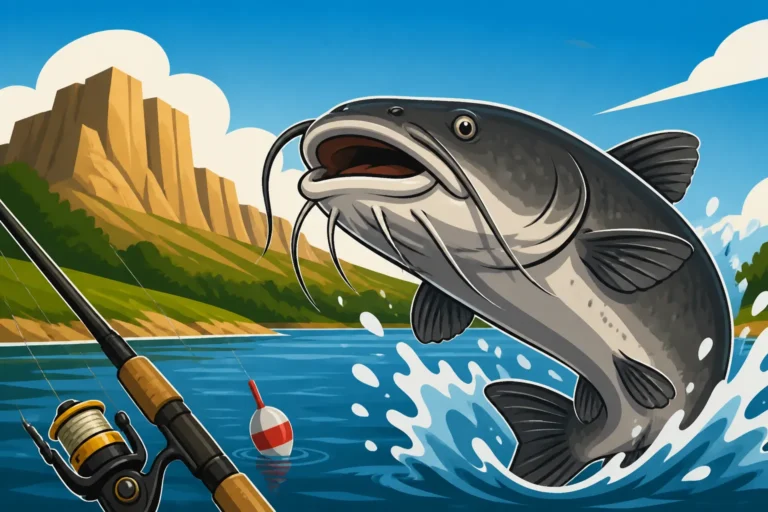
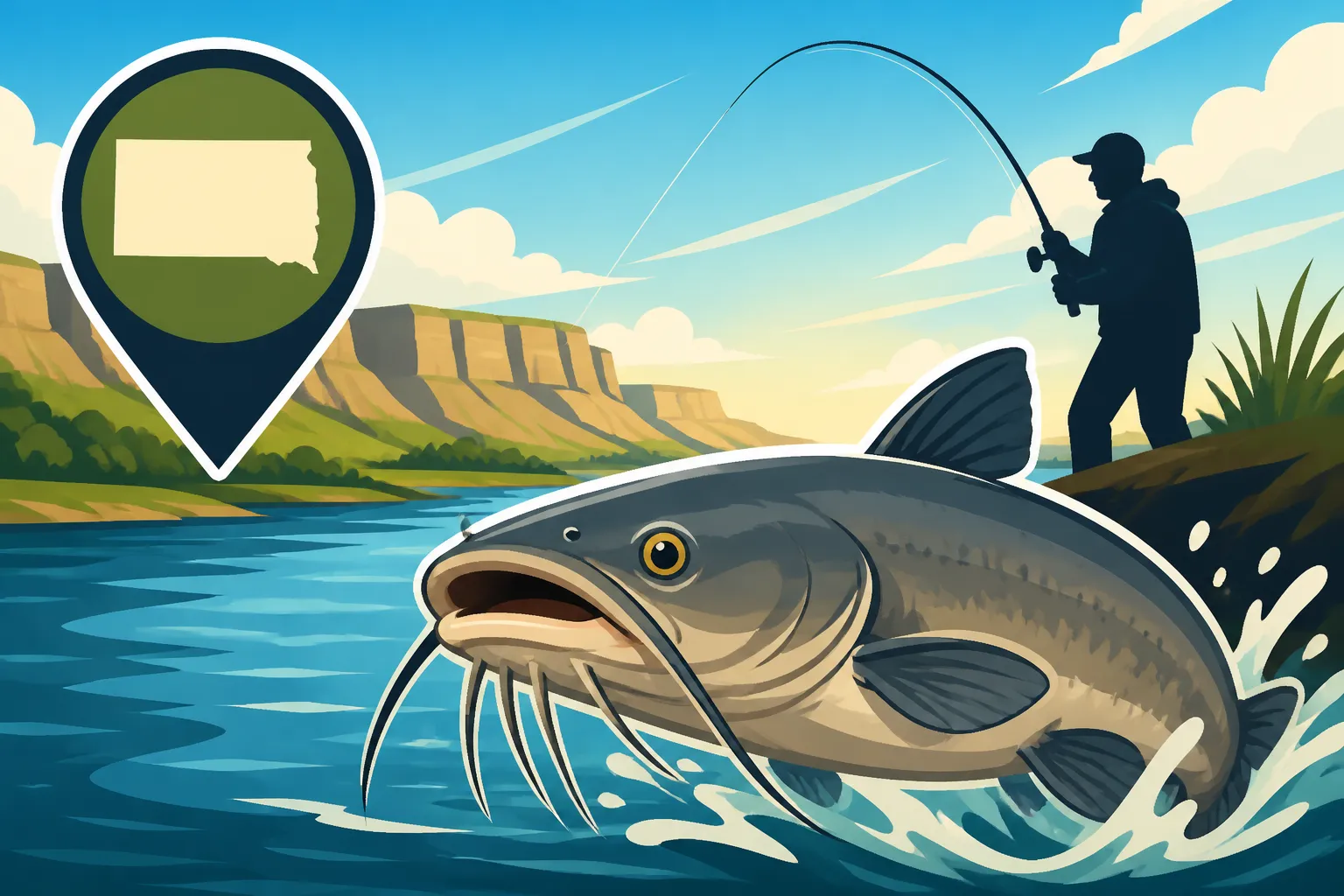
If you're after a true river monster, the flathead catfish is your target. Unlike channel cats, flatheads are ambush predators that prefer live bait and can grow to truly enormous sizes in the Missouri River. These fish are easily identified by their broad, flattened heads, lower jaw that protrudes past the upper jaw, and rounded, not forked, tail. Their coloration is usually mottled brown or yellow, providing excellent camouflage against the river bottom. While challenging to catch, the reward of wrestling a 30, 40, or even 50-plus pound flathead to the boat is an experience every serious catfisherman dreams of.
Flatheads are primarily piscivorous, meaning they eat other fish. Live bluegill, sunfish, carp, or suckers are their preferred meal. They are not scavengers like channel cats; they want fresh, struggling bait. They typically inhabit deep, dark holes with significant cover, such as fallen trees, log jams, or rock piles, where they can ambush unsuspecting prey. Strong currents don't deter them, but they often position themselves just out of the main flow, in an eddy or behind a large obstruction, conserving energy while waiting for a meal to drift by. Fishing for flatheads is often a patient game, requiring sturdy gear and a willingness to fish unconventional spots, often at night when these giants are most active. Many anglers consult South Dakota Catfish Species Identification guides to correctly differentiate these powerful fish.
Upper Missouri River Catfishing: Lake Oahe and Tailwaters
The upper reaches of the Missouri River in South Dakota, particularly around and below Lake Oahe, offer some fantastic catfishing opportunities. This section is characterized by deep reservoirs and powerful tailrace currents, creating unique habitats for big whiskered fish.
Deep Water Haunts of Lake Oahe
Lake Oahe, a massive reservoir stretching for over 230 miles, might be renowned for its walleye, but it holds a secret trove of big channel and flathead catfish, especially in its lower sections closer to the Oahe Dam near Pierre. The sheer size and depth of Oahe mean that catfish have plenty of room to roam and grow. Targeting these fish often requires probing deep contours, river channels, and submerged structure. Look for areas where old creek beds or flooded timber might lie, as these provide excellent cover. The mouths of major tributaries like the Cheyenne River Arm or the Moreau River can also be hotspots, especially after heavy rains when nutrient-rich water flows in.
When fishing Lake Oahe for catfish, focus on depths from 20 to 50 feet during the day. Big channel cats will cruise these deeper flats and channels, while flatheads will be tucked into the heaviest cover they can find along these routes. Using a fish finder to locate schools of baitfish or prominent underwater features like humps and drops is crucial here. Heavy sinkers (2-4 ounces or more) are often necessary to keep your bait on the bottom in the depths. Baits like cut oily fish (smelt, shad, goldeye), large chunks of chicken liver, or even commercial dip baits work wonders for channel cats. For flatheads, a lively 6-8 inch sucker or bluegill fished near heavy cover is your best bet. Remember to check South Dakota Fishing Regulations Explained for specific rules, including bait restrictions in certain areas.
Oahe Dam Tailwaters: Current and Opportunity
Below the mighty Oahe Dam, a different world of catfishing emerges. The turbulent, oxygen-rich waters of the tailrace create an ideal environment for hungry catfish. The constant flow brings a steady supply of food, making this area a magnet for both channel and flathead catfish. Here, the challenge isn't just finding the fish, but fighting them in the powerful current. Access points below the dam, such as the Oahe Downstream Recreation Area, offer prime bank fishing spots as well as boat launches.
Anglers targeting the Missouri River Tailwater Fishing Below Oahe Dam should focus on current seams, eddies, and the deeper holes scoured out by the powerful discharge. Channel cats will often stack up in the slightly slower water just out of the main current, waiting for food to drift by. For flatheads, look for log jams and rock piles that offer a break from the relentless flow. Sturdy gear is a must: heavy action rods, stout reels, and 20-30 lb test monofilament or braided line are recommended. A three-way swivel rig or a Carolina rig with a heavy sinker (3-6 oz depending on current) will help keep your bait on the bottom. Cut bait, particularly fresh goldeye or suckers, is incredibly effective here for both species. Live bait should be presented with enough weight to keep it near the bottom without being swept away. This area is known for producing some truly massive catfish, so be prepared for a fight!
Central Missouri River Catfishing: Lake Sharpe and Francis Case
Moving downstream, Lakes Sharpe and Francis Case offer more diverse catfishing habitats, from expansive open water to intricate submerged structure and numerous feeder creeks. These central reservoirs are particularly productive for channel and flathead catfish.
Lake Sharpe's Diverse Catfish Habitats
Lake Sharpe, stretching from Oahe Dam down to Big Bend Dam near Fort Thompson, is a fantastic, often overlooked, catfish fishery. Its narrower, river-like characteristics in the upper sections transition into wider, more lake-like areas further south. This diversity means a variety of options for catfish anglers. The areas around Pierre and Fort Pierre, especially in the slower backwater channels and deeper bends, are excellent for channel cats. Moving downstream, the numerous small bays, submerged roadbeds, and points also hold good numbers of fish.
A key to success on Lake Sharpe is exploring the varied structure. Look for current breaks formed by points, islands, and submerged humps. The mouths of smaller creeks and drainages, particularly after a rain event, can concentrate baitfish and, consequently, catfish. For channel cats, try drifting cut bait or stink bait along channel edges or anchoring on a promising hump and letting the scent spread. Flatheads will often be found in the deepest holes and around heavy wood cover, especially towards the lower end of the reservoir closer to Big Bend Dam. Don't forget the Lake Sharpe Crappie Fishing at Joe Creek area can also hold some decent catfish, especially along the deeper edges of the creek channel itself. Many anglers find success using services like FishingBooker to connect with local guides who specialize in these varied waters and know the best catfish spots on Lake Sharpe.
Lake Francis Case and Fort Randall Tailwaters
Lake Francis Case, a long, winding reservoir formed by Fort Randall Dam, offers a slightly different catfishing experience. It’s known for its abundant forage base and diverse structure, providing excellent habitat for channel and flathead catfish. The areas around Chamberlain and Platte offer consistent action. Similar to Sharpe, Francis Case has both riverine and lake characteristics, so adaptability in your approach is key.
Prime Lake Francis Case Catfish Action spots include the old river channel, especially where it snakes close to a bank or intersects with submerged structure like rock piles or timber. The numerous tributary mouths, such as Platte Creek or the White River, are excellent places to intercept feeding catfish, particularly in spring and early summer. Look for deeper holes and current breaks. For those targeting flatheads, the deeper, brushier sections of the White River arm, or the areas below major rip-rap banks that drop into deep water, can be goldmines. Below the Fort Randall Dam, the tailwaters create another strong current environment similar to Oahe. Missouri River Catfish Fishing Below Fort Randall Dam is a renowned spot for trophy flatheads and numerous channel cats. Use heavy tackle and focus on presenting cut bait or live bait in the strong current seams and deep scour holes. The sheer number of fish in these areas makes them popular for both boat and shore anglers.
Lower Missouri River Catfishing: Lewis and Clark Lake to Gavins Point
The southernmost stretch of the Missouri River in South Dakota, culminating in Lewis and Clark Lake and the tailwaters below Gavins Point Dam, provides more excellent catfishing opportunities, often with slightly different characteristics due to slower currents and different bottom compositions.
Lewis and Clark Lake's Catfish Bonanza
Lewis and Clark Lake, situated between South Dakota and Nebraska, is a popular destination for anglers of all stripes, and catfish are certainly no exception. While it might be famous for its walleye and panfish, the lake holds a thriving population of channel and flathead catfish, particularly in its deeper channels and more secluded bays. The lake's structure is a mix of rock points, sand flats, and old flooded timber, providing ample ambush points for catfish.
For channel cats, focus on the deeper sections of the main lake channel, especially where it passes near submerged timber or rocky points. The area around Gavins Point Dam is also a consistent producer. During the warmer months, night fishing can be incredibly productive, with channel cats moving into shallower flats to feed. Stink baits, chicken liver, and cut shad are highly effective. For flatheads, you'll want to target the heaviest cover available – large log jams, deep brush piles, or undercut banks. The upper end of the lake, where the Missouri River flows in, can also hold some impressive flatheads, especially in the deeper, slower pools. Don't forget to check South Dakota Fishing License Guide requirements, as this lake borders another state.
Gavins Point Dam Tailwaters: A Trophy Catfish Mecca
The tailwaters below Gavins Point Dam near Yankton are legendary for their fishing, and catfish are a huge part of that reputation. The intense current, combined with the nutrient-rich outflow, creates an unparalleled feeding ground. This section of the river, right where the flow begins to normalize after the dam, is a magnet for all three major catfish species: channel, flathead, and occasionally, blue catfish.
Anglers specifically targeting Missouri River Catfish Fishing Below Gavins Point Dam often find themselves in a battle with some of the biggest catfish in the state. The deeper scour holes directly below the dam and the turbulent current seams are prime real estate. Look for areas where the current creates natural eddies or where large rocks and debris offer a break in the flow. Heavy-duty catfishing rods, baitcasting reels spooled with at least 50 lb braided line, and robust tackle are essential here. A snell rig with a large circle hook and a heavy egg sinker or a no-roll sinker is a popular choice for keeping bait on the bottom. Fresh cut bait, especially large chunks of skipjack herring or shad, are irresistible to these current-dwelling behemoths. Live sunfish or suckers are also excellent for tempting giant flatheads. This is a place where patience and persistence can pay off with a truly memorable trophy fish.
Essential Gear and Techniques for Missouri River Catfish
Successfully landing a big cat on the Missouri River demands the right tools and a solid understanding of effective techniques. From selecting the perfect rod to choosing the most enticing bait, every detail can make a difference.
Tackle Box Essentials and Bait Selection
When it comes to gear, you’ll want sturdy equipment. A medium-heavy to heavy action rod, typically 7 to 9 feet long, paired with a reliable baitcasting reel or a robust spinning reel, is ideal. Spool your reel with strong line – 15-30 lb monofilament for channel cats, or 30-80 lb braided line with a fluorocarbon or monofilament leader for flatheads and bigger channel cats, especially in current. Circle hooks (sizes 3/0 to 8/0) are highly recommended, as they typically hook fish in the corner of the mouth, making for easier release and reducing gut-hooking. Swivels, beads, and an assortment of sinkers (egg sinkers, no-roll sinkers, pyramid sinkers from 1 to 8 ounces) are also crucial to match various current conditions.
Now, let's talk bait. For channel catfish, variety is key. Classics include chicken livers, cut shad, skipjack herring, or goldeye. Stink baits, dip baits, and even prepared baits like hot dogs soaked in garlic work well. For the discerning flathead, Best Bait for South Dakota Catfish is almost exclusively live bait. Healthy, active bluegill, sunfish, carp, or suckers ranging from 4 to 10 inches are top choices. The bait should be hooked through the back or lips to keep it lively on a sturdy circle hook. Always check local regulations regarding the use of live baitfish, including any size restrictions or requirements for where they were caught.
Fishing Methods: Anchoring, Drifting, and Stalking
On the Missouri River, you'll mainly employ a few key methods. Anchoring is perhaps the most common, especially for stationary fishing in specific holes, current breaks, or around submerged structure. Once you've identified a promising spot, set your anchor firmly, and then cast your baits upstream or into the current, allowing them to settle on the bottom in the target zone. This lets the scent of your bait disperse, drawing fish to you. Many boat anglers use a two-anchor system to position their boat precisely and prevent swinging in the current.
Drifting is another highly effective technique, particularly in wider, slower sections of the river or reservoirs where you want to cover more water. This involves letting your boat (or your bait if bank fishing) drift with the current, presenting your bait to different areas. Often, this means using a controlled drift with a drift sock or by occasionally engaging the trolling motor to slow down or steer. This method is excellent for locating active fish over larger areas. Lastly, stalking or targeted casting is crucial for flatheads. This often means carefully maneuvering your boat to pitch a live bait into heavy cover like log jams or undercut banks, where flatheads are known to reside. This is a more precise, ambush-style of fishing that requires stealth and accurate casts.
Seasonal Strategies and Best Times to Target Missouri Catfish
Catfish activity fluctuates significantly with the seasons and even the time of day. Understanding these patterns will help you plan your trips for maximum success.
Spring and Summer: Peak Catfish Action
Spring is a fantastic time for Missouri River catfishing, as the water begins to warm and fish become more active after their winter sluggishness. As water temperatures climb into the 50s and 60s Fahrenheit, channel cats will begin their pre-spawn feeding frenzy. They'll often be found in shallower flats adjacent to deeper channels, or congregating near the mouths of creeks and tributaries where warmer water and new food sources are abundant. Cut bait and stink baits are particularly effective. Flatheads will also start to become more active, moving out of their wintering holes to feed more aggressively.
Summer is arguably the peak season for catfish in South Dakota. With warm water temperatures, catfish are incredibly active and feed heavily. This is when night fishing truly shines, especially for big flatheads that move out of deep cover to hunt in shallower areas under the cover of darkness. Daytime fishing can also be productive, but fish will often be in deeper, cooler water or tucked into heavy shade and cover. Target current breaks, deep holes, and the cooler sections of the tailwaters. For optimal results, consider a trip during Best Time of Day to Catch Walleye in Summer or Night Fishing Techniques for Summer Walleye – many of those same principles apply to catfish, as they are also active predators. You can use services like FishingBooker to find guides who offer night trips for summer catfish, maximizing your chances.
Fall and Winter: The Cooler Pursuit
As fall arrives and water temperatures begin to drop, catfish will undergo another period of aggressive feeding in preparation for winter. This can be an excellent time to target large channel cats and flatheads, as they pack on calories. They will often congregate in deeper holes and along major river channels. Cut bait remains highly effective, and live bait for flatheads can be particularly good as fish are looking for substantial meals. Focus on the main river channels and deeper bends of the reservoirs. The bite might be less frequent than in summer, but the size of the fish can be impressive. Many anglers find the cooler, quieter fall days to be exceptionally rewarding.
Winter catfishing on the Missouri River is a niche pursuit, but it's not impossible, especially through the ice on the frozen backwaters or in the open tailrace sections where the water never freezes. When Ice Fishing Season Starts in South Dakota, channel cats will be lethargic but can still be caught on small pieces of cut bait or dead minnows presented slowly near the bottom in deep holes. The key is to fish very slowly and offer strong-smelling baits. In the open tailwaters below the dams, fish will hold in the deepest, slowest currents, feeding sparingly. While not as active as in other seasons, dedicated ice anglers can still pull respectable channel cats from the depths.
| Missouri River Catfishing Zone | Primary Catfish Species | Typical Habitat | Best Baits/Techniques | Key Feature/Challenge |
|---|---|---|---|---|
| Upper Missouri (Lake Oahe & Tailwaters) | Channel, Flathead | Deep channels, submerged timber, strong tailrace current, scour holes | Cut bait, live bait (flatheads), stink bait. Anchoring, heavy gear. | Immense size of Oahe, powerful tailrace current. |
| Central Missouri (Lake Sharpe & Francis Case) | Channel, Flathead | Varied: riverine sections, numerous bays, creek mouths, deep holes, dam tailwaters | Cut bait, live bait, stink bait. Anchoring, drifting, exploring structure. | Diverse habitats require adaptable approach. |
| Lower Missouri (Lewis & Clark Lake & Gavins Point Tailwaters) | Channel, Flathead, (occasional Blue) | Lake-like depths, rocky points, log jams, intense tailrace current, deep scour holes | Cut bait (shad, skipjack), live bait (flatheads), stink bait. Heavy tackle, strong current. | Potential for trophy-sized fish, busy recreation areas. |
Navigating Regulations and Access for Your Catfishing Trip
A successful and responsible catfishing trip on the Missouri River also means understanding the local rules and knowing how to access these fantastic fishing grounds. South Dakota has specific regulations in place to protect its fisheries and ensure sustainable angling for everyone.
Understanding South Dakota Fishing Regulations
Before you even wet a line, make sure you're familiar with the current South Dakota Fishing Regulations Explained. These regulations cover everything from license requirements to daily limits and specific rules for certain waters. Generally, anyone 16 years of age or older needs a South Dakota Fishing License Guide to fish in public waters. There are options for residents and non-residents, including South Dakota One-Day Fishing License or South Dakota Three-Day Fishing License if you're just visiting.
Crucially, pay close attention to Catfish Limits and Size Rules. These can vary by species and even by specific water body. For example, some areas might have slot limits or daily possession limits that differ from the general statewide rules. It's also important to be aware of any bait restrictions, especially concerning live baitfish, to prevent the spread of aquatic invasive species. The South Dakota Game, Fish and Parks (GFP) website is your best resource for the most up-to-date information, or you can pick up a free fishing handbook from any license vendor. Always double-check before you go, as regulations can change from year to year.
Public Access Points and Boating Considerations
The Missouri River in South Dakota offers a wealth of public access points, making it relatively easy to get on the water, whether you're fishing from shore or launching a boat. Throughout the entire stretch of the river, you'll find numerous state recreation areas, city parks, and wildlife management areas that provide boat ramps, fishing piers, and bank access. For example, around Lake Oahe, popular access points include the Fort Pierre National Grassland access points, Spring Creek Recreation Area, and Downstream Recreation Area below the dam. On Lake Sharpe, look for access at West Bend Recreation Area or Hipple Lake. Lake Francis Case has many boat ramps around Chamberlain and Platte, while Lewis and Clark Lake offers extensive access near Yankton and Springfield.
If you're bringing a boat, understanding South Dakota Boat and Water Access Rules is essential. This includes knowing registration requirements, especially if you're an out-of-state angler, and required safety equipment. Always practice good boat ramp etiquette, and be mindful of other anglers. The Missouri River is a vast and sometimes challenging body of water, with strong currents and rapidly changing weather conditions. Always check the weather forecast before heading out, wear a life jacket, and ensure your boat is properly equipped for safe operation. For those without a boat or seeking local expertise, remember that guides found through platforms like FishingBooker often operate out of these public access points, providing a convenient way to experience the river's catfishing bounty.
Disclaimer
The information provided in this guide is for general informational purposes only and is subject to change. Fishing regulations, conditions, and fish behavior can vary. Always consult the official South Dakota Game, Fish and Parks (GFP) regulations and local authorities before planning any fishing trip to ensure compliance and safety.