South Dakota GFP Fishing Handbook Guide
Trying to make sense of all the fishing rules and regulations in a new state, or even your home state, can feel like trying to untangle a bird's nest of fishing line – frustrating and confusing! Nobody wants to accidentally land a hefty fine or, worse, jeopardize their fishing privileges just because they missed a small detail. That's why understanding the South Dakota Game, Fish and Parks (GFP) Fishing Handbook isn't just a suggestion; it's your absolute lifeline. This comprehensive guide will walk you through everything you need to know about this essential resource, ensuring your next South Dakota fishing trip is legal, enjoyable, and free from unexpected hassles.
Why the GFP Handbook is Your Best Friend
Let's be honest, fishing is about peace, relaxation, and the thrill of the catch, not stressing over whether your walleye is an inch too short or if you're allowed to use three rods. But the truth is, navigating the world of fishing without a clear understanding of the rules can quickly turn a dream trip into a headache. The South Dakota GFP Fishing Handbook is designed specifically to prevent those headaches, acting as your official, up-to-date compass for legal angling in the Mount Rushmore State. It's not just a collection of boring rules; it's the foundation for responsible and sustainable fishing, ensuring that future generations can enjoy the same incredible opportunities we have today.
Navigating the Complexities of South Dakota Fishing Regulations
South Dakota boasts an incredible diversity of fisheries, from the sprawling Missouri River reservoirs to the pristine Black Hills trout streams and the abundant Glacial Lakes in the east. Each of these unique ecosystems, and often specific stretches within them, can come with its own set of rules regarding species, sizes, daily limits, and even methods of take. It's a lot to keep track of, and simply assuming what applies in one spot will apply everywhere else is a recipe for trouble. The GFP Fishing Handbook pulls all this intricate information into one organized place, saving you from endless web searches or relying on potentially outdated advice.
Think about it: the daily limit for walleye might be different on Lake Oahe than it is on Belle Fourche Reservoir, and trout regulations in the Black Hills streams are a whole different ballgame compared to panfish limits in a farm pond. Without a reliable, official source, you'd be constantly guessing. The handbook provides clarity on everything from the South Dakota Fish Limits and Size Restrictions for popular species to specifics like South Dakota Walleye Limits or South Dakota Trout Limits in the Black Hills. It’s meticulously laid out to address these variations, offering peace of mind to anglers who want to do things by the book.
The Cost of Not Knowing: Avoiding Penalties
Nobody wants to face a conservation officer with a deer-in-headlights look because they genuinely didn't realize they were breaking a rule. Ignorance of the law is rarely an acceptable excuse, and the penalties for fishing violations in South Dakota can range from hefty fines to the loss of fishing privileges, and even confiscation of gear. Imagine reeling in the biggest walleye of your life, only to find out it's outside the slot limit or you're over your possession limit, and suddenly that trophy becomes a problem.
The handbook is your shield against these potential mishaps. It clearly outlines the regulations, making it easy to check and re-check before you cast a line or keep a fish. Understanding the rules also helps protect the resource. For example, specific size limits for certain fish aren't arbitrary; they're in place to ensure healthy fish populations for years to come. By consulting your GFP Handbook, you're not just protecting your wallet and your fishing future, you're actively contributing to the conservation efforts that keep South Dakota a premier fishing destination. It's a small investment in time that pays off immensely in avoiding frustration and financial penalties.
What You'll Find Inside the Handbook
The South Dakota GFP Fishing Handbook isn't just a pamphlet; it's a treasure trove of information designed to equip you with everything you need for a legal and successful fishing experience. It's meticulously organized, allowing you to quickly find the specific information you're looking for, whether it's about what type of license you need or the particular rules for your target species in a specific body of water.
Licensing Requirements and Exemptions
One of the first things every angler needs to clarify is their license situation. The handbook details all the ins and outs of obtaining your fishing license, whether you're a resident or a nonresident, young or old. It covers the various types of licenses available, from the standard annual options to specialized permits and combinations. For example, it explains the difference between a South Dakota Resident Fishing License Options and South Dakota Nonresident Fishing License Options, and clarifies specifics like South Dakota One-Day Fishing License or South Dakota Three-Day Fishing License for those shorter trips.
Beyond the basic requirements, the handbook also lays out important exemptions. Ever wondered if kids need a license, or if seniors get a discount? The handbook has your answers, detailing situations like South Dakota Fishing License Exemptions or if Do Kids Need a Fishing License in South Dakota?. It also clarifies the often-confusing Habitat Stamp requirements, helping you understand if and when you need a South Dakota Habitat Stamp Explained alongside your fishing license. Having this information readily available prevents frustrating last-minute searches or, worse, fishing without proper authorization.
Statewide and Special Waterbody Regulations
South Dakota's waters are incredibly diverse, and so are their rules. The GFP Handbook breaks down regulations into easy-to-understand sections, often starting with general statewide rules that apply to most waters, then diving into specific exceptions for individual lakes, rivers, or reservoirs. This tiered approach is crucial because what's legal on one lake might be prohibited on another, even if they're relatively close.
For instance, while there might be a general statewide rule for northern pike, a specific lake might have a more restrictive limit or even a "no-motor" rule in certain areas. The handbook highlights these special regulations, ensuring you're aware of any localized rules that supersede the general guidelines. It covers everything from what constitutes legal bait to specific restrictions on ice fishing shelters or boat speed limits on certain bodies of water. This is especially vital for anglers venturing to popular spots like the Missouri River reservoirs, the Glacial Lakes, or the unique Black Hills streams, where localized rules are common.
Species-Specific Limits and Seasons
This section is often the most referenced part of the handbook for many anglers, and for good reason. It’s where you’ll find the critical information on what you can actually keep once you’ve landed a fish. Each species popular with anglers in South Dakota—walleye, bass, pike, salmon, trout, panfish, and catfish—has its own dedicated entry detailing the daily limit, possession limit, and any minimum or maximum size restrictions. This is where you’ll learn that South Dakota Walleye Limits might include a protected slot, or that South Dakota Northern Pike Limits could be very generous in some areas.
The handbook clearly defines what "daily limit" (the number of fish you can keep in a single day) and "possession limit" (the total number of fish you can have on hand, including those at home or in your cooler) truly mean. It also outlines any special seasons or closures, although South Dakota generally has very liberal year-round fishing opportunities for most species. For example, you’ll discover specific rules that apply to South Dakota Chinook Salmon Regulations on Lake Oahe, or the unique considerations for Belle Fourche Reservoir Special Walleye Rules. Understanding these specifics ensures you’re not just catching fish, but doing so within the legal framework designed to protect these valuable resources.
| Handbook Section | What You'll Find Inside |
|---|---|
| General Regulations | Basic rules on angling methods, legal bait, number of lines allowed (e.g., Number of Fishing Lines Allowed Per Angler in South Dakota), snagging rules, and general definitions. This sets the foundation for all other rules. |
| Licenses & Permits | Detailed information on all fishing license types (resident, nonresident, annual, short-term, youth, senior, disabled veteran), South Dakota Habitat Stamp Requirements, and who is exempt from needing a license. Also covers how to purchase and carry your license. |
| Statewide Fish Limits | General daily and possession limits for common species like Walleye, Northern Pike, Smallmouth Bass, Panfish, and Catfish that apply to most waters unless otherwise specified. |
| Special Waterbody Regulations | Specific rules that override statewide limits for individual lakes, rivers, or sections thereof. This is crucial for popular spots like the Missouri River reservoirs (Oahe, Sharpe, Francis Case, Lewis & Clark), Black Hills waters, and certain Glacial Lakes. Look here for slot limits, unique size restrictions, or bait prohibitions. |
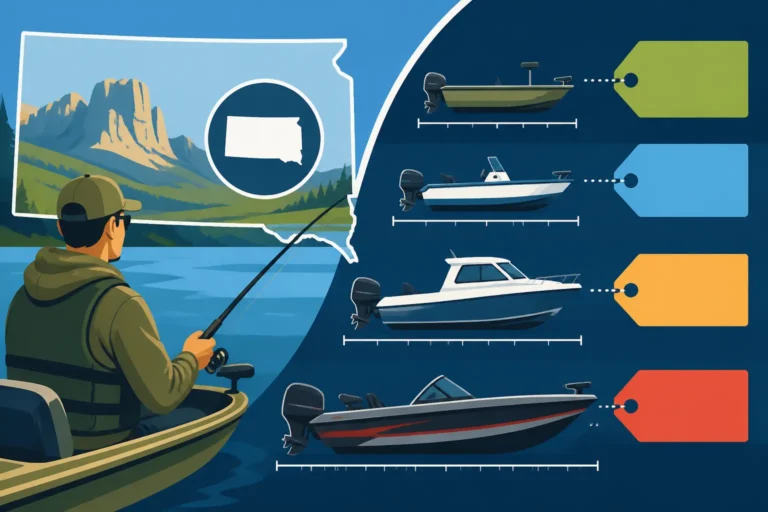
| Boating & Water Safety | Essential information on South Dakota Boat and Water Access Rules, registration requirements for motorized and non-motorized vessels, safety equipment (life jackets, fire extinguishers), navigation rules, and personal watercraft regulations. |
| Aquatic Invasive Species | Guidelines and mandatory actions to prevent the spread of aquatic invasive species, including cleaning, draining, and drying your boat and gear. |
| Contact Information & Resources | Important phone numbers for GFP offices, law enforcement, and links to the GFP website for additional online resources, stocking reports, and fish consumption advisories. |
How to Access and Use Your Handbook
Knowing the GFP Handbook is important is one thing; actually getting your hands on it and knowing how to use it efficiently is another. Fortunately, the South Dakota Game, Fish and Parks Department makes it incredibly easy to access this vital resource, ensuring that every angler has the opportunity to stay informed, regardless of their preferred method of information consumption.
Digital vs. Physical Copies: Where to Find It
In today's digital age, you have options! The most convenient way for many is to access the handbook online. The South Dakota Game, Fish and Parks website (gfp.sd.gov) always hosts the most current version of the Fishing Handbook as a downloadable PDF. This is fantastic because you can view it on your smartphone, tablet, or laptop, making it easy to reference even when you're out on the water. Many anglers even download the PDF to their devices so they can access it offline, a real lifesaver when you're in an area with spotty cell service on a remote lake.
For those who prefer a tangible copy, physical handbooks are widely available. You can usually pick one up for free at any GFP office, most fishing license vendors across the state (including many bait shops, sporting goods stores like Cabela's, or even some Walmart locations), and county treasurer offices. Sometimes, you might even find them at local visitor centers or campgrounds, especially around popular fishing destinations. Having a physical copy can be incredibly useful, especially if you like to highlight important sections or refer to it without worrying about battery life on your phone. You can also find accessories like waterproof cases for your physical handbook on places like Amazon to protect it from the elements.
Key Sections for Quick Reference
Once you have your handbook, whether digital or physical, the trick is to use it efficiently. You don't want to be flipping through dozens of pages when you've just landed a fish and need to quickly confirm the length limit. Getting familiar with the layout beforehand can save you a lot of time and potential stress.
I always recommend new anglers, or those visiting a new area, to first review the "General Regulations" section. This will give you an overview of the universal rules that apply across the state. Then, immediately jump to the "Species-Specific Limits" table or section. This is often organized by fish species or by waterbody, allowing you to quickly find the walleye limits for Lake Sharpe, or the trout regulations for Spearfish Creek. Pay close attention to any "Special Regulations" listed for the specific body of water you plan to fish, as these always supersede the statewide rules. It's also a good idea to mark or bookmark the pages related to South Dakota Fishing License Costs and how to renew your license, just so you're always prepared.
Keeping Up with Updates and Changes
Fishing regulations aren't set in stone forever. While they tend to be fairly stable year-to-year, the GFP does make adjustments based on fish population surveys, environmental conditions, and management goals. This means that the handbook you picked up last year might have slight differences from the current year's version.
It's always a good practice to download or pick up a new handbook at the start of each fishing season, typically around January 1st when new regulations often take effect. The GFP website is also an excellent resource for staying current, as they will post immediate updates or emergency rule changes if necessary. These might be related to unexpected fish kills, drought conditions, or changes in stocking programs. Subscribing to GFP newsletters or following their social media accounts can also help you stay informed about any crucial changes that could affect your fishing plans. You definitely don't want to be caught off guard by a new slot limit on your favorite lake, so make it a habit to check for the latest edition.
Beyond the Handbook: Additional Resources
While the GFP Fishing Handbook is undoubtedly your primary resource for South Dakota's fishing rules, it's not the only tool in your angler's toolbox. A truly prepared angler knows how to leverage a variety of resources to gain an even deeper understanding of the waters they plan to fish and ensure they're always in compliance. These additional resources can provide real-time updates, local insights, and practical advice that complements the foundational information found in the handbook.
South Dakota Game, Fish and Parks Website and Apps
The official South Dakota Game, Fish and Parks website (gfp.sd.gov) is a powerhouse of information that goes far beyond just the downloadable handbook. It's an interactive hub where you can find detailed information on South Dakota Fishing Season Dates and Limits, view fish stocking reports, check current fishing conditions, and even purchase your South Dakota Fishing License Guide online. The website is also where you'll find news releases about important announcements, emergency rule changes, or upcoming events like South Dakota Free Fishing Days.
Many state agencies also offer mobile apps, and the GFP is no exception. While specific app features can vary, they often include digital versions of licenses, maps of public lands and water access points, and sometimes even a streamlined way to look up regulations. These digital tools are invaluable when you're out in the field and need quick access to information without lugging around extra paper. Make sure you check for any official GFP apps available for your smartphone to have the most current information literally at your fingertips.
Local Bait Shops and Expert Anglers
Never underestimate the power of local knowledge! Bait shops are often much more than just places to buy worms and lures; they're community hubs where anglers gather to share stories, get tips, and learn about current conditions. The folks who run these shops and the regulars who frequent them often have an unparalleled, real-time understanding of what's happening on the water. They know which baits are hot, where the fish are biting, and critically, they are often the first to know about any very recent or subtle changes in local regulations that might not yet be widely publicized.
Don't be shy about striking up a conversation. Ask about recent catches, water levels, and if there are any specific local rules for the lake or river you're heading to. They can offer insights that bring the handbook's rules to life, helping you interpret how they apply in practical, real-world fishing scenarios. Many local guides and seasoned anglers also offer valuable insights, and you can often find their wisdom shared in online forums or social media groups dedicated to South Dakota fishing.
Common Questions and Tricky Scenarios
Even with the GFP Handbook in hand, some situations can still throw a wrench into your plans or raise questions that aren't immediately obvious. Fishing can be full of nuances, especially when you consider state lines, tribal lands, and unexpected rule adjustments. Knowing how to approach these common questions and tricky scenarios can save you a lot of grief and ensure your fishing adventure remains enjoyable.
Understanding Reciprocity and Boundary Waters
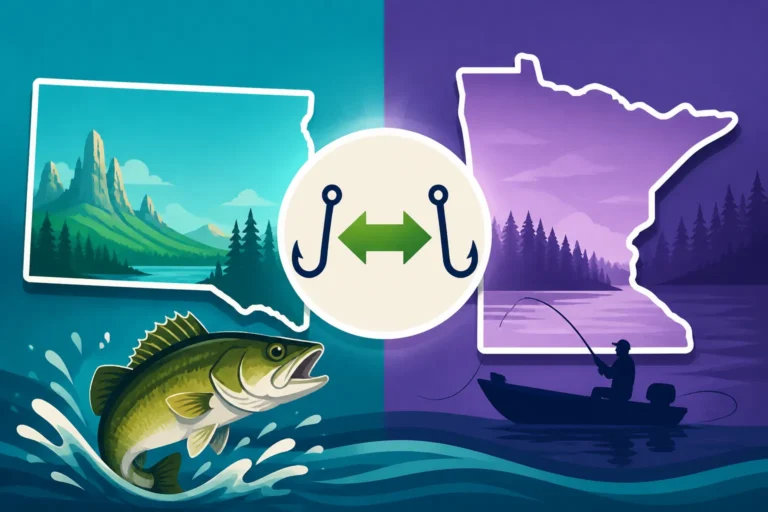
One of the most common questions, especially for those fishing the Missouri River or other border waters, revolves around license reciprocity. Do you need a South Dakota license if you're fishing a river that also borders Nebraska or North Dakota? The simple answer is: it depends, and it's complicated! The GFP Handbook will outline any specific reciprocal agreements South Dakota has with neighboring states for shared waterways. For example, there are specific agreements for certain sections of the Missouri River where a license from either state might be valid, or where certain portions require separate licenses.
Always check the handbook for the specific body of water you intend to fish. For instance, if you're fishing the mainstem of the Missouri River that forms the border with Nebraska, there are often special considerations. It's critical to understand these rules to avoid accidentally fishing illegally. The handbook clarifies if Is a South Dakota Fishing License Valid in North Dakota? or what happens if Can You Use an Out-of-State License on the Missouri River in South Dakota?. When in doubt, it's often safest to just get a license for both states if you plan on traversing boundary waters extensively.
Navigating Tribal Lands and Specific Permits
South Dakota is home to several Native American reservations, and fishing on tribal lands often falls under the jurisdiction of the respective tribal governments, not necessarily the state. This means that your South Dakota state fishing license might not be valid on reservation waters, and you may need to purchase a separate tribal fishing permit. The GFP Handbook usually includes a section that addresses this, advising anglers to contact the specific tribal game, fish, and parks departments for their regulations.
For example, if you're planning to fish on the Cheyenne River Sioux Tribe Reservation, you would need to contact their offices for information on their specific permits and regulations, which can differ significantly from state rules. This is an extremely important detail not to overlook, as disrespecting tribal sovereignty by fishing without the correct permit can lead to serious consequences. The handbook will guide you toward finding the contact information or resources needed to obtain South Dakota Tribal Land Fishing Permits.
Interpreting Emergency Rule Changes
While the annual GFP Handbook is the most comprehensive guide, sometimes unforeseen circumstances require immediate changes to regulations. These are known as "emergency rule changes" and can be triggered by anything from severe drought impacting fish populations to disease outbreaks, or even unexpected changes in fish behavior. The challenge with emergency rules is that they can come into effect quickly, and a printed handbook might not reflect them.
This is where the GFP website and their communication channels become absolutely vital. Emergency changes are usually announced via press releases, updated prominently on the GFP website, and often shared through social media. It's always a good idea to quickly check the GFP site before heading out, especially if there's been unusual weather or environmental events in the area you plan to fish. Staying connected ensures you're never caught off guard by a last-minute alteration to the rules.
Disclaimer
Please remember that while this guide aims to be comprehensive and accurate, fishing regulations can change. It is always the angler's responsibility to consult the most current South Dakota Game, Fish and Parks (GFP) Fishing Handbook and official GFP resources before fishing. This article is for informational purposes only and should not be considered a substitute for official regulations.