South Dakota Boat Registration Fee by Boat Length
Alright, let's talk about boat registration in South Dakota. It can feel like a bit of a labyrinth, especially when you're trying to figure out exactly how much it's going to cost you, with all the different rules about boat lengths and types. Don't worry, you're not alone in finding this confusing! This guide is going to break down the South Dakota boat registration fees specifically by boat length, helping you understand the costs, the process, and what you need to do to get your vessel legally on our beautiful waters.
Why Boat Registration is Essential for Every Angler
When you're eager to get out on the water, whether it's for a peaceful morning of walleye fishing on Lake Oahe or a lively afternoon of tubing with the family on Lewis and Clark Lake, the last thing you want to think about is paperwork. But boat registration isn't just a bureaucratic hoop; it's a fundamental part of responsible boating and contributes to the overall health and safety of our aquatic recreation.
More Than Just a Sticker: What Registration Really Means
Think of your boat registration like your car's license plates and registration sticker. It's a legal requirement that identifies your vessel, ensuring it's properly documented with the state. This process isn't just about collecting fees; it's a vital tool for law enforcement, making it easier to identify boats in case of an accident, theft, or other emergencies. Without proper registration, you could face fines, delays, and a whole lot of frustration that could cut short your precious time on the water.
Beyond the legal aspect, registration helps the state keep track of the number and types of vessels in its waters. This data is surprisingly important! It informs decisions about funding for boat ramps, navigation aids, and crucial water safety programs. When you follow the rules for your South Dakota boat registration, you're contributing to a larger system that benefits all recreational users. It's about being a good steward of our shared resources and ensuring everyone can enjoy South Dakota's lakes and rivers safely.
The Benefits of Proper Registration for You and the State
Having your boat properly registered means peace of mind. You know you're legal, avoiding any potential run-ins with game wardens or law enforcement who are simply doing their job to keep everyone safe. It also means you're contributing to the infrastructure and programs that support boating in South Dakota. The fees collected from registration often go back into improving public access points, maintaining waterways, and funding vital safety education courses. This investment ensures that our favorite fishing spots and recreational areas remain accessible and enjoyable for years to come.
Proper registration is also crucial for tracking boat ownership, which can be a lifesaver if your boat is ever stolen or involved in an incident. The readily available information helps authorities recover stolen property and investigate accidents more efficiently. It's a small administrative step that yields significant benefits for both individual boaters and the broader boating community across the state.
Understanding South Dakota's Boat Registration Fees by Length
Now, let's dive into the nitty-gritty: the actual costs. South Dakota's boat registration fees are primarily determined by the length of your vessel. This tiered system aims to fairly distribute the costs, as larger boats often have a greater impact on waterways and may require more extensive infrastructure. It's a straightforward approach, but it's important to know where your boat falls to avoid any surprises. Remember, these fees generally cover a two-year registration period.
The Breakdown: Fee Tiers Based on Boat Size
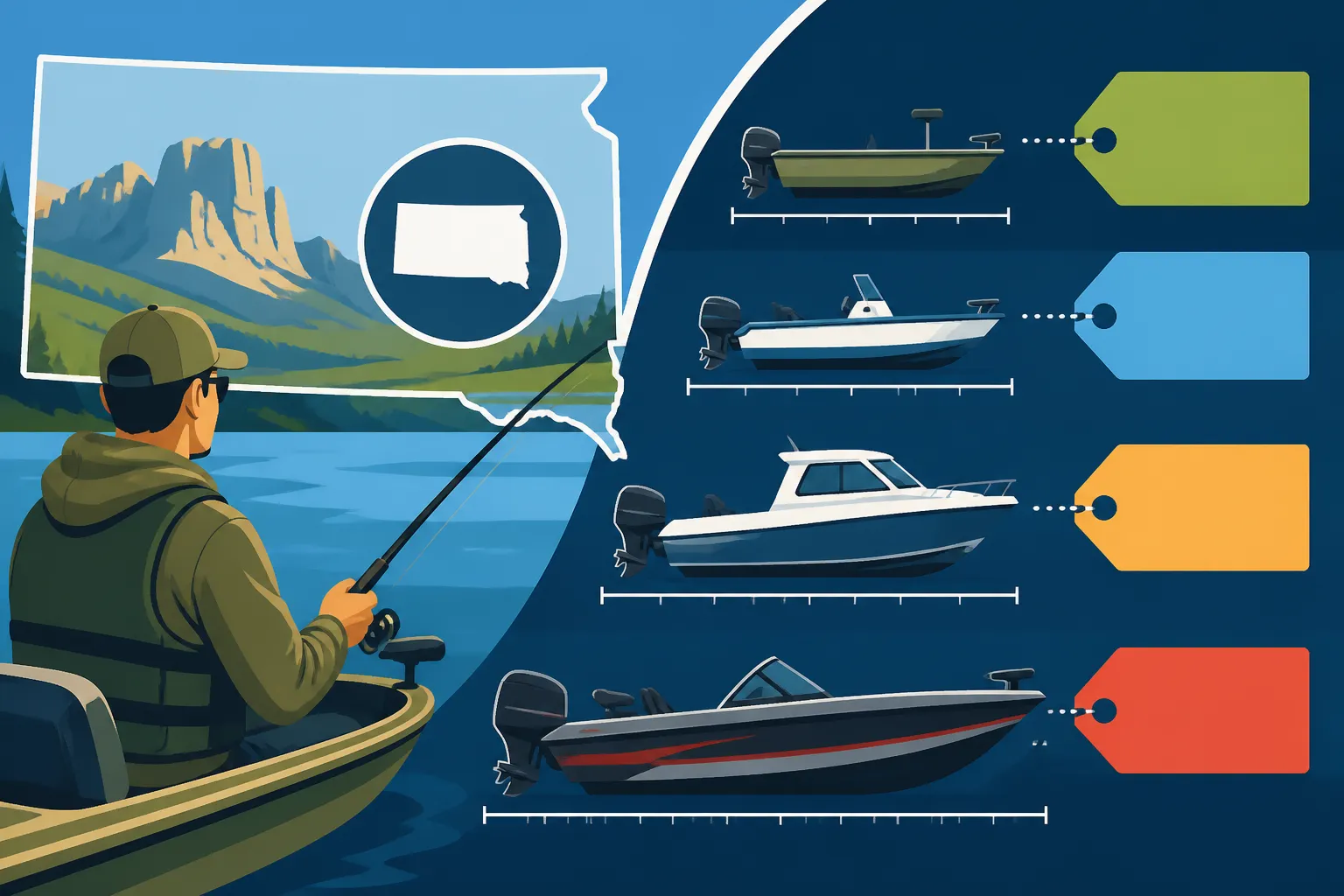
The South Dakota Game, Fish and Parks (GFP) outlines specific fee structures based on your boat's measurements. Here’s a clear look at how those fees are currently structured:
| Boat Length Category | Two-Year Registration Fee |
|---|---|
| Less than 17 feet | $25.00 |
| 17 feet to less than 20 feet | $50.00 |
| 20 feet to less than 23 feet | $100.00 |
| 23 feet to less than 26 feet | $150.00 |
| 26 feet and over | $200.00 |
| Non-Motorized (12 ft and over) | $10.00 |
| Motorized Canoes/Kayaks | $10.00 |
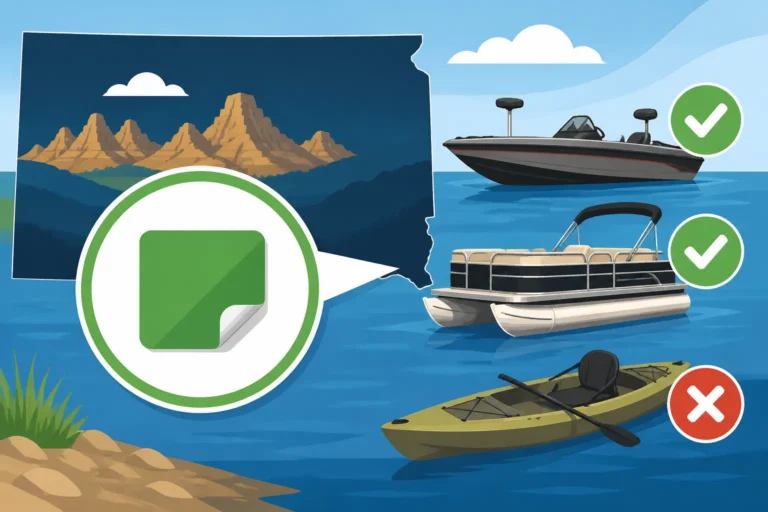
Note: Non-motorized vessels less than 12 feet in length, such as many kayaks, canoes, and paddleboards, are generally exempt from registration fees but still require a no-cost validation sticker. Always double-check current regulations, as rules can change.
Let's imagine you just purchased a sleek 19-foot bass boat, perfect for chasing smallmouth bass on Lake Sharpe. Looking at the table, you'd fall into the "17 feet to less than 20 feet" category, meaning your base registration fee would be $50 for two years. If you've been eyeing a larger pontoon boat for family gatherings, perhaps a 24-footer, you'd be looking at a $150 fee. This system helps make the costs predictable based on the size of your chosen vessel. You can learn more about specific requirements in our comprehensive guide on South Dakota Boat Registration Guide.
Beyond the Length: Additional Costs to Consider
While the length-based registration fee is the biggest chunk, it's not the only cost you might encounter. There are a few other fees that can add up, especially if you're buying a new boat or transferring ownership.
- Application Fee: For new registrations or when you're transferring ownership of a used boat, there's typically a one-time application fee. This is usually around $10. For renewals, there's a smaller renewal application fee, often $5.
- Sales Tax: If you're purchasing a boat in South Dakota, you'll be subject to the state's sales tax, which is currently 4.5%. This is applied to the purchase price of the boat itself, separate from registration. So, if you bought a boat for $10,000, expect an additional $450 in sales tax.
- Title Fee: Every boat, unless specifically exempted (like those non-motorized vessels under 12 feet), must be titled in South Dakota. The title fee is typically $10. This creates a clear record of ownership.
- Lien Recording Fee: If you financed your boat and have a loan, the lender will typically place a lien on the title. Recording this lien usually costs an additional $10.
- Late Registration Penalty: Life gets busy, and sometimes renewals slip through the cracks. If you fail to renew your registration by the deadline, you could incur a late registration fee, which is often $10. It’s always best to stay on top of your renewal, which you can track with resources like our South Dakota Boat Registration Renewal guide.
- Out-of-State Boats: If you're new to South Dakota or bringing your boat from another state, you'll need to register it here if you plan to use it for more than 60 consecutive days. The process is similar to a new registration, incurring the initial application and title fees. Check out our article on How Long an Out-of-State Boat Can Be Used in South Dakota Before Registering for more details.
When you're shopping for boat accessories, like new life jackets to meet South Dakota Life Jacket Requirements or a marine first-aid kit, you might find yourself browsing online retailers like Amazon. While these purchases are separate from your registration, they're essential parts of responsible boating, and those costs should also be factored into your overall boating budget.
How to Navigate the Registration Process and Avoid Headaches
So you've got your boat, you know the fees, now what? The actual registration process in South Dakota is fairly straightforward, but having all your ducks in a row can save you a lot of time and potential frustration. It's not like buying a new fishing lure on Amazon where it just shows up at your door; this requires a bit of preparation.
Where to Go and What to Bring
Unlike some states where you might go to a central Department of Motor Vehicles, boat registration in South Dakota is handled by your local County Treasurer's office. This is the same place you'd typically register your car, so it might feel familiar.
Before you head out the door, gather these essential documents:
- Proof of Ownership:
- For a new boat: The Manufacturer's Statement of Origin (MSO) or Manufacturer's Certificate of Origin (MCO).
- For a used boat: The existing title, signed over to you by the previous owner, or a bill of sale if a title isn't required (for very old or specific non-titled vessels). Always get a bill of sale!
- Bill of Sale (if applicable): Even with a title, a detailed bill of sale showing the purchase price is crucial for calculating sales tax.
- Driver's License or State ID: For identification purposes.
- Social Security Number: Required for registration.
- Payment for Fees: Cash, check, or credit/debit card (call ahead to confirm accepted payment methods).
- Loan Information (if applicable): If you financed your boat, bring your loan documents, as the County Treasurer will need to record the lien.
It’s always a good idea to call your specific County Treasurer’s office beforehand to confirm their hours, what forms they require, and if there are any unique local requirements. This simple phone call can prevent a wasted trip! For a step-by-step walkthrough, refer to our guide on How to Register a Boat in South Dakota.
Tips for a Smooth Registration Experience
Here are a few insider tips to make your boat registration as seamless as possible:
- Go Early or Mid-Week: County Treasurer offices can get busy, especially during peak seasons or on Mondays and Fridays. A mid-week, mid-morning visit often means shorter lines.
- Double-Check Your Paperwork: Ensure all names are spelled correctly, signatures are present where needed, and dates are filled in. Missing information is the leading cause of delays.
- Understand Your Boat's Length: Measure accurately if you're unsure. The "length" for registration purposes is typically the centerline length of the hull, excluding bow sprits, swim platforms, or outboard motor brackets.
- Keep Copies: Make copies of all your documents (MSO, bill of sale, old title) before you submit them. This is good practice for any important transaction.
- Ask Questions: If anything is unclear, don't hesitate to ask the staff at the County Treasurer's office. They are there to help!
- Know About Non-Motorized Vessels: If you have a canoe, kayak, or paddleboard, remember that non-motorized boats 12 feet and over still require registration, though at a lower fee. Vessels under 12 feet are exempt from registration but still need a free validation sticker. This is an important distinction often missed! Our article on Do You Need to Register a Kayak in South Dakota? offers specific guidance.
After successful registration, you'll receive your registration card, new decals, and a permanent registration number for your boat. Make sure you apply the decals and numbers correctly according to South Dakota Boat Safety Requirements.
Common Questions and Scenarios
Navigating boat registration can bring up a lot of specific questions, especially when unique circumstances pop up. Let's tackle some of the common scenarios folks encounter.
What About New Boats, Used Boats, or Out-of-State Vessels?
- New Boats: When you purchase a brand-new boat from a dealership in South Dakota, they will often handle much of the initial paperwork for you, including sales tax collection and sometimes even submitting the title and registration application to the County Treasurer's office. However, it's still your responsibility to ensure everything is completed and you receive your title and registration. You'll need the Manufacturer's Statement of Origin (MSO) from the dealer.
- Used Boats: Buying a used boat, whether from a private seller or a used boat dealer, requires a bit more diligence on your part. You'll absolutely need the properly signed-over title from the previous owner (unless it's an exempt vessel). Make sure the title is clear, with no active liens if you're buying it outright. Always get a detailed bill of sale, even if the title exists, to document the transaction and purchase price. If a boat doesn't have a title (which is rare for motorboats but can happen with very old or certain non-motorized vessels), you'll need to provide sufficient proof of ownership, like a bill of sale and possibly a verification process through GFP.
- Out-of-State Vessels: If you're moving to South Dakota or plan to use your out-of-state registered boat here for an extended period, you'll need to transfer its registration to South Dakota. The rule of thumb is generally if you use it for more than 60 consecutive days, it needs to be registered in South Dakota. You'll follow the process for a new South Dakota registration, presenting your out-of-state title and registration, paying the appropriate fees based on length, plus the initial application and titling fees. This ensures that you're in full compliance with local laws and contributes to state funding for aquatic resources.
Regardless of the vessel type, understanding the basics of South Dakota Boat Titling Fee Breakdown can help you prepare for the various costs involved in getting your boat legal and ready for the water.
Renewal Reminders and Avoiding Penalties
Once you've gone through the initial registration process, it's a breeze to keep your boat legal. South Dakota boat registrations are typically valid for two years. The expiration date will be clearly marked on your registration card and often on the decals themselves.
The South Dakota GFP generally sends out renewal reminders before your registration expires. However, life happens, and sometimes these reminders get lost in the mail or overlooked. It's ultimately your responsibility to renew on time. You can usually renew your boat registration online through the GFP website, by mail, or in person at your County Treasurer's office.
Tips for smooth renewals:
- Mark Your Calendar: Set a reminder in your phone or on a physical calendar a month or two before your expiration date.
- Online Renewal is Your Friend: The GFP website offers a convenient way to renew from the comfort of your home, avoiding lines.
- Keep Your Information Updated: If you move or change contact information, update it with the GFP so you receive renewal notices.
Failing to renew your boat registration on time can result in a late penalty fee, typically an additional $10. While this might not seem like a huge amount, it's an unnecessary expense that can be easily avoided. More importantly, operating an unregistered vessel can lead to citations and further fines, which can certainly put a damper on your fishing trip. Staying on top of your South Dakota Fishing Regulations Explained and all related boating requirements means more time enjoying the water and less time dealing with paperwork. Whether you're upgrading your fishing gear with items from Amazon or simply enjoying the peaceful South Dakota sunset from your boat, ensuring your registration is current is a small but important step to a hassle-free experience.
Disclaimer
Please remember that regulations and fees can change. While this guide provides current information as of its publication, it's always best to verify the latest South Dakota boat registration fees and requirements directly with the South Dakota Game, Fish and Parks (GFP) or your local County Treasurer's office before taking any action. This information is for general guidance only and should not be considered legal advice.