South Dakota Charter Boat License Requirements
Thinking about turning your passion for South Dakota fishing into a business? It’s a dream many of us share—spending our days on the water, sharing the thrill of the catch with others, and getting paid for it. But let's be honest, the path from passionate angler to licensed charter boat operator in South Dakota can feel like navigating a maze blindfolded. Between state regulations, federal requirements, and ensuring client safety, it’s enough to make even the most seasoned fisherman scratch their head. This comprehensive guide is here to untangle that knot, walking you through every necessary step to legally and safely run a fishing charter in the Mount Rushmore State.
The Foundation: Why a Special License for Charters?
When you take someone out fishing for fun, it's just a friendly outing. But the moment money exchanges hands for your guiding services, the game changes entirely. You're no longer just an angler; you're a commercial operator, and with that title comes a whole new set of responsibilities and rules designed to protect both you and your clients. This isn't about bureaucracy for the sake of it; it's about ensuring professionalism, safety, and responsible resource management.
Understanding the Shift from Recreational to Commercial Fishing
The line between a casual fishing trip and a professional charter is often blurred in people's minds, but legally, it's crystal clear. As a charter boat operator, you're offering a service, which means you're held to a higher standard of care and accountability. You're responsible for the safety of your passengers, the legality of your operations, and often, for ensuring they have a successful, memorable trip within the bounds of fishing regulations. This means your vessel, your skills, and your knowledge are all under scrutiny. It's a significant leap from simply holding a standard South Dakota Resident Fishing License Options to running a commercial enterprise.
Moreover, the state, through the South Dakota Game, Fish and Parks (GFP), has a vested interest in managing its valuable fishing resources. Commercial activities, even guiding, have an impact, and regulations help monitor and control that impact, ensuring sustainable fishing for everyone. Without these distinctions and the licenses that enforce them, the waters could quickly become chaotic, impacting both fish populations and the experience for recreational anglers.
The South Dakota GFP's Role in Commercial Operations
The South Dakota Game, Fish and Parks (GFP) is the primary state agency you'll interact with for your commercial fishing guide operations. Their role isn't just about handing out licenses; it's about stewardship. They manage the state's fish populations, enforce fishing limits and size restrictions like South Dakota Walleye Limits or South Dakota Northern Pike Limits, and ensure that all fishing activities, commercial included, comply with the broader South Dakota Fishing Regulations Explained. This means they'll want to ensure you're aware of and abide by all state laws, from proper boat registration to ethical fishing practices.
While the GFP handles the state-specific aspects, it's crucial to understand that their purview is primarily within South Dakota's waters and its fish and game laws. They don't typically oversee federal maritime safety standards or credentialing, which are handled by another, equally important, agency: the U.S. Coast Guard. This dual layer of regulation is what often trips up aspiring charter operators, and it's why understanding both is non-negotiable.
Navigating Federal Waters: US Coast Guard Credentials
Here's where many potential charter captains realize their dream requires more than just a great boat and fishing skills. If you plan to carry any paying passengers on any navigable waters of the United States, including major lakes and rivers within South Dakota, you're operating under the jurisdiction of the U.S. Coast Guard (USCG). This means you'll need a federal Merchant Mariner Credential (MMC).
The Essential OUPV/Six-Pack License
For most recreational fishing charters, the entry-level USCG credential is the Operator of Uninspected Passenger Vessels (OUPV) license, commonly known as a "Six-Pack" license. This allows you to carry up to six paying passengers on uninspected vessels. The "uninspected" part is key; it means your vessel isn't subject to the stringent annual inspections required for larger passenger vessels, but it still must meet specific safety standards.
Obtaining an OUPV license is a rigorous process, and frankly, it can be intimidating. You'll need to demonstrate sea time (experience on the water), pass a physical examination, undergo a drug test, and pass a comprehensive written exam covering navigation, rules of the road, safety, and seamanship. There are reputable maritime training schools that offer courses to prepare you for this exam, and many study materials, including comprehensive guides, can be found on platforms like Amazon. This license isn't specific to South Dakota; it's a federal requirement that applies nationwide. Without it, operating a charter boat for hire is illegal and carries severe penalties.
USCG Vessel Safety Requirements and Inspections
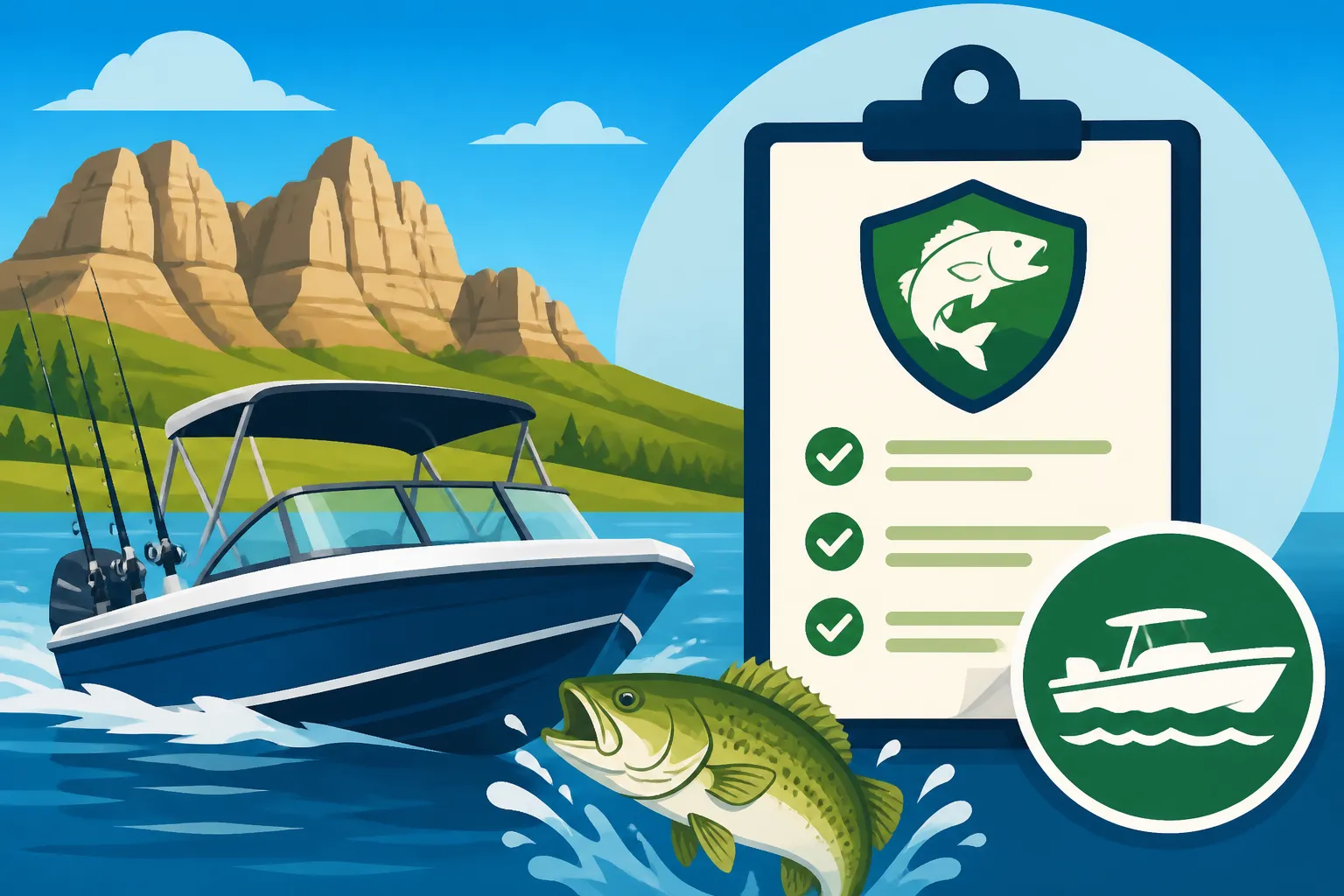
Beyond your personal credential, your vessel itself must meet specific USCG safety requirements. Even though your boat might be "uninspected" by the USCG, it's still subject to random boardings and inspections by the Coast Guard. They'll be checking for compliance with South Dakota Boat Safety Requirements, which often mirror or are supplemented by federal standards. This includes having:
- Properly sized and accessible life jackets for every person on board, including children. You can find excellent options for Coast Guard-approved life jackets for all ages on Amazon.
- Visual distress signals, such as flares or an electronic flare.
- Sound-producing devices, like a horn or whistle.
- Fire extinguishers in accessible locations.
- Navigation lights in good working order.
- A readily accessible first-aid kit.
- Proper ventilation for enclosed engine compartments.
Failing a USCG safety inspection can lead to citations, fines, and even termination of your voyage. It's not something to take lightly. Being proactive about safety, performing regular checks, and investing in quality safety equipment are critical for any aspiring captain.
South Dakota's Specific Requirements for Guides and Vessels
Once you've wrapped your head around the federal necessities, it's time to zero in on what South Dakota specifically asks of its commercial fishing guides. The state wants to ensure that those leading fishing trips are knowledgeable about local waters, regulations, and responsible practices.
South Dakota GFP Commercial Fishing Guide License
The South Dakota Game, Fish and Parks (GFP) issues a Commercial Fishing Guide License. This is separate from your personal recreational South Dakota Annual Fishing License and from your federal USCG credential. This license is specifically for individuals who "for compensation, either directly or indirectly, lead, aid or assist others in taking fish." To qualify, you generally need to:
- Be at least 18 years old.
- Have a valid South Dakota driver's license or state ID.
- Possess a valid USCG Merchant Mariner Credential. This is where the federal and state requirements directly intersect; the GFP won't license you as a commercial guide without proof of your USCG credential.
- Have a current South Dakota fishing license.
- Carry appropriate liability insurance. The GFP will often specify minimum coverage amounts to protect both you and your clients in case of an accident.
- Register your business with the South Dakota Secretary of State. This is a fundamental step for any commercial enterprise in the state.
The application process typically involves filling out a specific GFP commercial guide application form, providing copies of your USCG license, insurance certificate, and potentially undergoing a background check. It's a system designed to ensure only qualified and responsible individuals are guiding on South Dakota's waters.
Vessel Registration and Safety Equipment Specifics
Your boat, no matter the size, must be properly registered with the South Dakota Department of Game, Fish and Parks. This means obtaining a South Dakota boat registration and displaying the registration numbers and decals correctly. For a detailed rundown, check out our guide on South Dakota Boat Registration Guide. When you’re running a charter, your vessel is a workplace, and it needs to be maintained to a high standard, not just for safety but for presentation to your clients.
While federal requirements cover basic safety gear, South Dakota might have additional recommendations or specific nuances for its waters. For example, understanding local navigation hazards, specific rules for different bodies of water (like those on the Missouri River system), and having redundant communication methods are always good practices. Even if a particular piece of equipment isn't strictly mandated by state law for your class of vessel, having a marine VHF radio, a satellite communicator, or a detailed GPS chartplotter can be invaluable, and you can research various models on Amazon. Always refer to the current South Dakota GFP Fishing Handbook Guide for the most up-to-date state-specific regulations.
The Nitty-Gritty: Application, Costs, and Staying Legal
Getting all your ducks in a row for a charter boat business takes time, effort, and definitely some financial investment. It's not a quick weekend project, but a serious undertaking that requires diligence.
Step-by-Step for the South Dakota GFP License
Once you have your USCG Merchant Mariner Credential in hand (which is usually the longest part of the process), applying for the South Dakota Commercial Fishing Guide License becomes more straightforward.
- Obtain your USCG OUPV/Six-Pack (or higher) license. This often involves courses, exams, and submitting sea time documentation to the USCG.
- Secure liability insurance. Contact an insurance provider specializing in marine or commercial guiding insurance. They understand the specific risks.
- Register your business with the South Dakota Secretary of State. Choose your business structure (sole proprietorship, LLC, etc.).
- Complete the South Dakota GFP Commercial Fishing Guide License application. This form will ask for personal information, details of your USCG license, insurance policy information, and details about your vessel. You can usually find this form on the GFP website.
- Submit all required documentation and fees to the GFP. This may include copies of your USCG license, insurance certificate, and boat registration.
- Undergo any required background checks.
It's a process that requires attention to detail. Don't rush it, and make sure every box is checked.
Federal Credentialing and Ongoing Maintenance
The USCG Merchant Mariner Credential isn't a "one and done" deal. It has an expiration date, typically every five years. To renew it, you'll need to demonstrate continued sea time, pass another physical and drug test, and often complete an updated application. This ongoing commitment ensures that mariners remain proficient and healthy.
Maintaining your federal credential can also involve ongoing professional development. For example, if you plan to carry more than six passengers, you'll need a different, higher-level USCG license, which involves more sea time, more rigorous exams, and potentially regular vessel inspections by the Coast Guard. Always plan ahead for renewals and keep meticulous records of your sea time and training.
Financial Outlays: Licenses, Fees, and Other Expenses
The costs associated with becoming a licensed charter boat operator can add up, so it’s wise to budget carefully. Here’s a general overview:
| Expense Type | Estimated Cost (Variable) | Notes |
|---|---|---|
| USCG OUPV/Six-Pack License | $500 – $1,500+ | Includes application fees, exam fees, drug tests, physicals. (Does not include potential costs for prep courses, which can be an additional $1,000 – $2,000+). |
| South Dakota GFP Commercial Guide License | $100 – $300 (Annual) | State-specific license fee. |
| South Dakota Boat Registration | Varies by boat length | Fees vary. Check How to Register a Boat in South Dakota for specifics. |
| Commercial Liability Insurance | $1,000 – $5,000+ (Annual) | Highly variable based on coverage limits, vessel type, experience, and operating area. Essential for protecting your business. |
| Safety Equipment | $300 – $1,000+ | Life jackets, flares, fire extinguishers, first aid kits, extra anchor, etc. Initial purchase and replacement costs. Many items, like a robust first aid kit or extra marine-grade rope, can be conveniently purchased from Amazon. |
| Business Registration Fees | $100 – $200 (Initial) | Filing fees with the South Dakota Secretary of State. |
| Background Check/Drug Test | $50 – $150 | Required for USCG credential. |
| Fishing Gear & Bait | Ongoing | Rods, reels, lures, bait, tackle specific to target species (e.g., for Walleye or Smallmouth Bass). This is an operational cost, not strictly licensing, but crucial for your business. |
These are estimates, and costs can fluctuate significantly. Always verify current fees with the USCG and the South Dakota GFP. This investment, however, allows you to operate legally and professionally, giving your clients peace of mind and building your reputation.
Maintaining Compliance and Avoiding Pitfalls
Getting the licenses is a huge achievement, but it's just the beginning. The real work of a charter operator involves continuous adherence to regulations and a proactive approach to safety and legality. Slipping up can have serious consequences, from fines to losing your ability to guide.
Ongoing Compliance with Regulations
Staying compliant means more than just having a license; it means actively following all rules every single time you hit the water.
- Know Your Limits: Always be up-to-date on South Dakota Fish Limits and Size Restrictions, especially for popular species like walleye. These can change, and it’s your responsibility as a guide to know the current rules. The GFP updates its regulations regularly, and you should check for changes each season.
- Safety First, Always: Conduct pre-trip safety briefings with your clients. Ensure all safety equipment is in working order and easily accessible. Keep your vessel well-maintained, including regular checks on the engine, electronics, and hull.
- Record Keeping: Some commercial licenses might require you to keep records of your trips, including passenger counts, catch data, and any incidents. This data helps the GFP manage fisheries and can also be useful for your own business analysis.
- Renewals: Mark your calendar for all license and credential renewal dates. The USCG, GFP, and your insurance provider will all require timely renewals. Don't let anything lapse.
Think of it this way: your reputation as a guide hinges on your ability to provide a safe, legal, and enjoyable experience. Compliance is the bedrock of that reputation.
Common Mistakes and Penalties
Even experienced operators can make mistakes, but some are more common—and costly—than others for new charter captains.
- Operating Without Proper Federal Credentialing: This is arguably the biggest mistake. Running a "for hire" fishing trip without a USCG Merchant Mariner Credential is a federal offense. Penalties can be severe, including substantial fines (thousands of dollars), seizure of your vessel, and a ban from future credentialing. Don't try to "fly under the radar" with just a state guide license; the USCG takes this very seriously.
- Failing to Maintain Insurance: Operating without proper commercial liability insurance is incredibly risky. If an accident occurs and a client is injured, you could face devastating financial ruin. Your GFP Commercial Guide License will likely become invalid if your insurance lapses.
- Ignoring Fish Regulations: As a guide, you're expected to be an expert on South Dakota Fishing Regulations Explained. This includes understanding daily limits, possession limits, size restrictions, and any special regulations for specific bodies of water. Clients look to you for guidance, and if you knowingly (or unknowingly) allow them to violate regulations, you're complicit and can face fines and license suspension. This might involve violating specific rules for South Dakota Walleye Limits or for trout in certain Black Hills streams.
- Inadequate Safety Equipment: Being caught with expired flares, insufficient life jackets, or non-functional navigation lights during a USCG or state patrol boarding can result in fines and termination of your trip. It sends a terrible message about your professionalism and concern for safety.
The key to avoiding these pitfalls is thorough preparation, continuous education, and a commitment to operating with integrity. The rules are there for a reason—to ensure safety, preserve resources, and maintain a level playing field for all.
Disclaimer
This article is for general informational purposes only and does not constitute professional advice. Laws, prices and regulations vary by location and change over time. Consult a qualified professional for guidance on your specific situation.