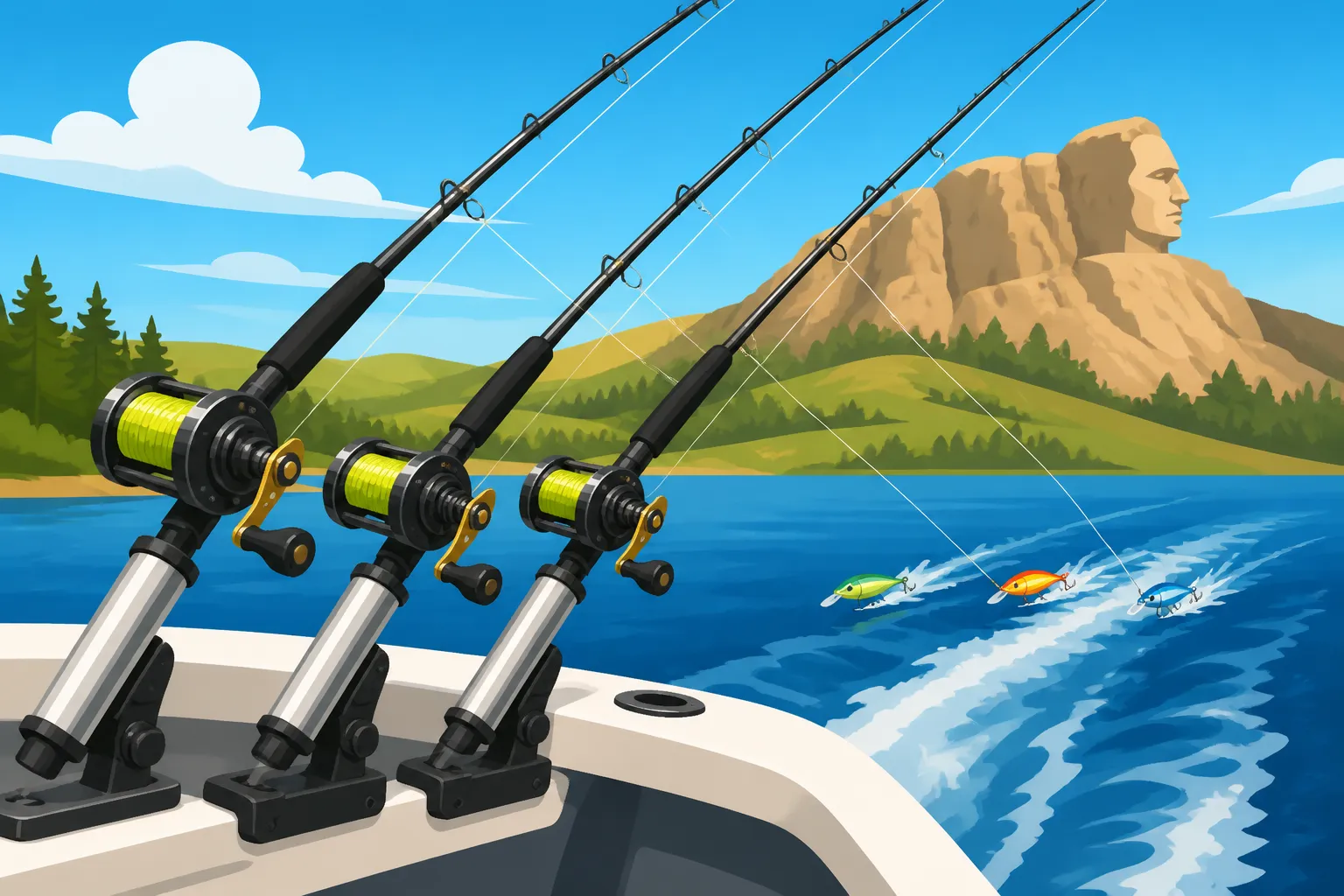
Best Rod Holders for Trolling
The feeling of having multiple lines in the water, perfectly spread out, slowly presenting your bait or lure at just the right depth – that's the magic of trolling in South Dakota. But let's be honest, trying to juggle two, three, or even four rods in your hands while steering, adjusting speed, and keeping an eye on the fish finder is a logistical nightmare. It leads to missed strikes because you can't react fast enough, tangled lines, and frankly, a whole lot of unnecessary stress that takes away from the joy of being on the water. This guide is dedicated to solving that headache by walking you through how to choose and utilize the best rod holders for trolling, ensuring your next outing on Lake Oahe or Lake Sharpe is as productive and relaxing as it should be.
Why Dedicated Rod Holders Are an Absolute Game-Changer for Trolling in South Dakota
For serious anglers, and even for those just looking to maximize their chances, rod holders aren't just a luxury; they're an essential piece of equipment, especially when you consider the expansive waters and diverse species we target here in South Dakota.
Maximizing Your Spread and Opportunity
One of the biggest advantages of fishing in South Dakota is the ability to run multiple lines, allowing you to cover more water and present different baits or lures simultaneously. Without rod holders, this becomes incredibly difficult, if not impossible. Imagine trying to hold four rods steady while navigating a choppy stretch of the Missouri River. You'd be exhausted within an hour, and your lures would be bouncing erratically, likely turning off any interested fish.
With a proper setup of rod holders, you can strategically spread out your lines, creating a wide "net" to intercept fish. You can run one line deep with a bottom bouncer, another mid-depth with a crankbait, and perhaps a third closer to the surface with a shallow-diving lure. This not only increases your chances of finding where the fish are holding but also allows you to experiment with different presentations without constantly re-rigging. It's about efficiency, and in the big waters of South Dakota, efficiency often translates directly to more fish in the net. Plus, it frees up your hands for steering, adjusting the trolling motor, or even grabbing a snack!
Achieving Consistent Lure Presentation
Fish, especially wary species like walleye, often prefer a very specific presentation. When you're holding a rod by hand, it's almost impossible to maintain a consistent speed, depth, or action for your lure. Your arm might get tired, the boat might rock, or you might simply get distracted. These subtle inconsistencies can be enough to deter a fish that's following your bait.
Rod holders, on the other hand, provide a stable platform. Once set, they hold your rod at a precise angle, ensuring your lure tracks true at the desired depth and speed. This consistency is paramount when you're trying to fool a finicky walleye or trigger a strike from a cruising northern pike. For example, if you're Trolling for Walleye on Lake Oahe with crankbaits, the rod holder ensures that crankbait is diving to its intended depth and running with its designed wobble, rather than being constantly influenced by the slight movements of your hand. It lets the lure do its job, uninterrupted, making it much more appealing to hungry fish.
Ensuring Safety for You and Your Gear
Let's face it, fishing gear isn't cheap. A good trolling rod and reel setup can be a significant investment. Having your rods secured in quality rod holders protects them from accidental drops overboard, getting stepped on, or bouncing around in rough water. A sudden wave or an unexpected turn could send an unsecured rod flying, potentially resulting in damage or, worse, losing it to the depths of the lake.
Beyond protecting your equipment, rod holders contribute to a safer boating environment. A boat cluttered with rods lying on the deck is a tripping hazard. When you're dealing with a hooked fish, or trying to navigate a busy boat ramp, the last thing you want is to be stumbling over loose gear. By keeping your rods neatly stowed and ready for action, you create a more organized and safer space for everyone on board. It's about reducing clutter and allowing you to focus on the task at hand, whether that's fighting a big fish or safely getting back to shore. This commitment to safety goes hand-in-hand with understanding South Dakota Boat Safety Requirements for all anglers.
Deciphering the World of Trolling Rod Holders: Types and Features
The market for rod holders can feel a bit overwhelming at first glance, with countless options and designs. But once you understand the basic categories and features, it becomes much easier to pinpoint what will work best for your South Dakota fishing adventures.
Fixed vs. Adjustable Rod Holders
This is one of the most fundamental distinctions.
- Fixed Rod Holders: These are designed to hold your rod at a specific, predetermined angle. They're often very sturdy and reliable because there are fewer moving parts to break or wear out. You'll find them integrated into some boat designs or as simple, strong units for dedicated trolling positions. The main downside is their lack of versatility; once installed, that's the angle you're stuck with. If you always troll with the same setup and angle, they can be a great, durable choice.
- Adjustable Rod Holders: These are, by far, the more popular option for trolling due to their immense versatility. They typically feature swivel and tilt mechanisms that allow you to change the angle of your rod in multiple directions. This means you can angle rods out to the sides for maximum spread, adjust them to run lures at specific depths, or bring them more upright when fighting a fish. This adjustability is crucial for adapting to different trolling techniques, whether you're pulling planer boards or trying to keep crankbaits from tangling behind the boat. Most anglers opt for adjustable holders to get the most out of their setup.
Mounting Styles: Finding the Right Fit for Your Boat
How a rod holder attaches to your boat is a critical decision, influenced by your boat's construction, your fishing style, and how permanent you want the setup to be.
- Clamp-On Mounts: These are incredibly popular for their ease of installation and portability. Clamp-on holders attach to existing rails, gunwales, or other boat structures without the need for drilling. This makes them ideal for smaller boats, rental boats, kayaks, or for anglers who want to quickly add or remove holders. They're also a great way to test out different placements before committing to a permanent mount. While generally sturdy enough for most applications, heavy drag from a large fish or snag could cause them to shift or, in rare cases, come loose if not properly secured. You'll find a wide variety of these at retailers like Bass Pro Shops, suitable for various rail diameters and gunwale thicknesses.
- Flush Mounts: Offering the cleanest and often most integrated look, flush mount holders are installed directly into the boat's gunwale, stern, or deck. They require drilling a precise, often large, hole into the boat, and the holder itself sits "flush" with the surface, presenting a very low profile when not in use. This provides exceptional strength and a custom feel, but it's a permanent modification. They are fantastic for boats where aesthetics are a concern and where you know you want a dedicated, unmoving position for your rods. However, their fixed angle can be limiting for diverse trolling strategies.
- Track Mounts: The track mount system has revolutionized boat rigging for many serious anglers. It involves installing a length of aluminum or heavy-duty plastic track onto your boat, to which various accessories – including rod holders – can be attached, moved, and removed with ease. This offers unparalleled versatility. You can slide rod holders along the track to adjust spacing, swap them out for different styles, or remove them entirely when not trolling. This system allows you to quickly reconfigure your boat for different fishing situations, from walleye trolling to jigging for panfish. While the initial investment for tracks and compatible holders can be higher, the flexibility and strength they offer are often worth it, especially for anglers who use their boats for multiple species or techniques. You'll find many excellent track systems and compatible rod holders available on Amazon with various lengths and designs.
- Rail Mounts: Similar to clamp-on but often more robust, rail mount rod holders are specifically designed to attach to the existing rails on your boat. If your boat has strong, securely mounted rails (like those often found on pontoon boats, larger runabouts, or some center consoles), rail mounts can be an excellent choice. They offer a secure attachment point without drilling into the main hull, and many are adjustable. Just make sure the rail itself is strong enough to handle the strain of a fish strike.
Materials and Durability: Built for South Dakota Conditions
The materials used in a rod holder's construction directly impact its strength, durability, and resistance to the harsh elements typical of South Dakota's long fishing seasons, from scorching summer sun to freezing ice-out conditions.
- Stainless Steel: Often considered the gold standard for marine applications, stainless steel offers exceptional strength and corrosion resistance. It's incredibly durable and can withstand the forces exerted by large fish or heavy trolling weights. The trade-off is typically a higher price point.
- Aluminum: A lightweight yet strong material, aluminum is also highly resistant to corrosion, especially when anodized. It's a popular choice for rod holders, offering a good balance of performance and cost. Many track systems are made from aluminum.
- Heavy-Duty Plastics/Composites: Modern, high-grade plastics and composite materials are surprisingly strong and incredibly durable. They are lightweight, completely corrosion-proof, and often more affordable. They can be very effective, but it's crucial to choose reputable brands that use quality materials, as cheaper plastics can become brittle in extreme cold or degrade under UV exposure over time.
- Combination: Many rod holders combine materials, perhaps using a strong plastic for the tube that holds the rod butt and a metal for the mounting bracket to get the best of both worlds.
When choosing, consider the size of the fish you typically target. A small panfish rod holder won't cut it for pulling heavy muskie baits or fighting a powerful Chinook salmon on Lake Oahe.
Release Mechanisms: Quick Reaction Matters
When a fish hits while trolling, you want to be able to grab that rod and start fighting quickly. The release mechanism of a rod holder determines how easily and smoothly you can extract your rod.
- Quick-Release: Many holders feature a design that allows you to simply lift the rod straight up or pull it out with a slight twist. These are designed for fast action.
- Tension-Based: Some holders rely on tension or a locking ring to keep the rod secure. While effective, they might require a deliberate action (like pressing a button or releasing a lever) before you can pull the rod free.
- Open-Ended Holders: Simpler designs may just be an open tube or cup. While easy to grab, there's a slight risk of the rod jumping out during aggressive strikes or rough water if not angled properly.
A good rod holder will hold your rod securely but allow for a smooth, fast draw when that line snaps tight.
Crucial Considerations for Choosing Rod Holders on South Dakota Waters
Selecting the right rod holders isn't just about picking a sturdy model; it's about matching them to your specific boat, fishing style, and the unique challenges presented by South Dakota's diverse waterways.
Your Boat Type and Size: A Perfect Match
The kind of boat you run dictates many of your rod holder choices.
- Large Reservoirs (Lake Oahe, Lake Sharpe, Lake Francis Case): If you're running a larger deep-V walleye boat on these vast bodies of water, you'll likely be dealing with significant waves and strong winds. You'll need extremely robust rod holders, often track-mounted or through-bolted, that can handle constant pounding and the strain of heavy-duty trolling rods and larger fish. These boats typically have ample space for multiple holders, allowing for a wide spread.
- Missouri River Systems (Below Dams, Tributaries): Fishing the current-swept stretches of the Missouri River, whether below Oahe Dam or Fort Randall Dam, often involves different techniques than open-water trolling. You might be anchor fishing, or using specific Missouri River Tailwater Fishing Techniques. Clamp-on or rail-mount holders can work well here, especially if you're adapting to specific current seams or fishing from a Jon boat. The emphasis here might be on adjustability to work with the current, rather than just sheer spread.
- Glacial Lakes (Lake Kampeska, Lake Poinsett): These lakes, while smaller than the Missouri River reservoirs, can still get choppy. A versatile setup with track mounts or sturdy clamp-ons will allow you to adapt to varying conditions and target species like walleye or northern pike.
- Smaller Lakes and Ponds: For smaller, calmer waters, especially if you're in a smaller aluminum boat or even a kayak, less heavy-duty options might suffice. Portable clamp-ons or simple flush mounts can be perfectly adequate. When considering Best Boats for South Dakota Reservoir Fishing, it's clear that a different boat necessitates different rod holder solutions.
Consider the layout of your boat. Do you have existing rails? Is there enough flat, open gunwale space for track mounts? Are there areas where you can drill without compromising structural integrity or interfering with other boat systems? These practical questions are just as important as the holder's features.
Target Species and Rod Power: Will Your Holder Hold Up?
The type of fish you're primarily pursuing should heavily influence your rod holder selection. There's a big difference between holding a panfish rod and a beefy salmon rod.
- Walleye: Our beloved walleye, while not always the hardest fighters, can put a surprising bend in a rod, especially a trophy-sized one. Most medium to heavy-duty adjustable rod holders will suffice for walleye trolling. The key is secure mounting and a holder that can withstand the constant vibration of trolling and the sharp initial strike. If you're using heavy bottom bouncers or planer boards, ensure the holder is rated for that kind of strain.
- Northern Pike: These toothy predators hit hard and fight dirty. If you're targeting pike, you need heavy-duty rod holders that can absorb powerful strikes and maintain a firm grip on your rod. Consider holders made of strong metals or reinforced composites. A cheap plastic holder could snap under the stress of a large pike.
- Chinook Salmon (Lake Oahe): Trolling for Chinook salmon on Lake Oahe often involves downriggers, heavy weights, and specialized rods designed for powerful runs. Your rod holders for salmon need to be exceptionally robust, often metal, with secure locking mechanisms to prevent the rod from jumping out. The force generated by a large salmon peel can be immense. For more on this, check out our South Dakota Chinook Salmon Fishing Guide.
- Catfish: If you're set up for large channel or flathead catfish on the Missouri River, especially with heavy bait and strong currents, your rod holders need to be rock-solid. These fish don't just nibble; they often slam the bait, and the fight can be a real tug-of-war.
Always check the manufacturer's recommendations for the maximum rod butt diameter and the implied strength rating. A cheap holder designed for crappie might not survive a battle with a 30-pound lake Oahe walleye.
Trolling Style: Matching Holders to Your Method
Your preferred trolling techniques also play a significant role in your rod holder needs.
- Crankbait Trolling: When running multiple crankbaits, you typically want holders that can spread your lines widely from the boat, often at a low angle. Adjustable holders are key here, allowing you to fine-tune the spread and keep lures from tangling. If you're learning How to Troll Crankbaits for Walleye, you'll quickly realize the importance of rod position.
- Bottom Bouncing/Jigging (with movement): For bottom contact presentations, you might want your rods more upright, allowing the rod tip to absorb vibrations and indicate bottom contact. Holders that offer precise vertical adjustment are beneficial.
- Planer Board Trolling: Planer boards carry your lines far out to the side of the boat, creating an even wider spread. For this, you'll need rod holders that can handle the extra tension created by the boards and the fish pulling against them. They're often angled horizontally or slightly upward.
- Downrigger Fishing: For very deep trolling, especially for salmon, downriggers are used. While the downrigger itself has a release mechanism, you still need secure holders for your rods once they are released and you're fighting the fish, or for stowing them between drops.
Think about how you typically fish and choose holders that facilitate that method. Versatility is often key for South Dakota anglers who might switch between techniques depending on the season and target species.
Budget vs. Quality: The Price of a Lost Rod
It's tempting to save a few bucks on rod holders, especially when you're outfitting a boat with multiple units. However, this is one area where cutting corners can lead to expensive regrets. A cheap, flimsy rod holder might seem like a good deal until it snaps during a strike, sending your expensive rod and reel to the bottom of the lake, or worse, losing that trophy fish you've been dreaming about.
High-quality rod holders from reputable brands are an investment. They are designed with stronger materials, better engineering, and more secure mounting systems. They can withstand the forces of large fish, rough water, and years of exposure to the elements. While you can certainly find affordable options, especially for smaller species or occasional use, for serious trolling on South Dakota's bigger waters, invest in the best quality you can afford. Consider it insurance for your valuable gear and peace of mind when that big one finally hits. Brands like Scotty, Folbe, and Cannon are often favored by serious anglers for their reliability and durability. You can explore many options and read user reviews from fellow anglers on sites like Amazon and Bass Pro Shops to gauge real-world performance.
Installation, Setup, and Maintenance for Peak Performance
Even the best rod holders won't perform optimally if they're not installed correctly or properly maintained. Taking the time to set them up right and care for them will ensure they serve you well for many seasons.
Strategic Placement for Optimal Spread and Access
Where you mount your rod holders is just as important as the type you choose. Think about your boat's layout and how you want to run your lines.
- Wide Spread: For maximum coverage, place holders to angle rods out to the sides, often along the gunwales. This is crucial for avoiding tangles when running multiple lines, especially with South Dakota Walleye Limits in mind.
- Visibility: Ensure your rods are visible from your helm or fishing position so you can see strikes immediately.
- Clear Access: When a fish hits, you need to be able to grab that rod quickly and easily without obstruction. Avoid placing holders where they'll block pathways or interfere with other equipment.
- Bow vs. Stern: Many anglers use a combination, with some rods set up near the stern for direct trailing, and others mid-ship or even near the bow for a wider fan or to run planer boards.
- Testing Angles: Before permanently installing, if possible, experiment with different angles and positions. Have a friend hold a rod in a potential holder spot while you drive the boat slowly to visualize the line spread.
Secure Installation: Making Them Part of Your Boat
Regardless of the mounting style, secure installation is paramount.
- Through-Bolting: For track mounts, flush mounts, and many clamp-on styles that feature a permanent bracket, through-bolting with stainless steel hardware, backing plates, and marine sealant is the strongest and most reliable method. Don't rely solely on screws, especially for heavy-duty applications.
- Reinforcement: If installing on thin fiberglass or aluminum, consider adding backing plates from marine plywood or thicker plastic on the underside to distribute the load and prevent stress cracks.
- Check for Clearance: Before drilling, always check what's on the other side of the surface. You don't want to drill into wiring, fuel lines, or structural components.
- Manufacturer Instructions: Always follow the manufacturer's specific installation instructions. They know their product best.
A properly installed rod holder should feel like an integral part of your boat, not an afterthought. It should not wiggle, flex, or show any signs of weakness, even when a heavy rod is inserted.
Adjusting for Different Scenarios: The Art of the Angle
One of the great joys of adjustable rod holders is their adaptability.
- Angle for Spread: For wider trolling, angle your rods further out from the boat. For tighter presentations, bring them in closer.
- Angle for Depth: A rod angled lower to the water often allows a lure to run slightly deeper, while a more upright angle might keep a crankbait shallower.
- Fighting Fish: Many rod holders are designed so you can quickly adjust their angle (e.g., lift them up) to make it easier to grab the rod and fight a fish. Practice this motion before you're on the water so it becomes second nature.
- Mix and Match: Don't be afraid to use different types of holders or different angles for different rods simultaneously. This is especially true when you're trying to optimize your spread on a body of water like Lake Sharpe Fishing Guide. You might have a couple of rods way out on planer boards, a couple running behind the boat, and one straight off the stern. Each might benefit from a slightly different holder or angle.
Winterizing and Care: Protecting Your Investment
South Dakota winters are no joke, and they can be tough on fishing gear left uncared for.
- Clean Regularly: Throughout the season, and especially before winter storage, clean your rod holders. Salt, grime, fish slime, and sun exposure can degrade materials. Use freshwater and a mild soap, then rinse thoroughly.
- Lubricate Moving Parts: For adjustable rod holders, lightly lubricate any pivot points or locking mechanisms with a marine-grade lubricant or silicone spray. This prevents seizing and ensures smooth operation.
- Check for Wear: Inspect all components for cracks, loose bolts, or signs of corrosion. Replace any worn or damaged parts immediately.
- Remove for Storage: If possible, remove your rod holders for winter storage. Store them indoors in a dry, temperate environment. This protects them from extreme cold, snow, and ice, significantly extending their lifespan. If they must remain on the boat, cover them securely.
- Protect from UV: Even in summer, prolonged exposure to UV rays can degrade plastic components. If your boat is stored uncovered, consider covering the rod holders when not in use.
Proper care and maintenance ensure that your rod holders are always ready for action, year after year, protecting your valuable rods and reels and enhancing your trolling experience. And speaking of comprehensive preparation, make sure you review your entire South Dakota Fishing Gear Checklist before each season.
| Rod Holder Type | Best For | Pros | Cons |
|---|---|---|---|
| Track Mount | Versatility, multiple rods, various trolling methods | Highly adjustable, easy to add/remove, very strong | Higher initial cost, requires track installation |
| Clamp-On | Small boats, temporary setups, specific spots | Portable, no drilling, affordable, easy to reposition | May slip under heavy load, less sturdy for big fish, limited placement options |
| Flush Mount | Clean look, permanent setups, custom boats | Very sturdy, aesthetically pleasing, low profile | Requires drilling large holes, fixed position, not easily adjustable |
| Rail Mount | Boats with existing strong rails, pontoon boats | Easy installation (no drilling the hull), good stability | Limited to rail locations, not all boats have rails, angle often fixed |
This comprehensive approach to selecting, installing, and maintaining your trolling rod holders will undoubtedly lead to more successful and enjoyable days on the water, allowing you to focus on the thrill of the catch rather than the hassle of holding your rods.
Disclaimer
This article is for general informational purposes only and does not constitute professional advice. Laws, prices and regulations vary by location and change over time. Consult a qualified professional for guidance on your specific situation.