Smallmouth Bass Growth Rate on Lake Francis Case
One of the most thrilling aspects of fishing, especially for dedicated bass anglers, is understanding what makes a particular fishery tick, and how those big, bronzeback beauties in certain waters grow to impressive sizes. If you've ever cast a line into the sprawling waters of Lake Francis Case, you've likely wondered about the smallmouth bass lurking below and the secrets behind their impressive growth. This guide will dive deep into the factors that influence the growth rate of smallmouth bass in Lake Francis Case, giving you insights to better appreciate and perhaps even target these magnificent fish.
Understanding Smallmouth Bass Growth Factors
Smallmouth bass, often affectionately called "bronzebacks," are a prized game fish known for their tenacious fight and stunning beauty. Their growth isn't just about how long they live, but how efficiently they can convert available resources into body mass. In a vast and diverse fishery like Lake Francis Case, several critical environmental and biological factors play a significant role in determining how quickly these fish mature and reach trophy sizes. It's a complex dance between nature's offerings and the fish's inherent biology.
Environmental Conditions and Habitat
Lake Francis Case is one of the four mainstem Missouri River reservoirs in South Dakota, stretching over 100 miles and offering a diverse range of habitats. This variety in itself is a primary driver for smallmouth growth. Unlike a small, uniform pond, a large reservoir provides numerous micro-ecosystems. The lake's clear-to-moderately stained water, combined with extensive rocky points, submerged humps, riprap shorelines, and vast areas of natural and artificial structure, creates ideal conditions for smallmouth bass. These areas provide not just shelter from predators and strong currents but also ambush points for feeding. Think about a smallmouth tucked behind a submerged boulder, waiting for an unsuspecting baitfish to swim by. The abundance of such prime real estate means less competition for the best spots, allowing individual fish to thrive.
Furthermore, the overall health of the lake's ecosystem, including water quality, dissolved oxygen levels, and the presence of aquatic vegetation in certain areas, directly impacts the well-being and, consequently, the growth of smallmouth bass. Stable water levels, which are generally maintained on Lake Francis Case due to its reservoir status, help ensure consistent access to productive spawning grounds and feeding areas year after year. Drastic fluctuations can stress fish populations and disrupt their natural cycles. The sheer size of the lake also means a larger overall carrying capacity, supporting a healthy population without overcrowding.
Food Availability and Diet
Perhaps the most crucial factor influencing growth rate is the availability and quality of food. Smallmouth bass are opportunistic predators, and their diet in Lake Francis Case is rich and varied. Young smallmouth will start on zooplankton and insect larvae, but as they grow, they quickly transition to crayfish, a primary food source for smallmouth across many fisheries. Lake Francis Case boasts a robust crayfish population, providing a high-protein, readily available food item for bass of all sizes. Crayfish are dense in nutrients, offering the building blocks for rapid growth and muscle development.
Beyond crayfish, the lake is teeming with various baitfish species. Shad, emerald shiners, and young-of-the-year panfish like crappie and yellow perch are all on the menu for a hungry smallmouth. The abundance of these forage fish, particularly during peak feeding times in spring and fall, allows smallmouth to pack on weight quickly. A lake with a high density of nutrient-rich forage means bass don't have to expend excessive energy searching for food, enabling them to direct more energy towards growth. South Dakota Fish Species Diet by Season provides even more insights into what these fish are feasting on throughout the year.
Water Temperature and Seasonality
Water temperature dictates the metabolic rate of smallmouth bass, which are cold-blooded creatures. In Lake Francis Case, the seasonal temperature changes directly impact when smallmouth feed most aggressively and, consequently, when they experience their most significant growth spurts. Smallmouth bass prefer cooler waters than their largemouth cousins, generally thriving in temperatures between 60 and 70 degrees Fahrenheit. This means spring and fall are prime feeding seasons. In spring, as water temperatures rise from the cold winter lows, bass become highly active, feeding heavily to recover from winter and prepare for spawning.
Summer brings warmer surface temperatures, which can push smallmouth deeper into cooler, oxygenated waters where they might be less active during the hottest parts of the day. However, they will still feed, often in mornings and evenings or on deep structure. Fall sees a return to optimal temperatures, triggering another intense feeding frenzy as bass build up fat reserves for the coming winter. During the cold winter months, their metabolism slows considerably, and growth is minimal. Reading Water Temperature for Walleye offers great general insights into how temperature impacts fish behavior, which applies to smallmouth as well. Understanding these seasonal patterns is key to predicting growth cycles and knowing when to target the most active fish.
Typical Growth Rates in Lake Francis Case
Anglers are often fascinated by how quickly fish grow and what constitutes a "big" fish in a particular body of water. Lake Francis Case has a reputation for producing quality smallmouth bass, and their growth rates here are quite impressive, often exceeding those found in less productive lakes. It's not uncommon to find bass that have added significant length and girth in just a single season, thanks to the rich environment.
Age-to-Size Ratios for Smallmouth
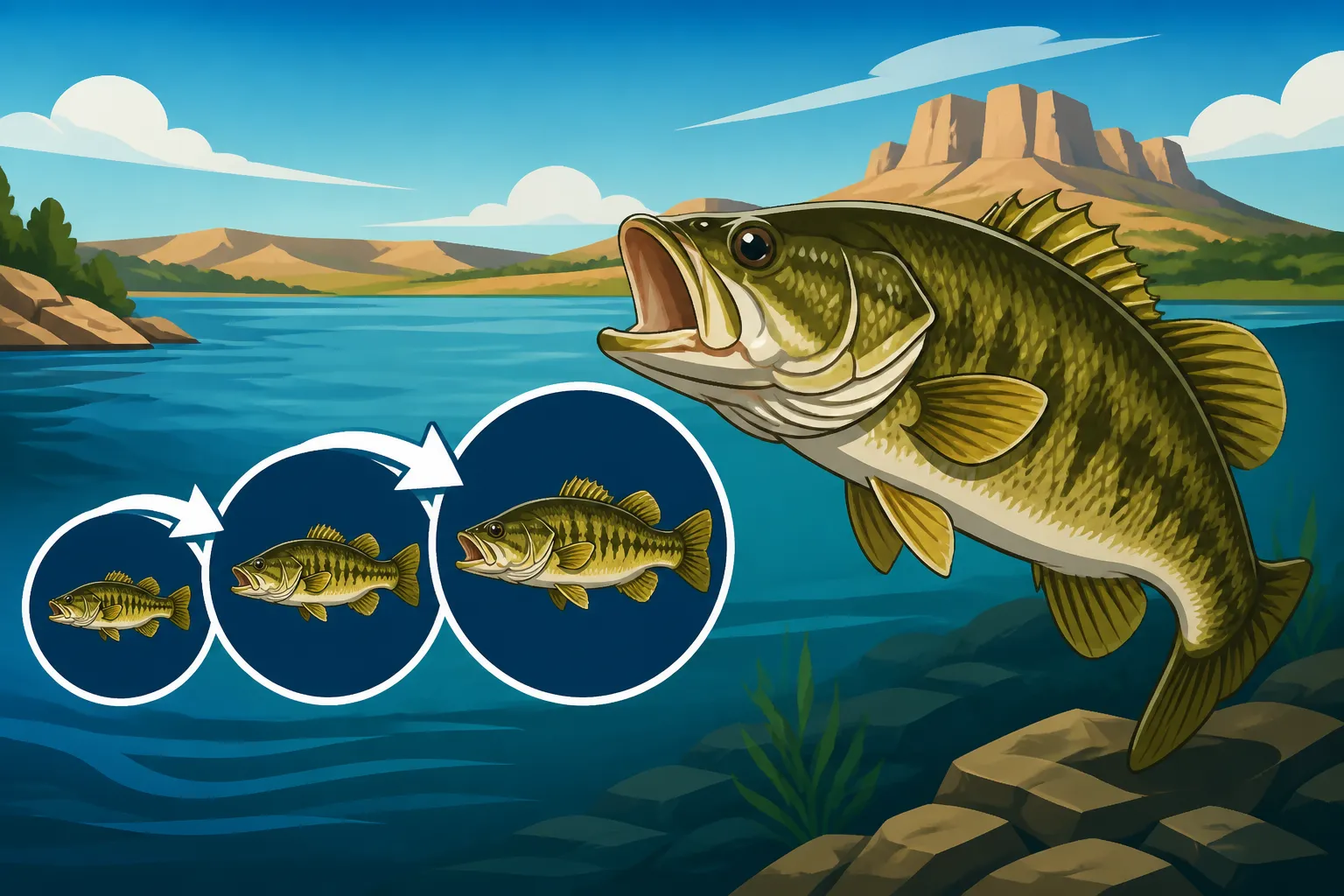
When we talk about smallmouth bass growth, biologists often look at age-to-size ratios, which essentially tell us how long a fish is at a certain age. In Lake Francis Case, smallmouth bass tend to grow relatively fast compared to many other regions. A typical one-year-old smallmouth might be around 6-8 inches, while by age two, they could be pushing 9-11 inches. By the time they reach three years old, they are often in the 12-14 inch range, becoming prime keepers in many regulations, though some anglers prefer to let them go even longer.
The real growth acceleration is often seen between ages four and six. A four-year-old smallmouth in Lake Francis Case could easily be 15-16 inches, and a five-year-old might be 17-18 inches, pushing into that coveted "trophy" class. Fish reaching 19-20 inches are usually five to seven years old, sometimes even older, depending on individual genetics and specific habitat use throughout their lives. These age-to-size estimates are averages, of course, and individual fish can always surprise you, growing faster or slower. The key takeaway is that Lake Francis Case provides the resources for consistent, above-average growth.
Factors Contributing to Trophy Potential
What truly sets Lake Francis Case apart in terms of trophy smallmouth potential? It boils down to a perfect storm of environmental factors. First, the abundant and diverse forage, particularly the ample crayfish and baitfish, provides a consistent, high-energy diet. This means bass are well-fed and can put energy into growth rather than just survival. Second, the vast amount of varied habitat – from rocky shorelines and submerged timber to deep humps and ledges – provides safety, numerous ambush points, and thermal refuge, reducing stress on the fish. A fish that isn't stressed grows better.
Third, favorable water quality and a generally healthy ecosystem mean lower disease rates and less competition from less desirable species. Finally, angler behavior also plays a role. Many dedicated smallmouth anglers on Lake Francis Case practice catch-and-release, especially for larger fish, allowing those trophy-sized genetics to remain in the population and continue to grow and spawn. This sustainable approach helps ensure that the lake continues to produce exceptional smallmouth for future generations. For those looking to target these bigger fish, checking out a South Dakota Smallmouth Bass Fishing Guide can provide excellent strategies.
Comparing Growth to Other South Dakota Lakes
It's natural to wonder how Lake Francis Case stacks up against other South Dakota fisheries. While many lakes, particularly some of the glacial lakes in eastern South Dakota, offer excellent fishing for various species, Lake Francis Case is a standout for smallmouth bass. Lakes like Pactola Reservoir in the Black Hills, for example, are renowned for trout fishing, and while they have smallmouth, the growth rates might differ due to distinct habitat and forage bases. Pactola Reservoir Fishing Guide highlights this difference.
The Missouri River reservoirs, including Lake Sharpe and Lake Oahe, also hold impressive smallmouth populations. Lake Oahe, being larger and deeper, can produce truly enormous smallmouth, but their growth rates might be slightly slower in the northern, colder reaches compared to the warmer waters of Francis Case further south. Lake Francis Case often hits a sweet spot: it's large enough to support a robust population and diverse forage, but warm enough to sustain a good growing season for bass. This balance often leads to a higher proportion of solid, healthy smallmouth, not just the occasional giant.
| Smallmouth Bass Growth Comparison (Estimated Averages) | Lake Francis Case | Other Productive SD Lakes | Less Productive SD Waters |
|---|---|---|---|
| Age 1 (inches) | 7-9 | 6-8 | 5-7 |
| Age 2 (inches) | 10-12 | 9-11 | 8-10 |
| Age 3 (inches) | 13-15 | 12-14 | 11-13 |
| Age 4 (inches) | 15-17 | 14-16 | 13-15 |
| Age 5+ (inches) | 17-20+ | 16-19+ | 15-18+ |
| Forage Quality/Abundance | Excellent | Good | Moderate |
| Habitat Diversity | High | Medium-High | Medium |
| Trophy Potential | High | Medium-High | Moderate |
Note: These are generalized estimates and can vary based on specific conditions in any given year or location.
Angler Impact and Conservation
While natural factors dictate much of a smallmouth bass's growth potential in Lake Francis Case, anglers also play a crucial role in maintaining and enhancing this fishery. Our actions on the water, from how we handle fish to how we adhere to regulations, directly influence the long-term health and growth rates of the bass population. It's a shared responsibility that ensures those impressive bronzebacks continue to thrive.
Catch-and-Release Practices
For many smallmouth bass enthusiasts, particularly those targeting larger fish, catch-and-release is a deeply ingrained practice. Releasing healthy, larger bass, especially the females that are key for reproduction, allows them to continue growing and contributing to the gene pool. When practicing catch-and-release, proper fish handling is paramount. Minimizing air exposure, using a rubberized net to protect their slime coat, and carefully removing hooks are essential. If a fish is hooked deep, consider cutting the line close to the hook rather than trying to rip it out. These small actions dramatically increase a released fish's survival rate and its chance to grow even bigger.
Consider investing in quality tools for catch-and-release, such as a specialized pair of pliers or de-hookers you can find on Amazon. These make it much easier to quickly and safely remove hooks, reducing stress on the fish. The more anglers embrace responsible catch-and-release, the more "old" and large smallmouth bass there will be in Lake Francis Case, continually proving the benefits of these practices through their impressive size.
Regulations and Their Role
South Dakota Game, Fish and Parks (GFP) implements specific regulations designed to manage fish populations and ensure sustainable fishing. For smallmouth bass, this often includes length limits and daily possession limits. These regulations aren't arbitrary; they are carefully crafted based on scientific data about fish growth rates, population health, and angler harvest. A slot limit, for example, might allow anglers to keep smaller fish and larger fish, but require the release of fish within a certain "slot" (e.g., 15-18 inches). This protects fish in their prime growing and reproductive years.
Even if you prefer catch-and-release, understanding and adhering to these South Dakota Fish Limits and Size Restrictions is vital. They ensure that enough fish survive to maturity and reproduce, maintaining a healthy population structure that can sustain rapid growth rates. Regulations are a tool for conservation, allowing everyone to enjoy the resource without depleting it. Staying informed about current rules, perhaps by reviewing the annual GFP fishing handbook, is an angler's responsibility. You can often find great resources for understanding these rules, including the South Dakota Fishing Regulations Explained, by searching online or through official state channels.
How Anglers Can Support Healthy Growth
Beyond direct fish handling, anglers can contribute to healthy smallmouth growth in other ways. Participating in or supporting habitat improvement projects, such as placing artificial structure or cleaning up shorelines, directly benefits the fish by improving their living conditions. Reducing the spread of aquatic invasive species by cleaning boats and gear after each outing helps protect the lake's delicate ecosystem and its food web. Invasive species can outcompete native forage or degrade habitat, negatively impacting bass growth.
Another important contribution is reporting any unusual observations, such as fish diseases or large die-offs, to the South Dakota GFP. This allows fisheries biologists to quickly investigate and address potential issues that could affect the health of the bass population. Essentially, being a conscientious steward of the environment helps ensure that Lake Francis Case remains a vibrant and productive fishery where smallmouth bass can continue to achieve impressive growth rates. Consider picking up a high-quality boat cleaning kit from Amazon to help prevent the spread of invasives.
Practical Tips for Targeting Larger Smallmouth
Now that we've explored what makes smallmouth bass grow so well in Lake Francis Case, let's talk about how to apply this knowledge to your fishing strategy. Targeting larger, more mature smallmouth requires a nuanced approach, often different from simply catching any bass that bites. It's about understanding their preferences, where they live, and how they behave at different times of the year.
Best Baits and Lures for Mature Bass
Larger smallmouth bass, having survived longer, are often more cautious and selective than their smaller counterparts. They've seen more lures and are sometimes less aggressive, preferring a more substantial meal for the energy expenditure. For Lake Francis Case, a consistent producer for bigger smallmouth is the humble tube jig, especially in natural colors mimicking crayfish or gobies (if present). Work these slowly along rocky bottoms, drop-offs, and around submerged structures. Another highly effective lure is a football jig tipped with a craw-style trailer; the bulk and action imitate a large crayfish perfectly.
Crankbaits that dive to the depths where smallmouth are holding, especially those with realistic baitfish patterns, can be deadly when retrieved with erratic pauses and jerks near structure. For open water and targeting suspended fish, especially during warmer months, hair jigs and swimbaits can entice those bigger bass. Topwater lures, particularly walking baits or poppers, can also draw explosive strikes from trophy smallmouth during low-light conditions or when they're actively feeding on the surface in the spring and fall. Make sure your tackle box is stocked with a variety of these baits; you can find an excellent selection of bass lures on Amazon.
Locating Prime Habitat for Bigger Fish
Knowing where to fish is often more important than what to fish with. In Lake Francis Case, larger smallmouth bass are almost universally associated with specific types of structure and cover. Look for hard-bottomed areas: rocky points, riprap shorelines, submerged humps, ledges, and offshore rock piles are all prime real estate. These areas offer both ambush points for feeding and protection from currents and predators. Often, the biggest bass will position themselves on the "down-current" side of structure or where currents create eddies, allowing them to conserve energy while waiting for food.
Pay close attention to transitions—where rock meets sand, or where a deep flat drops off into a channel. These "edges" are natural travel lanes and feeding zones. A good fish finder is invaluable for identifying these subtle underwater contours and structures. Don't overlook submerged timber or brush piles, especially during certain times of the year. During spawning season, focus on rocky flats and protected coves. Later in the summer, deeper rock piles and main lake points where baitfish congregate are excellent choices. Smallmouth Bass Fishing Techniques for Rocky Shorelines goes into more detail on how to effectively fish these structures.
Adjusting Techniques by Season
The behaviors of large smallmouth bass change dramatically with the seasons in Lake Francis Case, requiring anglers to adapt their techniques.
- Spring: As water temperatures rise, smallmouth move shallower to feed and spawn. They'll be found on rocky flats and points. Slow-rolling spinnerbaits, jerkbaits, and tube jigs can be incredibly effective. Pay attention to water clarity and adjust lure colors accordingly.
- Summer: During the heat of summer, bigger smallmouth often retreat to deeper, cooler waters, concentrating on offshore humps, deep ledges, and main lake points. Vertical jigging with tubes, drop-shot rigs, or deep-diving crankbaits are excellent choices. Early morning and late evening can bring them shallower to feed.
- Fall: This is another fantastic time for trophy smallmouth. As water temperatures drop, bass become incredibly aggressive, gorging themselves in preparation for winter. They can be found in a variety of depths, from shallow feeding flats to deeper points. Crankbaits, jerkbaits, and swimbaits covering water quickly can be very productive.
- Winter (Ice Fishing): While challenging, ice fishing for smallmouth on Lake Francis Case is possible in certain areas. Look for deep humps and rocky breaks. Vertical jigging with small spoons or blade baits, tipped with a minnow head, can coax bites from sluggish winter bass.
Understanding South Dakota Fishing Seasons Explained can help you plan your trips to maximize your chances of encountering those robust Lake Francis Case smallmouth. By understanding the growth factors and adapting your angling approach, you're well on your way to a more successful and rewarding smallmouth bass fishing experience on this incredible South Dakota reservoir.
Disclaimer
This article is for general informational purposes only and does not constitute professional advice. Laws, prices and regulations vary by location and change over time. Consult a qualified professional for guidance on your specific situation.