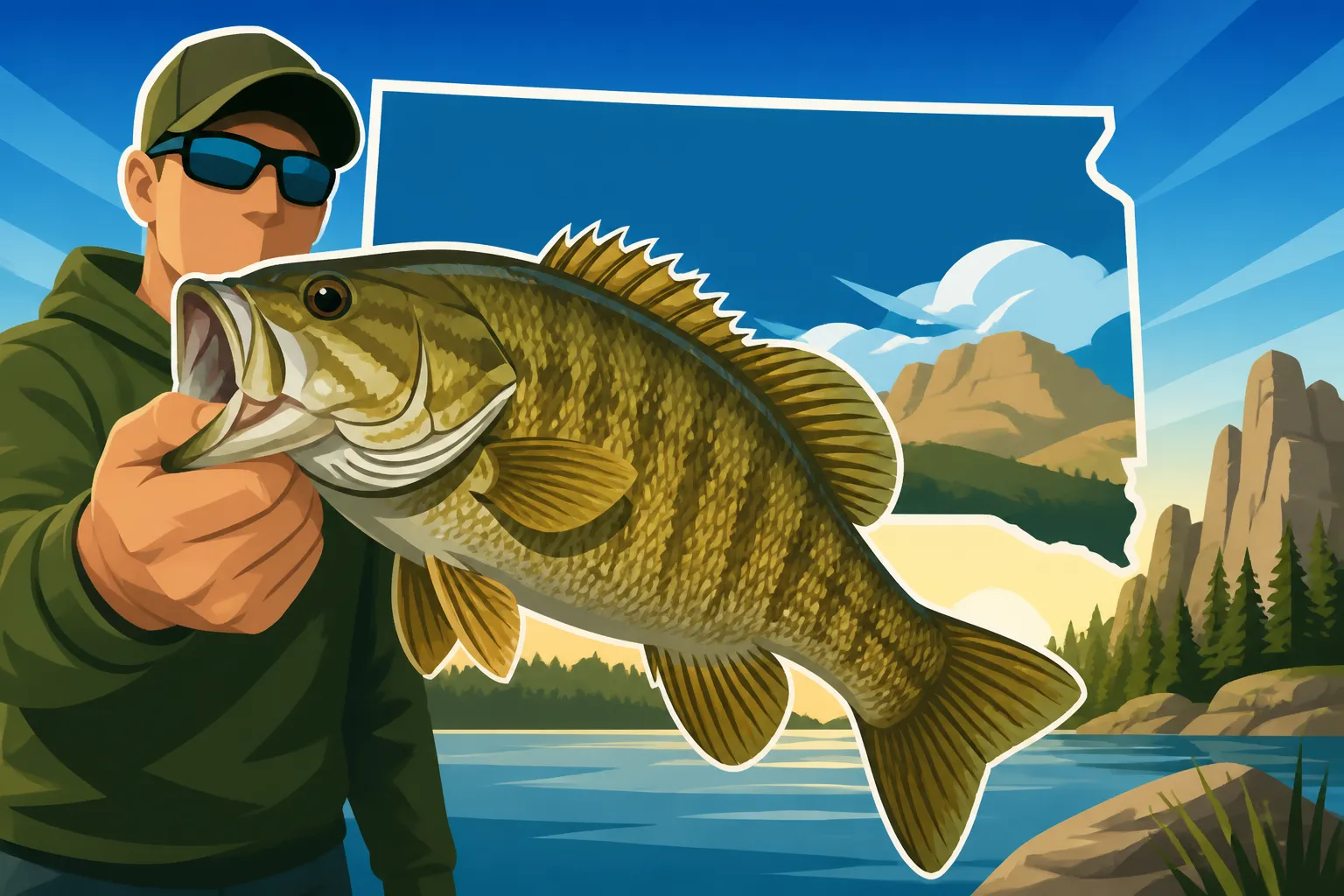
South Dakota Smallmouth Bass Record Sizes
There’s a unique thrill that comes with chasing smallmouth bass in South Dakota, isn't there? That moment when a bronzeback explodes on your topwater or rips line off your reel, it's pure adrenaline. But for many, the ultimate dream is to land a true trophy, one that might even challenge the state records. This comprehensive guide will pull back the curtain on what makes a smallmouth a record contender, where these giants lurk, and the dedicated steps you can take to pursue that unforgettable catch.
The Allure of South Dakota Smallmouth Bass
Smallmouth bass are truly special fish, known for their incredible fighting spirit and the beautiful, wild places they call home. In South Dakota, our waters offer some exceptional opportunities to tangle with these aggressive, hard-fighting beauties. It's not just about the size, though that's certainly part of the appeal; it's the experience of outwitting a cunning predator that makes every catch a memorable one.
Why Smallmouth Bass Are a Favorite
Ask any angler who’s spent time chasing them, and they’ll tell you: smallmouth bass are relentless. Unlike some other species that might simply pull hard, a smallmouth often brings an acrobatic display to the fight, leaping clear of the water, shaking its head violently, and making powerful, unexpected runs. This aggressive nature and aerial artistry make them an incredibly exciting target for both seasoned anglers and newcomers alike. They thrive on challenging retrieves and dynamic presentations, demanding a certain level of skill and precision that many find deeply rewarding. Plus, there’s a certain satisfaction in catching a fish that puts up such a valiant struggle, even if it’s not a record-breaker. They're just plain fun to catch!
South Dakota's Prime Smallmouth Habitats
While South Dakota is widely celebrated for its walleye fisheries, the state also boasts some phenomenal smallmouth bass waters, particularly within the vast Missouri River reservoirs. Lakes like Oahe, Sharpe, Francis Case, and Lewis and Clark offer expansive, diverse habitats that smallmouth absolutely adore. These waters feature rocky shorelines, submerged humps, deep main lake points, and clear, cool water – all key ingredients for a thriving smallmouth population. Beyond the Missouri River system, you’ll find pockets of excellent smallmouth fishing in various glacial lakes and even some of the larger impoundments within the picturesque Black Hills. These diverse environments mean that whether you prefer casting along riprap, exploring deep structure, or targeting specific underwater features, South Dakota has a smallmouth spot waiting for you.
Understanding South Dakota's Record Fish Program
Every state has a system to recognize truly exceptional catches, and South Dakota is no different. For anglers dreaming of landing a fish that stands apart from the rest, understanding this program is the first step. It's not just about catching a massive fish; it's about properly documenting and verifying that catch to secure its place in the record books. The prestige of holding a state record is immense, a testament to an angler's skill, patience, and often, a little bit of good fortune.
What Qualifies as a State Record
In South Dakota, a fish typically qualifies as a state record based on two primary criteria: weight and, in some cases, length. For smallmouth bass, the focus is generally on weight, seeking the heaviest fish ever caught in the state. To be considered for a state record, the fish must be legally caught by rod and reel and by a licensed angler (unless exempt). The process is stringent and designed to ensure accuracy and fairness. This usually involves having the fish weighed on a certified scale, often at a commercial establishment like a grocery store or bait shop, with official witnesses present. Additionally, photographic evidence and sometimes specific measurements (like length and girth) are required to further substantiate the catch. It’s a thorough process, but it’s what gives the record its integrity. For more details on overall fishing regulations, you might want to check out South Dakota Fishing Regulations Explained.
The Current Smallmouth Bass Record Holder
South Dakota's smallmouth bass record stands as a testament to the incredible potential of our waters. The current record fish is a truly impressive specimen, a robust bronzeback that weighed in at a substantial figure. It’s a fish that exemplifies the optimal growth conditions and abundant forage available in our best smallmouth fisheries. While the exact details like date and specific weight can be found on the official state wildlife agency website, the story behind such a catch is always one of dedication. The angler who landed it likely spent countless hours honing their skills, studying patterns, and exploring prime locations. This record serves as both an inspiration and a benchmark for anyone hoping to land their own giant smallmouth. It proves that there are truly massive fish swimming in South Dakota's lakes and reservoirs, just waiting for the right moment and the right angler.
The Journey to a Record Fish
Catching a record-breaking smallmouth bass is rarely a fluke; it's often the culmination of years of experience, meticulous planning, and a deep understanding of the species. Anglers who chase these giants often spend considerable time researching South Dakota smallmouth bass growth rates on Lake Oahe and other fisheries, looking for patterns and prime habitats. They understand that locating and enticing these older, larger fish requires a different approach than simply catching numbers of smaller ones. It involves precision casting, understanding subtle bites, and the ability to fight a powerful fish on appropriate tackle without losing it. Beyond the technical skills, there's an element of luck, of course – being in the right place at the right time, when a truly exceptional fish decides to bite. But even "luck" is often the result of putting yourself in high-percentage situations repeatedly. The journey itself, the pursuit, is often as rewarding as the catch.
Where Trophy Smallmouth Bass Thrive in South Dakota
South Dakota might not always be the first place people think of for trophy smallmouth bass, but those in the know understand that our waters hold some absolute monsters. These aren't just random occurrences; the state offers specific environments that provide the perfect recipe for smallmouth to grow to impressive sizes. Understanding these hotspots and what makes them tick is crucial for any angler with dreams of a record. For a broader look at prime fishing spots, consult our Best Fishing Spots in South Dakota guide.
The Mighty Missouri River Reservoirs
When it comes to big smallmouth, the Missouri River reservoirs are the undisputed champions in South Dakota. These vast, expansive bodies of water – particularly Lake Sharpe, Lake Francis Case, and Lewis and Clark Lake – offer an incredible diversity of habitat that smallmouth crave. They're essentially giant river systems impounded by dams, creating endless miles of rocky shorelines, steep drop-offs, submerged timber, and deep structure. These areas provide both ample cover from predators and rich forage bases, allowing smallmouth to grow large and robust.
Consider Lake Francis Case Smallmouth Bass Fishing; this reservoir is renowned for its vibrant smallmouth population. Anglers often find success targeting rocky points, riprap along the causeways, and areas with submerged rock piles. Similarly, Lake Sharpe Smallmouth Bass Near Big Bend Dam offers fantastic opportunities, especially in areas with current and plenty of rock formations. The tailwater below the dam, where current is strong, can concentrate baitfish and, consequently, large smallmouth. And further downstream, Lewis and Clark Lake Smallmouth Bass Fishing Report often highlights the exceptional potential for trophy fish, particularly around the bluffs and rocky stretches near the dam. These reservoirs are veritable factories for big smallmouth because they provide consistent, high-quality forage like shad and various minnow species, combined with stable, deep-water refuges.
Lesser-Known Hotspots and Their Potential
While the Missouri River reservoirs get most of the attention for their trophy smallmouth, South Dakota has other, often overlooked, waters with significant potential. Some of the larger glacial lakes in the eastern part of the state, with their clearer waters and rocky sections, can also hold surprisingly large smallmouth. These lakes might not have the sheer volume of fish found in the reservoirs, but the fish that reside there can often grow to impressive sizes due to less fishing pressure and ample food.
Even within the Black Hills, some of the larger impoundments or clearer stream sections can harbor respectable smallmouth populations. These might not produce state-record contenders as frequently as the Missouri, but they offer a different kind of challenge and the possibility of a truly memorable catch in a stunning natural setting. Exploring these lesser-known spots requires more reconnaissance and a willingness to try new waters, but the rewards can be substantial for those seeking solitude and a unique angling experience. Always remember to check South Dakota Fish Limits and Size Restrictions for specific regulations on any waterbody you plan to fish.
Habitat Preferences for Big Smallmouth
Big smallmouth bass aren't found just anywhere; they have very specific habitat preferences that cater to their predatory instincts and need for cover. They are creatures of structure, often associating with hard bottom areas like rock piles, boulders, gravel flats, and riprap. These areas provide excellent ambush points for feeding on crawfish, minnows, and other baitfish.
Large smallmouth also prefer clear water, which aids their sight-hunting abilities. They will often hold in slightly deeper water, especially during bright sunny days or in the warmer months, moving shallower during low light conditions or to feed. Drop-offs, ledges, and transition zones where rock meets mud or sand are also prime locations, as these spots offer access to both shallow feeding grounds and deep-water safety. Submerged timber or brush can also attract baitfish and provide excellent cover, making them magnets for hungry smallmouth. Understanding these preferences helps anglers narrow down vast stretches of water and focus on high-percentage areas where a trophy might be lurking.
Strategies for Targeting Record Smallmouth Bass
Landing a state-record smallmouth bass isn't a matter of luck alone; it's the result of strategic planning, precise execution, and a deep understanding of smallmouth behavior. These fish are intelligent predators, and targeting the largest among them requires a sophisticated approach to tackle, technique, and timing. It's about putting yourself in the best possible position to encounter and successfully land that fish of a lifetime.
Top Techniques and Lures
Smallmouth bass are opportunistic feeders, but when you're targeting truly large fish, specific presentations tend to shine. Crankbaits, especially those designed to dive to specific depths and mimic baitfish like shad or perch, are incredibly effective. Look for models with realistic finishes and a strong wobbling action. Jerkbaits, particularly during cooler water periods in spring and fall, can trigger aggressive strikes when worked with an erratic stop-and-go retrieve. The sudden pause often proves irresistible to a lurking smallmouth.
Jigs, paired with soft plastic trailers like crawfish imitations or paddle-tail swimbaits, are phenomenal for probing rocky bottoms and submerged structure. Slowly dragging or hopping a jig along a deep ledge can entice even the most wary fish. And speaking of soft plastics, tubes, grubs, and finesse worms worked on a drop shot or Texas rig are deadly, especially in clear water or when fish are pressured. When selecting lures, consider checking out retailers like Amazon for a wide variety of brands and colors, ensuring you have options for different water conditions. For more in-depth strategies, our guide on Smallmouth Bass Fishing Techniques for Rocky Shorelines offers excellent advice specific to critical smallmouth habitat.
Timing Your Hunt for a Trophy
Understanding the seasonal patterns of smallmouth bass is paramount when chasing a record. The pre-spawn period in late spring, when water temperatures begin to rise and smallmouth move shallower to feed heavily before spawning, is often considered one of the best times for big fish. They are aggressive and focused on gorging themselves, making them more susceptible to well-presented lures.
After the spawn, during the post-spawn phase, smallmouth can be a bit lethargic but will eventually resume feeding aggressively as they recover. Summer fishing often means targeting deeper water structures during the day, using electronics to locate them, and then fishing shallower during low-light hours. Fall brings another prime window, as smallmouth again feed heavily, preparing for winter. They will often congregate in predictable areas, making them easier to locate. Knowing these windows, and adjusting your approach accordingly, significantly increases your odds. You can learn more about general seasonal patterns in Best Time of Year to Fish in South Dakota.
Patience, Persistence, and Presentation
Beyond the right gear and knowledge of patterns, catching trophy smallmouth demands a trifecta of intangible qualities: patience, persistence, and impeccable presentation. You might spend hours making hundreds of casts without a single bite, but the patient angler knows that the next cast could be the one. Persistence means continuing to work high-percentage areas, trying different lures or retrieve speeds until you crack the code.
Presentation is critical. Big smallmouth are often older and wiser, having seen countless lures pass by. Your cast needs to be accurate, landing softly in the strike zone without spooking the fish. Your retrieve needs to be natural, mimicking wounded baitfish or crawfish trying to escape. Understanding how to "read" the water – observing currents, identifying submerged structure from your electronics, and anticipating where a big fish might be holding – separates the casual angler from the trophy hunter. It’s a chess match between you and the fish, and every move counts.
Measuring, Documenting, and Releasing a Potential Record
You've done it! You've hooked, fought, and landed what feels like the smallmouth of a lifetime. The adrenaline is coursing, and your hands might even be shaking. But the job isn't over. To transform that incredible catch into a potential state record, meticulous steps for measurement, documentation, and proper release are absolutely crucial. This phase is just as important as the fishing itself.
Essential Gear for Verification
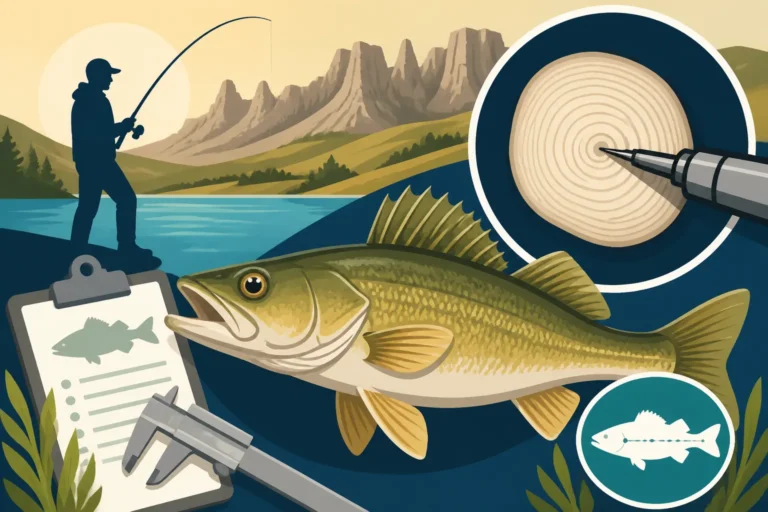
To properly document a potential record smallmouth, you need to be prepared. First and foremost, a certified scale is non-negotiable. This is typically a scale approved for commercial use, regularly calibrated for accuracy. Many tackle shops, grocery stores, or meat markets have these, but it's wise to locate one before your trip. Having a measuring board (not just a tape measure) is also critical for accurate length measurements, as it allows for a precise "nose to tail" reading. Good quality camera equipment is also a must – clear photos from multiple angles, showing the entire fish, the measuring board, and the scale reading, are vital. You can find highly-rated, durable measuring boards and digital scales that are perfect for verifying large catches from online retailers like Amazon, ensuring you have reliable tools at hand when that moment arrives.
The Verification Process
Once you've landed your potential record, the clock starts ticking, especially if you plan to release the fish alive. The immediate steps are to weigh the fish on a certified scale, document its length, and take multiple clear photographs. You'll need witnesses present during the weighing and measuring process.
Next, contact the South Dakota Game, Fish and Parks (GFP) immediately. They will guide you through the official protocol, which often includes completing specific paperwork, providing witness statements, and submitting all photographic and measurement evidence. They may also require a specific GFP official to verify the species and measurements. Speed and accuracy are key to ensuring the fish retains its weight and is properly identified. This process ensures the integrity of the state's record books and gives due recognition to truly exceptional catches. This process is part of the broader South Dakota Trophy Fish Award Program that recognizes outstanding catches.
The Importance of Catch and Release
While the temptation to keep a potential record smallmouth for taxidermy is strong, responsible anglers increasingly advocate for catch and release, especially for these large, mature fish. Trophy smallmouth are often older, slower-growing individuals that are crucial for the genetic health of the fishery. Releasing them allows them to potentially spawn again, passing on their superior genes, and offering another angler the thrill of catching a truly massive fish.
To ensure a successful release, minimize the fish's time out of water. Have all your documentation gear ready before you even net the fish. Handle the fish gently, supporting its body weight, especially its belly, to avoid internal organ damage. If possible, keep the fish in the water while taking measurements and photos. When releasing, hold the fish upright in the water, allowing it to regain its strength before letting it swim away on its own. Seeing a magnificent smallmouth swim away, knowing it can contribute to future generations of trophy fish, is arguably more rewarding than any mounted trophy.
Preserving South Dakota's Smallmouth Bass Fishery
As anglers, we all share a responsibility to protect the incredible resources that provide us with so much joy. The pursuit of trophy smallmouth bass, or any fish for that matter, should always be balanced with a commitment to conservation and responsible practices. Ensuring the health and vitality of South Dakota's smallmouth populations means thinking beyond our immediate catch and considering the long-term impact of our actions.
Understanding Regulations and Limits
A fundamental aspect of responsible angling is thoroughly understanding and adhering to all state fishing regulations. These rules, set by the South Dakota Game, Fish and Parks (GFP), are designed to manage fish populations sustainably, ensuring healthy fisheries for future generations. This includes specific bag and possession limits, which dictate how many fish you can keep and how many you can have in your possession. For smallmouth bass, there might also be size restrictions, such as minimum length limits, to protect juvenile fish, or slot limits, which protect prime breeding-size fish. Regularly reviewing the current South Dakota Fish Limits and Size Restrictions and the comprehensive South Dakota Fishing Regulations Explained is essential before every trip, as rules can sometimes change. Compliance isn't just about avoiding penalties; it's about being a steward of the environment.
Promoting Healthy Habitats
Fish populations thrive when their habitats are healthy. For smallmouth bass, this means clean, clear water, intact rocky shorelines, and diverse underwater structures like submerged timber and ledges. As anglers, we can actively contribute to habitat preservation. This includes participating in or supporting local conservation efforts, like shoreline cleanups or habitat restoration projects. Even simple actions like properly disposing of all trash, never leaving fishing line or tackle behind, and avoiding the introduction of invasive species by cleaning your boat and gear thoroughly between waterbodies, make a significant difference. Healthy habitats lead to healthy fish, and healthy fish mean better fishing for everyone.
Responsible Angling Practices
Beyond legal compliance and habitat protection, there are broader ethical considerations that define responsible angling. This includes practicing proper catch and release techniques for fish you don't intend to keep, especially for large, spawning-size smallmouth. Minimizing stress on the fish by using appropriate tackle, handling them gently, and releasing them quickly helps ensure their survival. Being mindful of other anglers on the water, respecting private property rights, and using common courtesy at boat ramps and access points also contributes to a positive fishing culture. By embracing these practices, we ensure that the pursuit of smallmouth bass in South Dakota remains a rewarding and sustainable passion for all who love the water.
Disclaimer
This article is for general informational purposes only and does not constitute professional advice. Laws, prices and regulations vary by location and change over time. Consult a qualified professional for guidance on your specific situation.