South Dakota Walleye Size and Age Chart
Have you ever reeled in a beautiful South Dakota walleye and found yourself wondering, "How old is this fish?" or "Is this a good size for its age?" It's a common thought for many anglers, and the truth is, walleye growth isn't a one-size-fits-all equation. This guide will dive deep into what influences the size and age of walleye in our abundant waters, helping you understand the fascinating biology behind your catch.
Understanding Walleye Growth in South Dakota
South Dakota is renowned for its incredible walleye fishing, but the journey from a tiny fry to a trophy-sized fish is complex and influenced by a myriad of factors. It’s not just about how long they’ve been swimming; it’s about where they’ve been swimming and what resources were available to them. Understanding these growth patterns is key to appreciating the health of our fisheries and becoming a more informed angler.
Average Growth Rates in Different Water Bodies
Walleye growth rates can vary dramatically across South Dakota's diverse aquatic environments. Think about the massive, sprawling Missouri River reservoirs like Lake Oahe or Lake Sharpe compared to the shallower, nutrient-rich glacial lakes in the eastern part of the state, or even the cooler, more stable conditions found in some Black Hills impoundments. Each of these unique ecosystems presents different opportunities and challenges for walleye.
In the large Missouri River system, walleye often experience robust growth, especially in their early years, thanks to abundant forage fish like gizzard shad or rainbow smelt. A walleye in Lake Oahe, for instance, might grow quite quickly in its first few years, sometimes reaching keeper size within three to four years. Contrast that with a walleye in a smaller, cooler glacial lake where the metabolism might be slower, or the food source less abundant, leading to slightly slower growth. Anglers often discuss how the forage base in certain reservoirs impacts South Dakota Walleye Growth Rates on Lake Oahe specifically, observing how a boom in one baitfish species can lead to a period of exceptional walleye growth.
The Lifespan of a South Dakota Walleye
While every walleye’s life is unique, they generally have a respectable lifespan, often living for many years. In South Dakota, it's not uncommon for walleye to live into their early to mid-teens, and sometimes even longer, especially in larger, more stable systems where they face fewer environmental stresses. A walleye that reaches 20 inches, a highly sought-after length for many anglers, could easily be 5 to 8 years old, though this can vary. Knowing the average age of a fish helps us understand the population dynamics at play. For example, understanding Average Age of a 20-Inch Walleye can give you an idea of how many seasons that particular fish has navigated the challenges of its underwater world, growing steadily until it found your lure.
Factors Influencing Walleye Size and Age
It's fascinating to consider that the same species of fish can exhibit such different growth profiles across a relatively small geographic area like South Dakota. This isn't random; it's a direct result of several critical environmental and ecological factors, many of which are continuously monitored by wildlife biologists.
Forage Base and Food Availability
Perhaps the single most significant factor in how quickly a walleye grows and how large it becomes is the availability of food. A walleye is a predator, and like any predator, it needs a consistent and nutritious diet to thrive. In South Dakota, the primary forage species can vary greatly from one body of water to another.
On the Missouri River reservoirs, for example, gizzard shad, emerald shiners, and smelt are often the backbone of the walleye diet. When these baitfish populations are robust, walleye can grow at an accelerated pace. Conversely, if a baitfish population experiences a downturn, walleye growth can slow, and they may not reach the larger sizes as quickly. Think about a tough winter that impacts baitfish numbers, or an exceptionally dry year that reduces overall productivity. These environmental shifts directly impact the walleye's ability to bulk up. Learning What Walleye Eat in Summer can give you clues about where to target them, but also helps explain their condition. Anglers who track fishing reports often notice that the "fattest" walleye come from waters with a seemingly endless buffet of small fish. You can even find field guides on Amazon that help identify local forage species, which is incredibly useful for matching your lures to the natural diet.
Water Temperature and Habitat Quality
Water temperature plays a crucial role in a walleye's metabolism. Walleye are cool-water fish, and they thrive within a specific temperature range. When water temperatures are ideal, their metabolic rates are higher, allowing them to digest food more efficiently and grow faster. Too cold, and they become lethargic; too warm, and they can become stressed, reducing their feeding activity and growth. This is why timing your fishing trips with optimal Water Temperature That Triggers Walleye Spawning can be so effective – it’s a period of high activity.
Beyond temperature, the overall quality of the habitat is paramount. Walleye need clean, well-oxygenated water, suitable spawning areas (often rocky shoals or gravel beds), and structures for cover and ambush points. Lakes and rivers with diverse habitats – from deep main channels to shallow flats, submerged timber, and weed lines – generally support healthier and more diverse walleye populations. Poor habitat quality, whether due to pollution, excessive sedimentation, or lack of proper structure, can stunt growth and reduce overall population health.
Fishing Pressure and Harvest Regulations
Human activity, specifically fishing pressure, also plays a significant role in the average size and age of walleye in a given body of water. Highly accessible and popular lakes can experience greater harvest rates. While fishing is a beloved pastime, unchecked harvest can lead to a population dominated by smaller, younger fish as the larger, older individuals are removed.
This is where thoughtful regulations, like South Dakota Walleye Limits and South Dakota Fishing Regulations Explained, come into play. Slot limits, for instance, are designed to protect certain size classes of fish, often allowing smaller fish to grow and larger, trophy-potential fish to remain in the water as breeding stock. By adhering to these regulations, anglers actively contribute to the sustainability and quality of the fishery. Catch-and-release practices for larger fish, especially those exceeding slot limits, further ensure that these valuable genetics remain in the population. It's a collaborative effort between anglers and wildlife management to keep those big fish stories coming for generations.
How Biologists Determine Walleye Age
Have you ever wondered how fisheries biologists figure out how old a fish is without asking it for ID? It’s not magic, but rather a science rooted in observing the subtle growth patterns laid down over a fish's lifetime. This critical data helps agencies like the South Dakota Game, Fish and Parks (GFP) manage fish populations effectively, ensuring sustainable fishing for everyone.
Scale Samples and Otoliths
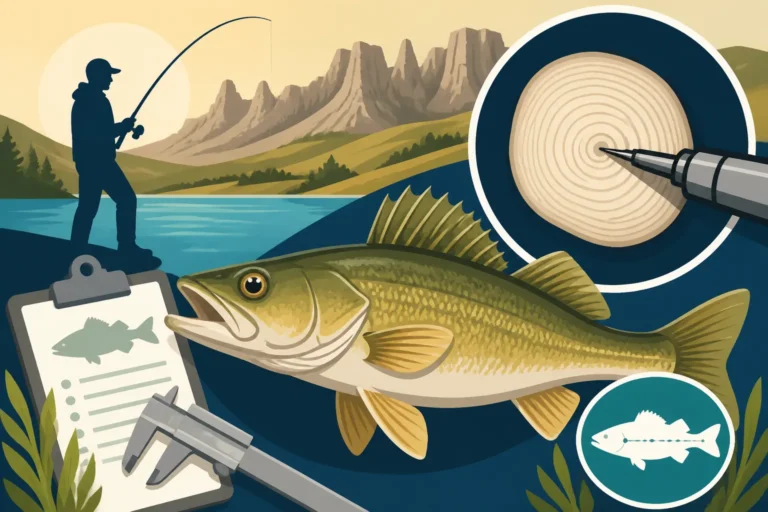
The most common and least invasive method for aging walleye is by examining their scales. Just like tree rings, fish scales grow in concentric circles, laying down distinct rings called "annuli" each year. These rings are visible under a microscope, and a trained biologist can count them to determine the fish's age. It's a relatively quick process and involves simply taking a few scales from the fish, often without harming it significantly if it's going to be released. This method allows for large-scale data collection, crucial for understanding population health across many lakes and rivers. Many seasoned anglers are familiar with the concept, and you can even find magnifying kits on Amazon if you're curious to try and spot growth rings on a scale from your catch (though interpretation requires expertise!).
For more precise aging, especially with older fish where scale rings can become harder to read, biologists turn to otoliths. Otoliths, often called "ear stones," are small, hard structures found in the fish's inner ear. These calcified structures also lay down growth rings, much like scales, but they do so more consistently and are less affected by environmental fluctuations or scale regeneration. The downside is that removing otoliths requires sacrificing the fish, which means this method is typically reserved for fish taken during scientific surveys or those that are part of a harvest. The accuracy provided by otoliths, however, is invaluable for confirming age data and understanding maximum lifespan in specific water bodies, such as in studies on How Biologists Track Walleye Growth on Lake Oahe.
Reading the Growth Rings
Reading these growth rings, whether on scales or otoliths, is a specialized skill. Biologists look for clear, distinct bands that mark a full year of growth, often correlating to periods of warmer water and active feeding in spring and summer, followed by slower growth in winter. The spacing between these rings can also tell a story about the fish's life—wider rings indicate periods of rapid growth (good food, favorable conditions), while narrower rings might suggest leaner times or environmental stress.
Imagine a walleye that lived through a year with a massive shiner hatch; its scale might show a particularly wide growth ring for that year. Conversely, a severe drought year with low water levels and limited forage might result in a very tight, narrow ring. This detailed information allows biologists to not only determine age but also to reconstruct the growth history of individual fish, providing critical insights into the productivity of a fishery over time.
Interpreting a Walleye Size and Age Chart
When you look at a South Dakota walleye size and age chart, it’s important to remember that it's a guide, not a rigid rule. These charts are typically compiled from years of biological data collected from various water bodies, offering a snapshot of average growth. Your particular walleye might be a little ahead or behind the curve, and that’s perfectly normal!
Typical Length-at-Age Comparisons
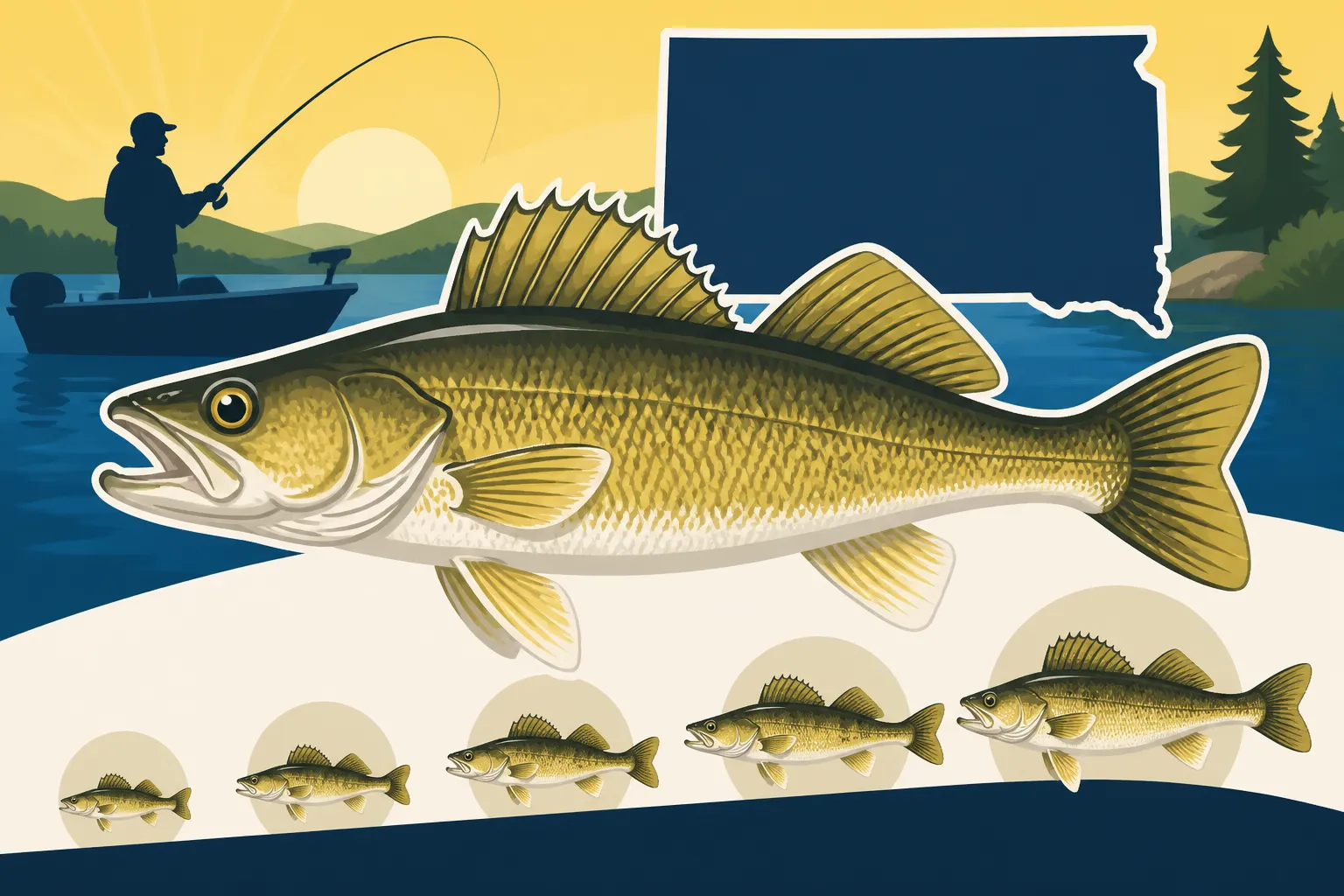
A walleye length-at-age chart usually presents an average length (often in inches) corresponding to each year of a walleye's life. For instance, it might show that a typical walleye in a specific South Dakota lake is around 8-10 inches at age 1, 13-15 inches at age 2, and perhaps 20-22 inches at age 5 or 6. These numbers are invaluable for fisheries managers to assess the health and growth potential of a walleye population.
For anglers, these charts help put your catch into perspective. If you catch a 15-inch walleye, you could reference the chart to estimate it's likely around 2-3 years old, depending on the water body. If you catch a much larger fish, say a 25-inch walleye, the chart might suggest it's closer to 8-10 years old, making it a truly mature specimen. These estimations contribute to the excitement of fishing, adding a layer of biological understanding to your experience. Remember, these are averages, and specific environmental conditions of a particular year can lead to faster or slower growth for entire year classes of fish.
Weight-at-Age Considerations
While length-at-age charts are common, sometimes you’ll also see weight-at-age data. This is equally important because two walleye of the exact same length might have different weights, indicating varying levels of condition or "plumpness." A heavier fish for its length suggests it has had abundant food resources and is in excellent health. A lighter fish might indicate tougher feeding conditions or perhaps it's just finished spawning.
Weight-at-age data helps biologists understand the overall "condition factor" of a fish population. A population where fish are consistently heavy for their length is often a sign of a healthy ecosystem with a strong forage base. Conversely, if walleye are consistently underweight, it could signal issues with food availability or overcrowding. As an angler, observing the condition of the fish you catch (beyond just length) gives you a deeper appreciation for the fish's well-being and the health of the fishery. Many anglers use a simple tape measure and a reliable portable scale, easily found on Amazon, to track these metrics for their own records, adding to their personal fishing journal.
Here's a generalized example of what a walleye size and age chart might look like for a productive South Dakota fishery. Keep in mind actual numbers vary greatly by specific lake and year!
| Age (Years) | Average Length (Inches) | Typical Weight Range (Pounds) | Notes |
|---|---|---|---|
| 1 | 8 – 10 | 0.2 – 0.5 | Rapid growth year, focused on survival |
| 2 | 13 – 15 | 0.8 – 1.2 | Often reach keeper size in many systems |
| 3 | 16 – 18 | 1.5 – 2.5 | Good fighting size, strong growth |
| 4 | 19 – 21 | 2.5 – 3.5 | Approaching "trophy" status for many anglers |
| 5 | 21 – 23 | 3.5 – 5.0 | Mature, actively spawning fish |
| 6 | 23 – 25 | 4.5 – 6.5 | Prime trophy size, excellent breeding potential |
| 7+ | 25+ | 6.0 – 10.0+ | Large, older fish; growth rate may slow, focus on maintaining condition |
Note: This chart provides generalized averages for illustrative purposes. Actual walleye growth in South Dakota can differ significantly based on specific water bodies, forage availability, water temperatures, and population density.
Regional Variations in Walleye Growth
South Dakota is blessed with a diverse array of fishing environments, and this diversity profoundly impacts how walleye grow. What might be considered a fast-growing fish in one region could be average in another. It's crucial for anglers to appreciate these differences when they’re out on the water, whether on the vast reservoirs or smaller, more intimate lakes.
Missouri River Reservoirs vs. Glacial Lakes
The Missouri River reservoirs—Lake Oahe, Lake Sharpe, Lake Francis Case, and Lewis and Clark Lake—are often lauded for their incredible walleye fisheries, and for good reason. These massive bodies of water are typically very productive, supporting huge populations of baitfish. In these environments, walleye often exhibit faster growth rates in their early years due to the sheer abundance of food. The fish tend to put on length and weight quickly, maturing at a respectable pace. It's not uncommon to find several year-classes of fast-growing walleye coexisting here. This consistent, strong growth is a hallmark of the Missouri River system and one reason it draws anglers from all over.
In contrast, the Glacial Lakes region in eastern South Dakota, while still fantastic for walleye, presents a different growth dynamic. Lakes like Lake Kampeska, Lake Poinsett, or Bitter Lake, while smaller, can be incredibly rich in nutrients and forage. However, factors like winterkill events, shallower depths, or different species compositions can lead to varied growth rates. Some glacial lakes might produce extremely large, older walleye that have grown slowly but steadily over many years, while others might have populations of smaller, but very abundant, fish. The specific conditions of each glacial lake can almost give it its own "personality" when it comes to walleye growth.
Black Hills Waters and Specific Lake Data
When we talk about walleye, the Black Hills might not be the first place that comes to mind, as it's more famous for its trout streams. However, some impoundments in and around the Black Hills, like Belle Fourche Reservoir, do hold walleye. The growth rates in these waters can be quite distinct from the larger systems. Water temperatures are generally cooler, and the forage base might be different.
Belle Fourche Reservoir, for example, is known for its unique walleye management, including specific slot limits. Walleye in such environments may experience slower growth overall but can still reach impressive sizes given enough time. The unique ecology of these waters often means that state fisheries biologists pay close attention to individual growth patterns and tailor regulations to best support these populations, such as the Belle Fourche Reservoir Special Walleye Rules which are designed to balance harvest and encourage trophy growth. For specific data on individual lakes, consulting the South Dakota GFP's annual fishing reports or publications can provide the most localized insights into what to expect from your catch.
Angler's Role in Sustainable Walleye Management
As anglers, we're not just consumers of the fishery; we're also its caretakers. Our choices on the water directly impact the future health and sustainability of South Dakota's cherished walleye populations. Understanding walleye size and age charts, and the science behind them, empowers us to make responsible decisions that ensure great fishing for years to come.
Understanding Slot Limits and Daily Limits
One of the most direct ways anglers contribute to walleye management is by adhering to and understanding fishing regulations. South Dakota Fish Limits and Size Restrictions are not arbitrary; they are carefully crafted by biologists using data from age and growth studies. Daily limits ensure that the overall harvest is kept within sustainable levels, preventing overfishing that could deplete a population.
Slot limits, on the other hand, are a nuanced tool designed to protect specific size classes of fish. For example, a common slot limit might require you to release all walleye between, say, 15 and 20 inches. This allows those mid-sized, actively reproducing fish to grow larger and contribute more to the spawning population. At the same time, it might allow harvest of smaller fish (to thin out younger year classes) and larger fish (to provide trophy opportunities, acknowledging that very large, old fish may have declining reproductive value, or to simply allow for selective harvest). By respecting these limits, we help maintain a healthy age structure within the walleye population, which is essential for consistent recruitment and future abundance.
Catch and Release Practices
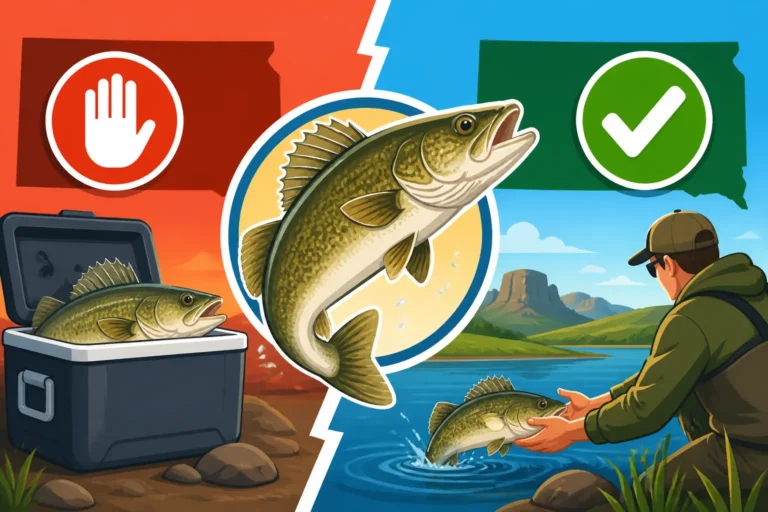
While regulations dictate what we must do, catch and release is often a choice that goes beyond the legal requirement. For many anglers, especially when catching larger, older walleye that fall within or exceed the protected slot, releasing these fish is a personal commitment to conservation. These big fish, often 25 inches or more, are vital broodstock, contributing significant genetic material to the next generation of walleye. Allowing them to return to the water to spawn again can have a profound impact on the fishery.
Proper catch and release techniques are crucial for ensuring the fish's survival. This includes minimizing fight time, handling the fish gently with wet hands, keeping it in the water as much as possible, and using appropriate de-hooking tools. Even if you want to keep a fish for the table (and walleye are certainly Best Eating Fish in South Dakota), considering releasing the largest specimens can make a real difference. For those who catch truly exceptional fish, there's even the South Dakota Master Angler Program Requirements which recognizes impressive catches without requiring the fish to be harvested. It's a testament to the idea that the memory and the sport can be just as rewarding as the meal.
Disclaimer
This article is for general informational purposes only and does not constitute professional advice. Laws, prices and regulations vary by location and change over time. Consult a qualified professional for guidance on your specific situation.