Best Lures for Ice Fishing Walleye
There's nothing quite like the crisp air and the quiet solitude of a South Dakota winter day spent out on the ice, patiently waiting for that tell-tale tap of a walleye. But let's be real, sometimes it feels like those elusive walleye are mocking you, ignoring every jig and bait you drop down the hole. The frustration is palpable when you've invested time and effort, only to come up empty-handed. This comprehensive guide is here to cut through the guesswork and equip you with the knowledge of the best lures for ice fishing walleye, ensuring your next outing on a frozen South Dakota lake is a resounding success.
Understanding Walleye Behavior Under the Ice
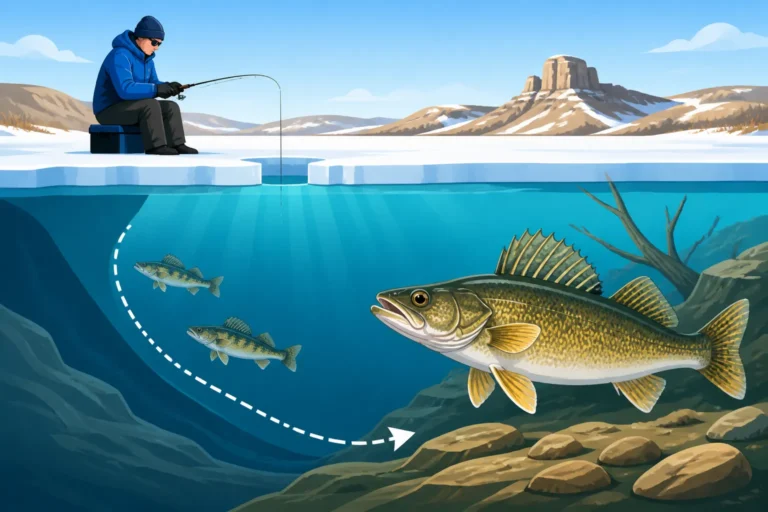
Before we even talk about specific lures, it's crucial to understand what makes walleye tick when the water turns to ice. They're cold-blooded creatures, so their metabolism slows down significantly in frigid temperatures. This means they're often less aggressive, move slower, and aren't expending as much energy chasing down prey. However, they still need to eat, and they'll feed on baitfish like minnows, shiners, and perch.
Their habitat also shifts. During hard water season, walleye often relate to structure such as sunken islands, points, rock piles, and deep edges of flats. They might hold tighter to the bottom, especially in deep basins, but they'll also suspend in the water column if baitfish are present there. The key is finding them, and once you do, presenting a lure that appeals to their slower, colder disposition. This is where your electronics, like a good flasher or Best Electronics for Finding Winter Walleye, become absolutely indispensable. Watching how fish react to your presentation on the screen is half the battle.
Another critical factor is light penetration. On cloudy days or during low-light periods (dawn and dusk), walleye might be more active and move into shallower feeding areas. On bright, sunny days, they'll often retreat to deeper, darker water or hug tight to the bottom where they feel more secure. Your lure choices, colors, and presentation techniques will need to adapt to these daily and hourly shifts in behavior.
Essential Lure Categories for Ice Fishing Walleye
When it comes to ice fishing for walleye, you're not just throwing a random hook in the water. There are distinct categories of lures, each designed to perform a specific function and appeal to walleye in different scenarios. Knowing when and how to deploy each type is what separates the casual angler from the consistent producer. Think of your tackle box as a toolkit, and each lure as a specialized instrument.
Jigging Spoons for Vertical Attraction
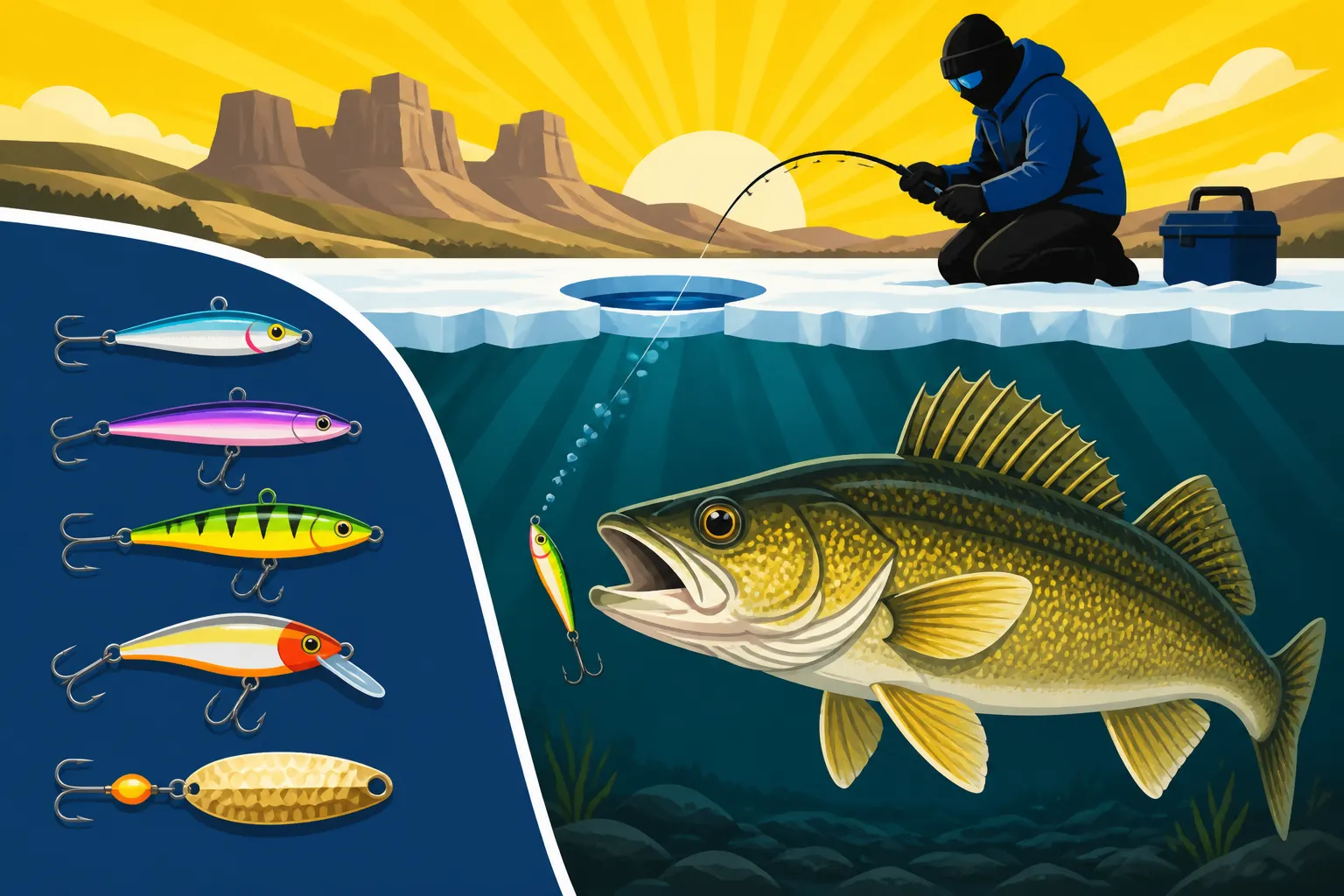
Jigging spoons are arguably the most iconic and effective lures for ice fishing walleye, especially here in South Dakota. They mimic injured baitfish fluttering down through the water column, creating flash and vibration that can call fish in from a distance. The trick is to understand their different profiles and how they fall. Some spoons, like the classic Acme Kastmaster or the more modern VMC Tingler Spoon, have a fast, erratic fall, while others, such as the Northland Buck-Shot Rattle Spoon, have a slower, wider flutter.
The action of a jigging spoon on the retrieve is paramount. A sharp lift-and-drop will make the spoon dart and flash, imitating a dying baitfish. Letting it pause for a few seconds can often trigger a strike from a wary walleye that's been watching it intently. Don't be afraid to experiment with the intensity of your jigging motion. Sometimes a subtle quiver is all it takes; other times, a more aggressive rip will get their attention. Attaching a minnow head or a small piece of live bait to the treble hook can add scent and appeal, turning hesitant followers into eager biters. I've had countless days on Lake Poinsett where a simple jigging spoon tipped with a minnow head was the only thing they'd touch. You can find a huge variety of these spoons on Amazon, often in multi-packs, which is a great way to build your arsenal.
Lipless Crankbaits for Aggressive Bites
While jigging spoons are fantastic, sometimes walleye need a bit more persuasion, especially when they're slightly more active or you're fishing a larger area. That's where lipless crankbaits shine. Lures like the Rapala Rippin' Rap or the Clam Rattlin' Blade Spoon (which, despite its name, functions much like a lipless crankbait) produce strong vibrations and loud rattles that can draw walleye in from a surprising distance. Their design allows for a strong, horizontal swimming action even when jigged vertically, making them excellent search baits.
These lures are particularly effective when walleye are suspended or actively cruising for food. A common presentation involves lifting the lure sharply, letting it fall on a semi-slack line to create a shuddering action, and then pausing. The rattles and vibration mimic a distressed baitfish trying to escape. They are also incredibly effective for covering water quickly, allowing you to ascertain if active fish are in the vicinity before slowing down with more subtle presentations. If you're on a larger body of water like Lake Oahe and looking for active fish, a lipless crankbait is a must-have. Just remember to check the South Dakota Walleye Limits before you head out, as these lures can attract bigger fish.
Soft Plastics and Jigs for Finesse
For those tougher days, or when walleye are particularly finicky, soft plastics paired with small jigs can be an absolute game-changer. This finesse presentation is less about flash and vibration and more about subtle movement and natural appeal. Think about small plastic minnows, paddle tails, or even simple grub tails rigged on a lightweight jig head. The key here is presenting a very natural, life-like offering with minimal disturbance.
A common technique is to use a very small jig head (1/16 to 1/8 ounce) tipped with a small plastic or a live minnow. Just a gentle quiver of the rod tip can impart enough action to make the plastic "swim" naturally. This is often deadly in clear water or when fish are holding tight to the bottom and aren't willing to chase larger, more aggressive lures. This technique demands patience and a good feel for subtle bites. Brands like Berkley PowerBait and Northland Fishing Tackle offer excellent soft plastic options designed specifically for ice fishing. Sometimes, when the bite is tough, a tiny jig and plastic fished slowly beneath a bobber, just above the lakebed, can outfish everything else. This approach is excellent for when you’re ice fishing for perch, but it also hooks up big walleye when they’re in a less aggressive mood.
Top Performing Walleye Ice Fishing Lures
Now let's get into some specific lure recommendations that have proven their worth time and again on South Dakota's frozen lakes. These aren't just names; they represent different strategies and presentations for various ice fishing conditions.
| Lure Type | Key Characteristics | Ideal Conditions | Presentation Style | Walleye Mood |
|---|---|---|---|---|
| Jigging Spoon | Flash, vibration, erratic fall | Active fish, varying depths, calling fish in | Aggressive rips, subtle quivers, long pauses | Active to Neutral |
| Lipless Crank | Loud rattles, strong vibration, horizontal swim | Covering water, suspended fish, aggressive bite | Sharp lifts, controlled falls, short pauses | Aggressive |
| Jig & Soft Plastic | Subtle, natural profile, minimal vibration | Finicky fish, clear water, shallow structure | Gentle bounces, quivers, dead sticking | Neutral to Finicky |
| Glide Bait/Swim Jig | Wide glide, slow fall, life-like profile | Neutral to aggressive, larger fish, searching | Long glides, pauses, slow lifts | Neutral to Active |
Classic Jigging Spoons: Northland Forage Minnow & VMC Tingler Spoon
You simply can't go wrong with these two. The Northland Fishing Tackle Forage Minnow Spoon is a staple. Its realistic minnow profile and erratic flutter on the fall perfectly mimic a dying baitfish, a prime target for opportunistic walleye. I've had fantastic results with the gold and glow-white patterns on lakes like Lake Sharpe, especially during low light conditions or under heavy snow cover. The key is often a sharp 1-2 foot lift, followed by a controlled slack-line fall, allowing the spoon to flutter down. Let it sit for 5-10 seconds before repeating.
The VMC Tingler Spoon is another consistent performer. It has a slightly different, more elongated profile, which gives it a unique "tingle" or shimmy on the fall. Its lighter weight for its size means it stays in the strike zone longer. This is particularly good for neutral walleye that might not commit to a faster-falling lure. Tipping either of these with a minnow head or a maggots can significantly increase your strike rate. A pack of these is easy to grab from Amazon, making sure you're ready for your next trip.
Rattling Lipless Crankbaits: Rapala Rippin' Rap & Custom Jigs & Spins RPM
When the walleye are fired up, or you're trying to locate fish quickly, a rattling lipless crankbait is your best friend. The Rapala Rippin' Rap is practically legendary. Its loud internal rattle and aggressive vibration are fish magnets. I've seen walleye shoot up 10 feet on the fish finder to smash a Rippin' Rap after a sharp rip. The perch and firetiger patterns are especially effective on our glacial lakes like Lake Thompson. Use a fast, aggressive rip, then let it fall back on a semi-slack line, allowing it to "shimmy."
Another great option is the Custom Jigs & Spins RPM. It's smaller than many traditional lipless cranks but still packs a powerful rattle and tight wobble. This makes it ideal for smaller holes or when fish are feeding on smaller baitfish. The glow colors are a must for deeper water or dark conditions. Remember that Winter Walleye Fishing Techniques often involve finding these aggressive biters first, then fine-tuning your presentation.
Soft Plastic & Jig Combos: Lindy Techni-Glo Jig & TriggerX Walleye Minnow
For those truly tough days, or when you're targeting pressured fish in clear water, a finesse presentation with soft plastics can save the day. The Lindy Techni-Glo Jig is a fantastic, simple jig head that glows brightly, which is crucial for attracting attention in the dark depths. Pair it with a TriggerX Walleye Minnow or a Berkley Gulp! Minnow. The scent and realistic action of these soft plastics are hard for a walleye to resist.
The presentation here is subtle. Drop your jig and plastic to the bottom, then lift it just a few inches. Gently shake your rod tip, causing the plastic to quiver and twitch. Hold it still for a count of 5-10, then repeat. Often, the bite will be a subtle "tick" or simply feel like extra weight on your line. This is a deadly technique for areas like the Missouri River reservoirs when walleye are holding tight to structure or when the bite becomes particularly soft. Sometimes, just having a bucket of minnows for tipping your jigs, available at most local bait shops, can be the difference.
Tips for Lure Presentation and Selection
Having the right lures is only half the battle; knowing how to present them effectively is just as critical, especially when fishing for walleye under the ice. These fish can be incredibly sensitive to minor changes in presentation, and even the smallest detail can make a huge difference.
Experiment with Retrieve Speed and Cadence
Walleye metabolism slows down in cold water, meaning they often prefer a slower presentation. However, that doesn't mean you should always be ultra-slow. Start with a moderate jigging cadence and then systematically speed up or slow down until you find what the fish are reacting to. On some days, a sharp, aggressive rip followed by a long pause is the ticket. On others, a barely perceptible quiver of your rod tip is all it takes to entice a strike. Don't be afraid to mix it up, varying your lifts, drops, and pauses. Sometimes, simply letting your lure sit motionless for an extended period (15-30 seconds) can trigger a curious walleye to bite. This "dead sticking" technique, often with a live minnow on a separate rod, is a popular choice for How Thick Ice Should Be Before Fishing in South Dakota and can be very effective when fish are sluggish.
Match the Hatch and Adjust Color
"Matching the hatch" refers to selecting lures that closely resemble the natural forage that walleye are feeding on in that particular body of water. If you're seeing lots of perch minnows in your livewell, try a perch-colored jigging spoon or a soft plastic that mimics their profile. If shiners are prevalent, silver or natural baitfish patterns will be more effective.
However, sometimes contrasting colors can be more effective, especially in stained or murky water, or during low light. Bright colors like chartreuse, orange, and glow patterns can stand out and get noticed. Glow lures, charged with a flashlight, are particularly vital in deep water or under thick ice and snow where light penetration is minimal. Always have a variety of colors on hand, and don't hesitate to switch if one isn't producing. A good rule of thumb is natural colors for clear water and bright, flashy, or glow colors for stained water or low light. You can find a huge array of different lure colors and patterns on Amazon.
Use Your Electronics to Fine-Tune Your Approach
Your fish finder or flasher is your best friend on the ice. It not only helps you locate fish, but it also shows you how they're reacting to your lure. Watch your screen intently. Are fish coming in to check out your lure but not biting? Try slowing down your presentation, making it more subtle, or switching to a smaller lure. Are they ignoring it completely? Try a more aggressive lure, louder rattles, or a brighter color to get their attention.
Observing how fish approach and depart your lure on the screen can provide invaluable insights into their mood and preferences. If they're rising quickly to meet your lure, they're likely aggressive. If they're just sitting below it, you'll need a finesse approach. Mastering How to Read a Fish Finder for Walleye will drastically improve your success rate. This real-time feedback loop between your lure presentation and the fish's reaction is the core of successful ice fishing. Consider investing in quality Best Ice Fishing Rods and Reels that provide good sensitivity to feel those light bites.
The Importance of Confidence and Experimentation
Ultimately, the "best" lure for ice fishing walleye on any given day can change. What worked yesterday might not work today, and what works on Lake Thompson might not be the ticket on Lake Sharpe. The most successful ice anglers are those who are confident in their chosen lures but are also willing to adapt and experiment.
Start with what you know works, but don't be afraid to try something completely different if the bite is slow. If jigging spoons aren't producing, try a lipless crankbait. If that fails, switch to a small jig and plastic. Vary your colors, sizes, and retrieve speeds. Pay attention to what the fish are telling you, whether it's through your electronics or the subtle "thump" of a bite.
South Dakota offers some incredible ice fishing opportunities, and with the right lures and presentation strategies, you can turn those frustrating slow days into memorable outings filled with chunky walleye. Keep learning, keep experimenting, and most importantly, keep enjoying the unique experience of ice fishing in the winter wonderland of South Dakota. Remember to check the South Dakota Fishing Regulations Explained before hitting the ice!
Disclaimer
Please note that fishing regulations, including license requirements, season dates, and limits, can change. Always consult the latest South Dakota Game, Fish and Parks (GFP) official regulations guide before heading out on the water. This article is intended for informational purposes only and should not be considered a substitute for official legal guidance.