Ice Fishing Gear Basics for Beginners
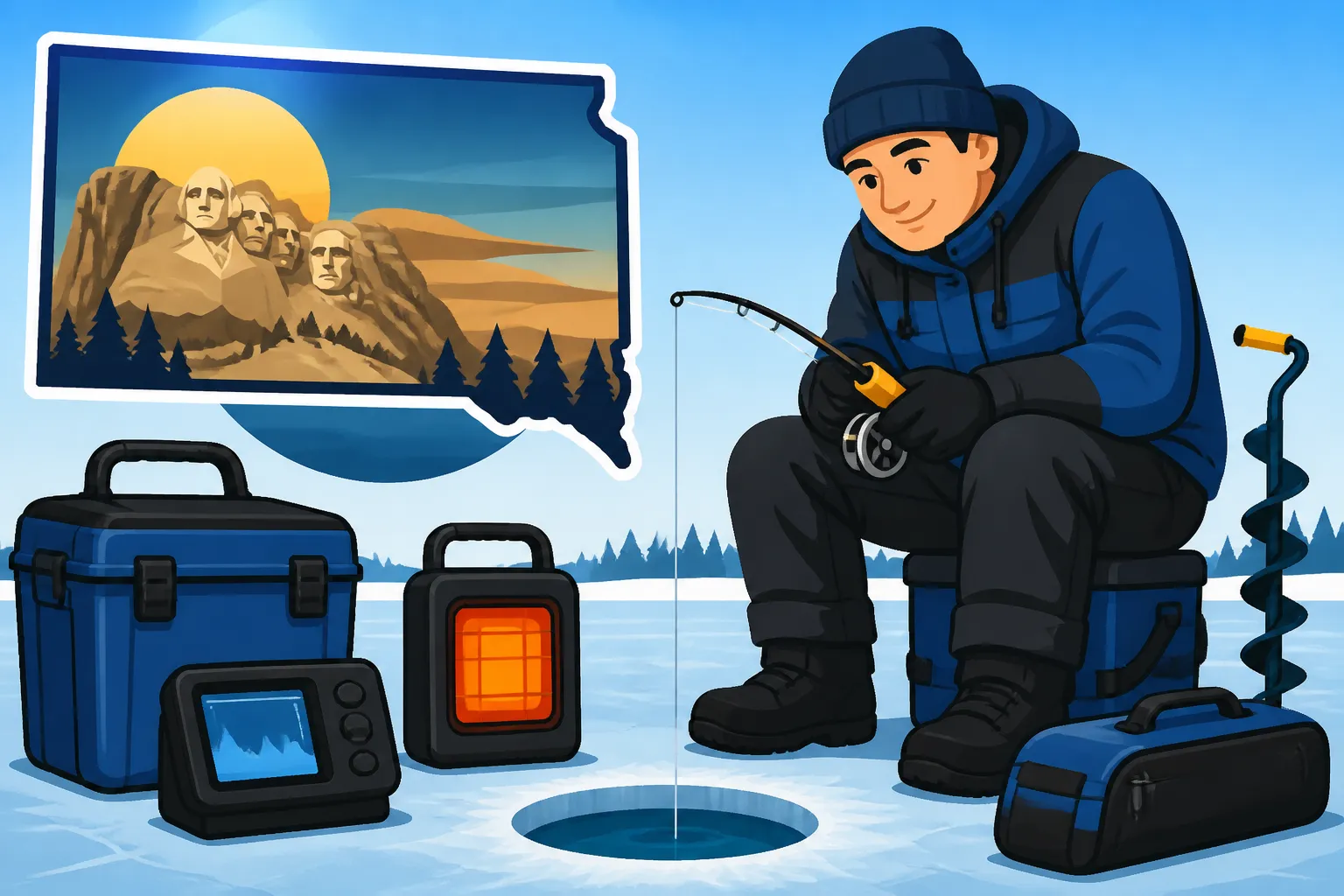
Stepping onto the hard water for the first time can feel a little daunting, can't it? You see seasoned anglers out there with all their fancy gadgets and wonder, "Where do I even begin?" The truth is, getting into ice fishing doesn't have to break the bank or require a Ph.D. in winter survival. This guide is all about simplifying the essentials, walking you through the fundamental gear you'll need to confidently and safely enjoy chasing fish across South Dakota's frozen lakes and rivers.
Getting Started: What You Really Need to Hit the Ice
When you're new to ice fishing, it's easy to get caught up in the sheer volume of gear available. But let's be real, you don't need every single contraption on the market to have a successful and enjoyable day. The key is focusing on safety, comfort, and the absolute basics for catching fish. Think of it as building your foundation before you start adding the decorative flourishes.
Safety First: Essential Gear Beyond the Rod
Before you even think about drilling a hole or dropping a line, safety has to be your number one priority on the ice. South Dakota winters are no joke, and while the ice can be incredibly strong, conditions can change rapidly. Don't let the excitement of the catch overshadow the importance of being prepared.
The first and most critical piece of safety gear is a spud bar. This isn't just a fancy stick; it's your ice "probe." As you walk onto the ice, especially early in the season or on unfamiliar waters, you use the spud bar to test the ice in front of you. A good, solid whack should tell you if the ice is thick enough. If it punches through easily, you know to back off. It's a non-negotiable item, providing that crucial early warning. Another absolute must-have for personal safety are ice picks. These are two pointed handles connected by a cord, worn around your neck. If you happen to fall through, these picks are your best chance to get a grip on the ice edge and pull yourself out. They’re incredibly simple, inexpensive, and could be a lifesaver.
Beyond these tools, wearing a flotation suit or a personal flotation device (PFD) is highly recommended, especially for beginners. While not always comfortable for an entire day, a suit like a Mustang Survival or even a basic PFD offers critical buoyancy if you end up in the frigid water, giving you precious extra time to react. Knowing How Thick Ice Should Be Before Fishing in South Dakota is paramount, and these safety items are your backup for when the unexpected happens. Always fish with a buddy, share your plans, and carry a fully charged cell phone in a waterproof bag. It might sound like a lot, but these items are truly the difference between a minor scare and a major emergency.
Warming Up to Winter: Staying Comfortable on the Ice
Let's face it, nobody enjoys being cold. Discomfort can quickly ruin an otherwise perfect day on the ice. Dressing appropriately for South Dakota's biting winds and sub-zero temperatures isn't just about being cozy; it's about preventing hypothermia, which is a serious risk.
Layering is your best friend. Start with a moisture-wicking base layer (think merino wool or synthetic materials, never cotton, as cotton holds moisture and makes you colder). This layer keeps sweat away from your skin. Next, add a warm mid-layer, like a fleece jacket or a down vest, for insulation. Your outer layer should be waterproof and windproof, protecting you from the elements. A good quality ice fishing suit, often insulated and waterproof, combines many of these features and is a fantastic investment for serious comfort. Brands like Striker Ice or Clam offer excellent options that are designed specifically for ice anglers.
Don't forget your extremities! A warm hat that covers your ears is crucial, as you lose a lot of body heat through your head. Insulated, waterproof boots are essential for keeping your feet warm and dry, even if you step in slush or a little water. Look for boots rated for extremely cold temperatures. Thick wool or synthetic socks worn in layers will add extra warmth. And don't skimp on gloves or mittens. Many anglers prefer a pair of thinner, fingerless gloves for dexterity when tying knots or handling fish, combined with thick, insulated mittens that can be easily slipped on and off. Having a few chemical hand warmers and toe warmers, easily found on Amazon, can provide that extra boost of warmth when the chill really sets in. Trust me, staying warm allows you to focus on the fishing, not on shivering your way back to shore.
The Core Ice Fishing Setup: Rods, Reels, and Line
Once you've got your safety and comfort sorted, it's time to talk about the actual tools for catching fish. The beauty of ice fishing is that the gear is often much smaller and simpler than open-water tackle, making it a little less intimidating for beginners.
Selecting Your First Ice Rod and Reel Combo
Unlike open water where you might cast long distances, ice fishing involves dropping a line straight down a hole. This means ice rods are significantly shorter, typically ranging from 24 to 36 inches. The length you choose often depends on the species you're targeting and whether you're fishing inside a shelter or out in the open.
For smaller fish like crappie and perch, which are abundant in South Dakota's glacial lakes and Missouri River reservoirs, an ultralight or light action rod around 24-28 inches is perfect. It offers fantastic sensitivity, letting you feel even the lightest nibbles. For walleye, a common target species in places like Lake Oahe and Lake Sharpe, you'll want a medium-light or medium action rod, typically 28-32 inches. This provides enough backbone to handle a larger fish and set the hook effectively. The rod's "action" refers to where the rod bends. A "fast action" rod bends mostly at the tip, offering high sensitivity and quick hooksets, while a "slow action" bends more parabolically, providing more give. For beginners, a fast or extra-fast tip is often preferred for feeling those subtle bites.
When it comes to reels, you have a couple of main choices. A small spinning reel (size 500 or 1000) is a versatile and popular option. They're easy to use, hold enough line, and are familiar to most anglers. Make sure it has a smooth drag system, which is crucial for fighting fish. Alternatively, some ice anglers prefer inline reels, especially for lighter baits and panfish. These reels eliminate line twist, which can be a real nuisance with tiny jigs, but they do require a bit more practice to get used to their operation. For a beginner, a small spinning reel is usually the easiest entry point. You can find many great Best Ice Fishing Rods and Reels combos on Amazon that are perfectly suited for getting started.
The Right Line for Icy Conditions
Choosing the right fishing line for ice fishing is more critical than you might think. Cold temperatures and limited visibility under the ice mean your line needs to perform reliably.
Monofilament line is a classic choice for many reasons. It's affordable, has good stretch (which can be forgiving for aggressive hooksets), and is relatively transparent in water. For panfish, 2-4 pound test mono is common, while 6-8 pound test is suitable for walleye. The downside is that mono can absorb water, which can cause it to freeze on your reel in extremely cold conditions, and it also has some "memory," meaning it can retain coils from the reel spool.
Fluorocarbon line has less stretch than mono, is nearly invisible underwater, and is more abrasion-resistant. These properties make it an excellent choice for finicky fish, especially in clear water, and it tends to shed water better, reducing freezing issues. Many anglers will use a fluorocarbon leader even if their main line is braided.
Braided line offers incredible strength for its diameter and has virtually no stretch, providing ultimate sensitivity. This means you feel every bump and bite. However, braid can freeze easily if it gets wet, and its lack of stretch requires a softer rod tip or a good drag system to avoid pulling hooks. To combat freezing, some anglers use a special ice fishing braid that's coated to repel water, or they'll use a fluorocarbon leader with a short section of braid. For most South Dakota ice fishing, a 4-6 pound test fluorocarbon or an ice-specific braid with a fluorocarbon leader around 6-10 pounds is a solid all-around choice for walleye, while 2-4 pound fluorocarbon works well for panfish.
Cutting Through the Ice: Augers and Shelters
Once you have your rod and reel, you need a way to get your line into the water! This brings us to two of the most iconic pieces of ice fishing gear: the auger and the shelter.
Choosing the Right Auger for South Dakota Ice
An auger is essentially a giant drill used to bore holes through the ice. South Dakota's ice can get quite thick, sometimes reaching several feet on big lakes like Lake Oahe, so having a reliable auger is paramount.
For beginners, especially if you're not planning on drilling dozens of holes or if you're on a budget, a hand auger is a great starting point. These are manually operated, lightweight, and surprisingly effective for ice up to 12-18 inches thick. They come in different sizes, typically 6-inch or 8-inch diameters. A 6-inch auger is easier to turn and quicker to drill, perfect for panfish, but an 8-inch hole allows you to land larger walleye or northern pike more easily. Strikemaster Mora and Eskimo are popular brands.
As you get more serious, or if you frequently encounter thick ice, an electric auger or a gas-powered auger becomes a game-changer. Electric augers are quiet, eco-friendly, and require minimal effort. Brands like Ion and StrikeMaster Lite-Flite are very popular. They are powered by rechargeable batteries and can drill numerous holes on a single charge. Gas augers are powerful and can cut through virtually any ice thickness with ease, though they are noisier, heavier, and require fuel mixture. For beginners, an electric auger offers the best balance of power and ease of use. Consider your budget, the typical ice thickness you'll encounter, and how much drilling you anticipate when choosing your Best Ice Augers for South Dakota Ice Fishing.
Shelter from the Storm: Portable and Hub-Style Shanties
While you can ice fish in the open, South Dakota's winds and cold temperatures often make a shelter a welcome luxury, especially if you plan to spend more than an hour or two on the ice. Shelters provide protection from the wind, trap warmth, and allow you to stay out longer and be more comfortable.
The two main types of portable ice shelters are flip-over shanties and hub-style shelters. Flip-over shanties are typically mounted on a sled, which makes transporting your gear incredibly easy. When you reach your spot, you simply "flip" the top over, and it transforms into an instant shelter with built-in seating. These are fantastic for mobile anglers who like to move around and fish different spots. Brands like Clam and Eskimo offer excellent flip-over models, often configured for one or two anglers.
Hub-style shelters are lighter and more spacious for their footprint. They resemble a pop-up tent, deploying by pushing out hubs on each side. They offer more room for multiple anglers or for setting up extra gear. However, they don't have built-in seating or a sled, so you'll need to haul your gear separately. They are a great choice if you're fishing with a group or prefer a larger fishing area. Regardless of the style, look for shelters with good insulation (measured in denier for the fabric) to keep you warm, strong poles to withstand wind, and ample ventilation options. A good shelter makes all the difference when those South Dakota blizzards roll in. If you're looking for more details on staying comfortable in adverse conditions, check out our guide on Best Ice Fishing Shelters for South Dakota Winters.
Locating the Fish: Electronics for the Ice Angler
In ice fishing, you're limited to fishing a small hole. This means finding the fish before you drill is incredibly important, or at least having a way to see what's directly beneath your hole. This is where electronics come in, and they can dramatically increase your success rate.
Flashers: Your Window to What's Below
For many serious ice anglers, a flasher is considered the most crucial piece of electronic gear. A flasher is a sonar unit designed specifically for ice fishing that provides real-time updates of what's happening directly below your transducer. Instead of a scrolling screen like a traditional fish finder, a flasher uses a circular display with colored lights to show the bottom, your lure, and any fish that swim into the sonar cone.
The key benefit of a flasher is its immediacy. You can literally see your jig going down, watch a fish come up to investigate it, and see how the fish reacts to your presentation. This allows you to adjust your jigging action to entice bites. For beginners, learning to read a flasher takes a little practice, but it's incredibly rewarding. You'll quickly discern between the solid red of the bottom, the green/orange of your lure, and the red/orange/green arcs indicating fish. Popular brands include Vexilar, Marcum, and Humminbird. While they might seem like an investment, a good flasher will pay for itself in saved time and caught fish. It's truly a game-changer for active ice fishing.
Basic GPS and Mapping for Navigation
While flashers show you what's under your hole, a GPS unit or a mapping app on your smartphone helps you figure out where to put that hole in the first place. This is especially vital on large bodies of water like Lake Sharpe or Lake Francis Case, where finding specific structure can be like looking for a needle in a haystack.
Most modern fish finders and even many smartphone apps offer excellent GPS capabilities with detailed lake maps. These maps often show contours, submerged points, humps, and drop-offs – all prime locations where fish like walleye or perch will congregate. Before you head out, you can study these maps at home, identify promising areas, and even mark potential fishing spots (waypoints) on your device. Once on the ice, your GPS guides you directly to those pre-marked locations. This saves you a tremendous amount of time walking and drilling unproductive holes.
Beyond finding fish, GPS is also a critical safety tool. It helps you navigate back to your starting point, especially in whiteout conditions or after dark. Always ensure your device is charged, or carry a portable power bank, as cold temperatures can quickly drain batteries. Many anglers use apps like Navionics or i-Boating on their phones, which can be found on Amazon, providing detailed mapping without needing a dedicated GPS unit. This combination of mapping to find the spot and a flasher to work the hole is an unstoppable duo for ice fishing success.
What to Bring in Your Tackle Box: Baits and Lures
Alright, you're safe, warm, have a hole drilled, and you know there are fish below. Now, how do you actually catch them? Your tackle box doesn't need to be overflowing, but having a few essential lures and baits can make all the difference.
Essential Lures for South Dakota Ice Species
Ice fishing lures are generally smaller than their open-water counterparts because fish metabolisms slow down in cold water, and they often prefer a smaller, less energetic meal. However, this doesn't mean they're not aggressive!
For panfish like crappie and perch, tiny jigs are king. Tungsten jigs are particularly popular because tungsten is much denser than lead, allowing a smaller jig to still have significant weight, getting it down to depth faster. Pair these with a wax worm or a small plastic tail. Small spoons, often tipped with a piece of minnow or a grub, are also excellent for tempting perch and crappie. Look for spoons in sizes 1/16 to 1/8 ounce in bright colors or natural patterns.
For walleye, a slightly larger presentation is often preferred. Spoons like the classic Lindy Rattl'n Flyer Spoon or a Swedish Pimple, again tipped with a minnow head or a full minnow, are incredibly effective. Jigging raps or other aggressive swimming lures (like the Northland Forage Minnow or Rapala Jigging Rap) are also fantastic for walleye, especially when fish are actively chasing bait. These lures dart and swim erratically, mimicking a fleeing baitfish. Also, consider small glow-in-the-dark jigs and spoons, as added visibility in darker water or low light conditions can be a huge advantage. Our Best Lures for Ice Fishing Walleye guide offers even more insights into specific lure choices for targeting South Dakota's favorite game fish.
Live Bait: The Icy Advantage
While artificial lures are effective, live bait often provides an undeniable edge, especially on tough days when fish are finicky. The scent, natural movement, and taste of live bait can be irresistible.
Minnows are a staple for walleye and northern pike. Shiner minnows or fatheads are commonly used. You can fish them dead, hooked through the head on a spoon or jig, or alive. When fishing live minnows, ensure they're active. Keep them in a good bait bucket with an aerator to ensure they stay lively. Hooking a minnow through the back, just behind the dorsal fin, allows it to swim naturally under the ice. For panfish, small live baits like wax worms, euro larvae, or spikes (maggots) are incredibly effective. A single wax worm on a tiny tungsten jig is often all it takes to trigger a crappie or perch bite.
Keeping live bait fresh and alive in freezing temperatures requires a bit of care. Insulated bait buckets are essential, and some anglers will even use a small hand warmer in a separate compartment of their bucket to keep minnows from getting too sluggish. When using live bait, remember that South Dakota has specific regulations regarding bait usage, especially in certain waters to prevent the spread of aquatic invasive species. Always check the current South Dakota Fishing Regulations Explained before you head out. For targeting perch, live bait is often key, and our Best Bait for Ice Fishing Perch article shares some excellent tips.
Beyond the Basics: Comfort and Convenience Gear
So far, we've covered the absolute essentials. But once you've experienced the basics, you'll quickly realize there are a few extra items that can transform your ice fishing trip from "tolerable" to "truly enjoyable."
Keeping Warm and Fed: Heaters, Cookers, and Seating
Even the best insulated clothing can't always win against a relentless South Dakota winter day. A portable heater for your ice shanty is a game-changer. Propane heaters, like those made by Mr. Heater or Buddy Heater, are compact, efficient, and provide a surprising amount of warmth. Always ensure adequate ventilation when using any propane heater to prevent carbon monoxide buildup. Having a warm shelter allows you to shed some layers, relax, and fish in comfort for hours on end.
Beyond just staying warm, having access to hot food and drinks makes a world of difference. A small portable cooker or a jet boil system lets you heat water for coffee, hot chocolate, or instant soup. There's nothing quite like a warm beverage to chase away the chill. And let's not forget seating! While many flip-over shelters have built-in seats, if you're using a hub-style shanty or fishing outside, a comfortable, insulated chair or bucket seat is crucial. Sitting on the cold ice or a flimsy stool will quickly drain your body heat and your enthusiasm.
Essential Tools and Accessories
These are the small things that often get overlooked but can cause big headaches if you don't have them. An ice scoop is absolutely vital for clearing slush and ice chips from your hole, especially on windy days when holes freeze over quickly. A good pair of long-nosed pliers or forceps is necessary for safely unhooking fish, particularly those with sharp teeth like northern pike or walleye. Line clippers, a tape measure (to ensure your fish meet size regulations), and a small cooler or insulated bucket to keep your catch fresh are also standard items.
A headlamp is non-negotiable for early morning starts or fishing into the evening. Ice fishing often involves low-light conditions, and you'll need both hands free to tie knots, bait hooks, or navigate. A small first-aid kit, a knife, and a small shovel (for clearing snow around your shanty) round out the convenience gear that makes for a smoother, more enjoyable day. Remember to pack everything in a sled for easy transport across the ice. Our Essential Gear Checklist for a South Dakota Ice Fishing Trip provides a handy printable list to ensure you don't forget anything important before hitting the hard water.
| Gear Category | Essential Items | Why You Need It | Common Brands/Types for Beginners |
|---|---|---|---|
| Safety | Spud Bar | Test ice thickness for safety | Steel, often with a chisel tip |
| Ice Picks | Self-rescue from falling through ice | Small, handheld, attached by cord | |
| Flotation Suit/Vest | Buoyancy in case of ice break-through | Striker Ice, Mustang Survival, basic PFD | |
| Comfort | Layered Clothing (Base, Mid, Outer) | Warmth, moisture-wicking, wind/waterproof | Merino wool/synthetics, fleece, insulated winter suits |
| Insulated, Waterproof Boots | Keep feet warm and dry | Ratings for -20°F and below | |
| Warm Hat, Gloves/Mittens | Protect extremities from frostbite | Wool, fleece, insulated, convertible mittens | |
| Fishing Setup | Ice Rod & Reel Combo | Drop line, fight fish | 24-32" spinning combo (ultralight for panfish, med for walleye) |
| Fishing Line | Connect rod to lure/fish | 2-8lb monofilament, fluorocarbon, or ice braid | |
| Access | Auger | Drill holes through ice | 6-8" hand auger, entry-level electric |
| Ice Shelter | Protection from wind and cold | 1-2 person flip-over or small hub-style shanty | |
| Fish Finding | Flasher/Fish Finder | See fish, lure, and bottom in real-time | Vexilar, Marcum, Humminbird (entry-level) |
| GPS/Mapping App | Find structure, navigate safely | Smartphone app (Navionics, i-Boating) or dedicated GPS | |
| Tackle | Assorted Jigs & Spoons | Attract and catch fish | Tungsten jigs (1/32-1/8oz), small spoons (1/16-1/4oz) |
| Live Bait (Minnows, Wax Worms, Spikes) | Natural attraction for finicky fish | Fathead minnows, wax worms, euro larvae | |
| Convenience | Ice Scoop | Clear slush from holes | Plastic or metal |
| Pliers/Forceps, Line Clippers | Unhook fish, cut line | Long-nose pliers, braided line scissors | |
| Headlamp | Hands-free lighting in low light | LED with red light option | |
| Insulated Bucket/Cooler | Keep fish fresh, comfortable seating | 5-gallon bucket with insulated lid | |
| Portable Heater | Warm shelter for comfort | Mr. Heater, Buddy Heater (with ventilation) | |
| Sled for Gear Transport | Easy hauling of all equipment | Large plastic utility sled |
Disclaimer
The information provided in this guide is for general informational purposes only and does not constitute professional advice. Always prioritize safety when ice fishing. Ice conditions can be unpredictable and vary greatly. Consult local regulations and current ice reports from the South Dakota Game, Fish and Parks (GFP) before venturing onto the ice. Anglers are responsible for understanding and adhering to all South Dakota Fishing Regulations Explained and license requirements.