Gavins Point Dam Walleye Fishing Report
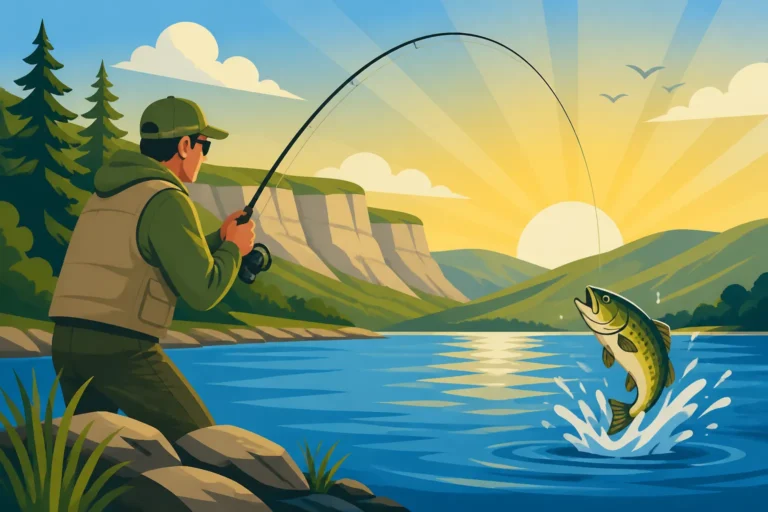
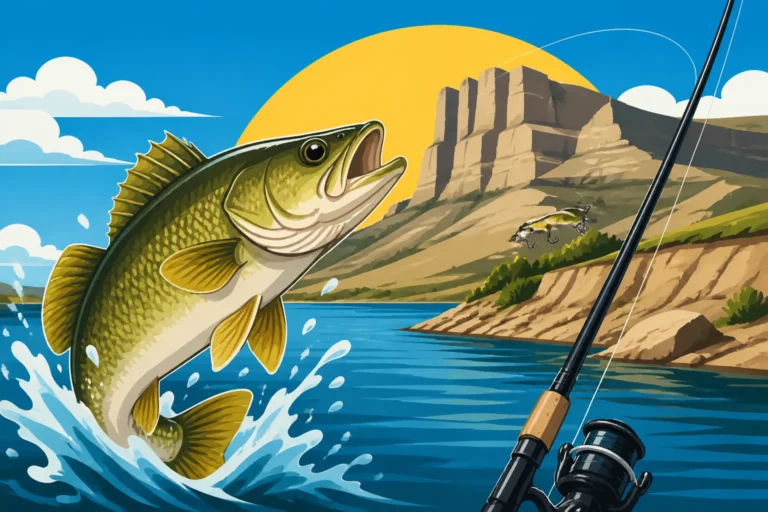
Trying to nail down the current walleye bite at Gavins Point Dam can feel like chasing a ghost – conditions change fast, and what worked last week might not work today. This guide aims to cut through the chatter, offering you a deep dive into what you can expect when targeting those sought-after walleye in the waters around Gavins Point, covering everything from seasonal patterns to the most effective techniques and gear.
Gavins Point Dam: A Walleye Angler's Paradise Overview
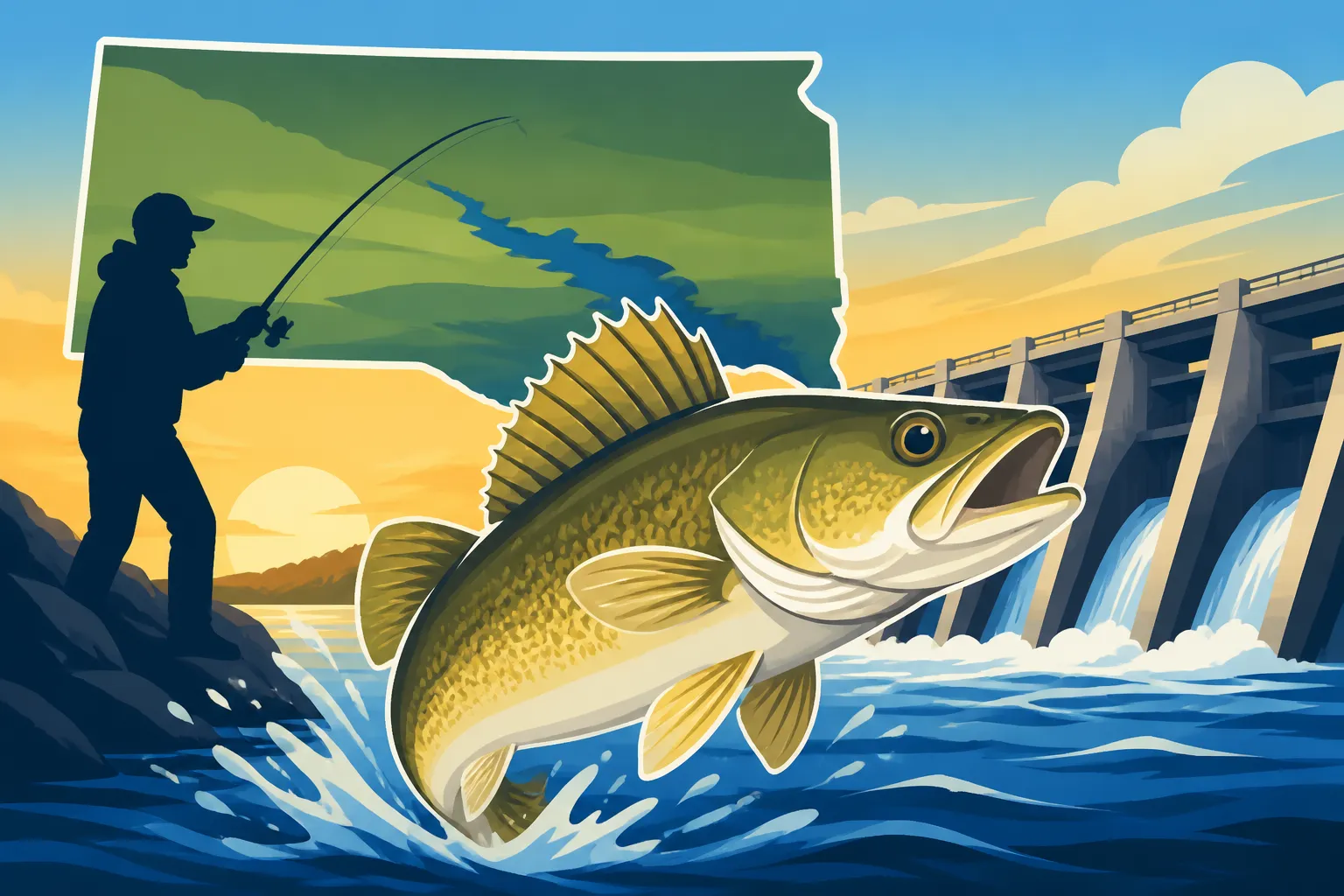
Gavins Point Dam, straddling the border between South Dakota and Nebraska on the mighty Missouri River, is much more than just a hydroelectric powerhouse. It's a renowned fishing destination, particularly famous for its walleye. The dam forms the upstream end of Lewis and Clark Lake, creating a dynamic aquatic environment where riverine currents meet reservoir characteristics. This unique blend of habitats draws and holds walleye year-round, making it a hotspot for anglers from all over the region.
The area below the dam, often referred to as the "tailwaters," is especially productive due to the constant flow of water, which churns up baitfish and concentrates walleye. Upstream in Lewis and Clark Lake itself, you'll find extensive opportunities along the main channel, submerged points, and vast flats. Understanding the structure of this unique section of the Missouri River is key to unlocking its walleye potential. The constant current below the dam means fish are often actively feeding, making for a thrilling and often rewarding experience. It's a place where patience and knowledge of the water can truly pay off, offering up impressive catches of South Dakota Walleye.
The Unique Dynamics of the Tailwaters
The tailwater section directly below Gavins Point Dam is a magnet for walleye. This area is characterized by turbulent water, varying depths, and often strong currents as water is released from the dam. The constant flow brings a steady supply of forage, like shad and various minnows, to the walleye, making it a prime feeding ground. Anglers often find success targeting the eddies, current breaks, and seams where the faster water meets slower water. Walleye will position themselves in these calmer spots, waiting to ambush unsuspecting baitfish swept past them.
Fishing here requires specific tactics and a good understanding of current. Heavy jigs, crankbaits, and three-way rigs are commonly used to get your bait down to where the fish are holding in the strong flow. The sheer abundance of food and the oxygen-rich environment often mean that walleye in the tailwaters are aggressive and eager to strike, especially during periods of higher water release. Always be mindful of the dam's release schedule, as it directly impacts water levels and current strength, influencing fish behavior and your fishing strategy.
Navigating Lewis and Clark Lake for Walleye
Above the dam, Lewis and Clark Lake offers a completely different, yet equally productive, walleye fishing experience. This large reservoir features miles of shoreline, numerous coves, submerged humps, rock piles, and expansive flats. Walleye here behave more like their lake-dwelling counterparts, moving with the seasons and forage availability. During the cooler months, they might congregate in deeper basins or on structure, while in warmer periods, they’ll spread out onto shallower flats or patrol weed lines.
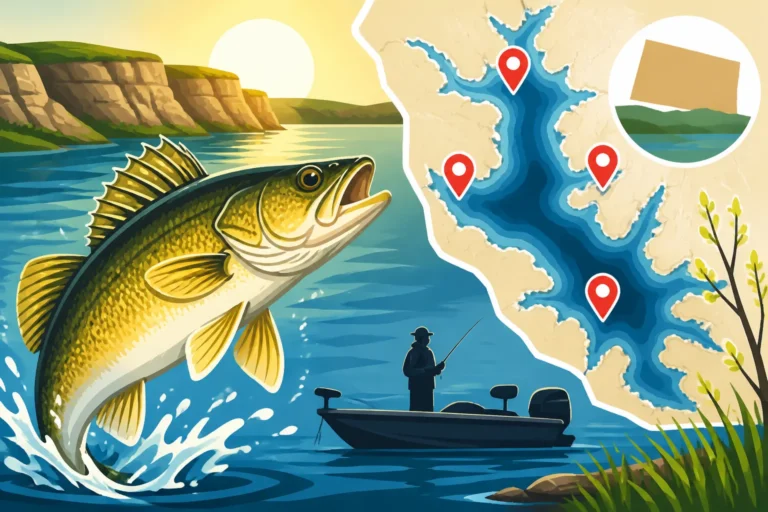
Trolling is a very popular and effective method on Lewis and Clark Lake, especially when trying to cover large areas. Anglers often employ crankbaits, spinner rigs, and bottom bouncers to find active fish. Key areas to focus on include the main river channel, especially where it narrows or has distinct bends, and any significant changes in bottom contour. Access points near Yankton, like the Lewis and Clark Recreation Area, provide excellent launching pads to explore the lake's vast walleye grounds. Familiarizing yourself with a detailed contour map can give you a significant advantage when searching for those productive underwater structures.
Current Walleye Fishing Conditions and Tactics
Keeping an eye on the latest fishing reports and local conditions is paramount for success at Gavins Point. The Missouri River system is dynamic, and factors like water temperature, flow rates from the dam, and recent weather patterns can drastically alter the walleye bite. Typically, during peak seasons, anglers are finding success with a mix of jigging, slow-trolling, and even casting.
Right now, many anglers are reporting a solid walleye bite both below the dam and in the upper reaches of Lewis and Clark Lake. Below the dam, the current has been steady, which usually means active fish. In the lake, the bite has been strong on deeper points and breaks during the day, with some fish moving shallower at dawn and dusk. Understanding the current behavior of the walleye, whether they are aggressive or more finicky, allows you to adjust your approach and increase your chances. It’s not just about what bait you use, but how you present it given the prevailing conditions.
Effective Bait and Lure Selection
When fishing for walleye around Gavins Point Dam, having the right arsenal of baits and lures is crucial. For the tailwaters, where current is king, jigs tipped with minnows or soft plastics are hard to beat. Popular jig colors often include chartreuse, white, and various greens. Retrieving them with a short hop-and-drop motion allows the current to do some of the work, mimicking a struggling baitfish. Equally effective are heavier crankbaits that can dive quickly and maintain their depth in the strong flow. Brands like Rapala Shad Raps or Berkley Flicker Shads are frequently mentioned by successful anglers, often trolled or cast upstream and retrieved through current seams.
On Lewis and Clark Lake, the approach often shifts to covering more water. Trolling crankbaits in various diving depths is a go-to strategy, with anglers often experimenting with natural baitfish patterns as well as brighter, more aggressive colors depending on water clarity and sunlight. Bottom bouncers paired with spinner rigs, especially those adorned with nightcrawlers or leeches, are incredibly effective when walleye are hugging the bottom. This technique allows you to present live bait slowly and directly in their strike zone. For specific recommendations, check out our guide on the Best Lures for South Dakota Walleye.
Maximizing Your Chances with Presentation
The best bait in the world won't catch fish if presented incorrectly. Below the dam, ensuring your jig or lure reaches the bottom and stays in the strike zone is critical. Using enough weight to maintain bottom contact without snagging excessively is a fine balance. Many experienced anglers utilize a "controlled drift" technique, letting the current carry their bait while maintaining a taut line to feel subtle bites. For those targeting the famed Missouri River tailwaters, our detailed guide on Missouri River Tailwater Fishing Techniques offers invaluable insights.
On Lewis and Clark Lake, trolling speed and lure depth are key. Experiment with different speeds until you find what triggers bites; sometimes a slight acceleration or deceleration is all it takes. Employing planer boards can help spread out your lines, covering a wider swath of water and increasing your chances of intercepting actively feeding walleye. When jigging or casting to specific structures, pay close attention to the subtle cues your line provides. Walleye bites can be incredibly light, feeling like a slight "tick" or simply added weight, so staying focused is essential.
Seasonal Walleye Fishing Strategies
Walleye behavior around Gavins Point Dam changes dramatically with the seasons, making year-round angling exciting but challenging. A truly successful angler understands these seasonal shifts and adapts their tactics accordingly.
Spring: The Post-Spawn Feast
Spring, particularly from April through June, is a prime time for walleye fishing at Gavins Point. After the colder months, walleye begin to move into shallower areas to spawn. Once spawning is complete, typically in late spring, they go on a feeding frenzy to recover energy. This post-spawn period offers some of the best opportunities for catching larger, aggressive fish.
In early spring, look for walleye staging in shallower flats and along current breaks below the dam or in the upper reaches of Lewis and Clark Lake. As water temperatures rise into the 50s and 60s, they'll become more active. Trolling shallow-running crankbaits or casting jigs and soft plastics near shorelines and emergent vegetation can be highly effective. The key is to match the baitfish that are also moving into these warmer, shallower waters. Always be sure to review the South Dakota Fishing Season Dates and Limits to ensure you're compliant with all regulations.
Summer: Deep Water and Nighttime Bites
As summer temperatures soar, walleye in Lewis and Clark Lake often retreat to deeper, cooler waters, seeking refuge near submerged humps, channel edges, and drop-offs. This doesn't mean the fishing stops; it just means you need to adjust your approach. During the heat of the day, vertical jigging, deep trolling with crankbaits or bottom bouncers, and using live bait like nightcrawlers or leeches on spinner rigs can be very productive. Look for schools of baitfish on your fish finder, as walleye will often be nearby.
The summer also opens up fantastic opportunities for night fishing. Walleye will often move shallower after dark to feed on baitfish that are also drawn to cooler, more oxygenated shallow waters. Casting or slow-trolling shallow-running stickbaits and crankbaits along points and weed edges under the cover of darkness can yield some impressive catches. Our guide on the Best Time of Day to Catch Walleye in Summer has more specific insights for these warmer months.
Fall: The Pre-Winter Blitz
Fall is another fantastic season for walleye fishing at Gavins Point. As water temperatures begin to drop, walleye sense the approaching winter and embark on a major feeding binge to build up fat reserves. This "pre-winter blitz" often means aggressive fish and excellent catch rates. Walleye will migrate from their deep summer haunts to shallower, often main-lake points, rocky reefs, and channel swings.
Trolling larger crankbaits is a highly effective strategy in the fall, as walleye are often chasing bigger baitfish. Live bait rigs, such as shiners or large minnows, can also be deadly when fished on bottom bouncers or slip bobbers over structure. The fish are actively searching for food, making them more willing to strike a well-presented offering. Pay close attention to current patterns and baitfish schools, as these will be critical indicators of where the walleye are holding.
Winter: Ice Fishing Opportunities
While the open water fishing slows down, winter brings the thrill of ice fishing to the Gavins Point area, particularly on Lewis and Clark Lake. Once safe ice forms, anglers bundle up and head out onto the frozen expanse to target walleye, often with incredible success. Walleye will typically hold in deeper basins or near prominent structural elements like points and humps during the winter months.
Jigging spoons, small rattle baits, and vertical jigs tipped with live minnows or wax worms are standard ice fishing fare for walleye. Portable shelters and reliable augers become essential gear. Finding the schools of walleye can be the biggest challenge, so using a portable fish finder is highly recommended. Always prioritize safety on the ice, checking thickness regularly and being aware of current conditions. Our comprehensive South Dakota Ice Fishing Guide provides all the information you need to get started.
Essential Gear and Tips for Gavins Point Walleye Fishing
Beyond the techniques and seasonal knowledge, having the right gear is non-negotiable for consistent success at Gavins Point Dam. The diverse conditions, from swift tailwaters to expansive lake, demand versatility in your tackle.
Rods, Reels, and Line Choices
For jigging in the tailwaters or casting from shore, a medium-heavy spinning rod (6'6" to 7'6") with a fast action tip is ideal. This setup provides the sensitivity to feel subtle bites in current and the backbone to handle larger walleye. Pair it with a reliable spinning reel in the 2500-3000 size range, spooled with 10-20 lb braided line for maximum sensitivity, especially if you add a fluorocarbon leader. For boat anglers, a good medium-heavy casting or trolling rod (7' to 9') is essential for pulling crankbaits or running bottom bouncers.
When choosing fishing line, braided line is favored for its no-stretch sensitivity, which is crucial for detecting faint walleye bites, especially in deeper water or strong current. A 10-15 lb test fluorocarbon leader is often tied to the braid for its invisibility underwater and abrasion resistance against rocks and zebra mussels. For those who prefer monofilament, 10-12 lb test offers a good balance of strength and shock absorption, particularly when trolling. Remember, line visibility can sometimes be a factor, so matching your line to water clarity can make a difference.
Navigation and Electronics
A reliable fish finder is almost a necessity for efficient walleye fishing at Gavins Point, especially on Lewis and Clark Lake. Side imaging and down imaging technologies can help you locate subtle changes in bottom contour, submerged structures, and schools of baitfish, which are all key indicators of walleye presence. GPS capabilities are also invaluable for marking productive spots, allowing you to return to them accurately in the future. Many anglers use units from brands like Humminbird or Garmin for their detailed mapping and sonar capabilities.
Beyond electronics, always carry a physical map or have a reliable navigation app on your phone. Understanding the depths, contours, and potential hazards of the waterway is vital for both safety and fishing success. The Missouri River system can be unforgiving, so knowing the location of boat ramps, submerged hazards, and no-wake zones is incredibly important. You’ll want to be familiar with all South Dakota Boat and Water Access Rules before heading out.
The Value of a Local Guide
If you're new to the Gavins Point area or just want to maximize your time on the water, consider hiring a local fishing guide. Guides possess intimate knowledge of the current conditions, seasonal patterns, and specific hot spots that can take years to learn on your own. They often have specialized equipment and techniques honed over countless hours on the water. A day with a good guide can rapidly accelerate your learning curve and significantly increase your chances of a successful outing. Platforms like FishingBooker can help you find reputable local guides who specialize in walleye fishing around Gavins Point Dam, offering a range of trips tailored to your experience level and preferences. Whether you're after a trophy or just want to fill your cooler, a guide can make all the difference. Many guides operate directly out of Yankton, making access easy.
When selecting a guide, look for one with positive reviews and specific experience targeting walleye in the Gavins Point area. Don't hesitate to ask about their approach, the type of gear they use, and what you can expect from the trip. A good guide will not only put you on fish but also teach you valuable techniques that you can apply on future trips. This investment often pays dividends in knowledge and unforgettable experiences.
License and Regulations: Stay Compliant
Before you even think about casting a line, ensure you're fully compliant with all South Dakota fishing license requirements. Every angler aged 16 and older needs a valid fishing license. For South Dakota residents, options range from an annual license to special senior or disabled veteran licenses. Non-residents have choices including one-day, three-day, or annual permits. You can purchase a South Dakota Annual Fishing License online, from license vendors, or at Game, Fish and Parks offices.
It's equally important to understand the specific regulations for walleye, including daily limits and possession limits. While the statewide walleye limits typically allow for a daily harvest of four fish and a possession limit of eight, special regulations may apply to certain bodies of water or specific times of the year, particularly on large systems like the Missouri River. Always consult the current South Dakota Fishing Regulations Explained handbook, available from the South Dakota Game, Fish and Parks (GFP), or check their website before each outing to stay informed.
Understanding Walleye Limits
For walleye, the general daily limit is four fish, with a possession limit of eight. This means you can keep four walleye you catch in a single day, and you cannot have more than eight walleye in your possession at any given time (this includes fish at home in your freezer). There might also be size restrictions, such as minimum length limits, to protect younger fish, or slot limits that require you to release fish within a certain size range to help manage the population.
While specific slot limits are not commonly applied to Gavins Point Dam, it's always wise to double-check the latest regulations. Knowing the South Dakota Walleye Daily Limit and any other specific rules helps preserve the fishery for future generations and keeps you out of trouble. FishingBooker can also sometimes provide general regulatory information alongside guide services, but always cross-reference with official GFP sources.
Habitat Stamps and Other Considerations
In South Dakota, most resident anglers are required to purchase a Habitat Stamp in addition to their fishing license. This stamp provides vital funding for habitat restoration and conservation projects across the state, directly benefiting wildlife and fish populations. While non-residents often have the habitat stamp fee integrated into their license purchase, residents should always confirm they have this endorsement if required.
Beyond licenses and limits, remember to practice ethical angling. This includes proper handling of fish you intend to release, minimizing disturbance to wildlife, and packing out everything you pack in. Be aware of South Dakota Fish Limits and Size Restrictions that might apply to other species you inadvertently catch. Good stewardship ensures that Gavins Point Dam remains a premier walleye fishing destination for everyone.
Disclaimer
The information provided in this guide is for general informational purposes only and is subject to change. Always consult the official South Dakota Game, Fish and Parks regulations and resources for the most current and accurate licensing, season, and limit information before heading out on the water. Fishing conditions, including fish activity and biting patterns, can vary greatly based on weather, water levels, and other environmental factors.