Lake Francis Case Walleye Fishing Report
Fishing for walleye on a vast, ever-changing body of water like Lake Francis Case can feel like a puzzle. One day they're biting hot on crankbaits in the main channel, the next they've vanished, leaving you wondering if you've missed a crucial shift in their behavior. This guide is designed to cut through that uncertainty, providing a real-time-ish look at Lake Francis Case walleye fishing patterns, seasonal hotspots, and the techniques that truly put fish in the boat, helping you make the most of your time on this incredible South Dakota reservoir.
Understanding Lake Francis Case for Walleye
Lake Francis Case, a sprawling reservoir on the Missouri River, is a prime walleye destination, but its sheer size and diverse habitat can be daunting. Knowing its layout and how walleye utilize its features is your first step to consistent success.
Geographical Layout and Key Features
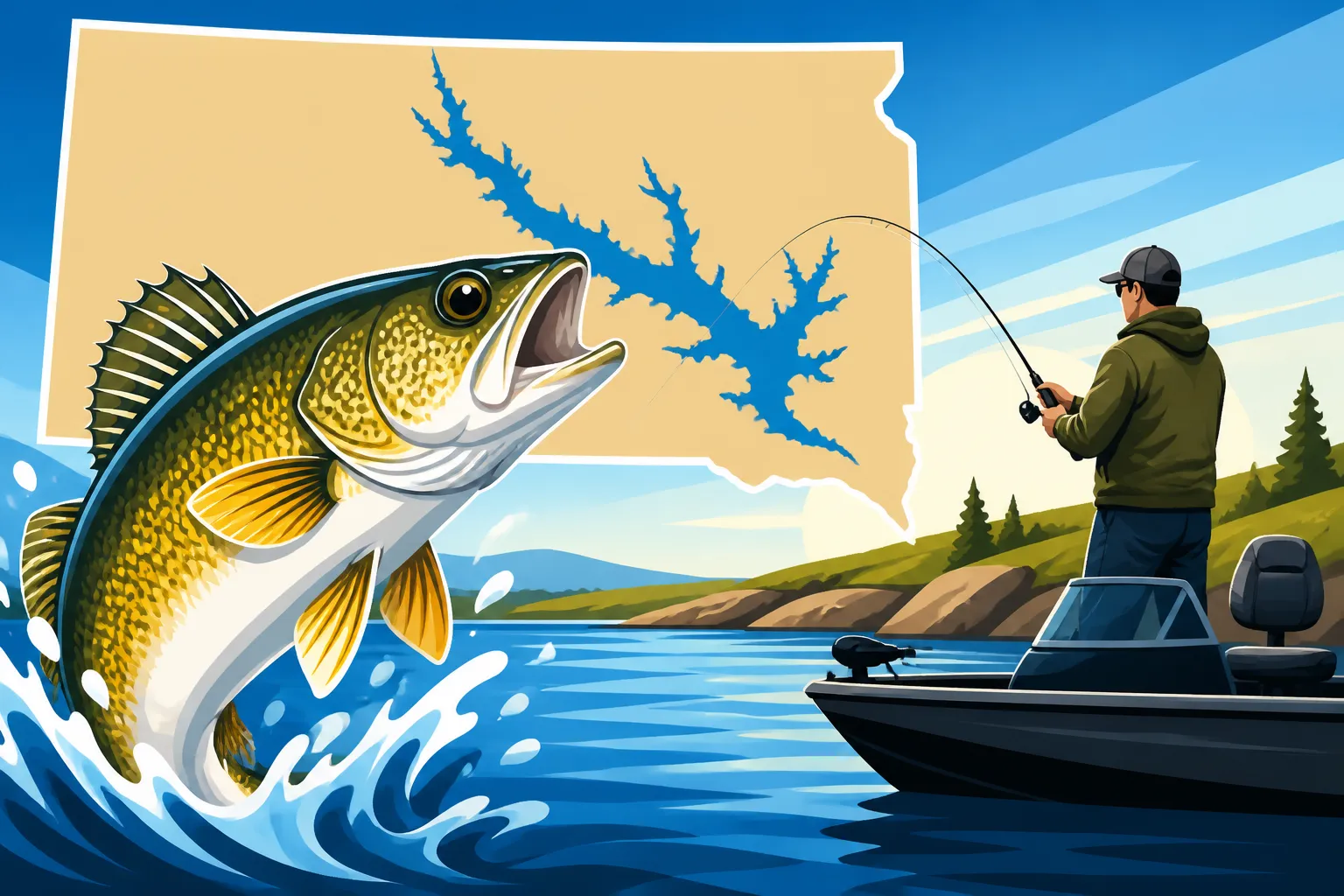
This reservoir stretches over 100 miles, from Fort Randall Dam near Pickstown all the way up to Big Bend Dam near Fort Thompson. Unlike a natural lake, it’s essentially a flooded river valley, which means it retains the distinct features of the old Missouri River channel. This channel, sometimes shallow, sometimes plunging to 50+ feet, is a critical highway for walleye, especially during migrations and in colder months.
Beyond the channel, you'll find expansive flats, some with remnants of timber or old roadbeds, while others are relatively featureless. The shoreline varies from steep riprap banks and rocky points to shallower, siltier bays and the mouths of feeder creeks like the White River or Whetstone Creek. These diverse structures create a multitude of habitats for walleye, from ambush points in riprap to foraging grounds on flats. The constant flow of the Missouri River through the reservoir also creates current seams, eddies, and subtle depth changes that concentrate baitfish and, in turn, walleye. Understanding where the channel runs, where the major points jut out, and where the flats taper off is crucial, often requiring good marine electronics and up-to-date mapping.
Walleye Forage and Behavior
The health of any walleye fishery is tied directly to its forage base, and Lake Francis Case is no exception. Walleye here primarily feast on gizzard shad, emerald shiners, yellow perch, and goldeyes. The abundance and distribution of these baitfish heavily influence where walleye will be found and what they’re willing to eat. For instance, if you're marking huge schools of gizzard shad suspended in open water, you can bet that walleye will be nearby, often relating to the edges of those schools or positioned below them, waiting for an easy meal.
Walleye are opportunistic predators, and their behavior shifts dramatically with water temperature, light conditions, and spawning cycles. They are generally more active in low-light conditions, making early mornings, evenings, and overcast days prime fishing times. During bright sunny days, they'll often retreat to deeper, shadier areas or hold tight to cover like submerged timber or the deeper edges of riprap. Their instinct to follow baitfish is paramount; finding the food usually means finding the walleye.
Seasonal Walleye Movements
Walleye in Lake Francis Case are creatures of habit, largely dictated by the seasons. Understanding their general migration patterns is key to being in the right place at the right time.
- Pre-Spawn (March-April): As ice recedes and water temperatures climb into the low 40s, walleye start migrating upstream, often concentrating in the upper reaches of the reservoir and below the Fort Randall Dam. They'll stage in deeper holes and current seams before moving into shallower spawning areas, which can be riprap banks, rocky points, or gravel bars.
- Post-Spawn (May-Early June): After the spawn, often when water temperatures hit the mid-40s to low 50s, walleye disperse from spawning grounds. They’re usually hungry and can be found recuperating on shallower flats, points, and humps where they can easily ambush baitfish. This is a fantastic time for aggressive feeding.
- Summer (June-August): As water temperatures soar into the 60s and 70s, walleye often move to deeper, cooler water. They'll relate to the main river channel, submerged humps, deep points, and major creek mouths. Night fishing can also be incredibly productive as walleye move shallow to feed under the cover of darkness.
- Fall (September-November): When water temperatures start to drop into the 50s, walleye begin a major feeding frenzy in preparation for winter. They'll become more active, moving between deeper summer haunts and shallower flats, chasing schools of baitfish. This can be one of the most exciting times to fish, with trophy walleye often caught.
Recognizing these general patterns will help you narrow down your search and select the most effective techniques for the current conditions.
Spring Walleye Fishing Report on Lake Francis Case
Spring on Lake Francis Case is a time of awakening, both for the reservoir and its hungry walleye. The key is understanding their pre- and post-spawn movements and capitalizing on their need to feed.
Pre-Spawn Strategies March-April
As the ice finally gives way, usually in March, walleye in Lake Francis Case begin their annual migration upstream, heading towards traditional spawning areas. The sections below the Fort Randall Dam and the main river channel leading up to it become prime real estate. Water temperatures are still chilly, typically in the low 40s, so walleye will often hold in deeper holes, current seams, and transition areas where they can expend less energy while still being close to potential spawning grounds.
This period calls for slower, more methodical presentations. Vertical jigging with a lively minnow, a jig and plastic combination, or even a blade bait is often deadly. Look for fish on your sonar, especially those suspended in the current breaks or hugging the bottom in 20-40 feet of water. Targeting the mouths of major creeks like the White River, where slightly warmer water might be flowing in, can also concentrate fish. Remember that during this time, fish are focused on conserving energy before the rigorous spawn, so a subtle, appealing presentation is often better than a fast, erratic one. Many anglers also find success slowly trolling lead core or snap weights with minnow-imitating crankbaits in these deeper channel areas.
Post-Spawn Action May-Early June
Once the spawn is complete, typically late April into early June, walleye are recovering and hungry. This is often when the fishing really heats up. They disperse from the spawning grounds and move onto shallower flats, points, and submerged humps, especially those with access to deeper water nearby. Water temperatures will be rising into the mid-50s and low 60s, activating both the walleye and their prey.
Trolling becomes a highly effective strategy during this post-spawn period. Long-lining crankbaits that mimic the local baitfish, like shad or shiners, can cover vast amounts of water and locate active schools. Bottom bouncers paired with spinner rigs or Slow Death Rigs tipped with nightcrawlers are also incredibly productive, especially when fished along the edges of flats or over submerged structure. For more specific advice, check out our guide on South Dakota Spring Walleye Fishing Techniques. The bite can be aggressive, with walleye willing to chase down a well-presented lure. Focus on depths of 8-20 feet, but be prepared to adjust as walleye will move based on light and baitfish activity.
Current Hotspots
While walleye can be found throughout Lake Francis Case, some areas consistently produce during the spring transition. The tailwaters directly below the Fort Randall Dam are always a major draw, offering a high concentration of fish as they stage or recover from spawning. Further up-reservoir, the mouth of the White River can be an excellent location, especially as it brings in warmer water and nutrients. The numerous points and flats around Platte and Chamberlain, particularly those with access to the old river channel, also hold large numbers of fish. For example, the deeper points around Pease Creek Recreation Area often hold good numbers of post-spawn fish. Remember, while these are known hotspots, walleye are always on the move, so having good electronics to mark bait and fish, and remaining mobile, will serve you best.
Summer Walleye Fishing Report on Lake Francis Case
Summer on Lake Francis Case brings warmer water, which means walleye often shift their patterns to deeper, cooler havens. Don't be fooled into thinking the bite slows down; it just changes!
Deep Water Patterns June-August
As the South Dakota summer sun beats down and surface temperatures climb into the 70s, walleye will generally retreat to the cooler, more stable environment of deeper water. This doesn't mean they're inactive; they're simply repositioning. You'll find them relating heavily to the main river channel, especially its breaks and ledges, as well as submerged humps, deep points, and any significant underwater structure that offers shade and cooler temperatures. Depths can range from 20-45 feet, sometimes even deeper, depending on the specific area and baitfish location.
This is a fantastic time for anglers who enjoy precision fishing with their electronics. Scanning for schools of baitfish, often gizzard shad, suspended over deeper water or clinging to structure, is paramount. Walleye will be nearby, either below the bait or on the edges of the schools, waiting to strike. Techniques like vertical jigging with heavier jigs tipped with plastics or live minnows, especially in the current seams of the old river channel, can be very effective. Trolling crankbaits that dive to deeper depths or using lead core to get shallower lures down to the fish are also popular methods. Our guide on Deep Water Summer Fishing Techniques offers even more insights into these strategies.
Night Fishing Opportunities
While many anglers pack up their gear as the sun dips below the horizon, summer on Lake Francis Case offers exceptional night fishing for walleye. As darkness falls, many walleye, especially the larger ones, move out of their deep-water haunts and into shallower feeding areas. They become less wary and more aggressive under the cover of darkness.
Focus your night fishing efforts on windy shorelines, shallow rocky points, and mud flats adjacent to deeper water. These areas often hold baitfish that move shallow at night, drawing the walleye in. Trolling shallow-diving crankbaits in dark colors (like black, purple, or blue) or casting and slowly retrieving them from shore or a gently drifting boat can be incredibly effective. Consider using a black light and fluorescent line to detect subtle bites. This isn't just for numbers; some of the biggest walleye of the season are caught after sunset on Lake Francis Case.
Effective Summer Lures and Baits
For summer walleye on Lake Francis Case, versatility is key. Your tackle box should be well-stocked for various situations.
- Crankbaits: Deep-diving crankbaits are essential for trolling in deeper water. Brands like Berkley Flicker Shad, Rapala Shad Raps, and Salmo Hornets are popular choices, in colors that mimic shad or perch. For night fishing, shallow-diving crankbaits in dark colors are great.
- Spinner Rigs/Bottom Bouncers: These are perennial favorites, especially when fished with live bait. Rigging a bottom bouncer with a spinner blade and a juicy nightcrawler is hard to beat for covering flats and contours. You can also experiment with leeches.
- Jigs: Both hair jigs and soft plastic jigs (like Berkley Gulp! Minnows or Trigger X) are effective for vertical jigging structure or casting towards points. Pair them with a live minnow for added appeal in tough bites.
- Live Bait: Don't underestimate the power of live bait. Nightcrawlers, leeches, and shiners are all excellent choices, whether fished on a slip bobber, a bottom bouncer, or simply jigged.
Always carry a variety and be willing to experiment. Sometimes a subtle change in color, retrieve speed, or bait presentation can make all the difference. Many anglers find success by booking a trip through platforms like FishingBooker to learn from experienced local guides who know the latest summer patterns and bait preferences.
Fall Walleye Fishing Report on Lake Francis Case
Fall is often hailed as the best time to catch trophy walleye on Lake Francis Case. As water temperatures cool, the walleye enter a major feeding period, putting on weight for the winter ahead.
Transition Period September-October
As summer fades into fall, usually from September through October, Lake Francis Case undergoes a significant transformation. The water temperatures begin their slow decline from the summer highs, moving into the 60s and then 50s. This cooling trend signals a shift in walleye behavior: they become much more active and aggressive, moving between their deeper summer haunts and shallower feeding areas, chasing schools of baitfish that are also actively feeding.
This transition period is characterized by walleye moving more freely throughout the water column and across different structures. You'll find them actively migrating along the main river channel breaks, but also pushing up onto large flats, points, and humps during feeding windows. They are less confined to specific depths and can be anywhere from 10 to 30 feet, sometimes even shallower if baitfish are present. This time of year often sees incredible fishing as walleye gorge themselves.
Prime Locations for Fall Feeding Frenzy
During the fall feeding frenzy, certain areas of Lake Francis Case consistently light up with walleye activity. Look for large, expansive flats that are adjacent to deeper water, as baitfish will often congregate here, attracting hungry walleye. Submerged humps and main lake points that create current breaks are also excellent targets, particularly if they have rocky or gravel bottoms.
The lower half of the reservoir, from Chamberlain south to the Fort Randall Dam, often sees a strong fall bite, as fish begin to stack up for winter. The river section below the Big Bend Dam also becomes active again. Pay close attention to areas where baitfish schools are visible on your electronics; walleye won't be far behind. Shore anglers can also find success casting from riprap banks during low-light conditions, as walleye push minnows against the rocks. For more insights on techniques tailored for this period, our South Dakota Fall Walleye Fishing Techniques guide is a great resource.
Crankbait Trolling and Jigging
Fall on Lake Francis Case is prime time for aggressive fishing techniques, particularly crankbait trolling and active jigging.
- Crankbait Trolling: This is arguably the most popular and effective method in the fall. Walleye are actively chasing bait, and trolling allows you to cover vast areas and present a consistent, moving target. Experiment with different sizes and diving depths of crankbaits, mimicking the prevalent baitfish. Colors that are natural (shad, perch) or brighter (firetiger, clown) can both be effective depending on water clarity and light conditions. Vary your trolling speed until you find what triggers bites. Using planer boards can help spread out your lines and cover even more water, especially on busy days.
- Jigging: When you locate schools of walleye concentrated on structure, vertical jigging can be incredibly productive. Use heavier jigs (1/2 to 3/4 oz, or even 1 oz in heavy current) tipped with soft plastics, a large minnow, or a piece of nightcrawler. Drop the jig directly onto the fish you see on your sonar and use an aggressive lift-drop retrieve. Blade baits are also fantastic for vertical jigging in the fall, emitting strong vibrations that walleye can't resist.
Many experienced anglers on Lake Francis Case will often combine these approaches, trolling to locate active fish and then switching to jigging once a concentration is found.
Winter Walleye Fishing Report and Ice Fishing
While Lake Francis Case isn't as famous for its ice fishing as some of the glacial lakes to the east, it certainly offers unique opportunities, especially during the early and late ice periods.
Late Fall/Early Winter
As fall progresses into late November and December, and water temperatures dip into the low 40s, walleye continue their pre-winter feeding. This is a critical time when they often stack up in deeper holes and transition areas before the main body of the lake freezes over. These deep-water concentrations can offer incredible boat fishing opportunities right up until ice-in. Look for deep main channel bends, the deepest parts of major creek mouths, and areas just upstream from the Fort Randall Dam. Trolling deep-diving crankbaits or vertical jigging with large minnows or blade baits in these deep zones can yield significant numbers of fish, including some of the largest walleye of the year. The fish are often schooled tightly, so once you find them, the action can be fast and furious.
Ice Fishing Opportunities
When Lake Francis Case finally freezes over, typically in late December or January, protected bays and shallower northern sections offer accessible and often productive ice fishing. While the main channel often stays open or forms dangerous thin ice due to current, areas like the Platte Creek arm or certain protected coves near Chamberlain can provide safe ice for anglers. It’s crucial to exercise extreme caution with ice on a large, flowing reservoir like Lake Francis Case. Always check local conditions and ice thickness before venturing out.
Common targets for ice anglers on Lake Francis Case include walleye, as well as northern pike and perch. The ice fishing season typically runs through February, sometimes into early March, depending on the severity of the winter. Even though it might not have the same "numbers" reputation as some smaller, shallower lakes, the potential for a trophy walleye through the ice is always present. For general ice fishing wisdom, check out our comprehensive South Dakota Ice Fishing Guide.
Techniques and Bait for Cold Water
Cold water walleye fishing, whether through the ice or during late-fall boat fishing, demands a refined approach. Fish metabolism slows down, so presentations need to be subtle and enticing.
- Small Jigs and Spoons: For ice fishing, small, flashy spoons (like Northland Forage Minnow Spoons or Acme Kastmasters) jigged aggressively to attract attention, then slowly reeled up, are very effective. Small tungsten jigs tipped with a maggot, waxworm, or small piece of plastic are also deadly, especially when fished just above the bottom.
- Live Minnows: A crucial bait for cold water. Whether fished on a plain hook under a bobber, on a small jig, or on a tip-up, a lively minnow is often irresistible to lethargic walleye. Shiners, fatheads, or even small suckers are excellent choices. Position your minnow just a foot or two off the bottom or slightly above any marked fish.
- Slow Presentations: Regardless of your chosen lure, remember that in cold water, a slow, deliberate retrieve or jigging action is often better than a fast, erratic one. Walleye aren't usually willing to chase aggressively, so give them time to find and commit to your bait.
Always bring an ice auger, a good ice fishing shelter, and plenty of warm gear to stay comfortable during the long winter days on the ice.
Essential Gear and Techniques for Lake Francis Case Walleye
Being properly equipped is half the battle when targeting walleye on a massive body of water like Lake Francis Case. The right gear and a versatile approach will boost your success significantly.
Rods, Reels, and Line
Choosing the right rod, reel, and line setup is paramount for effective walleye fishing on Lake Francis Case, especially given the variety of techniques you might employ.
- Trolling Setups: For trolling crankbaits or bottom bouncers, a medium-heavy action rod, 7 to 8.5 feet long, with a moderate fast tip, is ideal. This length helps spread lines and absorbs the shock of strikes and waves. Pair this with a baitcasting reel spooled with 10-14 lb monofilament or braided line (with a fluorocarbon leader) for good abrasion resistance and knot strength. Check out our guide on Best Fishing Rods and Reels for Walleye for specific recommendations.
- Jigging/Casting Setups: For vertical jigging or casting soft plastics and jigs, a medium-light to medium action spinning rod, 6.5 to 7 feet long, with a sensitive fast tip, is perfect. This allows you to feel subtle bites and effectively work your lures. A quality spinning reel in the 2500-3000 size range, spooled with 8-10 lb braided line and a 6-10 lb fluorocarbon leader, provides excellent sensitivity and casting distance.
- Line Choice: Braided line offers superior sensitivity and strength for its diameter, making it great for jigging and feeling those light walleye bites. However, its visibility often necessitates a fluorocarbon leader. Monofilament remains popular for its stretch (which can be good for trolling) and ease of use.
Electronics and Navigation
On a reservoir as vast and feature-rich as Lake Francis Case, high-quality marine electronics are not a luxury; they're a necessity. A good fish finder with GPS and detailed mapping will be your best friend.
- Fish Finder: Look for units with high-resolution screens and features like Down Imaging and Side Imaging. These technologies allow you to see structure, baitfish schools, and individual walleye, not just directly beneath your boat, but also off to the sides. This is invaluable for locating submerged humps, channel breaks, and brush piles that hold fish.
- GPS and Mapping: Integrated GPS with detailed lake maps (like those offered by Humminbird or Garmin) allows you to navigate safely, mark waypoints for productive spots, and follow contour lines precisely. You can save your "hot spots" and return to them time and again. Without good mapping, finding those subtle, fish-holding structures on such a large lake can be incredibly difficult. Learn How to Read Contour Lines on a Lake Map to maximize your navigation.
- Trolling Motor with Spot-Lock: A bow-mounted electric trolling motor with GPS-controlled "Spot-Lock" (Minn Kota's i-Pilot or Lowrance's Ghost) is a game-changer. It allows you to hold your boat precisely over a hot spot or along a contour without having to constantly adjust with your main motor or anchor, freeing you up to focus solely on fishing.
Boat and Safety Considerations
Lake Francis Case is a large, open body of water that can become rough quickly, especially with strong South Dakota winds. Selecting the right boat and prioritizing safety are non-negotiable.
- Boat Type: While smaller boats can fish the protected bays, a larger, deep-V fishing boat (18-22 feet) is highly recommended for safely navigating the main lake and its often choppy waters. These boats handle waves much better, providing a more comfortable and secure fishing platform. Features like a spacious livewell, rod storage, and ample deck space are also highly beneficial for walleye fishing.
- Safety Gear: Always have all required safety equipment on board. This includes correctly sized South Dakota Life Jacket Requirements for everyone, a throwable flotation device, a whistle or horn, navigation lights (if fishing before sunrise or after sunset), and a fire extinguisher. It's also wise to carry a first-aid kit, a fully charged cell phone, and extra layers of clothing. For a complete list of requirements, refer to the South Dakota Boat Safety Requirements.
- Weather Awareness: Constantly monitor the weather forecast. High winds can turn Lake Francis Case into a dangerous place in a matter of minutes, creating significant wave action. If the forecast looks questionable, consider fishing a more protected area or rescheduling your trip. It's always better to be safe than sorry.
Planning Your Trip and Local Resources
A successful fishing trip to Lake Francis Case goes beyond just knowing where and how to fish; it involves good planning and tapping into local knowledge.
Where to Launch and Stay
Lake Francis Case offers numerous access points and communities that cater to anglers, making it easy to plan your base camp.
- Boat Ramps: There are excellent public boat ramps strategically located along the reservoir. Key launch points include the Fort Randall Dam Recreation Area near Pickstown, Pease Creek Recreation Area and Platte Creek Recreation Area near Platte, and the American Creek Recreation Area near Chamberlain. These ramps are well-maintained and typically offer ample parking. For a detailed list of facilities, consult our guide on Lake Francis Case Boat Ramps and Access Points.
- Lodging: Each of these towns—Pickstown, Platte, and Chamberlain—offers a variety of lodging options, from motels and cabins to RV parks and campgrounds. You'll find amenities that cater to fishermen, including bait shops, fuel, and local diners. Making reservations in advance, especially during peak fishing seasons like spring and fall, is always a good idea. Many local resorts also offer cabins with direct lake access.
Hiring a Guide
For first-timers or those looking to quickly get dialed into the current bite, hiring a professional fishing guide on Lake Francis Case can be an invaluable investment. Local guides live and breathe this water; they know the seasonal patterns, the subtle nuances of the lake, and what baits are hot right now.
A good guide can teach you new techniques, show you productive spots you might otherwise miss, and provide an up-to-the-minute fishing report. They also provide all the necessary gear, meaning you just need to show up ready to fish. Platforms like FishingBooker make it easy to find and book reputable Lake Francis Case walleye guides, compare their services, and read reviews from other anglers. It’s a fantastic way to accelerate your learning curve and maximize your chances of a successful outing.
Checking Current Conditions
Staying informed about current conditions is crucial for safety and success. Lake Francis Case is a dynamic system, and things can change rapidly.
- South Dakota Game, Fish and Parks (GFP): The GFP website is your official source for all things fishing in South Dakota. They provide weekly fishing reports, water levels, access information, and critical updates on regulations, including South Dakota Walleye Limits. Always check their site before heading out.
- Local Bait Shops and Marinas: These are goldmines of real-time information. Stop in, chat with the owners, and ask about recent catches, water clarity, and what baits are working. They often have the most current "word on the street" regarding fishing conditions.
- Weather and Water Levels: Monitor weather forecasts closely for wind, storms, and temperature changes. Also, keep an eye on the U.S. Army Corps of Engineers website for current water levels and discharge rates, as these can affect current and fish positioning, particularly in the river sections of the reservoir.
By combining personal scouting with these reliable resources, you’ll be well-prepared for a fantastic walleye fishing experience on Lake Francis Case.
Fishing Report Table: Lake Francis Case Walleye by Season
To give you a quick overview of what to expect, here’s a table summarizing the general walleye patterns, typical depths, and recommended techniques for Lake Francis Case throughout the year.
| Season | Primary Location Type | Typical Depths | Key Walleye Behavior | Recommended Techniques & Baits |
|---|---|---|---|---|
| Spring | Upstream sections, dam tailwaters, creek mouths, main channel breaks, shallower flats | 10-30 ft (pre-spawn), 8-20 ft (post-spawn) | Pre-spawn staging, post-spawn recovery and aggressive feeding | Vertical jigging (minnows/plastics), slow trolling crankbaits, bottom bouncers with spinners/nightcrawlers |
| Summer | Main river channel breaks, submerged humps, deep points, main lake structure | 20-45+ ft (day), 5-15 ft (night) | Seeking cooler, deeper water; active feeding during low light | Deep trolling crankbaits, vertical jigging, bottom bouncers, night fishing with shallow crankbaits |
| Fall | Large flats, humps, main lake points, channel edges | 10-35 ft | Major feeding frenzy in preparation for winter | Aggressive trolling with crankbaits, vertical jigging (minnows/plastics/blade baits), casting |
| Winter | Deep holes, main channel bends (boat), protected bays (ice) | 25-50 ft (boat), 10-25 ft (ice) | Lethargic, concentrated in deep areas; light feeding | Slow vertical jigging (small spoons/jigs), live minnows on tip-ups or bobbers, large minnows for boat fishing |
Disclaimer
The information provided in this guide is for general informational purposes only and is based on typical patterns and reports. Fishing conditions, regulations, and fish behavior can vary greatly due to weather, water levels, and other environmental factors. Always consult the official South Dakota Game, Fish and Parks (GFP) regulations and current local reports before heading out on the water. Exercise caution and prioritize safety on the water.