South Dakota Boat Motor Horsepower Rules
The tangle of rules around boat motor horsepower in South Dakota can feel like trying to untie a stubbornly knotted fishing line after a long day on the water. You just want to enjoy the beautiful lakes and rivers, but the worry of unknowingly breaking a rule, especially regarding your motor, can certainly dampen the fun. This guide aims to clear up the confusion surrounding South Dakota's boat motor horsepower regulations, helping you navigate the waters confidently and legally.
Understanding South Dakota's General Horsepower Regulations
It's natural to feel a bit overwhelmed when trying to decipher all the regulations governing our precious waterways. Many boaters, myself included, have stood by the ramp, scratching their heads and wondering why there are so many specific rules, especially when it comes to something as fundamental as the power pushing your boat. Let's break down the general framework for boat motor horsepower in South Dakota and shed some light on the reasoning behind it all.
Why Horsepower Limits Exist
It's easy to look at a rule and think, "Why do they even have this?" especially when it comes to something like your boat's motor. But those horsepower limits aren't there just to be an annoyance; they're thoughtfully put in place for a few very good reasons. Primarily, safety is a huge factor. An overpowered boat can be incredibly difficult to control, especially for an inexperienced operator or in challenging conditions like a sudden gust of wind or choppy water. It increases the risk of accidents for everyone on the water – you, your passengers, and other boaters. Imagine trying to make a sharp turn or stop quickly with too much power; it can be a recipe for disaster.
Beyond immediate safety, there's also the environmental impact to consider. Larger, more powerful motors often create bigger wakes, which can cause significant erosion along shorelines. This erosion can damage critical fish habitats, nesting sites for birds, and simply degrade the natural beauty of our waterways. Think about those fragile marshy areas or sandy banks; a constant pounding from large wakes can turn them into muddy messes, impacting everything from small minnows to larger game fish. There's also the noise factor; some areas are designated for quieter enjoyment, and a roaring engine certainly doesn't fit that bill, disturbing wildlife and other outdoor enthusiasts.
These regulations also help maintain a more equitable and enjoyable experience for all water users. Imagine trying to peacefully kayak or paddleboard on a small lake while high-horsepower boats are constantly zooming by, creating turbulent water. It impacts everyone's ability to recreate safely and pleasantly, whether they're fishing, swimming, or just enjoying the scenery. So, while it might feel restrictive at times, these limits are really about balancing different uses and protecting our precious natural resources for future generations of anglers and boaters. It’s about ensuring everyone can share and enjoy South Dakota's incredible aquatic playground responsibly.
State-Wide vs. Localized Restrictions
Here's where it can get a little tricky, and it’s a point of frustration for many boaters: the rules aren't always a "one size fits all" situation across the entire state. South Dakota does have general guidelines, of course, but many specific water bodies have their own unique restrictions. You might be perfectly legal with a 75 HP motor on a vast expanse of Lake Oahe Fishing Guide, only to find that same motor is completely prohibited or heavily restricted on a much smaller, quieter lake just down the road. It’s a common scenario that can catch unwary anglers off guard.
These localized restrictions are often determined by the size and nature of the water body, its primary use (e.g., a quiet fishing pond versus a large recreational lake), and local conservation efforts. State parks, for instance, often have very specific rules for their interior lakes and ponds, sometimes limiting motors to just electric or very low horsepower. These smaller, more fragile ecosystems benefit greatly from reduced boat traffic and lower power outputs. Always remember that when you pull your boat into a new area, the first thing you should be doing is looking for signage or checking the local regulations. What was permissible on the Missouri River might not be on a small glacial lake in eastern South Dakota. It's a bit like driving: speed limits change, and you wouldn't assume the highway limit applies to a residential street, right? The same caution applies to boating, and a little homework upfront can save a lot of headaches later.
Specific Horsepower Restrictions on South Dakota Waters
It's one thing to understand the general philosophy behind horsepower rules, but it's another to know the nitty-gritty details of where and when these rules apply. South Dakota's diverse waterways, from vast reservoirs to serene ponds, each have their own character and, consequently, their own specific regulations. Missing these details can quickly turn a relaxing day into a frustrating encounter with law enforcement.
No Wake Zones and Restricted Areas
Even if your boat has a mighty engine, there are many places in South Dakota where that horsepower effectively drops to near zero, or at least to idle speed. These are our "no wake zones," and they’re incredibly important for safety and protecting the shoreline. You’ll typically find these zones near boat ramps, docks, marinas, swimming areas, and often in narrow channels or coves. The idea is to create minimal disturbance on the water, preventing dangerous collisions, protecting people in the water, and mitigating wake damage to parked boats or fragile banks. Creating a large wake in one of these areas is not only inconsiderate but also a clear violation.
While your 200 HP outboard is still attached to your boat, operating it in a no-wake zone means you’re essentially running it just above idle, creating no perceptible wake behind your vessel. It doesn't mean you can't have a powerful motor, but it dictates how you use it in specific locations. Imagine pulling up to a busy boat launch at Lewis and Clark Lake Boat Ramps Near Yankton; you can bet there will be a no-wake rule in effect to ensure everyone can launch and retrieve their boats safely. Failing to adhere to these can not only net you a hefty fine but also puts other boaters and swimmers at risk. Always look for the orange buoys or signs indicating these zones, and always err on the side of caution – if you think you might be making a wake, you probably are, and it's time to slow down even more. Your courtesy and compliance go a long way in ensuring pleasant experiences for everyone on the water.
Designated "Electric Motors Only" Lakes and Ponds
Beyond general horsepower limits and no-wake zones, South Dakota has a number of beautiful, serene water bodies where only electric motors are allowed. These "electric motors only" regulations are often put in place to preserve the tranquility of smaller lakes and ponds, making them perfect havens for paddle sports, bank fishing, and anglers who prefer a quieter experience. It’s also a powerful tool for environmental protection, significantly reducing noise pollution, exhaust emissions, and the risk of aquatic invasive species transfer often associated with larger, gas-powered engines. These peaceful spots are cherished by those seeking a more traditional and undisturbed connection with nature.
You'll typically find these types of restrictions on smaller, more secluded lakes, particularly within state parks or city recreation areas. For example, many of the smaller, managed ponds that are part of the South Dakota State Park Fishing Ponds initiatives often fall under these rules. These spots are fantastic for families and those looking for a peaceful day of fishing for panfish or smaller bass without the constant buzz of outboards. If you're planning a trip to one of these gems, double-check the rules for that specific lake or pond before you even hitch up your boat. Using a gas motor, even a small one, where only electric is allowed, is a clear violation and will likely result in a ticket. If you're in the market for an electric motor, retailers like Bass Pro Shops or online platforms such as Amazon offer a wide range of options suitable for these quiet waters, allowing you to comply and still enjoy excellent fishing.
Practical Considerations for Boat Motor Horsepower
Navigating the rules isn't just about avoiding a ticket; it's about making smart, safe choices for your boating experience. The horsepower of your motor isn't an arbitrary number; it's deeply tied to the design and capabilities of your specific boat. Overlooking these practical considerations can lead to more than just legal trouble—it can compromise your safety and the longevity of your equipment.
Matching Your Motor to Your Boat's Capacity Plate
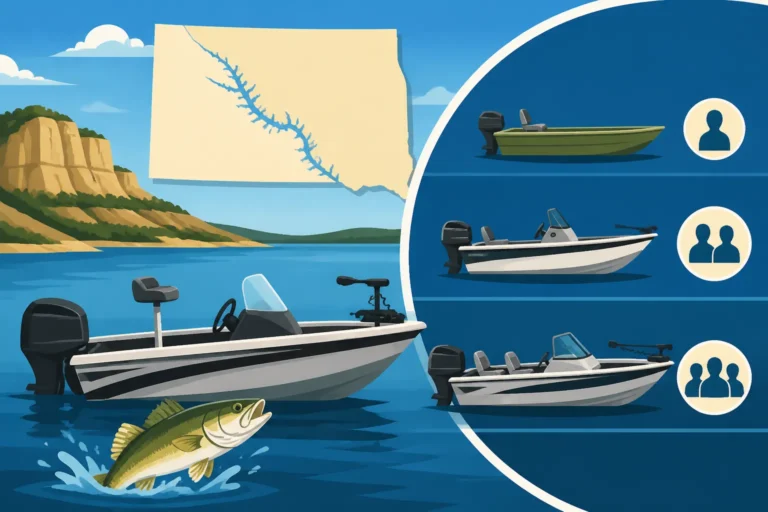
This is perhaps the most crucial rule of all, and it's often overlooked by new and even some experienced boaters: every powered recreational boat 20 feet or less in length built after 1972 is required to have a capacity plate. This little plate, usually found near the helm or on the transom, is your boat's personal instruction manual from the manufacturer. It explicitly states the maximum weight capacity, the maximum number of people, and—you guessed it—the maximum horsepower rating the boat can safely handle. Ignoring this plate isn't just a suggestion; it's a serious safety hazard and a legal violation.
Think of it like this: the manufacturer designed your boat with specific structural integrity, hull dynamics, and flotation capabilities in mind. Bolting on a motor that exceeds that maximum horsepower can dangerously compromise these factors. You might experience instability, difficulty steering, a tendency for the bow to rise too high during acceleration (making it hard to see), or even structural damage to the transom over time from excessive stress. A game warden isn't going to care if you "just got a good deal" on a slightly oversized motor; if it exceeds that plate's rating, you're in violation. Always check that plate before you even think about buying a new motor. It's the law, and more importantly, it's for your safety and the safety of your loved ones on the water, ensuring your boat performs as intended under safe conditions.
Impact of Horsepower on Boat Handling and Safety
The horsepower of your boat's motor isn't just about how fast you can go; it profoundly impacts how your boat handles, especially in adverse conditions. An appropriately powered boat will feel balanced, respond predictably to steering, and allow for safe acceleration and deceleration. It’s like a well-matched horse and rider – they work in harmony, making the experience smooth and controlled. However, an overpowered boat can be a handful, feeling squirrelly and unpredictable, especially when you need it to perform precisely. When you hit a rogue wave on Lake Sharpe Fishing Guide, an overpowered boat might react violently, potentially throwing passengers or gear overboard, or even capsizing in extreme cases.
Beyond the immediate physical dangers, there are other ramifications. Your boat's insurance policy, for example, might have clauses regarding manufacturer's recommendations. If you're involved in an accident and it's found that your motor exceeded the boat's maximum horsepower rating, your insurance company might deny your claim, leaving you responsible for all damages and medical costs. Furthermore, learning to handle an overpowered boat safely requires exceptional skill and constant vigilance, which takes away from the enjoyment of your fishing trip. It’s simply not worth the risk, both legally and practically, to push those limits. Prioritize safe, predictable handling over raw, unnecessary power, and always make sure your boat is equipped for stability and control.
Common Misconceptions and FAQs About HP Rules
It's easy to fall into traps of common misunderstandings when it comes to boating regulations. Many anglers, with good intentions, still operate under assumptions that could lead to trouble. Let's tackle some of these prevalent myths and clarify the straightforward truth about South Dakota's boat motor horsepower rules. Clearing up these points can save you a lot of grief and ensure you stay on the right side of the law.
"My Motor is Just Slightly Over" and Other Gray Areas
We hear it all the time: "It's only 5 more horsepower than the plate allows, surely that's not a big deal?" Or, "The manufacturer's rating is just a suggestion, right?" This kind of thinking can lead to serious trouble. In the eyes of the law and for the sake of safety, "slightly over" is still over. If your boat's capacity plate clearly states a maximum of 50 horsepower, a 55 horsepower motor is a violation. There's no gray area when it comes to those numbers printed on the plate; they are absolute limits established for the safety and integrity of your vessel.
This misconception often stems from a desire for a little more speed or power, or perhaps finding a "deal" on a used motor that's close but not quite compliant. However, those few extra horses can alter the boat's balance, performance, and safety characteristics in ways that aren't immediately apparent during calm conditions. When the wind picks up on Lake Francis Case Fishing Guide or you encounter another boat's wake, that "slight" difference can become significant, making the boat harder to control and less stable. It's critical to treat these ratings as strict boundaries, not flexible suggestions. A violation is a violation, regardless of how minor the angler perceives the difference to be, and enforcement officials are trained to uphold these clear guidelines.
Enforcement and Penalties for Violations
So, what actually happens if you're caught violating South Dakota's boat motor horsepower rules? Game wardens and other law enforcement officials patrolling our waterways are well-versed in these regulations, and they take them seriously. They're not just looking for folks fishing without a license; they're also checking boat registrations, safety equipment, and, yes, motor compliance. If they determine your motor exceeds your boat's capacity plate or you're operating an internal combustion engine on an "electric motors only" lake, you're looking at a citation. These officers are dedicated to ensuring everyone's safety and protecting our natural resources.
The penalties can vary, but typically involve fines and could potentially lead to further action depending on the severity and whether it's a repeat offense. It’s similar to getting caught for South Dakota Fishing Without a License Penalties – it's a legal infraction that has consequences. Beyond the monetary fine, you might be required to remove the non-compliant motor from the water immediately, which could cut your fishing trip short and leave you scrambling. It's simply not worth the risk of a ticket, the potential safety hazards, or the disruption to your day to ignore these clear and established rules. Compliance makes for a stress-free and enjoyable experience for everyone, allowing you to focus on the joy of fishing rather than the worry of repercussions.
How to Ensure Compliance and Stay Informed
Staying on top of boating regulations can feel like a moving target, but it doesn't have to be. With the right resources and a proactive approach, you can easily ensure your boat and motor are always in compliance. This means less worry for you and more peaceful days enjoying the incredible fishing South Dakota has to offer.
Resources for Checking Specific Waterbody Rules
The best defense against unknowingly breaking a rule is knowledge! Thankfully, South Dakota makes it pretty straightforward to find the information you need. The South Dakota Game, Fish and Parks (GFP) is your absolute go-to resource. They publish a comprehensive annual fishing handbook that details all the regulations, including any specific horsepower limits for particular lakes or rivers. Think of it as your essential guide for everything from South Dakota Walleye Limits to boat rules, and it's updated annually. Always keep a current copy handy, either a physical one or digitally on your phone, so you can reference it on the go.
Beyond the handbook, the GFP website is a treasure trove of information. Many lakes have dedicated pages with specific rules clearly listed, often highlighting special conditions or restrictions. When you arrive at a public boat launch or state park, also keep an eye out for posted signage. These signs are there for a reason and will often alert you to immediate, localized rules like "No Wake" zones or "Electric Motors Only" before you even get your boat in the water. A quick check of these resources before you launch can save you a world of trouble and ensure your day on the water is filled with enjoyment, not anxiety about regulations. Staying informed is the easiest way to stay legal and safe.
Upgrading or Replacing Your Boat Motor Responsibly
Whether you're looking to replace an old motor or upgrade to something different, doing it responsibly means considering the horsepower rules from the outset. Don't just pick the biggest motor you can afford; pick the right motor for your boat and where you plan to use it. Start by re-checking that capacity plate on your boat. If you’re buying a new boat, ensure the dealer walks you through the capacity limits and helps you choose an appropriately sized motor that aligns with the manufacturer's recommendations. Reputable marine centers, like those you might find at Bass Pro Shops, are excellent places to get informed advice and ensure compatibility.
When browsing online, perhaps on a site like Amazon, pay close attention to the motor's specifications and cross-reference them diligently with your boat's capacity. Consider the primary type of fishing you do – do you need to cover vast distances quickly on Lake Oahe Walleye Hotspots Near Mobridge, or are you mostly puttering around smaller, calmer waters? This will influence your ideal horsepower within the legal limits. Additionally, remember to familiarize yourself with South Dakota Boat Safety Requirements as part of any upgrade process. And if you’re selling an old motor or buying a used one, be transparent about its horsepower and ensure the buyer understands their boat’s limitations. Taking these steps not only keeps you compliant but also ensures you have a safe, efficient, and enjoyable experience on the water for years to come.
South Dakota Boat Motor Horsepower Considerations Table
| Water Body Type | Typical Horsepower Considerations | Key Action for Anglers |
|---|---|---|
| Large Reservoirs (Oahe, Sharpe) | Generally higher HP allowed, but specific no-wake zones exist. | Check for marked no-wake areas, particularly near ramps/docks. |
| Medium Lakes (Francis Case, Lewis & Clark) | Good for diverse HP, but more localized no-wake or speed restrictions. | Review specific lake maps and signage for unique regulations. |
| Small Lakes/Ponds (State Parks) | Often have strict limits, frequently "Electric Motors Only." | Always verify rules for each specific pond before launch. |
| River Sections (Missouri River) | Generally open, but expect speed limits in specific zones or channels. | Be aware of current conditions and common sense safety. |
| Designated Trout Streams | Typically restricted to very low or no motor use; often fly-fishing only. | Assume no motor unless explicitly stated otherwise. |
Disclaimer
This article is for general informational purposes only and does not constitute professional advice. Laws, prices and regulations vary by location and change over time. Consult a qualified professional for guidance on your specific situation.