Why Belle Fourche Reservoir Has Different Walleye Rules
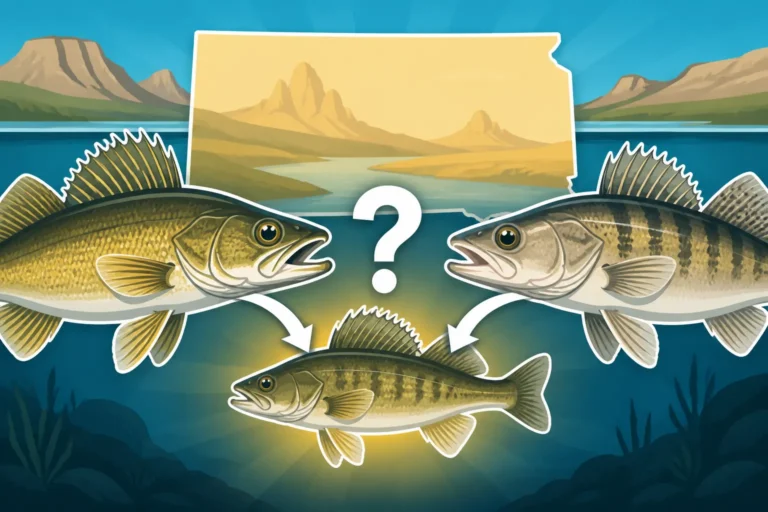
It can be incredibly frustrating when you're geared up for a fantastic day of walleye fishing in South Dakota, only to realize the rules for one particular body of water are completely different from everywhere else. Anglers often find themselves scratching their heads when they arrive at Belle Fourche Reservoir, wondering why its walleye regulations don't align with the standard statewide limits. This guide is here to unravel that mystery, explaining the unique challenges Belle Fourche faces and the thoughtful biological strategies behind its distinct walleye management.
Understanding the Unique Walleye Challenge at Belle Fourche Reservoir
Belle Fourche Reservoir, nestled in the scenic western part of South Dakota, offers some incredible fishing opportunities, but its walleye population has a story all its own. Unlike some of the state's sprawling Missouri River reservoirs or the nutrient-rich glacial lakes, Belle Fourche presents a unique set of circumstances that require a tailored approach to fisheries management.
The History and Ecosystem of Belle Fourche
Belle Fourche Reservoir, also known as Orman Dam, was actually one of the earliest large irrigation projects in the country, completed way back in the early 1900s. Its primary purpose was, and still is, agricultural irrigation. This means its water levels can fluctuate more significantly than natural lakes, and its ecosystem has evolved under these conditions. The reservoir is relatively shallow in many areas, and its aquatic vegetation and forage base can differ from deeper, more stable environments. When walleye were introduced and stocked over the years, they found a habitat that, while productive, didn't always support the same growth patterns seen in other South Dakota waters. The challenge for fisheries biologists has always been how to make the most of this unique environment for both the fish and the anglers who love to pursue them. The goal is always to foster a healthy, thriving population that can sustain itself and provide quality fishing experiences for years to come.
The Problem: Stunted Walleye and Overpopulation
The specific challenge that emerged at Belle Fourche Reservoir was a classic case of too many mouths to feed, leading to what fisheries managers call "stunted growth." Imagine a pasture with too many cows; none of them get truly fat. That's essentially what happened with the walleye. The reservoir became overpopulated with a high density of smaller walleye, all competing for a limited food supply. While there were plenty of fish, many of them never seemed to reach that desirable eating size or trophy potential that anglers often seek. They grew slowly, if at all, and the overall health and average size of the population suffered. This isn't just an inconvenience for anglers; it can indicate an imbalance in the ecosystem, where the walleye are outstripping their food source, primarily smaller baitfish. In contrast, many of South Dakota's other premier walleye waters, like Lake Oahe or Lake Sharpe, have vast ecosystems and robust forage bases that support faster growth and larger average sizes, making their standard regulations perfectly suitable.
The Specific Regulations: What Makes Them Different?
To combat the issue of stunted growth and overpopulation at Belle Fourche, fisheries managers implemented a specific set of regulations designed to rebalance the walleye population. These rules are distinct from the general statewide regulations you might encounter at other popular fishing spots, and understanding them is key to a successful and legal fishing trip to the reservoir.
Belle Fourche Walleye Slot Limit Explained
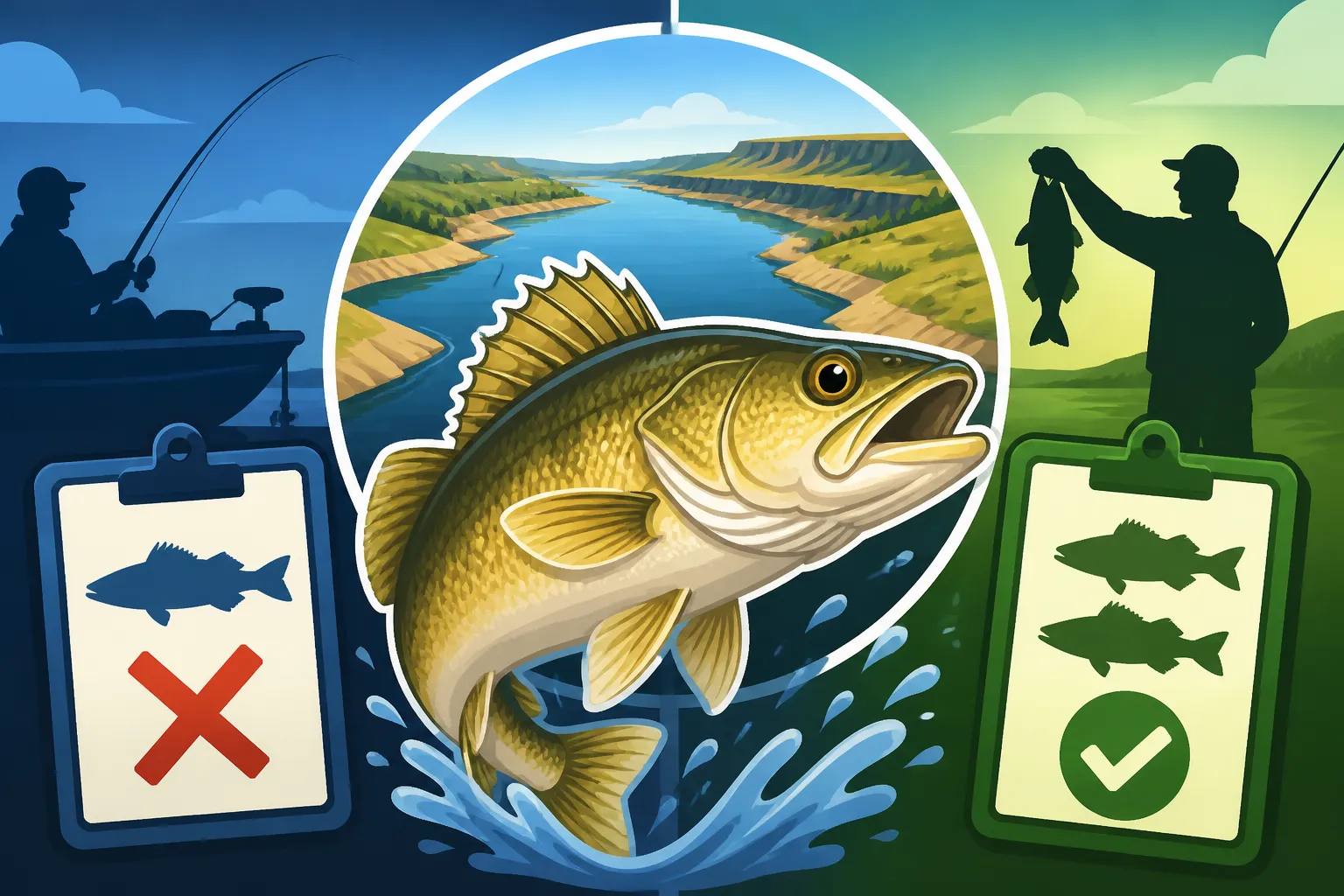
The most significant difference at Belle Fourche Reservoir is its walleye slot limit. This isn't just about how many fish you can keep, but which fish you can keep. A protected slot limit means any walleye that falls within a specific middle-range size, for example, a fish that's not too small but not quite a trophy, needs to be immediately returned to the water. The idea is to protect those mid-sized fish, giving them a chance to grow larger and become future spawners, while encouraging anglers to harvest the smaller fish. By removing a good number of these smaller walleye, the remaining fish face less competition for food, allowing them to grow faster and potentially break out of that stunted growth cycle.
So, when you're fishing Belle Fourche, you'll likely be able to keep fish that are under the slot limit and fish that are over the slot limit, but anything within that specific protected range must go back. It's a measure designed to thin out the abundant smaller fish and allow the protected fish to get bigger. Make sure you always have a reliable measuring board on your boat or tackle bag. You can find excellent, easy-to-read measuring boards on Amazon that float or stick to your boat, making it simple to check your catch quickly and accurately before deciding whether to keep or release. Always check the current Belle Fourche Reservoir Special Walleye Rules as published by the South Dakota Game, Fish and Parks (GFP) before you head out, as regulations can be adjusted to best serve the fishery.
Daily Limits and Possession Rules
In conjunction with the slot limit, the daily limits and possession rules at Belle Fourche Reservoir are often structured to encourage the harvest of smaller walleye. This might mean that anglers are allowed to keep a more generous number of smaller fish compared to the statewide limit, but with the strict requirement that any fish within the protected slot must be released. The goal is to provide anglers with ample opportunity to harvest fish for the table, while simultaneously acting as a management tool to reduce the overall density of the walleye population, particularly the smaller individuals.
For example, if the statewide daily limit is four walleye, but at Belle Fourche, you might be allowed to keep a higher number, provided a significant portion of those are below the slot limit. This strategy helps thin out the stunted population effectively. When these smaller walleye are removed from the system, it reduces the pressure on the available forage base, allowing the remaining fish, especially those protected in the slot, to grow bigger and healthier. Anglers play a crucial role in this management strategy, and by adhering to these specific rules, they directly contribute to the improvement of the Belle Fourche walleye fishery. Remember that possession limits refer to the total number of fish you can have in your cooler, vehicle, or at your lodging at any given time, regardless of how many days you've been fishing. It's always a good idea to refresh your memory on both South Dakota Walleye Limits and the specific regulations for Belle Fourche to avoid any issues.
The Science Behind the Management Strategy
Fisheries management isn't just about setting arbitrary rules; it's a science-driven process aimed at creating healthy, sustainable fish populations that provide quality recreational opportunities. The unique regulations at Belle Fourche Reservoir are a prime example of this scientific approach in action.
Why Slot Limits Work for Overpopulation
The use of a slot limit is a scientifically proven method for addressing overpopulation and stunting in fish species like walleye. The core biological principle at play is "density-dependent growth." Simply put, when there are too many fish in a body of water, they compete fiercely for food. This intense competition means fewer resources for each individual fish, resulting in slower growth rates and smaller overall sizes. By implementing a slot limit that encourages the harvest of smaller walleye, biologists are essentially thinning the herd.
When those smaller, often slower-growing fish are removed, the remaining walleye have more food available to them. This reduced competition allows them to utilize the available forage more efficiently, leading to accelerated growth. The protected slot ensures that a healthy population of mid-sized fish remains to grow into larger, spawning adults, which are crucial for the long-term health and reproduction of the fishery. It's a delicate balance: remove too few, and the stunting continues; remove too many, and you could deplete the population. The Belle Fourche strategy aims for that sweet spot, ensuring both ecological balance and improved fishing quality. If you're interested in how these decisions are made, reading the South Dakota GFP Fishing Handbook Guide can provide deeper insights into fisheries management.
Balancing Angler Opportunity with Fish Health
One of the biggest challenges for any fisheries department is striking the right balance between maintaining a healthy fish population and providing enjoyable angling opportunities. Anglers want to catch fish, and ideally, they want to catch bigger fish and have the chance to keep some for dinner. If regulations become too restrictive, it can deter participation, but if they're too lenient, the fishery can suffer. The Belle Fourche rules are a thoughtful compromise.
By encouraging the harvest of smaller walleye, anglers still get to take home a cooler full of fish, satisfying that desire for fresh walleye fillets. At the same time, the slot limit protects those crucial "in-between" sizes, allowing them the time and resources to grow into larger, more desirable fish. This strategy transforms anglers into active participants in the management process, where their catches directly contribute to the overall health and improvement of the reservoir's walleye population. It's a win-win scenario: anglers enjoy the opportunity to catch and keep fish, while the long-term health and quality of the fishery are safeguarded. This careful balancing act is something the South Dakota Game, Fish and Parks (GFP) constantly monitors, often conducting fish population surveys to assess the effectiveness of their strategies. Changes to regulations, while sometimes inconvenient, are always implemented with these two critical goals in mind. For a broader understanding of fishing seasons, you might check out South Dakota Fishing Seasons Explained.
Angler Tips for Fishing Under Belle Fourche's Rules
Fishing Belle Fourche Reservoir requires a slightly different mindset and approach than you might use on other South Dakota waters. Knowing the rules is the first step, but adjusting your gear and techniques will help you maximize your success and ensure you're compliant with the unique regulations.
Essential Gear and Techniques
Since you'll be releasing some fish, particularly those in the protected slot, using the right gear for careful handling is paramount. Barbless hooks or hooks with crimped barbs can make unhooking much easier and less traumatic for the fish. A good pair of long-nose pliers or a hook-remover tool is invaluable. Crucially, you'll need a reliable measuring device. As mentioned, a floating ruler or a boat-mounted fish measuring board is a must-have for quickly and accurately determining if a walleye falls within the slot. Many anglers find sturdy, easy-to-read fish rulers on Amazon, which are perfect for ensuring you comply with Belle Fourche's rules.
When it comes to techniques, you can still use many of your favorite walleye methods, but consider how they interact with the goal of the slot limit. If you're looking to harvest smaller walleye, targeting areas where they congregate might be beneficial. Conversely, if you're hoping to catch some larger fish that are above the slot, you might focus on deeper structure or areas known for bigger walleye. Jigging with live bait, like a minnow or a nightcrawler, is often effective for walleye of all sizes. Trolling with crankbaits can also cover a lot of water and entice bites. Just be ready to quickly measure and gently release any fish that falls within that protected size range. Understanding How to Fish for Walleye in South Dakota will still provide a strong foundation, even with the specific Belle Fourche rules.
Responsible Angling Practices
Responsible angling is always important, but it takes on an even greater significance at Belle Fourche Reservoir due to the slot limit. Every fish released, especially those within the protected slot, needs the best possible chance of survival to grow into a trophy or a future breeder. This means minimizing their time out of the water. Handle fish gently, supporting their weight horizontally, and avoid touching their gills. If a fish is hooked deeply, it's often better to cut the line as close to the hook as possible rather than tearing internal organs trying to remove it.
When measuring, do it quickly and efficiently. Keep the fish calm and wet if possible, perhaps using a wet hand or even measuring it while it's still in the net in the water. Once measured, release the fish headfirst back into the water, allowing it to swim away on its own power. These practices ensure that the management strategy works as intended, and that Belle Fourche Reservoir continues to be a productive fishery for all. Educating yourself on South Dakota Fishing Regulations Explained in general is always a good practice, even beyond Belle Fourche.
Here's a quick overview of how different walleye regulations stack up:
| Regulation Type | Primary Goal | Impact on Anglers | Typical Scenario Where Used |
|---|---|---|---|
| Minimum Length Limit | Protect small, immature fish; allow growth. | Can only keep fish above a certain size. | Most common; prevents overharvest of young fish. |
| Slot Limit | Protect middle-sized fish; encourage harvest of small/large. | Keep fish under OR over a specific size range. | Overpopulated, stunted fisheries (e.g., Belle Fourche). |
| Maximum Length Limit | Protect large, trophy-sized spawning fish. | Must release fish over a certain large size. | Fisheries focused on trophy production. |
| General Daily Limit | Control overall harvest volume; no size limits. | Keep a set number of fish, regardless of size. | Healthy, balanced populations with good recruitment. |
The unique regulations at Belle Fourche Reservoir are a clear indication of a dedicated effort to manage a specific ecological challenge. While they might require a bit more attention from anglers, these rules are ultimately designed to create a healthier, more robust walleye population, ensuring fantastic fishing opportunities for years to come. By understanding and respecting these differences, you're not just following the law; you're actively contributing to the future of fishing in South Dakota. Next time you're planning a trip to this beautiful reservoir, you'll know exactly why its rules are a little out of the ordinary, and how to fish it successfully. Don't forget to check out Best Fishing Spots in South Dakota for other great destinations!
Disclaimer
This article is for general informational purposes only and does not constitute professional advice. Laws, prices and regulations vary by location and change over time. Consult a qualified professional for guidance on your specific situation.