South Dakota Chinook Salmon Average Size
One of the most exciting mysteries for any angler hitting the waters of South Dakota, especially on Lake Oahe, is just what kind of fish they'll pull in. When it comes to Chinook salmon, there's always a buzz about their impressive size and fighting spirit. This guide is dedicated to shedding some light on what you can generally expect in terms of the average size of these magnificent fish, helping you understand the factors that play into their growth, and giving you a realistic picture of the South Dakota Chinook salmon fishery.
The Unique Journey of Chinook Salmon in South Dakota
It might seem a little wild to think of ocean-dwelling salmon thriving in the heart of the Midwest, but South Dakota's waters, particularly Lake Oahe, offer a truly unique environment for Chinook salmon. These aren't native fish; they're a testament to thoughtful fisheries management that has created a fantastic opportunity for anglers to target a world-class sport fish far from the coast. Understanding their presence here helps set the stage for why their average size is what it is.
A Landlocked Legacy: How Chinook Salmon Came to Be Here
The story of Chinook salmon in South Dakota is one of careful introduction and sustained stocking efforts. Decades ago, fisheries managers realized that large reservoirs like Lake Oahe, with their vast cold-water sections and abundant forage, could mimic the conditions necessary for salmon to thrive. It wasn't an overnight success, but through dedicated efforts, these "King Salmon" have established a firm, albeit maintained, presence in the state. They don't naturally reproduce in these waters in significant numbers like their Pacific counterparts, so their population is primarily supported by stocking programs. This means the number and health of the fish stocked each year directly influence what anglers can expect to catch. It’s a carefully balanced ecosystem, and knowing that these fish are actively managed adds another layer of appreciation to every catch. You can dive deeper into this fascinating history by checking out South Dakota Chinook Salmon Stocking History.
Why Lake Oahe is the Prime Chinook Salmon Fishery
Lake Oahe isn't just a big puddle; it's a massive, deep reservoir that stretches for hundreds of miles, created by the Oahe Dam on the Missouri River. Its depth provides the crucial cold-water habitat that Chinook salmon require, especially during the warmer summer months when many other species are confined to shallower, warmer waters. Below the thermocline, the water remains consistently cool and oxygen-rich, perfect for these powerful swimmers.
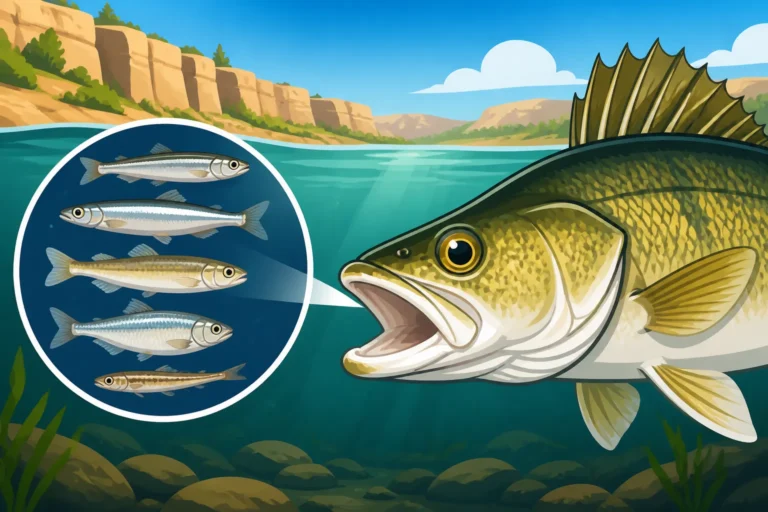
Beyond temperature, Lake Oahe boasts an incredible forage base, primarily rainbow smelt and cisco (also known as lake herring). These baitfish are absolutely critical to the salmon's diet, providing the high-protein, high-fat nutrition necessary for rapid growth. Without this abundant food source, the salmon simply wouldn't be able to reach the impressive sizes they do. This combination of cold, deep water and a rich food supply makes Lake Oahe an exceptional, almost tailor-made, environment for these landlocked kings, distinguishing it from most other inland fisheries.
Factors Influencing South Dakota Chinook Salmon Size
When we talk about "average size," it's important to remember that many variables can affect how big a Chinook salmon gets. It's not just a static number; it's a dynamic range influenced by everything from their dinner plate to the weather. Anglers who understand these factors often have a better sense of what to expect and how to target larger fish.
The Critical Role of Forage Base: Smelt and Cisco
Just like us, a fish's growth largely depends on what and how much it eats. For South Dakota's Chinook salmon, rainbow smelt and cisco are the bread and butter of their diet. These small, oily baitfish are incredibly nutritious, packed with the fats and proteins that fuel the salmon's rapid growth. A strong year for smelt and cisco populations usually translates to a healthier, faster-growing salmon population.
Conversely, if the forage base takes a hit—due to environmental changes, disease, or even over-predation—salmon growth can slow down, and their average size might decrease. Fisheries biologists closely monitor these forage populations because they are such a direct indicator of the health and potential size of the salmon fishery. It's a delicate balance, and the ebb and flow of these baitfish populations are truly a major factor in the average size of the salmon you'll encounter.
Age and Life Cycle of the Salmon
Chinook salmon, even in landlocked environments, follow a relatively predictable life cycle in terms of growth. They grow rapidly in their first few years, packing on weight quickly thanks to the abundant food. As they get older, their growth might slow slightly, but they continue to gain mass. The largest salmon are typically the oldest, having survived multiple seasons in the lake.
Most of the Chinook salmon you catch in South Dakota will be between two and four years old. Fish older than that are definitely present, but less common, as they approach the end of their life cycle, particularly as they prepare for the spawning run. Understanding this age progression helps manage expectations; a two-year-old salmon will be a good fighter, but a four-year-old is where you start getting into the truly "trophy" class fish. This natural progression means that the average size is heavily weighted by the age distribution within the population at any given time.
Environmental Conditions and Water Quality
Beyond food and age, the overall health of the aquatic environment plays a huge role. Water temperature, oxygen levels, and general water quality are all critical for Chinook salmon. They are cold-water species, so if a particular year sees unusually warm water temperatures for extended periods, it can stress the fish, impact their feeding, and potentially stunt their growth.
Good water quality ensures that the fish are healthy and less susceptible to disease, allowing them to allocate more energy towards growth. Factors like lake levels, current fluctuations from dam operations, and even severe weather patterns can indirectly affect water conditions and, subsequently, the salmon's well-being and growth trajectory. Fisheries managers work hard to maintain optimal conditions, but nature always has the final say, adding another layer of complexity to predicting average sizes.
Average Sizes and What to Expect
Let's get down to the brass tacks: what kind of size should you actually expect when you hook into a South Dakota Chinook salmon? It's exciting to dream of a monster, but having a realistic idea of the average catch will make your time on the water even more rewarding.
Typical Lengths and Weights for Chinook Salmon
When anglers head out for Chinook salmon on Lake Oahe, they're generally hoping for fish in the 15 to 20-pound range, and that's often a realistic expectation for a mature salmon. These fish commonly measure between 28 and 35 inches in length. However, it's not uncommon to land salmon in the 8 to 12-pound range, especially earlier in the season or from younger year classes. These "smaller" fish are still incredibly fun to catch and offer a spirited fight.
The beauty of the South Dakota fishery is that it consistently produces solid, healthy salmon that offer a great angling experience. While the average is impressive, there's always the chance for something truly special. Remember that weights can fluctuate based on the time of year—salmon closer to their spawning run in the fall will often be at their peak weight.
Variation by Year and Season
The "average" size isn't a fixed target; it can vary quite a bit from one year to the next and even throughout a single fishing season. For example, a year with exceptionally strong smelt populations might lead to a higher average weight across all age classes of salmon, as they have more abundant food to gorge on. Conversely, a tougher year for forage might see a slight dip in the average.
Seasonally, you'll often find that salmon caught in the spring and early summer might be a bit lighter than those caught in late summer and fall. This is because they've had the whole season to feed heavily, packing on weight in preparation for the upcoming spawning period. Many anglers specifically target the fall run for a chance at the largest, most robust fish, which often have a higher average weight. You can see how the timing of your trip can influence the size of fish you encounter. To understand optimal timing, consider reading Chinook Salmon Spawning Time on Lake Oahe and Best Month to Catch Chinook Salmon.
Here’s a general idea of what to expect, keeping in mind these are broad averages and individual fish will always vary:
| Age Class | Typical Length Range (Inches) | Typical Weight Range (Pounds) | General Characteristics |
|---|---|---|---|
| Yearling (1 year) | 12-20 | 1-3 | Rarely targeted, but show initial rapid growth. |
| Two-Year-Old | 20-28 | 4-10 | Good fighting fish, common catch for many anglers. |
| Three-Year-Old | 28-35 | 10-20 | The sweet spot for most anglers, strong fighters, excellent table fare. Often considered "average" mature size. |
| Four-Year-Old | 35+ | 20-30+ | Trophy class fish, less common but highly sought after. Often showing signs of pre-spawn coloration in late summer/fall. |
When Chinook Salmon Peak in Size
For anglers dreaming of the biggest Chinook salmon, late summer and fall are typically when these fish are at their absolute peak in size and weight. As they approach their spawning run, they feed aggressively, bulking up to prepare for the arduous journey and the energy demands of reproduction. This is when you'll see the most impressive fish being caught, often exhibiting rich, vibrant colors.
If you're planning a trip specifically to target larger Chinook, aiming for August, September, or even early October on Lake Oahe can significantly increase your chances of encountering a truly heavy salmon. While you can catch good fish all season long, these later months offer the best opportunity to connect with those upper-end average, or even above-average, giants that South Dakota is known for.
Trophy Potential and Catching Bigger Fish
South Dakota's Chinook salmon fishery isn't just about averages; it's also about the thrilling potential for a true trophy. While not every fish will be a record-breaker, the chances of hooking into a significantly larger-than-average salmon are definitely real, and there are ways to increase your odds.
Identifying and Targeting Larger Salmon
Larger Chinook salmon often display distinct characteristics, not just in their sheer size, but sometimes in their behavior. They tend to be more dominant, often holding in prime feeding lanes or deeper, cooler water. Identifying these fish on your sonar can be a challenge, but experienced anglers look for larger, more solitary marks, or groups of fish holding around substantial bait balls.
Targeting them often involves using bigger baits or lures, mimicking the larger smelt or cisco they prefer. Trolling with larger spoons or crankbaits at specific depths where big fish are known to congregate is a common and effective strategy. Furthermore, paying attention to areas with significant underwater structure, like old river channels or points, can put you in front of where these older, larger fish might be lurking. When buying specialized trolling gear or a variety of larger spoons, many anglers often look for convenient options on Amazon.
Strategies for Landing a "King" Salmon
Landing a heavy Chinook salmon is not for the faint of heart; these fish are renowned for their powerful runs and head shakes. Your gear needs to be up to the task. Using heavier line, a stout rod with good backbone, and a reel with a smooth, reliable drag system are essential. Best Fishing Rods and Reels for Walleye might give you some transferable insights, but for salmon, you'll want something even more robust.
When you get a strike, resist the urge to horse the fish in too quickly. Let the fish run when it wants to, letting your drag do the work, and slowly gain line when it pauses. Keep consistent pressure and be prepared for multiple surges. Netting a large salmon also requires skill; make sure your net is large enough and have a fishing partner ready to help scoop the fish headfirst once it's tired and close to the boat. Patience and proper technique are your best friends when a trophy Chinook is on the line. South Dakota Chinook Salmon Trolling Techniques will give you a good head start on the actual fishing methods.
The Thrill of a Personal Best
Even if you don't land a state record, catching a personal best Chinook salmon in South Dakota is an incredibly rewarding experience. The sheer power of these fish, the scream of the drag, and the vibrant colors as they come alongside the boat are unforgettable. It's a testament to your angling skill, your persistence, and the quality of the fishery itself. Many anglers travel specifically to South Dakota for this very reason – the chance to battle one of these magnificent fish and create a lasting memory. The pursuit of a personal best adds an exciting competitive edge, even if it's just against yourself, and drives many to return year after year.
Beyond Size: The Overall Chinook Salmon Fishing Experience
While size is a thrilling aspect, the experience of fishing for Chinook salmon in South Dakota encompasses so much more. From the intense fight to the delicious table fare, these fish offer a truly comprehensive and enjoyable angling adventure.
The Unforgettable Fight
Hooking into a South Dakota Chinook salmon is an experience that quickly becomes addictive. Unlike some fish that might give a few head shakes and then come quietly to the net, a Chinook salmon is known for its incredibly powerful, sustained runs. They'll strip line from your reel with astonishing speed, often making multiple, blistering dashes before you even get a chance to think about gaining line.
Their strength is incredible, and you'll often feel every head shake and tail kick transmitted through your rod. It's a true test of both angler and tackle, demanding patience, a good drag setting, and solid technique. Many anglers describe the fight as one of the most exhilarating in freshwater fishing, making every landed salmon feel like a hard-won victory, regardless of its exact measurements. This intense battle is a huge part of what draws people to target them.
Chinook Salmon as Table Fare
Beyond the thrill of the fight, South Dakota Chinook salmon are also highly prized for their culinary qualities. Their flesh is typically a vibrant orange-red, firm, and rich in healthy omega-3 fatty acids, much like their ocean-going cousins. They have a distinct, delicious flavor that makes them excellent whether grilled, baked, smoked, or pan-fried. Many anglers consider them one of the finest eating fish available.
Keeping a few legal-sized salmon for the dinner table is a popular choice, providing not only a fantastic meal but also a lasting memory of your fishing trip. The quality of the meat is often directly related to their diet of oily baitfish, which contributes to their rich flavor and texture.
Seasonal Opportunities and Beauty
Fishing for Chinook salmon in South Dakota offers a dynamic experience throughout the year. While late summer and fall are prime for size, early season fishing in spring and early summer also yields plenty of action, often with more active, though slightly smaller, fish. Each season presents its own challenges and rewards, from the calm mornings of summer to the crisp, colorful days of autumn.
The backdrop of Lake Oahe, with its vast stretches of water, dramatic bluffs, and incredible sunrises and sunsets, adds to the overall beauty of the experience. It's not just about catching fish; it's about being out in nature, enjoying the tranquility and the anticipation of a bite. The natural beauty of the surroundings enhances every aspect of the trip, making it much more than just a fishing expedition. You might also want to look at South Dakota Fishing Seasons Explained to help plan your trip.
Regulations and Conservation Efforts for Chinook Salmon
While the focus on average size and trophy potential is exciting, it's crucial to remember that a healthy fishery relies on smart regulations and ongoing conservation efforts. These rules are in place to ensure that South Dakota's Chinook salmon population remains strong for generations to come.
Understanding South Dakota Chinook Salmon Regulations
The South Dakota Game, Fish and Parks (GFP) sets specific regulations for Chinook salmon, including daily limits and sometimes length restrictions. These rules are designed to protect the population, prevent overharvesting, and ensure a sustainable fishery. It's absolutely vital for every angler to familiarize themselves with the current regulations before heading out. Ignorance of the law is never an excuse, and violations can result in significant penalties.
These regulations are reviewed and updated periodically based on scientific data from fish population surveys, forage base assessments, and angler input. By adhering to these rules, you're not just avoiding a fine; you're actively contributing to the long-term health and vitality of the South Dakota Chinook salmon fishery. Always check the official South Dakota Fishing Regulations Explained before your trip.
Why Size Limits and Bag Limits Matter
Size limits and bag limits are critical tools in fisheries management. Size limits ensure that enough fish reach maturity and have the opportunity to spawn, which is essential for maintaining a healthy population, especially for a stocked species. It allows younger fish to grow into larger, more desirable sizes.
Bag limits, on the other hand, prevent individual anglers from taking too many fish, spreading the harvest among more participants and reducing pressure on the overall population. Without these limits, even a heavily stocked fishery could quickly be depleted. These regulations are not arbitrary; they are carefully calculated to strike a balance between providing excellent fishing opportunities and safeguarding the resource.
The Importance of Catch and Release Practices
While many anglers keep Chinook salmon for their excellent table fare, catch and release practices are also incredibly important for protecting the fishery, particularly for larger, older fish. Releasing trophy-sized salmon, for example, allows them to contribute to the gene pool (if they spawn naturally, even minimally) or simply to be caught again, providing sport for another angler.
If you plan to release a salmon, do so carefully. Minimize the time the fish is out of the water, handle it gently with wet hands, and use proper dehooking tools. If the fish is exhausted from the fight, hold it upright in the water until it regains its strength and can swim away on its own. Every responsible catch-and-release contributes to the ongoing health and vibrancy of South Dakota's fantastic Chinook salmon fishery.
Disclaimer
This article is for general informational purposes only and does not constitute professional advice. Laws, prices and regulations vary by location and change over time. Consult a qualified professional for guidance on your specific situation.