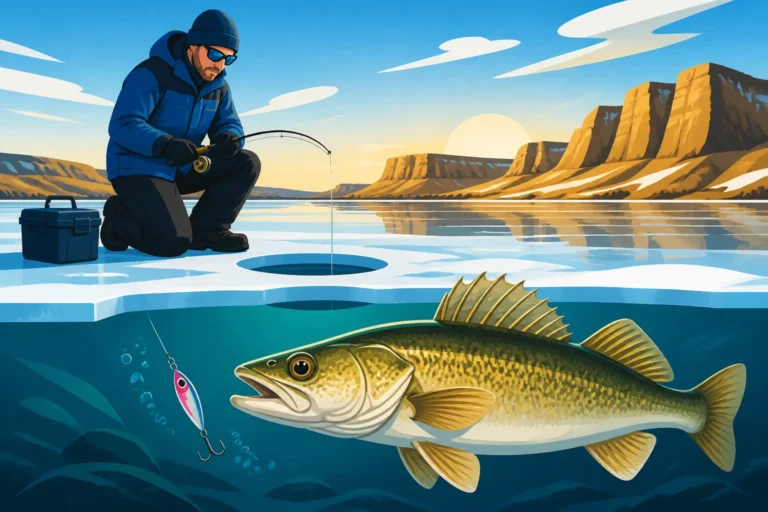
When Ice Fishing Season Ends in South Dakota
The late winter and early spring in South Dakota can be a real tease, often leaving ice anglers scratching their heads, wondering exactly when it's time to put away the auger and swap out those tip-ups for open water gear. There's no single, hard-and-fast date stamped on a calendar across the entire state, which can be frustrating. This guide will walk you through the practical realities of when South Dakota's ice fishing season typically winds down, focusing on the critical factors, safety considerations, and official guidelines that signal the end of the frozen fun.
Understanding the "End" of South Dakota's Ice Fishing Season
Unlike some hunting seasons with definitive opening and closing dates, the "end" of the South Dakota ice fishing season is a much more fluid concept, dictated primarily by Mother Nature herself. The South Dakota Game, Fish and Parks (GFP) doesn't typically declare a specific day the ice fishing season is "over" statewide. Instead, it transitions naturally as the ice melts and becomes unsafe. However, there are crucial dates and regulations to be aware of, particularly regarding ice shanties, that act as markers for the season's practical close.
No Hard Statewide Closing Date, But Important Deadlines Exist
It's a common misconception that there's an official "closing day" for ice fishing across all South Dakota lakes. The truth is, fishing is permitted year-round in most waters, provided the conditions are safe and you adhere to species-specific regulations. What does have a hard deadline is the removal of ice shanties. South Dakota regulations require that all ice fishing shelters must be removed from the ice by midnight on February 28th each year. If the deadline falls on a weekend, anglers often get a little extra grace period, but generally, that date marks the symbolic end for those who rely on permanent or semi-permanent shelters. Failing to remove your shanty by the deadline can result in fines and the shanty being removed at your expense, or even confiscated. This regulation is critical for preventing debris in the water once the ice fully melts and to protect against structures becoming hazards to navigation in early spring.
Beyond the shanty deadline, the season simply tapers off as ice conditions deteriorate. One day you might be out enjoying a fantastic day of perch fishing on Lake Poinsett, and the next, a warm front sweeps in, and the ice becomes too slushy or thin to safely walk on. This variability means anglers need to be vigilant and informed, always prioritizing safety over a few extra fish. For a deeper dive into the overall rules, check out our comprehensive guide on South Dakota Fishing Regulations Explained.
Regional Variations and Lake-Specific Conditions
South Dakota is a big state, and what's happening on the ice in the Black Hills can be vastly different from the conditions on the Glacial Lakes in the east or the massive Missouri River reservoirs. This geographical diversity means the "end" of ice fishing varies significantly by region and even by individual water body.
For instance, the smaller, shallower lakes in eastern South Dakota, like Lake Thompson or Lake Kampeska, tend to freeze earlier and, crucially, lose their ice earlier in the spring. These lakes are more susceptible to warm spells and strong winds that can break up ice quickly. Anglers targeting yellow perch or walleye in these areas might find their season wrapping up in late February or early March. Conversely, the deeper, larger Missouri River reservoirs—Lake Oahe, Lake Sharpe, Lake Francis Case, and Lewis and Clark Lake—often hold ice much longer, especially in their northern reaches or deeper bays. The sheer volume of water and the current in the main channels means these lakes are slower to freeze and slower to thaw, potentially offering ice fishing opportunities well into March, sometimes even early April in colder years. However, currents also create inherently more dangerous, unpredictable ice conditions. Likewise, high-elevation lakes in the Black Hills, such as Pactola Reservoir or Sheridan Lake, can sometimes offer late-season ice fishing due to their cooler mountain temperatures, but they also have their own unique melt patterns. Understanding these regional differences is key to knowing when to pack it in for the year.
Critical Factors Influencing Ice Melt and Season End
The demise of the ice fishing season is a complex interplay of environmental factors. It's not just about air temperature; several elements work together to break down the ice, often more rapidly than many anglers anticipate. Understanding these factors can help you make informed decisions about when to call it quits and stay safe.
Temperature Swings and Prolonged Warm Spells
While a single warm day might make the ice a little slushy on top, it's the sustained periods of above-freezing temperatures that really kickstart the ice melt. When daytime highs consistently hit the 40s, 50s, or even 60s Fahrenheit for several days in a row, the ice begins to "rot" from the top down. Even if nights dip below freezing, the cumulative effect of warm days can be dramatic. The ice loses its structural integrity, becoming honeycombed and brittle, even if it still looks thick on the surface. This is particularly dangerous because what appears to be solid ice might shatter under pressure.
Another significant factor is the sun's intensity. As spring approaches, the sun climbs higher in the sky, and its rays become much stronger. This solar radiation penetrates the ice, especially clear ice, and warms the water below, contributing to melting from the bottom up. Even on a relatively cool, sunny day, the ice can degrade significantly due to this process. This combination of warmer air and stronger sun often leads to what anglers call "candled ice"—a condition where ice crystals separate, making the ice weak and unpredictable, resembling vertical candles that can give way instantly.
Snow Cover, Wind, and Water Currents
Believe it or not, heavy snow cover can both protect and accelerate the breakdown of ice. Early in the winter, a good blanket of snow acts as an insulator, preventing the ice from thickening quickly. But in late winter, that same snow cover can hold in heat. As the air warms, the snow begins to melt, forming puddles on top of the ice. This standing water absorbs more solar radiation than bare ice, further accelerating the melting process. It also hides potential weak spots, making it harder to gauge true ice conditions.
Wind is another powerful, often underestimated, force. Strong winds can create waves on open water, and if there are weak spots or cracks, these waves can quickly break up large sheets of ice, pushing them around and creating dangerous open water channels. On smaller lakes, a sustained strong wind can literally shatter the ice cover overnight. Finally, water currents, especially prevalent in the Missouri River reservoirs and areas near inlets or outlets, are relentless in their attack on ice. Even in the dead of winter, currents can create thin spots or open water where you least expect it. As spring approaches and snowmelt increases river flows, these currents intensify, rapidly eroding ice from below and making areas near dams, bridges, and river mouths extremely hazardous. For more details on fishing these challenging waters, check out our guide on South Dakota Missouri River Fishing Techniques.
Prioritizing Safety as the Ice Season Ends
As the ice fishing season dwindles, safety becomes paramount. Pushing the season too far is a common mistake that can have severe consequences. No fish is worth risking your life over, and understanding the signs of deteriorating ice and adhering to safety protocols is crucial.
Recognizing Unsafe Ice Conditions
The golden rule of ice safety is "no ice is 100% safe." This is especially true as spring approaches. While a general guideline is 4 inches of clear, new ice for walking, and 5-7 inches for ATVs or snowmobiles, these numbers are for ideal, mid-winter conditions. Late-season ice requires much greater thickness and caution. Anglers should look for several tell-tale signs of unsafe ice:
- Dark Spots: These often indicate thin ice or open water underneath. The darker the ice, the less air it contains, and while clear ice can be strong, it can also be very thin.
- Slushy or Candled Ice: As mentioned, this happens when ice crystals separate, making the ice brittle and weak. A quick tap with an ice chisel should reveal if the ice is solid or crumbles easily.
- Cracks and Heaves: While ice always has some cracks, extensive or rapidly forming cracks, especially those radiating from a central point, are red flags. Ice heaves, where large sheets of ice buckle and overlap, can also create unstable areas.
- Moving Water: Any visible current or open water near the edges, inlets, or outlets is a sign of danger.
- Ice Color: While blue ice is generally the strongest, late-season ice often turns white or milky, indicating air pockets and weaker structure. Grey or opaque ice is usually very unsafe.
Always carry an ice chisel or spud bar to test the ice ahead of you. It’s an inexpensive piece of equipment that can save your life. You can often find reliable ones on sites like Amazon, alongside other essential gear. For more specific guidelines on thickness, refer to How Thick Ice Should Be Before Fishing in South Dakota.
Essential Safety Gear for Late Season Anglers
Even if you're feeling confident about the ice, late-season conditions are notoriously fickle. Always assume the worst and be prepared. Here’s a basic checklist of safety gear you should never be without:
- Ice Picks: These are absolutely non-negotiable. Worn around your neck, they allow you to claw your way out of the water if you break through. They are cheap, easy to find on Amazon, and truly life-saving.
- Throw Rope: A floating rope with a loop at the end, often 50 feet long, can be thrown to someone who has fallen in, allowing you to pull them to safety without putting yourself at risk.
- Flotation Suit/PFD: A full flotation suit or a personal flotation device (PFD) worn under your outerwear provides buoyancy and warmth if you go through the ice. Even if you're a strong swimmer, the shock of cold water (cold water shock) can incapacitate you quickly.
- Spud Bar/Ice Chisel: As mentioned, for continually testing ice thickness as you move.
- Buddy System: Never, ever ice fish alone, especially late in the season. Having a partner greatly increases your chances of rescue if something goes wrong.
- Communication Device: A fully charged cell phone in a waterproof case or a satellite communication device can be vital for calling for help.
- Dry Clothes: Pack a complete change of warm, dry clothes in a waterproof bag, even if you're only planning a short trip. Hypothermia sets in quickly.
Remember, dressing in layers is always smart for South Dakota winters. As the season progresses, conditions can change rapidly from chilly to quite mild in a single day. Stay informed by checking local ice reports, weather forecasts, and the South Dakota GFP website for current advisories. Our general South Dakota Fishing Gear Checklist provides more comprehensive advice.
Transitioning to Open Water: What Comes Next
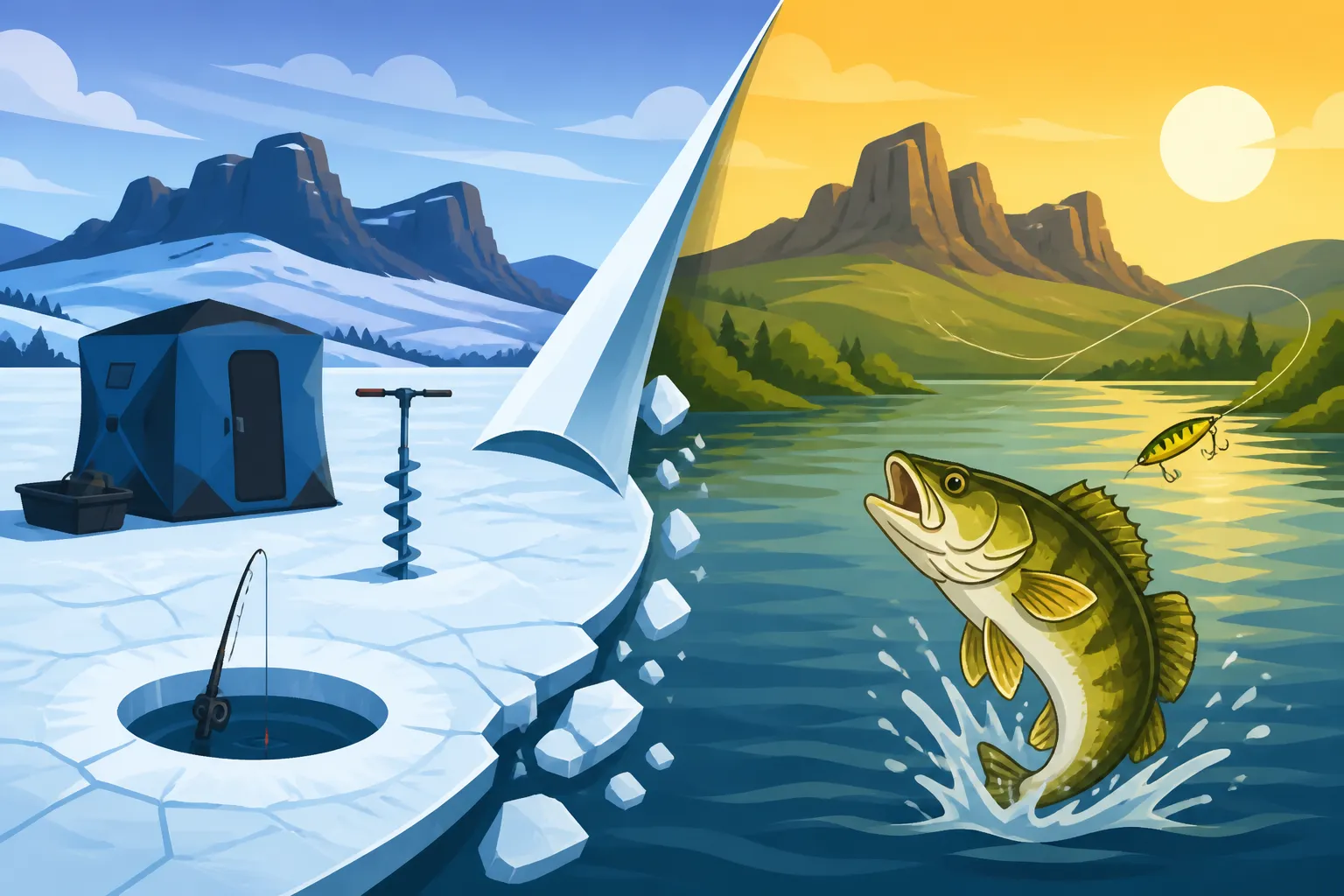
While the end of ice fishing can feel like saying goodbye to an old friend, it also marks the exciting transition to spring open-water fishing. Many species, particularly walleye and northern pike, become incredibly active as the ice recedes, offering some fantastic early-season opportunities.
Early Spring Open Water Opportunities
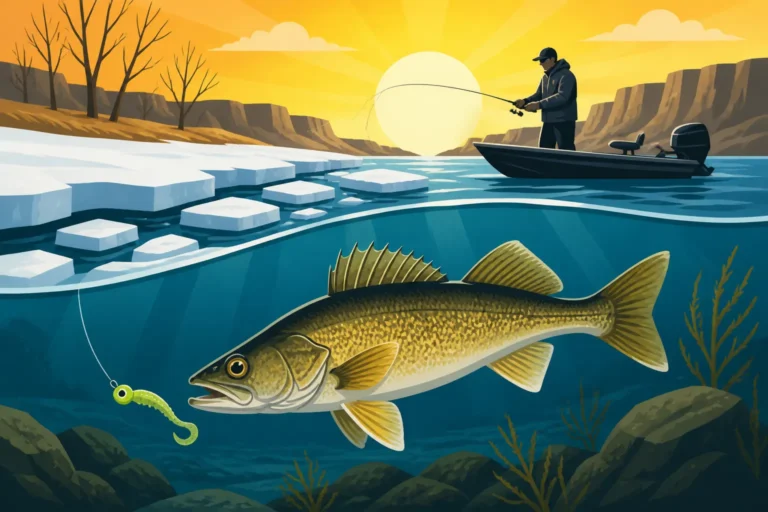
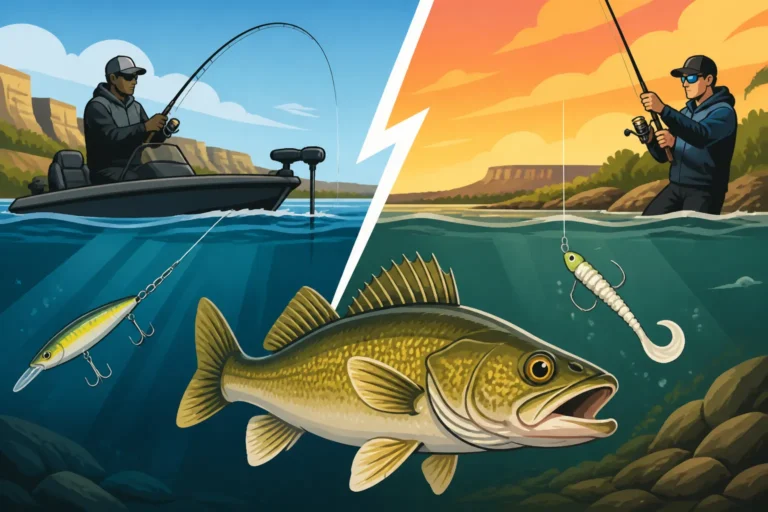
As soon as the ice is off, or even when there are just small pockets of open water, fish that have been relatively dormant under the ice start to move and feed aggressively. Walleye, for example, begin their pre-spawn movements. They’ll often congregate in shallower bays, along shorelines, or near river inlets where water temperatures rise first. These areas also tend to hold baitfish, making them prime feeding grounds. Jigging with minnows or plastics, or slowly trolling crankbaits, can be incredibly effective during this time. For walleye enthusiasts, understanding the South Dakota Walleye Fishing Guide will be key.
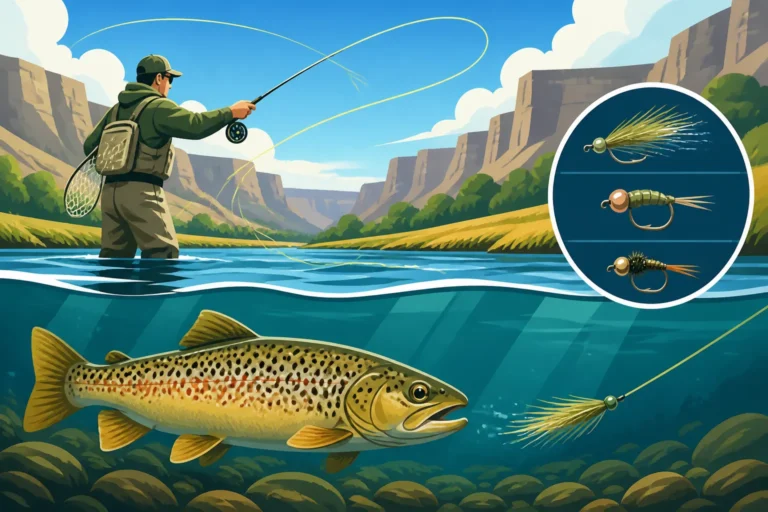
Northern Pike also become very active in the shallow, warming water. They often lurk in emergent vegetation or along the edges of remaining ice, ready to ambush unsuspecting prey. Large spoons, spinnerbaits, or even dead bait under a bobber can entice these toothy predators. Don't forget the Black Hills streams, which offer excellent trout fishing as soon as they are ice-free. Fly fishing or spin fishing with small spinners can yield beautiful rainbows and browns. Even species like crappie and perch, which were ice fishing staples, will move into shallow areas to feed as the water warms, making for exciting bank or boat fishing.
Gear Changes and Spring Fishing Tactics
Switching from ice fishing to open-water fishing requires a complete change in gear and tactics. Your heavy ice rods and augers will be replaced with longer spinning or casting rods suitable for throwing lures or live bait. Instead of drilling holes, you'll be focusing on boat positioning, casting, or trolling.
- Rods and Reels: Opt for medium-light to medium-heavy spinning rods for walleye, crappie, and perch, and slightly heavier gear for pike. A good quality reel spooled with 6-10 lb test monofilament or braided line with a fluorocarbon leader will cover most situations.
- Lures and Baits: Early spring is often about subtle presentations. Live bait like minnows, leeches, or nightcrawlers can be deadly, especially when fished on a jig or under a slip bobber. For artificials, small crankbaits, swimbaits, jerkbaits, and jigs with plastic trailers are excellent choices. Don't be afraid to experiment with colors; natural shades often work best in clear, cold water, while brighter colors can shine in stained conditions.
- Boat or Bank Access: As the ice melts, boat ramps open up, allowing access to deeper waters and structures that were inaccessible during the ice season. However, many fantastic early spring opportunities can be had right from the bank, especially in shallow bays or river mouths. Always check access points for safety and any lingering ice hazards. Our guide on South Dakota Boat and Water Access Rules can help you navigate these details.
The end of the ice fishing season in South Dakota isn't a funeral for fishing; it's a rebirth! It means transitioning from one exciting form of angling to another, ushering in the vibrant opportunities of spring. So, clean your gear, store those augers, and get ready for a whole new season of adventure.
| Factor | Impact on Ice Melt | Typical Timing for Significant Impact | Safety Consideration |
|---|---|---|---|
| Air Temperature | Sustained periods of above-freezing temps degrade ice from the top down, creating slush and weak spots. | Late February – March (Eastern SD), March – Early April (Western SD) | Ice can appear thick but be structurally unsound; check for "candled" ice that crumbles easily. |
| Sunlight Intensity | Stronger spring sun penetrates ice, warming water below and melting ice from the bottom up. | March – April | Clear ice is especially susceptible; even on cold days, sun can rapidly weaken ice. |
| Snow Cover | Initially insulates, but as air warms, melting snow creates water on ice, accelerating top-down melt. | Late February – March | Hides dangerous weak spots and open water; can create slushy, heavy conditions on top. |
| Wind | Strong winds create waves that break up weak ice, particularly in large, open areas; can push ice sheets. | Any time in late winter/early spring | Rapidly creates open water or unstable ice floes; especially dangerous on large reservoirs. |
| Water Currents | Constant erosion of ice from below, especially near inlets, outlets, dams, and river channels. | Ongoing, but intensifies with spring runoff | Areas with current are inherently dangerous and often have significantly thinner ice or open water even in cold weather. |
| Ice Shanty Deadline | Official date for removal of shelters; signals the practical end for many who use shanties. | February 28th annually | Failure to remove can result in fines and confiscation; often leads to a last rush of anglers when ice may already be marginal. |
Disclaimer
The information provided in this guide is for general informational purposes only. Ice conditions are highly variable and can change rapidly. Always exercise extreme caution when on the ice. Consult current local weather forecasts, ice reports, and the South Dakota Game, Fish and Parks (GFP) official regulations and advisories before venturing out. Your safety is your responsibility.