Angostura Reservoir Walleye and Crappie Fishing
There's nothing quite like the unique challenge and immense satisfaction of targeting specific fish species in a new body of water, and Angostura Reservoir near Hot Springs, South Dakota, is no exception. It can be a bit daunting trying to crack the code of a large, diverse reservoir, especially when you're after those elusive walleye or prolific crappie. This guide is here to unravel the mysteries of Angostura, providing you with the insights and tactics you need to confidently pursue both walleye and crappie in this beautiful corner of South Dakota.
Understanding Angostura Reservoir's Character
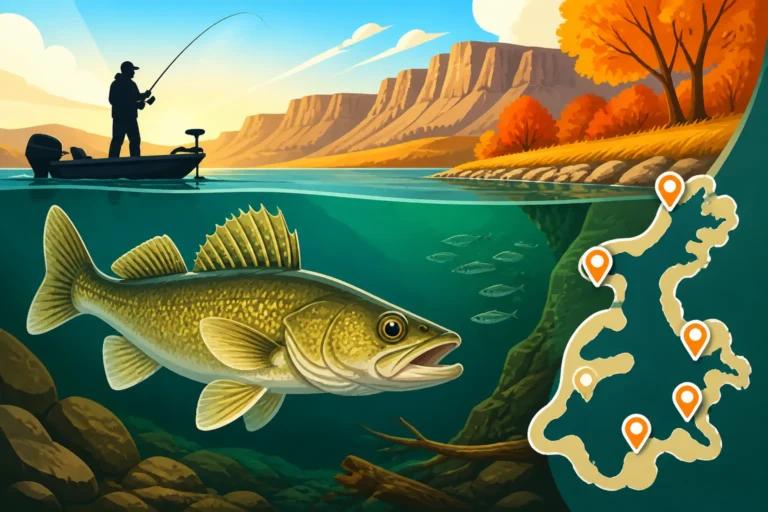
Angostura Reservoir is a true gem in southwestern South Dakota, a large impoundment on the Cheyenne River renowned for its clear waters, diverse structure, and vibrant fishery. Covering over 4,000 acres, it offers a distinct fishing experience compared to the larger Missouri River reservoirs. Its clear water, rooted aquatic vegetation, and mix of rocky points, sandy beaches, and submerged timber create a varied habitat that appeals to different fish species throughout the year.
The reservoir's unique characteristics, including its fluctuating water levels and proximity to the Black Hills, mean that fish behavior can be a little different here. Anglers often find success by adapting their techniques to the clarity and types of cover available. Understanding these nuances is the first step toward a productive day on the water, whether you're chasing the tasty walleye or the abundant crappie.
Key Habitats and Structures for Fish
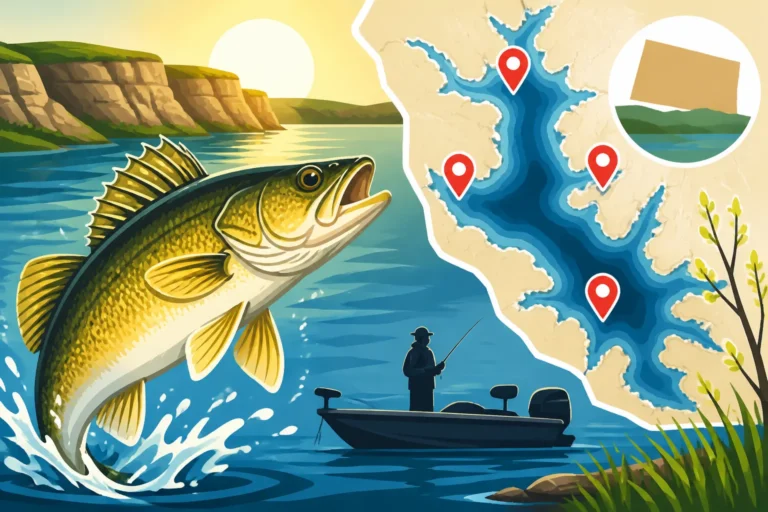
Angostura boasts a variety of structural elements that act as magnets for both walleye and crappie. On the northern end, you'll find more rocky bluffs and riprap, offering excellent ambush points for predator fish and cover for crappie. As you move south, the shoreline becomes gentler, with more sandy beaches and submerged vegetation, particularly in the shallower bays and coves.
Look for areas where these different habitats merge. Points extending into deeper water, submerged creek channels, old roadbeds, and even isolated rock piles can all hold fish. Don't overlook the importance of flooded timber and brush, especially for crappie, which love to relate to vertical cover. The reservoir's dam area also presents unique fishing opportunities, often holding deeper fish, particularly during the hotter months.
Forage Base and Water Conditions
The primary forage base in Angostura Reservoir includes various baitfish like gizzard shad, emerald shiners, and juvenile panfish. Walleye and crappie will actively pursue these schools of bait, so finding the food is often key to finding the fish. The clear water of Angostura means fish can be more wary, especially during bright, sunny conditions. This often necessitates lighter lines, more natural presentations, and sometimes a shift to low-light periods like dawn, dusk, or even night fishing for the best results.
Water temperature plays a crucial role throughout the seasons, dictating where fish will be and how aggressively they'll feed. In spring, warming shallow waters draw fish in for spawning. In summer, they'll retreat to deeper, cooler water or seek out thermal refuges. Keeping an eye on water temperature and clarity will help you narrow down your search areas significantly.
Mastering Walleye Fishing on Angostura Reservoir
Walleye are a prized catch in Angostura, known for their delicious fillets and challenging fight. These opportunistic predators can be found across the reservoir, but understanding their seasonal movements and preferred ambush points is critical. Don't get discouraged if you don't find them right away; persistence and adaptation are key to consistent walleye success here.
Many anglers find success by focusing on the transition zones where different types of bottom meet, such as sand to rock, or where shallow flats drop off into deeper channels. Walleye often patrol these areas, waiting for an easy meal to swim by. The clear water also means paying extra attention to stealth; keeping your distance and making quiet presentations can make a big difference.
Seasonal Tactics for Angostura Walleye
Walleye behavior at Angostura shifts dramatically with the seasons. In spring, as ice recedes and water temperatures climb into the 40s and 50s, walleye move into shallower rocky areas and along points for their spawn. This is a prime time for jigging with minnows or soft plastics, or slowly trolling crankbaits along these contours. Post-spawn, they might linger in slightly deeper water nearby, recuperating and feeding aggressively.
Summer fishing for walleye can be a mixed bag due to the clear water and warmer temperatures. Early mornings, late evenings, and even night fishing become highly effective. Walleye will often move deeper during the day, holding on ledges, humps, and submerged structure. Trolling crankbaits at various depths using planer boards can be incredibly effective, or trying to present jigs and live bait directly to fish marked on your electronics. If you're struggling to find them during the day, consider targeting them when the sun is off the water.
As fall arrives and water temperatures begin to drop, walleye activity picks up significantly. They embark on a feeding frenzy to put on weight for winter. This is a fantastic time for trolling deeper-diving crankbaits along drop-offs and main lake points. Jigging with larger minnows or casting blade baits can also yield excellent results, especially as fish school up. Remember that cooler water often means walleye are less pressured and more willing to chase a bait. For more general insights, our guide on South Dakota Fall Walleye Fishing Techniques offers some great foundational knowledge that can be adapted to Angostura.
Top Baits and Techniques for Walleye
When it comes to lures and baits for Angostura walleye, versatility is your friend. Live bait, especially minnows and nightcrawlers, is often tough to beat. Rigging them on a bottom bouncer with a spinner or snell rig can be deadly when trolling or drifting. Try varying your leader length and blade size until you find what the fish prefer.
For artificials, crankbaits are a staple. Both shallow-running models for spring and deeper-divers for summer and fall trolling are essential. Experiment with colors – natural baitfish patterns often excel in clear water, but don't shy away from brighter colors on overcast days or in stained areas. Brands like Rapala and Berkley offer a wide range of options that perform well. Jigs, tipped with minnows, worms, or soft plastics, are another reliable choice, particularly when vertical jigging over structure or casting to points. For detailed strategies on covering water effectively, you might find our article on How to Troll Crankbaits for Walleye useful.
| Season | Primary Location | Preferred Technique | Go-To Bait/Lure |
|---|---|---|---|
| Spring | Rocky points, shallow flats | Jigging, Slow Trolling | Minnows, Small Crankbaits |
| Summer | Deep humps, ledges, breaklines | Deep Trolling, Vertical Jigging | Deep-diving Crankbaits, Nightcrawlers |
| Fall | Main lake points, deep drop-offs | Trolling, Casting | Large Crankbaits, Blade Baits, Larger Minnows |
Excelling at Crappie Fishing in Angostura
Angostura Reservoir is also home to a healthy population of crappie, offering fantastic opportunities for anglers seeking these pan-sized delicacies. While they might not be as widely known as the walleye, crappie here can be abundant and provide fast-paced action, especially if you can locate their schools.
Crappie are schooling fish, so when you find one, there are often many more nearby. Their preference for structure makes them somewhat predictable, but their habit of suspending at various depths can sometimes make them tricky to pinpoint. A good fish finder can be invaluable for identifying schools and the depth at which they are holding.
Locating Crappie Throughout the Year
Spring is arguably the most popular time for crappie fishing at Angostura. As water temperatures rise into the 50s and 60s, crappie move into shallow, protected bays and coves to spawn. They'll relate to submerged brush, weed lines, and any available cover. Casting small jigs or minnows under a bobber to these areas is highly effective. Look for areas with dark bottoms that warm up quickly.
In summer, crappie retreat from the hot, shallow water. They'll often suspend over deeper channels, relate to submerged timber, or hold tightly to the shade of docks and overhanging trees if available. Using electronics to find their schools and then targeting them with vertical presentations like jigging tiny spoons or minnows is a solid strategy. Understanding Crappie Fishing Techniques for Suspended Fish can significantly boost your summer success.
Fall crappie fishing can be excellent as they again become more active, feeding heavily before winter. They'll often move to creek channels, main lake points, and deeper brush piles, schooling up tightly. As winter approaches, if the reservoir freezes, Best Ice Fishing Techniques for Lake Oahe (while not Angostura specific, the principles of finding suspended crappie under ice can apply) can be adapted. However, Angostura is not primarily known as an ice fishing destination, so focus on open water tactics first.
Effective Crappie Rigs and Presentations
Crappie are not usually picky eaters, but their small mouths require smaller baits and hooks. A light spinning rod setup with 4-6 lb test line is perfect. Small jigs, often 1/32 to 1/16 ounce, are a go-to. Tipping these jigs with a small plastic grub, tube, or a live crappie minnow is highly effective. Experiment with colors; chartreuse, white, and black are often good starting points.
When crappie are in shallow cover, a slip bobber rig with a small jig or minnow is ideal. It allows you to present your bait precisely at the desired depth and detect even the lightest bites. For deeper, suspended crappie, vertical jigging or tightlining a minnow directly over the school works wonders. Some anglers also use spider rigging, employing multiple rods to cover different depths and present various baits simultaneously, particularly effective from a boat.
Essential Gear and Tips for Success on Angostura
Whether you're new to Angostura or a seasoned visitor, having the right gear and knowing the local regulations can make all the difference between a frustrating day and a memorable one. South Dakota's waters are diverse, and being prepared is key.
Remember that Angostura Reservoir is part of a State Recreation Area, meaning there are amenities and considerations for access. It’s always a good idea to check the South Dakota Game, Fish and Parks (GFP) website for the latest updates on fishing conditions, access points, and any specific alerts.
Recommended Gear for Angostura Reservoir
For walleye, a medium-light to medium power spinning or casting rod, 6'6" to 7'6" in length, is versatile enough for most techniques. Pair it with a reliable reel spooled with 8-10 lb monofilament or fluorocarbon, or 10-15 lb braided line with a fluorocarbon leader. A good selection of crankbaits in various diving depths and colors, an assortment of jigs (1/8 to 1/4 ounce), and spinner rigs are essential.
For crappie, a lighter setup is preferred. A 5' to 7' ultralight or light action rod with a small spinning reel spooled with 4-6 lb monofilament or fluorocarbon will provide maximum sensitivity. Stock up on 1/32 to 1/16 ounce jigs, small plastic grubs and tubes, and plenty of crappie minnows if using live bait. Don't forget small bobbers and a selection of small hooks.
No matter what you're targeting, a quality fish finder with GPS capabilities will significantly improve your ability to locate structure, schools of baitfish, and the target species. Portable options are available if you primarily fish from shore or a small boat. Don't forget essentials like a net, pliers, a cooler with ice, and a first-aid kit.
Navigating Regulations and Access
Before you even wet a line, make sure you're properly licensed. You'll need a valid South Dakota Fishing License Guide for anyone 16 years or older, and it's always smart to review the current South Dakota Fishing Regulations Explained and South Dakota Fish Limits and Size Restrictions for Angostura. These rules can change annually, so staying informed is crucial to avoid any penalties. Special walleye rules, such as slot limits, are common on some South Dakota waters, so always double-check.
Access to Angostura Reservoir is generally excellent, with several boat ramps and designated shore fishing areas. The Angostura State Recreation Area provides camping, boat ramps, and other facilities. For those looking for a guided experience to shorten the learning curve or target specific fish, services like FishingBooker can connect you with experienced local guides who know the reservoir inside and out. These guides often provide all the necessary gear and can offer invaluable insights into current conditions and hot spots.
If you're bringing your own boat, remember to check South Dakota Boat and Water Access Rules regarding registration and safety equipment. Boating safety is paramount on any large body of water, and Angostura can get windy, particularly in the afternoons. Always keep an eye on the weather and be prepared for changing conditions. For those who prefer to fish from shore, there are plenty of access points, especially around the recreation area, that can be productive for both walleye and crappie, particularly during the spring and fall migrations.
Disclaimer
Please remember that fishing conditions, regulations, and fish behavior can change rapidly. Always consult the latest South Dakota Game, Fish and Parks (GFP) regulations before fishing. This guide provides general information and recommendations, but local conditions and personal preferences should always be taken into account.