Best Fishing Spots Near Yankton
Oh, the quest for that perfect fishing spot near Yankton! I totally get it. You're in South Dakota, surrounded by some of the most phenomenal fishing waters in the Midwest, but sometimes just looking at a map can feel overwhelming. Where do you even start? This guide is designed to cut through all that noise, pinpointing the absolute best places to wet a line around Yankton, complete with tips on what you’re likely to catch and when to go for that trophy fish.
Lewis and Clark Lake: The Crown Jewel of Yankton Fishing
When folks talk about fishing near Yankton, Lewis and Clark Lake is almost always the first place that comes to mind, and for good reason! This massive reservoir, formed by the Gavins Point Dam on the Missouri River, offers an incredible diversity of fishing opportunities. It’s not just a lake; it’s an entire ecosystem teeming with a variety of popular sport fish, making it a truly exceptional destination for anglers of all skill levels. From the seasoned pro chasing a tournament-winning walleye to families simply looking to spend a relaxing afternoon catching panfish, Lewis and Clark has something for everyone.
Walleye and Sauger Hotspots
If you’re anything like me, the mere mention of "walleye" gets your heart rate up, and Lewis and Clark Lake delivers! These toothy predators are a prime target here. Early spring, shortly after ice-out, is a fantastic time as walleye move into shallower areas to spawn. Look for them along the main river channel, especially near points, submerged humps, and any kind of structure that breaks the current. Trolling crankbaits like Rapalas or Wally Divers is a classic and effective method, especially when you're covering a lot of water. As the water warms, walleye tend to move deeper, holding along ledges and humps. Bottom bouncing with spinner rigs tipped with nightcrawlers or leeches becomes incredibly productive during the summer months. You'll often find sauger, a close cousin to the walleye, in the same areas, particularly in the deeper, more turbid waters of the main channel. They share similar preferences for bait and structure, so if you're catching one, chances are the other isn't far away. Don't be shy about trying a jig-and-minnow presentation, especially in areas with current or around brush piles.
Crappie and Perch Bonanza
Beyond the walleye, Lewis and Clark Lake is a fantastic destination for panfish, offering some incredible action for crappie and yellow perch. These species are not only a blast to catch but also make for some delicious table fare. For crappie, focus your efforts around submerged timber, brush piles, and any kind of man-made structure like old docks or bridge pilings. They love to suspend in these areas, especially during the spring and fall. Small jigs, often tipped with a crappie nibbler or a tiny piece of plastic, are incredibly effective. You can fish them under a bobber or cast them out and retrieve them slowly. As for yellow perch, they tend to congregate in weed beds and along drop-offs, especially where there's a good food source. Jigging with small spoons or ice-fishing jigs (even in open water) tipped with a minnow head or a piece of Berkley Gulp can be deadly. Both species offer fast action, making them perfect for younger anglers or anyone who just wants to feel that satisfying tug on their line. For more in-depth tips on targeting these tasty fish, check out our guide on Lewis and Clark Lake Crappie and Perch Fishing.
Smallmouth Bass Action
Now, if you're looking for a fight, the smallmouth bass in Lewis and Clark Lake will certainly deliver! These bronze bombers thrive in the lake's rocky habitat, particularly along points, riprap shorelines, and rocky flats. They are aggressive feeders and put up a fantastic battle, often jumping and pulling hard. Spring and early summer are prime times to target them, as they move into shallower water to spawn and feed heavily. Topwater lures like poppers and walk-the-dog baits can be incredibly exciting during low light conditions. As the sun gets higher, switch to crankbaits, spinnerbaits, or soft plastics like tubes and grubs, fishing them around rocky outcrops and drop-offs. Don't overlook the main lake points and steeper rock walls; these are often highways for cruising smallmouth. When you’re around Yankton, you'll find plenty of public access points, including boat ramps and shore fishing areas, that put you right on some prime smallmouth habitat. Keeping an eye on recent activity reports, such as the Lewis and Clark Lake Smallmouth Bass Fishing Report, can really help you dial in your approach.
Missouri River Tailwaters Below Gavins Point Dam: A Current of Opportunity
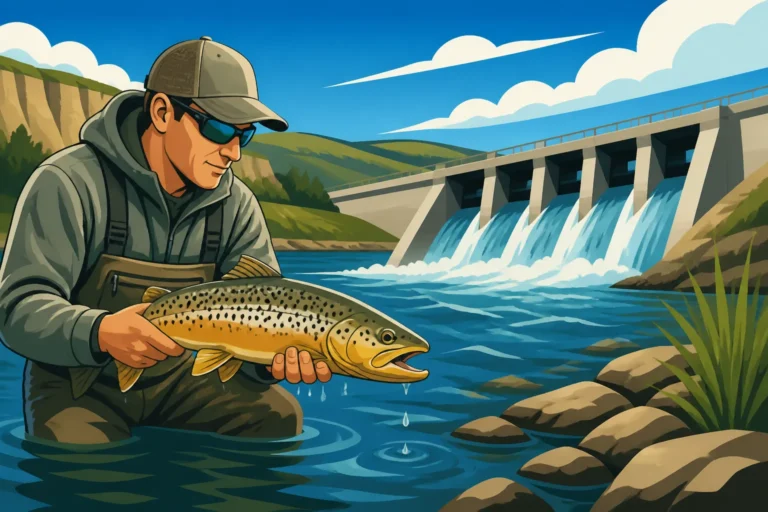
Just below Lewis and Clark Lake lies the Missouri River, specifically the tailwater section directly downstream from Gavins Point Dam. This area is a world unto itself for anglers, offering a completely different fishing experience due to the constant current and unique habitat. It's a fantastic spot for those who love river fishing and the challenges and rewards that come with it. The consistent flow of water creates distinct current seams, eddies, and oxygenated areas that concentrate baitfish and, consequently, the predatory fish that feed on them.
Walleye and Sauger in the Current
Fishing the tailwaters for walleye and sauger is an art form, and it's incredibly rewarding once you get the hang of it. The key here is understanding how fish relate to the current. Walleye and sauger will often hold in slack water areas, just out of the main flow, waiting to ambush baitfish being swept downstream. Look for current breaks caused by submerged rocks, wing dams, or sudden depth changes. Jigging is king in these conditions. Heavy jigs tipped with a minnow or a soft plastic swimbait are incredibly effective. You'll want to use enough weight to get your bait to the bottom quickly and stay there, but not so much that it's just dragging. The "lift and drop" technique, allowing your jig to tumble downstream slightly before lifting it again, is a classic approach. Bottom bouncers with spinner rigs or stick baits also work well, especially when drifting with the current. This tailwater section is one of the most productive areas for consistent walleye and sauger action in the region. Getting familiar with the dynamics can be a bit of a learning curve, but our detailed guide on Missouri River Tailwater Fishing Below Gavins Point Dam offers some fantastic insights.
Catfish and Paddlefish Pursuits
The Missouri River below Gavins Point Dam is also a legendary spot for catfish, particularly channel catfish and the occasional flathead. These powerful bottom dwellers thrive in the river’s currents and deeper holes. For channel catfish, cut bait (like shad, carp, or even chicken liver) fished on a simple bottom rig with a circle hook is incredibly effective. Look for them in deeper holes, around submerged logs, or where tributaries enter the main river. They're scavengers, and the scent trail of fresh cut bait is often irresistible. Flathead catfish, on the other hand, prefer live bait, like bluegills or chubs, and tend to hang out in areas with heavy cover, like log jams and deep scour holes. While they are a bit more elusive, landing a trophy flathead from the Missouri River is an unforgettable experience. For those looking to target these whiskered warriors, our guide to Missouri River Catfish Fishing Below Gavins Point Dam has all the details you need. It’s also worth mentioning that the Missouri River has a unique paddlefish snagging season in specific areas. This highly regulated season, typically in the spring, requires a special tag and specific equipment, offering a truly unique angling adventure. Always check the latest South Dakota GFP regulations if you're interested in pursuing paddlefish, as permits are usually limited and demand is high.
Smaller Lakes and Ponds for a Different Pace
While Lewis and Clark Lake and the Missouri River steal much of the spotlight, don't overlook the charm and excellent fishing opportunities offered by the smaller lakes and ponds dotted around the Yankton area. These often provide a more serene fishing experience, with less boat traffic and a chance to truly connect with nature. They’re also fantastic options for family outings or when you’re just looking for a quick escape to wet a line.
Marindahl Lake: A Hidden Gem
Just a short drive northwest of Yankton, you'll find Marindahl Lake, a much smaller, quieter reservoir that offers a fantastic change of pace. This lake is known for its healthy populations of panfish, including bluegill and crappie, as well as decent numbers of largemouth bass and northern pike. It’s an ideal spot if you're looking for consistent action, especially with kids. The lake's smaller size means it's easier to navigate, and the fishing pressure is often lighter than on the larger waters. For panfish, target the weed edges and any submerged structure with small jigs, worms, or crickets under a bobber. Largemouth bass will be found in similar cover, especially around lily pads, fallen trees, and docks. Spinnerbaits, plastic worms, and topwater frogs can be very effective here. Northern pike, while not as numerous as in some other South Dakota lakes, can offer an exciting challenge; try larger spoons or spinnerbaits along weed lines. The peaceful atmosphere and varied fishing make Marindahl Lake a truly enjoyable outing for anglers seeking a tranquil day on the water.
Local Ponds and Rivers: Easy Access Fishing
Beyond Marindahl, the Yankton area is also home to various smaller public ponds and sections of rivers that offer accessible and often productive fishing. These spots might not produce trophy-sized fish every time, but they are perfect for a casual afternoon or introducing someone new to fishing. Many of these ponds are stocked by the South Dakota Game, Fish and Parks (GFP) with various species, including channel catfish, bluegill, and even rainbow trout in some cooler months. Check out our guide to South Dakota State Park Fishing Ponds for tips on identifying these accessible spots. Rivers like the James River, although further afield, can offer excellent channel catfish opportunities. The Big Sioux River, to the east, also holds channel catfish and some smallmouth bass in its cleaner sections. Shore fishing is often the primary method on these smaller waters, making them incredibly convenient. A simple rod and reel, some worms or corn, and a comfortable chair are often all you need for a rewarding experience. These smaller, community-focused spots are invaluable for local anglers and visitors alike, providing quick access to fishing without the need for a boat or extensive gear.
Planning Your Yankton Fishing Trip: Essential Tips
Embarking on a fishing adventure in the Yankton area is an exciting prospect, but a little planning goes a long way to ensure a successful and enjoyable trip. South Dakota has specific rules and seasons, and being prepared with the right gear can make all the difference.
Licenses and Regulations
First and foremost, you absolutely need to make sure your fishing license is in order. South Dakota takes its conservation seriously, and having the correct license is non-negotiable. Residents and non-residents alike are required to purchase a license, with various options available depending on your age, residency status, and how long you plan to fish. You can usually pick one up online through the South Dakota GFP website, at most bait shops, or at many sporting goods stores in Yankton. Don't forget that if you're 18 or older, you'll also need a South Dakota Habitat Stamp. It's a small fee, but it directly contributes to wildlife habitat management across the state. Trust me, it's a small price to pay for the incredible resources we have! For a complete breakdown of what you'll need, be sure to consult our comprehensive South Dakota Fishing License Guide and always review the latest South Dakota Fishing Regulations Explained as they can change annually. Ignorance of the rules is never an excuse, and wardens patrol these waters regularly.
Best Times to Visit and What to Bring
The "best" time to visit Yankton for fishing really depends on what you want to catch!
- Spring (April-May): This is prime time for walleye and sauger as they move shallow for spawning. Crappie also become very active.
- Summer (June-August): Smallmouth bass action heats up, and catfishing on the Missouri River is fantastic. Walleye move to deeper structure.
- Fall (September-October): Many species, especially walleye and crappie, enter a feeding frenzy before winter, offering some of the best fishing of the year.
- Winter (December-February): Ice fishing on Lewis and Clark Lake and other smaller bodies of water can be excellent for walleye, perch, and crappie, assuming safe ice conditions.
As for what to bring, a good fishing rod and reel combo suitable for the species you're targeting is essential. For walleye, a medium-light to medium-heavy spinning or baitcasting rod will work well. Don't forget a tackle box stocked with appropriate lures and baits: crankbaits, jigs, spinner rigs, and live bait like minnows or nightcrawlers. Depending on the season, dress in layers, and always have rain gear handy – South Dakota weather can be unpredictable! Sun protection (hat, sunglasses, sunscreen) is also crucial. A good pair of pliers for hook removal, a tape measure, and a cooler with ice to keep your catch fresh are also highly recommended. Our detailed South Dakota Fishing Gear Checklist can help ensure you don't forget anything vital.
Guided Trips and Local Expertise
Sometimes, the best way to tackle a new body of water or target a specific species is to tap into local knowledge. Hiring a professional fishing guide can dramatically increase your chances of success and provide an invaluable learning experience. Local guides spend hundreds of days on these waters, understanding the nuances of fish behavior, seasonal patterns, and secret hotspots that might take years to discover on your own. They typically provide all the necessary gear, bait, and knowledge, leaving you free to focus on the fishing. If you're planning a trip to the Yankton area and want to make the most of your time on the water, consider booking a guided trip. Platforms like FishingBooker make it incredibly easy to find and reserve a local guide, ensuring you connect with experienced captains who know Lewis and Clark Lake and the Missouri River like the back of their hand. A quick search on FishingBooker for "Yankton fishing guides" will show you a range of options, from walleye specialists to crappie masters, often complete with reviews from other anglers. This can be especially helpful if you're short on time or new to the area, ensuring you spend less time searching and more time reeling! Many top guides offer tailored experiences, whether you're looking for a half-day walleye excursion or a full-day adventure. Even if you consider yourself an experienced angler, a guided trip can open your eyes to new techniques and presentations specific to these unique South Dakota fisheries.
Fishing Spot Comparison Near Yankton
To help you quickly decide where to cast your line, here’s a quick overview of the main fishing opportunities near Yankton:
| Fishing Spot | Primary Fish Species | Best Seasons | Common Baits/Lures | Accessibility (Boat/Shore) | Unique Feature |
|---|---|---|---|---|---|
| Lewis and Clark Lake | Walleye, Sauger, Crappie, Perch, Smallmouth Bass | Spring, Summer, Fall, Winter (ice fishing) | Crankbaits, Jigs, Spinner Rigs, Live Bait (minnows, nightcrawlers), Soft Plastics | Excellent for Both | Vast, diverse habitat, large fish populations |
| Missouri River (Gavins Point Tailwater) | Walleye, Sauger, Channel Catfish, Flathead Catfish, Paddlefish | Spring, Summer, Fall | Heavy Jigs, Bottom Bouncers, Cut Bait, Live Bait | Primarily Boat (some shore) | Strong current, unique riverine species like paddlefish |
| Marindahl Lake | Bluegill, Crappie, Largemouth Bass, Northern Pike | Spring, Summer, Fall | Small Jigs, Worms, Spinnerbaits, Plastic Worms | Good for Both | Quieter, less crowded, good for family fishing |
| Local Ponds/Rivers | Bluegill, Catfish, Smallmouth Bass, Trout (seasonal) | Spring, Summer, Fall | Worms, Corn, Small Jigs, Crickets | Excellent Shore | Easy access, often stocked, beginner-friendly |
Remember, while this table gives you a good starting point, local conditions and fish patterns can change. Always check the latest reports from the South Dakota GFP or talk to folks at a local bait shop in Yankton; they’re often the best source for real-time information!
Disclaimer
The information provided in this guide is for general informational purposes only and is subject to change. Fishing regulations, license requirements, and fish populations can vary. Always consult the official South Dakota Game, Fish and Parks (GFP) website and current fishing handbooks before planning any fishing trip to ensure compliance with all state laws and safety guidelines. Fishing involves inherent risks, and personal safety should always be your top priority.