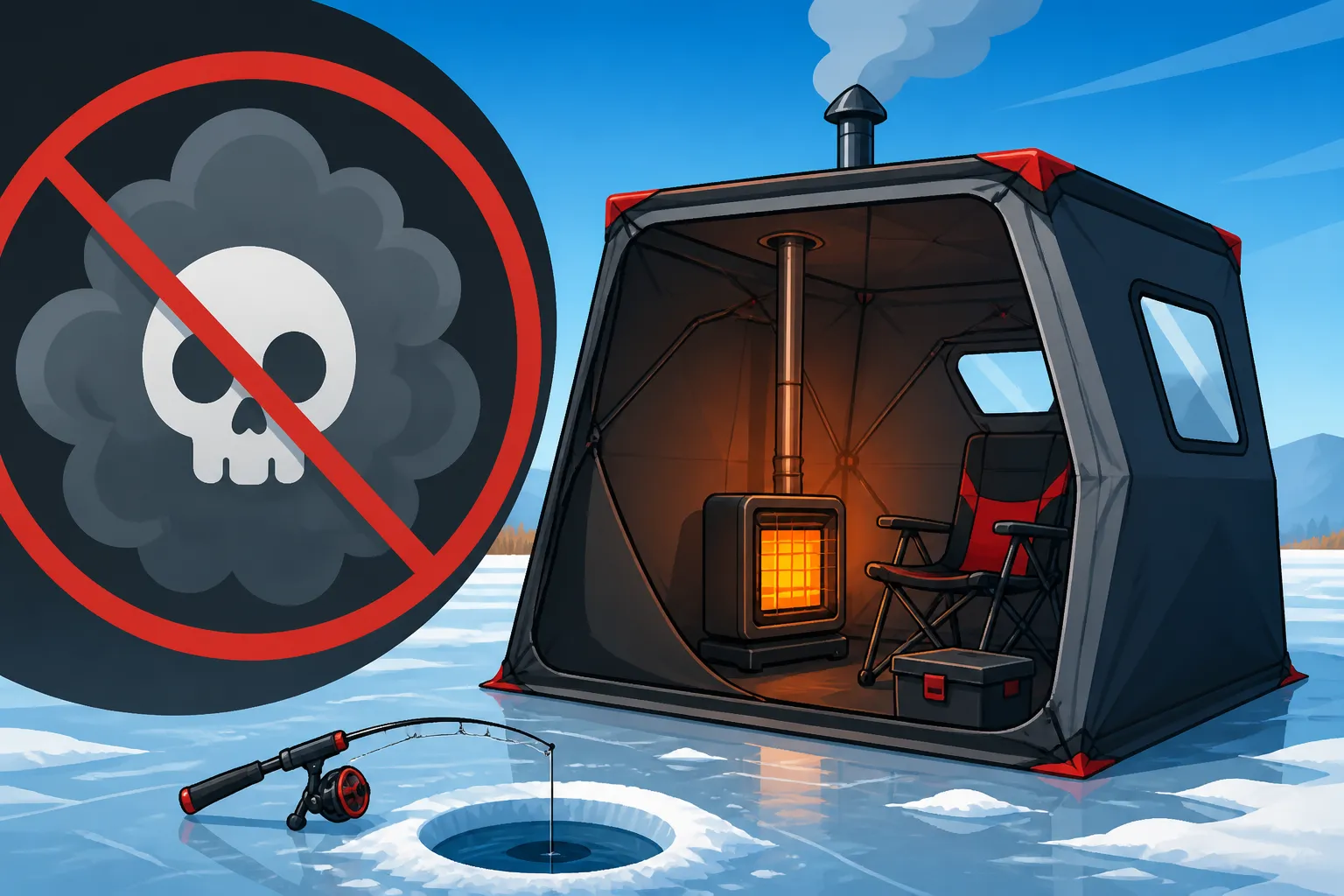
Is Carbon Monoxide a Risk in Ice Shelters?
There’s nothing quite like the solitude and thrill of a South Dakota ice fishing trip, but that quiet can sometimes mask a very real and silent danger: carbon monoxide (CO) poisoning inside your ice shelter. Many of us use portable heaters to stay warm, creating a cozy environment that, without proper precautions, can quickly become hazardous. This guide will walk you through understanding the risks, equipping yourself with essential safety gear, and implementing best practices to ensure your next ice fishing adventure is not only successful but also safe for everyone in your party.
The Hidden Danger: Understanding Carbon Monoxide in Ice Shelters
The appeal of ice fishing in South Dakota often lies in escaping the elements, creating a warm haven out on the frozen lake. But that warmth, typically generated by propane or other fuel-burning heaters, introduces a serious threat: carbon monoxide. It's a risk that many experienced anglers are well aware of, but it's always worth a thorough refresher, especially for those new to the hardwater scene or anyone considering upgrading their shelter and heating setup. Ignoring this risk isn't just foolish; it can be deadly.
What is Carbon Monoxide (CO)?
Carbon monoxide is often called the "silent killer," and for good reason. It's an odorless, colorless, and tasteless gas, making it impossible to detect with human senses. This insidious nature is precisely what makes it so dangerous in enclosed spaces like ice shelters. CO is produced whenever fossil fuels — like propane, natural gas, gasoline, kerosene, wood, or charcoal — are burned incompletely. In an ice shanty, this most commonly comes from your portable heater. When you're tucked inside your shelter, trying to stay warm, that heater is constantly combusting fuel, and if the ventilation isn't perfect, CO can build up to dangerous levels before you even realize anything is wrong. It's a terrifying thought, especially when you're focused on that next bite.
The gas works by interfering with your blood's ability to carry oxygen. When inhaled, CO binds to hemoglobin in your red blood cells much more readily than oxygen does, effectively starving your vital organs and tissues of the oxygen they need to function. The consequences range from mild symptoms like headache and nausea to severe neurological damage, collapse, and even death. It’s a stark reminder that staying warm shouldn't come at the cost of your health or life.
Why Ice Shelters Create a Unique Risk
Ice shelters, by their very design, are built to keep the cold out and the warmth in. This insulation, while a blessing in the biting South Dakota winter, becomes a significant part of the problem when it comes to carbon monoxide. Whether you're using a small one-person pop-up, a larger hub-style shelter, or a permanent shack, the goal is typically to seal it up tight to conserve heat. While modern shelters often have some built-in ventilation points, they are often insufficient or might be blocked by snow, gear, or even just our desire to stay as warm as possible.
Imagine a frigid day on Lake Sharpe, where the wind howls and the temperatures plummet. You've got your portable heater blasting, keeping your hands thawed and your feet from turning into ice blocks. Every flap is zipped, every window cinched down, and snow is piled high around the base to prevent drafts. This is the perfect recipe for a CO buildup. The heater is consuming oxygen and producing exhaust gases, including CO, which have nowhere to go. Without a constant flow of fresh air, the concentration of this deadly gas can rise quickly, turning your cozy fishing spot into a deathtrap. It's a trade-off that many anglers unknowingly make, prioritizing immediate comfort over unseen safety.
The Sneaky Symptoms of CO Poisoning
The biggest problem with carbon monoxide is how deceptively its symptoms can mimic other common conditions, especially when you're out on the ice. Tiredness, headaches, dizziness, and nausea are all symptoms that an angler might attribute to lack of sleep, dehydration, motion sickness from a bumpy ride, or simply being cold and rundown from a long day battling the elements. This misdiagnosis is why CO poisoning is so dangerous; people often don't realize what's happening until it's too late.
Consider a scenario: you've been jigging for South Dakota Walleye Limits all morning, and you start to feel a dull ache in your head. Maybe you're a bit lightheaded when you stand up. Your buddy feels a little queasy. The natural reaction might be to drink some coffee or grab a snack, or even just tough it out. But these could be the early warning signs of CO poisoning. As the concentration of CO increases, symptoms worsen to confusion, vomiting, muscle weakness, and loss of consciousness. At this point, you're in severe danger and likely unable to help yourself or others. It’s a chilling reminder that an ounce of prevention, in this case, is worth far more than a pound of cure.
Essential Gear to Prevent CO Poisoning
Given the silent and deadly nature of carbon monoxide, relying on your senses or waiting for symptoms is a gamble you absolutely cannot afford to take. The good news is that preventing CO poisoning in your ice shelter is entirely achievable with the right gear and a commitment to safety. Think of it as investing in peace of mind for every ice fishing trip, whether you're targeting perch on Bitter Lake or chasing trophy walleye on Lake Oahe.
Carbon Monoxide Detectors: Your Lifeline
A reliable carbon monoxide detector is, without a doubt, the single most critical piece of safety gear for any ice angler using a heater. This isn't an optional accessory; it's a non-negotiable lifeline. These small, battery-operated devices are designed to detect the presence of CO in the air and sound a loud alarm before levels become dangerous. They literally speak for you when your body can't.
When choosing a detector, look for one specifically designed for portable use or RVs, as these are often more durable and less sensitive to temperature fluctuations common in ice shelters than typical home detectors. Battery life is crucial, so always check and replace batteries before each season, and consider carrying spare batteries as part of your Essential Gear Checklist for a South Dakota Ice Fishing Trip. Placement matters too: position your detector at roughly sleeping height, if you plan to nap, or at chest height when seated, and away from direct heater exhaust. Most importantly, test it regularly according to the manufacturer's instructions. You can find many reliable options at outdoor retailers or even on sites like Bass Pro Shops or Amazon, ensuring you get a device built for the rigors of outdoor use.
| Detector Feature | Importance for Ice Fishing | Notes |
|---|---|---|
| Battery Operated | Essential | No reliance on external power; carry spares |
| Digital Display | Highly Recommended | Shows CO levels for early warning |
| Loud Alarm | Critical | Must be audible over wind, talk, etc. |
| Low Temperature Rating | Important | Ensures function in extreme cold |
| Test/Reset Button | Essential | For regular function checks |
Ensuring Adequate Ventilation in Your Shelter
Even with a CO detector, proper ventilation remains a fundamental safety practice. Think of your ice shelter as needing to "breathe." While you want to retain heat, you also need to allow fresh air in and exhaust gases out. This balance is key. Many modern ice shelters, especially larger hub-style models or permanent shacks, come equipped with dedicated vents. Make sure these are always open and unobstructed. It’s a common mistake to zip them shut completely to keep warmth in, but this defeats their life-saving purpose.
If your shelter doesn't have obvious vents, or if you feel the existing ones aren't enough, you'll need to create your own ventilation. This often means leaving a small crack in a zipper, slightly opening a window, or ensuring a gap at the bottom of the shelter isn't completely sealed by snow. The goal is to create a cross-breeze or at least a constant trickle of fresh air. A common recommendation is to have at least two ventilation points: one low to draw in fresh air, and one high to allow exhaust gases (which tend to rise) to escape. This creates a natural airflow. Remember, even a small opening can make a big difference in preventing CO buildup. It might make your Best Ice Fishing Shelters for South Dakota Winters a tiny bit cooler, but it will certainly make it safer.
Portable Heaters and Safe Operation
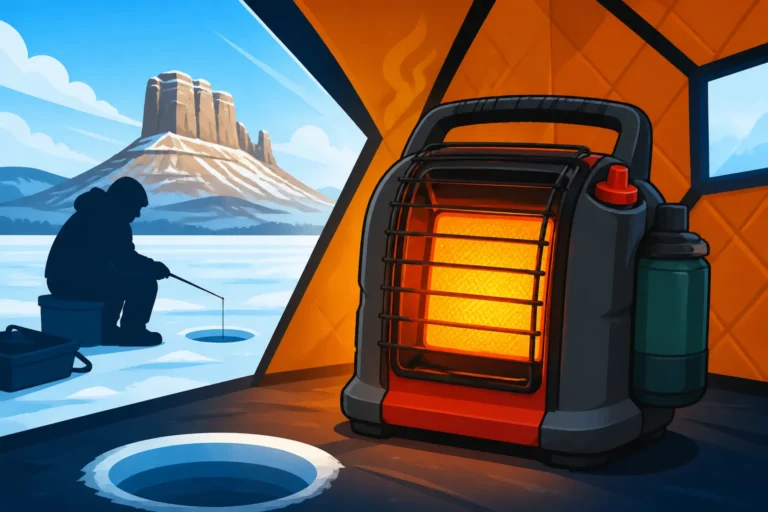
Your portable heater is central to your comfort on the ice, but it's also the primary source of CO risk. Operating it safely is paramount. First, ensure your heater is specifically designed for indoor use and has an oxygen depletion sensor (ODS) and a tip-over shut-off switch. Most reputable ice fishing heaters, like those from popular brands found at Bass Pro Shops, will have these features built-in. These safety mechanisms can automatically shut off the heater if oxygen levels drop too low or if the unit is accidentally knocked over.
Always follow the manufacturer's instructions for operation, fuel type, and maintenance. Never use a heater that looks damaged or has a faulty hose. Position the heater on a stable, level surface, away from flammable materials like sleeping bags, coats, or the shelter fabric itself. Never block the heater's air intake or exhaust vents. While it might seem like a good idea to aim the heater directly at your feet, try to keep it elevated slightly to allow for better air circulation around it. Regularly inspect propane lines for cracks or leaks before heading out. And, of course, never, ever use outdoor cooking devices, like charcoal grills, inside your ice shelter for warmth. They produce extremely high levels of CO and are unequivocally unsafe for enclosed spaces.
Best Practices for a Safe Ice Fishing Trip
Beyond having the right gear, adopting a mindset of safety and following strict best practices before and during your trip can make all the difference. Ice fishing in South Dakota is an incredible experience, but it demands respect for the environment and an understanding of the potential hazards. It's not just about knowing How Thick Ice Should Be Before Fishing in South Dakota; it's also about knowing how to breathe safely inside your shelter.
Pre-Trip Safety Checks
Before you even load up your sled, a thorough pre-trip safety check is essential. This isn't just about your fishing tackle; it's about your life-saving equipment.
- Check Your CO Detector: Take it out, put in fresh batteries, and press the test button. Make sure the alarm sounds loud and clear. If it's an older model, check the expiration date – CO detectors have a lifespan, typically 5-7 years. An expired detector is as useless as no detector at all.
- Inspect Your Heater: Look for any damage to the unit, particularly the hose and regulator connecting it to the propane tank. Ensure all connections are tight. Start it up briefly in a well-ventilated area to ensure it functions correctly. Clean any dust or debris from vents or screens on the heater itself.
- Review Your Shelter: Before setting up on the ice, unfold your shelter and check all zippers, windows, and vents. Ensure they operate smoothly and can be opened or closed as needed. Make sure no vents are sewn shut or have accumulated debris from storage.
- Pack Emergency Supplies: Beyond your fishing gear, pack a dedicated safety kit. This should include a first-aid kit, extra layers of warm clothing (in case you need to air out your shelter), a fully charged cell phone, a portable power bank, and a bright flashlight or headlamp. Remember, How Cold It Gets Ice Fishing in South Dakota means conditions can turn quickly.
Taking these few minutes at home can prevent a crisis on the ice. It’s about being proactive, not reactive, when it comes to personal safety.
Setting Up Your Shelter Safely on the Ice
The way you set up your shelter once you're on the ice is crucial for managing CO risks. It goes beyond simply drilling holes and dropping lines.
- Optimal Placement: If possible, choose a spot for your shelter that offers some natural airflow. Avoid setting up in deep depressions where cold, stagnant air might settle.
- Ensure Ventilation: As discussed, always ensure adequate ventilation. Even if you're using a Best Portable Heater for an Ice Shanty, keep at least two vents open – one low and one high – or slightly crack a zipper and a window. You're aiming for a subtle exchange of air, not a gale force wind. If you're using a permanent shack, check for roof vents and ensure they're not blocked by snow or ice.
- Clear Exhaust: If your heater has an external exhaust port, ensure it's completely clear of snow and ice. Blocked exhaust means CO is backing up into your shelter.
- Stable Heater Placement: Place your heater on a firm, level surface in the center of the shelter, away from the walls and any flammable items. Avoid placing it directly on the ice where it could freeze or get knocked over easily.
- Educate Your Group: If you're fishing with others, make sure everyone knows about the CO detector, how to recognize symptoms, and what to do in an emergency. Ice Fishing Gear Basics for Beginners should always include CO safety.
Emergency Protocol and Awareness
Despite all precautions, it's vital to know what to do if your CO detector alarm sounds or if you or someone in your group starts experiencing symptoms. Reacting quickly and calmly can save lives.
- Immediate Evacuation: If the alarm goes off, or if anyone shows symptoms of CO poisoning, immediately get everyone out of the shelter and into the fresh air. Don't waste time packing up gear. Your life is more important than your rods.
- Assess and Seek Help: Once everyone is safely outside, assess everyone's condition. If anyone is showing severe symptoms (confusion, difficulty breathing, collapse), call 911 or emergency services immediately. Get them to a warmer environment if possible, but keep them in fresh air.
- Ventilate the Shelter: Once everyone is safe, open up all windows, doors, and vents in the shelter to thoroughly air it out. Do not re-enter the shelter until it has been completely ventilated and the CO detector indicates safe levels, or if you don't have a detector, for a significant period of time with ample airflow.
- Identify the Cause: Once the immediate danger is passed, try to identify what caused the CO buildup. Was a vent blocked? Was the heater malfunctioning? Did you inadvertently seal off all airflow? Understand the issue to prevent recurrence. Never assume it was a false alarm without thoroughly investigating.
Staying aware and being prepared for an emergency is a sign of a responsible angler, not a paranoid one.
Choosing the Right Safety Equipment
Selecting the correct safety equipment is more than just grabbing the first CO detector you see. It involves understanding the nuances of different options and how they perform in the unique environment of an ice shelter. You wouldn't just pick any rod for South Dakota Fall Walleye Fishing Techniques, and you shouldn't for safety either.
Selecting a Reliable CO Detector
Not all carbon monoxide detectors are created equal, especially when it comes to the extreme conditions of South Dakota ice fishing. Here’s what to look for:
- Portability and Durability: Your detector needs to withstand cold, condensation, and the occasional bump or jostle. Devices designed for camping, RVs, or marine use are generally more rugged than standard home units. Brands like Kidde or First Alert offer robust portable options.
- Battery Life and Type: Long-lasting batteries are crucial. Consider models that use readily available AA or AAA batteries, and always carry spares. Some higher-end models may have rechargeable options.
- Digital Display: A digital readout that shows the CO level in parts per million (PPM) is incredibly useful. It provides an early warning, allowing you to react before the alarm sounds or before levels become critically dangerous. A reading of 10-35 PPM might indicate a problem developing, prompting you to increase ventilation, while an alarm typically sounds at higher, more dangerous levels (e.g., 70-150+ PPM).
- Temperature Range: Check the operating temperature range. Some household detectors aren't rated for below-freezing temperatures, which could lead to inaccurate readings or failure when you need them most.
- Ease of Use: You want a detector with a clear alarm and an easy-to-use test button. Complicated devices can be a hassle in cold, gloved hands.
- Certification: Look for models certified by recognized safety standards organizations. This indicates that the device has been tested to meet specific performance criteria.
Remember, a CO detector doesn't prevent CO from being produced; it just warns you of its presence. It's a critical second line of defense, but ventilation is your first.
Ventilation Strategies for Different Shelter Types
The best way to ventilate your ice shelter depends on its design and how you use it.
- Pop-Up Hub Shelters: These are generally well-sealed to retain heat. They usually have small, zippered vents near the top. Always keep these open when a heater is running. Additionally, slightly cracking one main door zipper (just an inch or two) can create a crucial air exchange, especially if you have a window cracked on the opposite side.
- Flip-Over Shelters: Similar to hub shelters, flip-overs prioritize warmth. They often have fewer dedicated vents. You'll likely need to slightly prop open a corner or crack a window, ensuring there's a small gap at the bottom for fresh air to enter and another higher up for exhaust.
- Permanent Shacks: These wooden or metal shacks are often customized. Ensure yours has both a lower intake vent (like a small grate near the floor) and a higher exhaust vent (like a chimney-style cap or wall vent). Regularly check these for blockages from snow, ice, or even nesting animals during the off-season. Some shacks even have small exhaust fans, but these should always be used in conjunction with passive ventilation.
- Using a Fan: In any shelter type, a small, battery-operated fan can help circulate air and promote better ventilation, pushing stagnant air out and drawing fresh air in, as long as you have those openings.
The key is always to create a path for air to enter and exit. Even a slight draft is better than none.
Powering Your Shelter Safely
While this article focuses on CO from combustion heaters, it's worth a quick mention that how you power other electronics in your shelter can also have safety implications, though typically not CO related directly.
- Portable Power Stations: Devices like portable battery packs or solar generators (often available on Amazon or Bass Pro Shops) are excellent for powering lights, fish finders, and charging phones without producing combustion byproducts. They are a much safer alternative to gasoline generators, which should never be used inside or directly adjacent to an ice shelter due to their extremely high CO emissions. If you absolutely must use a gas generator, place it a significant distance downwind from your shelter and ensure its exhaust is directed well away from any openings.
- Propane Tanks: When using propane heaters, always keep your large propane tank outside the shelter. Only connect it to your heater via a proper, inspected hose that runs into the shelter. While propane itself isn't a CO source, a leaking tank inside your shelter poses other serious risks, including fire and asphyxiation. Always check hose connections for leaks with a soapy water solution before use.
By combining the right equipment with smart practices, you can enjoy the serenity of South Dakota ice fishing without the silent threat of carbon monoxide overshadowing your experience. Be safe out there, and happy fishing!
Disclaimer
This article is for general informational purposes only and does not constitute professional advice. Laws, prices and regulations vary by location and change over time. Consult a qualified professional for guidance on your specific situation.