Best Lure Colors to Carry for Stained Water
There’s nothing quite as frustrating as showing up at your favorite South Dakota fishing spot, rods rigged and ready, only to find the water looking like a chocolate milkshake or a strong cup of tea. That beautiful, clear water you scouted last week is now murky, stained, or downright muddy, and you’re left wondering how on earth you’re supposed to convince a fish to bite when they can barely see their fins. This guide is here to walk you through the art and science of picking the best lure colors when the water isn't cooperating, helping you turn those challenging conditions into successful fishing adventures.
Understanding What "Stained Water" Really Means
First things first, let's talk about what we mean by "stained water" because it's not a one-size-fits-all definition. Water clarity can range from a light tint to a thick, opaque soup, and understanding the nuances will significantly impact your lure choice.
What Stained Water Looks Like
Stained water isn't necessarily dirty with pollutants, although it can be. More often, it refers to water with reduced visibility due to suspended particles. Think about the variety of conditions we see across South Dakota:
- Turbid or Muddy Water: This is often the result of heavy rains and runoff, especially in areas with agricultural land or construction nearby. The Missouri River reservoirs, like Lake Francis Case or Lake Sharpe, can get quite turbid after a significant storm, as can many of our smaller lakes and rivers in the eastern part of the state. The water appears brown, tan, or even reddish-brown, and visibility might be only a few inches deep. This is the most challenging type of stained water to fish.
- Tea-Stained or Tannic Water: Common in lakes and rivers surrounded by marshy areas, peat, or decaying vegetation. This type of stain gives the water a dark, tea-like color, often prevalent in some of the Glacial Lakes region. While it's dark, it can sometimes be clearer than muddy water, allowing for a foot or two of visibility. The color comes from tannins leaching out of organic matter, similar to how tea gets its color.
- Algae Blooms: During warmer months, especially in shallower lakes, algae can proliferate, giving the water a green or sometimes yellowish tint. This can range from a light haze to thick, soupy conditions that severely limit visibility.
Each of these conditions presents a unique challenge, but the underlying principle is the same: fish have less light to work with, and they rely more heavily on other senses.
How Stained Water Impacts Fish Behavior
When water clarity drops, fish don't just stop eating. They adapt. Their primary sense of sight, which they rely on heavily in clear water for ambushing prey, becomes less effective. This means a few things for us anglers:
- Reliance on Other Senses: Fish will lean heavily on their lateral line system to detect vibrations in the water and their olfactory sense (smell) to track down food. This makes noisy, vibrating lures and scented baits incredibly effective.
- Shorter Strike Zones: Instead of chasing a lure from several feet away, a fish in stained water might only react when the lure is inches from its nose. This means you need to put your bait right in front of them, and it needs to be noticeable.
- Shallower Preferences (Sometimes): In very turbid water, fish might move shallower, especially if there's better light penetration closer to the surface, or if baitfish are concentrated there. However, they can also relate to cover or structure where they feel secure. Understanding How to Find Walleye on a New Lake becomes even more critical in these conditions.
The key takeaway? Your lure needs to stand out. It needs to be seen, felt, or smelled.
The Best Lure Colors for Maximum Visibility in Stained Water
When the water turns murky, your goal is to choose colors that either provide a strong contrast against the dim background or actively reflect what little light is available.
Fluorescent and Bright Colors: Catching the Eye
These are your go-to colors for making a statement in stained water. They're designed to be highly visible, often even in low light conditions, because of their ability to absorb UV light and re-emit it as visible light, essentially glowing subtly.
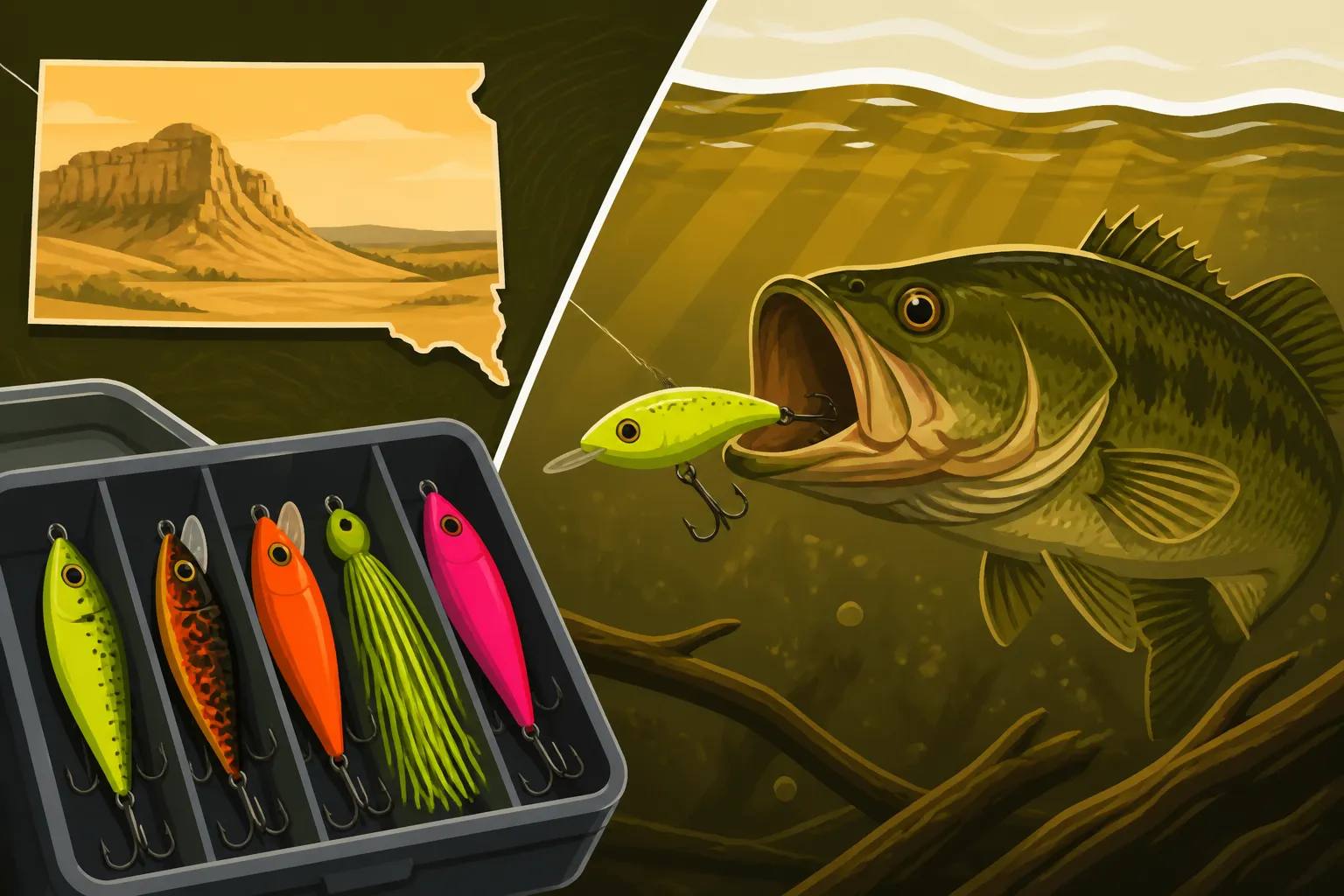
- Chartreuse: This vibrant yellowish-green is practically a magic bullet in stained water. Whether you're fishing for walleye on Lake Oahe, chasing crappie in the Glacial Lakes, or targeting bass in a murky pond, chartreuse jigs, crankbaits, and spinnerbait skirts can be incredibly effective. Its bright, almost glowing quality makes it stand out even when visibility is only a foot or two. Many anglers will opt for a chartreuse jig head paired with a contrasting soft plastic body, like a white or dark-colored paddle tail.
- Neon Green: Similar to chartreuse but often a bit greener, this color also offers excellent visibility. It's fantastic for spinnerbaits and soft plastics, especially when mimicking baitfish that might have a slight greenish tint in certain lighting.
- Bright Orange/Red: These warm, bold colors can also be very effective. Red, while often fading quickly in deeper, clearer water, can retain its visibility better in stained conditions because it offers strong contrast against the browns and greens of murky water. Orange is a fantastic choice for crankbaits and lipless crankbaits, especially in turbid river systems where fish are feeding aggressively. Many classic walleye baits come in bright orange for a reason!
- Hot Pink: Don't knock it 'til you try it! Hot pink, especially in jigs or as an accent on a spinnerbait, can be surprisingly productive in very murky water. It's a color that fish don't see often, and its intense hue can trigger a reaction strike.
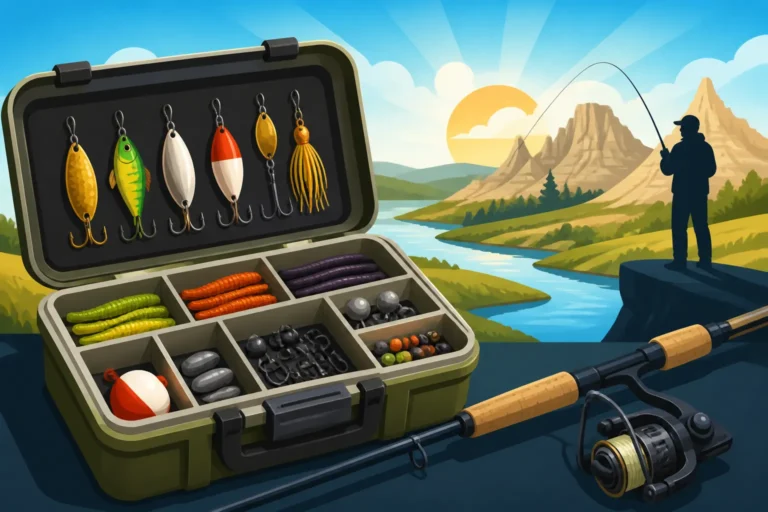
When you're browsing for lures, whether at a local bait shop or online through retailers like Amazon or Bass Pro Shops, keep an eye out for these fluorescent options. They should be a staple in your tackle box for those less-than-ideal water days.
Dark and Opaque Colors: Creating a Strong Silhouette
While bright colors scream for attention, sometimes the best approach is to create a strong, solid silhouette that fish can detect even with limited light. This is particularly true in extremely dark or muddy water where even bright colors might struggle to "glow."
- Black: Simple, yet incredibly effective. A black jig, worm, or spinnerbait presents a bold, unmistakable profile against the dim background of murky water. It absorbs all available light, appearing as a solid shape that fish can discern through their lateral line as a moving object. I've had incredible success with black jigs for walleye in post-rain stained conditions on the Missouri River system.
- Dark Blue/Purple: These colors also create a distinct silhouette, often with a subtle, attractive hue that can entice finicky fish. Dark blue or purple soft plastics, especially larger ones like worms or creature baits, can be excellent for bass. For walleye, a dark blue or purple jig paired with a scented minnow imitation can be a deadly combination in moderately stained water. Purple has a reputation for being great for walleye, especially when they're feeding on crayfish or other dark-colored forage.
- Junebug/Plum: These are popular bass colors, often a deep purple with some flake, that work wonders in stained water. The deep color offers a strong silhouette, while any subtle flake can catch the minimal light.
The trick with dark colors is to ensure your lure has enough action or vibration to be noticed. A dark, still bait in muddy water is a tough sell, but a dark crankbait with a strong wobble or a dark soft plastic on a jig with an enticing tail kick can be irresistible.
Metallic Finishes and Flash: Reflecting Light
Even in stained water, there's some light. Metallic lures or those with highly reflective finishes can catch and scatter this light, creating flashes that mimic a struggling baitfish.
- Gold: Gold spoons, spinnerbait blades, and crankbait bodies are fantastic in stained water, especially when there's a yellowish or brownish tint to the water. Gold tends to look more natural in these conditions than silver, often resembling the scales of common baitfish like shiners or shad. For South Dakota Walleye Fishing Guide tips, gold is frequently recommended, particularly in river sections where turbidity is common.
- Copper/Brass: Similar to gold, copper and brass provide a warm, subtle flash that can be very appealing. These colors are excellent for spinnerbait blades, particularly tandem-blade setups, and some crankbaits. They excel in darker, tannic water where a brighter silver might seem out of place.
While bright colors are generally more effective in heavily stained water, a metallic accent can add that extra bit of attraction, especially if the water has just a slight tint rather than full-blown murkiness.
Here's a quick reference table for lure colors based on stained water conditions:
| Water Clarity Level | Primary Lure Colors Suggested | Secondary Lure Colors/Accents | Why They Work |
|---|---|---|---|
| Lightly Stained | Chartreuse, Bright Orange, Gold | White, Silver, Fluorescent Red | High visibility, good contrast, natural flash. |
| Moderately Stained | Chartreuse, Hot Pink, Dark Blue, Purple | Black, Orange, Metallic Gold | Strong visual presence, good silhouette, some flash. |
| Heavily Stained/Muddy | Black, Dark Blue, Junebug, Hot Pink | Chartreuse, Bright Orange | Creates strong silhouette, ultra-high visibility. |
| Tea-Stained/Tannic | Chartreuse, Orange, Gold, Dark Green | Brown, Black, Firetiger | Contrasts with dark water, mimics natural forage. |
| Algae Bloom (Green) | Chartreuse, White, Bright Orange | Gold, Dark Blue, Black | Contrasts with green, stands out against algae. |
Combining Color with Other Attractors
Picking the right color is only part of the battle in stained water. Since fish are relying on other senses, you need to engage those too!
Vibration and Sound: Making Some Noise
In low visibility, sound and vibration become paramount. Fish use their lateral line to detect pressure changes in the water, which helps them locate prey even when they can't see it.
- Rattles: Many crankbaits, lipless crankbaits, and some jigs come equipped with internal rattles. These create distinct sound waves that travel far through the murky water, acting as a sonar beacon for hungry fish. A rattling crankbait retrieved steadily can be incredibly effective for enticing walleye or bass that are actively hunting by feel.
- Spinnerbait Blades: The flash of a spinnerbait blade is certainly attractive, but the vibration it creates is arguably more important in stained water. Large, thumping Colorado blades displace a lot of water and send out strong vibrations that fish can pick up from a distance. You might consider a spinnerbait with a chartreuse skirt and a gold Colorado blade for a one-two punch in murky conditions.
- Soft Plastic Action: Even soft plastics can create significant vibration. Paddle tail swimbaits, curl-tail grubs, and creature baits with flapping appendages all move water as they're retrieved, sending out signals to fish. The subtle undulations of a Senko-style worm falling through the water can also be enough to draw a strike. For more ideas on how to rig these, check out Best Tackle for South Dakota Walleye Fishing.
Don't be afraid to experiment with different retrieve speeds. Sometimes a faster retrieve helps the lure "thump" more, while other times a slower, more deliberate retrieve allows the fish more time to locate and commit to the lure.
Scent and Profile: The Olfactory Edge and a Bigger Target
When sight is limited, smell and overall presence become crucial.
- Scented Baits and Additives: Many soft plastics come pre-impregnated with fish attractants. Gulp! Alive, PowerBait, and various other scented plastics are designed to leave a scent trail in the water. You can also add liquid or gel scent to any of your lures. Applying a liberal amount of garlic, shad, or crawfish scent to your jigs, spinnerbaits, or soft plastics can give fish that extra reason to investigate and hold onto the bait longer, giving you a better chance to set the hook.
- Larger Profiles: A bigger lure presents a larger target for fish to detect visually and via their lateral line. While you don't necessarily need to throw a giant lure, stepping up a jig size or using a larger profile soft plastic can make a significant difference. A bulky jig-and-trailer combo or a larger paddle tail swimbait will push more water and offer a more substantial meal impression in stained conditions. When fishing for South Dakota Northern Pike Fishing Guide, using larger, more aggressive lures in bright colors can be particularly effective in murky waters where these predators rely on ambush tactics.
- Focus on the Drop: Many strikes in stained water occur on the fall. A heavier jig or a soft plastic with a unique descent can get into the fish's strike zone quicker and often trigger a reaction bite.
Remember, the goal is to make your lure as easy as possible for the fish to find and commit to, even when they can't see it clearly. This often means combining the right color with attention-grabbing vibration and irresistible scent.
Adapting to Different Stained Water Scenarios
Not all stained water is created equal, and your approach might need to shift based on the specific type of murkiness you encounter.
Muddy vs. Tea-Stained Water: Nuanced Choices
- Extremely Muddy Water (Brown/Opaque): This is where maximum contrast and vibration are your absolute best friends. Think solid black, dark blue, or intensely bright fluorescents like hot pink or chartreuse. The goal here is pure shock value and strong sensory signals. Forget about subtle colors or natural patterns; fish aren't seeing them anyway. This is a great time for heavy rattling crankbaits, spinnerbaits with large Colorado blades, or big jigs tipped with scented plastics. If you're fishing for Catfish Limits and Size Rules on a muddy stretch of the James River, strong scents and heavy weights might even trump color entirely, though a dark-colored chunk of cut bait still makes a strong silhouette.
- Tea-Stained/Tannic Water (Dark Brown/Amber, but often clearer): While dark, this water type can sometimes have better clarity than muddy runoff. Here, warm tones like gold, orange, and chartreuse can really shine. They complement the amber hue of the water. Dark greens and browns can also be effective, mimicking natural forage that thrives in these environments. Consider lures with subtle flash like gold spinner blades or crankbaits with a natural baitfish pattern that includes some orange or gold. The fish might be able to pick up on more detail than in truly muddy water, so a slightly more nuanced approach can work. If you're fly fishing in certain Black Hills streams after a rain, where the water might be tannic, South Dakota Fly Fishing for Black Hills Trout techniques might involve larger, darker streamer patterns.
Seasonal Considerations: When Clarity Changes
Water clarity isn't constant throughout the year. Different seasons bring different challenges and opportunities for stained water fishing.
- Spring Runoff: Early spring in South Dakota often brings heavy rains and melting snow, leading to significant runoff into rivers and lakes. This is a prime time for muddy, turbid conditions. Focus on bright, bold colors and aggressive vibration. Walleye, in particular, will often stage in these stained conditions during their pre-spawn and post-spawn periods. Many anglers find success using South Dakota Spring Walleye Fishing Techniques that emphasize jigs and minnows in chartreuse or orange, often fished in current breaks.
- Summer Algae Blooms: As water temperatures rise in summer, especially in nutrient-rich lakes, algae blooms can turn the water green and opaque. In these conditions, chartreuse, white, and bright orange lures can cut through the green tint. Also consider a larger profile lure or one with a good thumping action to help fish locate it. For warm-water species like bass or panfish, a worm or grub in an aggressive chartreuse or white color can be deadly.
- Fall Turnover and Rains: Fall can also bring periods of stained water due to heavy rains or lake turnover, which can bring sediment and organic matter from the bottom to the surface. Your approach here might be similar to spring, focusing on contrasting colors and strong vibrations, but you'll also be dealing with potentially colder water, which might mean a slower retrieve. Learning South Dakota Fall Walleye Fishing Techniques often includes advice for dealing with these conditions.
By understanding the nature of the stained water and how it changes with the seasons, you can make more informed decisions about your lure choices, increasing your chances of a successful day on the water, even when conditions are less than ideal. Always keep a varied selection of these colors in your South Dakota Fishing Gear Checklist to be ready for whatever Mother Nature throws your way.
Disclaimer
This article is for general informational purposes only and does not constitute professional advice. Laws, prices and regulations vary by location and change over time. Consult a qualified professional for guidance on your specific situation.