How to Organize a Tackle Box for Walleye Fishing
There's nothing quite as frustrating as being out on the vast waters of Lake Oahe or a smaller glacial lake, with the walleye bite heating up, only to realize that the exact jig or crankbait you need is buried under a tangled mess of line and rusty hooks. That moment of scrambling, fumbling through a chaotic tackle box, can cost you precious fishing time and, more importantly, that trophy walleye. This guide is dedicated to helping you master the art of organizing your walleye tackle box, ensuring everything is exactly where it needs to be when you need it most, making your South Dakota fishing trips much more efficient and enjoyable.
Why a Disorganized Tackle Box is Your Walleye Fishing Nemesis
We've all been there, haven't we? That moment of panic when you’re trying to quickly re-tie, and you can't find the right swivel, or your favorite crankbait is hopelessly tangled with three other lures. A disorganized tackle box isn't just an annoyance; it can seriously hinder your success and enjoyment on the water, especially when you're targeting a savvy fish like the walleye.
Wasted Time and Missed Opportunities
Imagine the scenario: you've located a prime walleye school on your fish finder, perhaps along a subtle breakline on Lake Sharpe. The fish are actively feeding, and you need to switch from a jigging spoon to a spinner rig with a nightcrawler right now. If your tackle box is a free-for-all, those precious minutes spent digging and untangling could mean the difference between landing a few fish from that school and watching them move on. Every second counts when the bite is hot, and a messy box actively works against your efficiency. It's a common struggle for many anglers, but it's one we can definitely overcome with a little planning.
Damaged and Lost Tackle
Beyond just wasting time, a chaotic tackle box is a graveyard for your expensive lures and delicate terminal tackle. Hooks get bent, soft plastics get torn, crankbait lips snap, and spinner blades get mangled when they’re all crammed together. Think about those beautiful, detailed walleye crankbaits you picked up – they're not cheap! Letting them clatter around unprotected means they’ll get dinged and scuffed, losing their appeal, or worse, becoming unusable. You’re literally throwing money away with every disorganized cast. Keeping your gear in good condition is vital for maximizing its lifespan and effectiveness.
Safety Hazards on the Water
This one might seem obvious, but it's often overlooked. A jumbled mess of hooks and sharp objects is an accident waiting to happen. Reaching into a box blindly, trying to feel for a specific jig, can easily result in a painful hook jab to the finger. When you're out on the boat, perhaps with kids, or even just dealing with choppy water, the last thing you want is an avoidable injury. A well-organized tackle box protects you and everyone else on board from unnecessary hazards, ensuring your focus stays on the fish, not on emergency first aid.
Choosing the Right Tackle Box for Walleye Anglers
Before you can organize, you need the right vessel for your prized walleye tackle. The "best" tackle box isn't a one-size-fits-all answer; it really depends on your fishing style, how much gear you carry, and where you'll be fishing in South Dakota. Are you mostly bank fishing on a local pond, or venturing out onto the big Missouri River reservoirs in a boat?
Hard-Sided Boxes Versus Soft-Sided Systems
Traditionally, tackle boxes were sturdy, hard-sided plastic containers with cantilever trays. These are still great for certain applications, offering robust protection and often a lot of bulk storage. However, many modern walleye anglers are leaning towards soft-sided tackle systems, which are essentially bags designed to hold multiple plastic utility boxes (often called 3600 or 3700 series boxes).
- Hard-Sided Boxes: These are fantastic for maximum protection from crushing and impacts. They're often waterproof or highly water-resistant, which is a huge plus when fishing in unpredictable weather or if your box might get splashed in a boat. The cantilever trays offer quick access to frequently used items. However, they can be bulky, and fixed compartments sometimes limit customization for specific lure types. Many anglers still rely on these for their primary boat storage or for a dedicated "heavy" tackle box.
- Soft-Sided Systems: These bags, often available from brands like Bass Pro Shops, are incredibly versatile. They typically come with several removable utility boxes, allowing you to easily swap out tackle for different fishing trips or seasons. Heading out specifically for South Dakota Fall Walleye Fishing Techniques? Grab your "fall walleye" boxes. Going for trout in the Black Hills? Swap in your "trout" boxes. The soft bags also have external pockets for pliers, line, and other essentials, making them a great choice for mobile anglers or those who carry a lot of specialized gear. The main downside is less rigid protection against crushing, though the internal utility boxes do offer good individual lure protection.
Utility Boxes and Customization
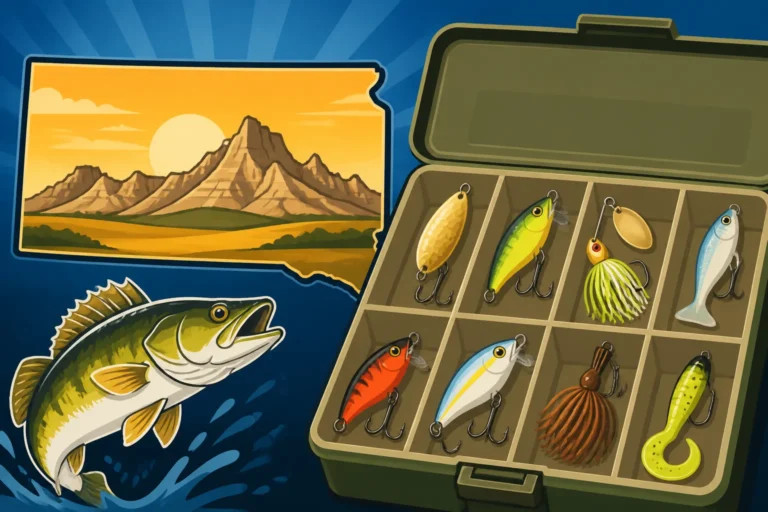
Regardless of whether you choose a hard-sided box or a soft-sided system, the real organizational magic often happens within utility boxes. These clear, plastic containers typically come with adjustable dividers, allowing you to create custom compartments for specific lures. This is where you can truly tailor your storage to your walleye fishing needs.
Look for utility boxes with robust latches and dividers that fit snugly to prevent small hooks or weights from sliding between compartments. Some boxes even have specialized features like built-in spinnerbait racks or extra-long compartments for those large walleye crankbaits. It’s worth investing in good quality utility boxes, as they'll keep your tackle secure and visible, making your on-the-water experience much smoother. You can find a huge variety of these on platforms like Amazon, allowing you to compare options and build a system that works for you.
Essential Walleye Tackle and How to Store It
Before you start neatly arranging, let's talk about the specific types of gear that commonly fill a walleye angler's box. Knowing what you have and what you need is the first step in effective organization. This isn't just about throwing everything in; it's about making deliberate choices for your South Dakota Walleye Fishing Guide adventures.
Lures: Jigs, Crankbaits, Spinner Rigs, and Soft Plastics
This is often the largest and most varied category, demanding the most attention for organization.
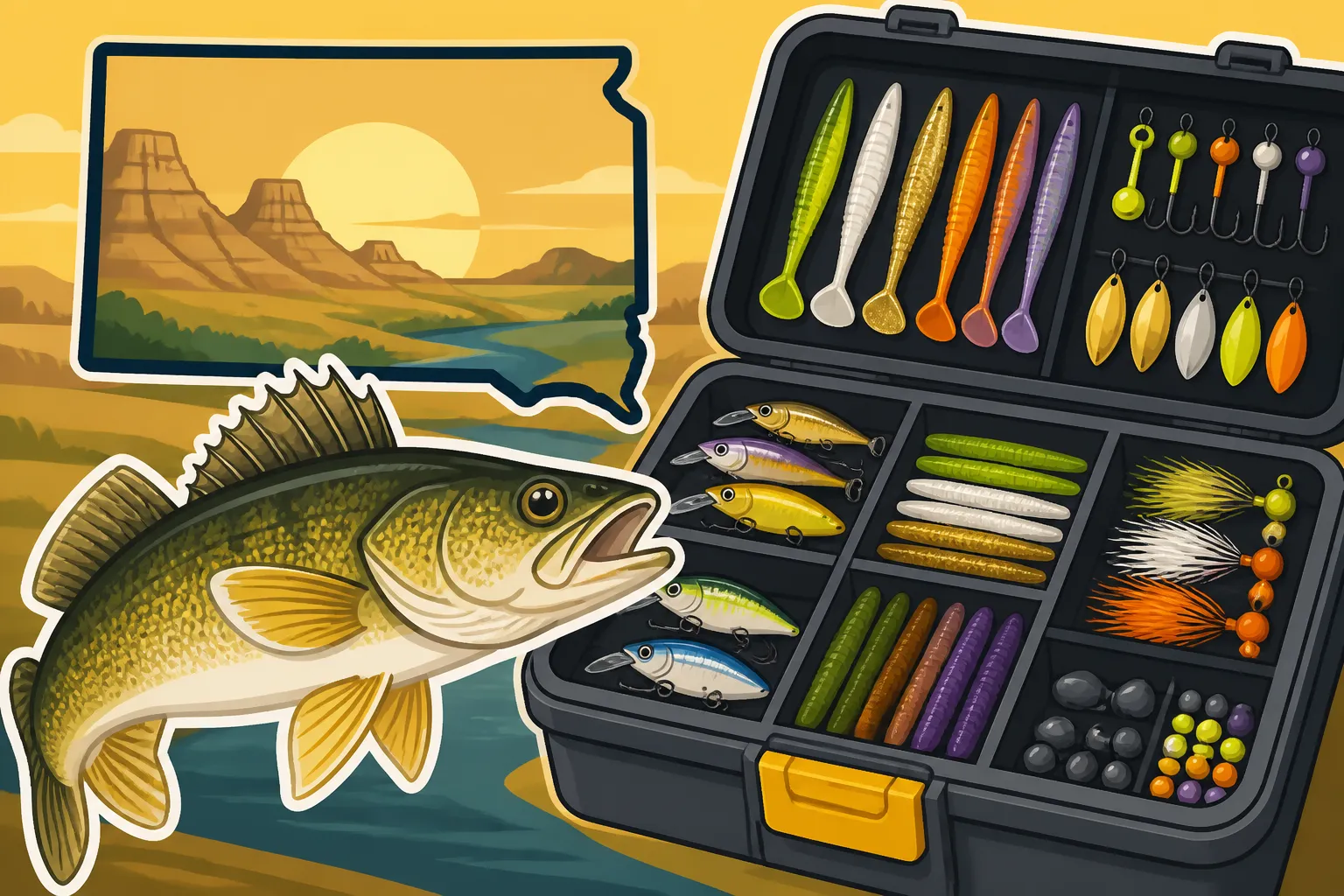
- Jigs: Walleye jigs come in countless shapes, sizes, and colors. The key here is to keep them separated by weight and head style, and ideally, by color within those categories. Dedicate a small compartment for 1/8 oz jigs, another for 1/4 oz, and so on. If you have different jig head styles (stand-up, round, minnow-head), try to keep those separate too. For example, all your chartreuse jigs might go in one row, while glow jigs get another. This makes it super easy to grab the right jig when you're fumbling with cold hands.
- Crankbaits: These can be tricky due to their trebles and diving lips. Store crankbaits individually if possible, or in compartments with minimal other lures. If you're using utility boxes, ensure each crankbait has its own section, or that larger compartments hold only a few, minimizing tangles. Color and dive depth are excellent ways to group them. Keep your shallow divers separate from your deep divers, and your natural patterns away from your bright, aggressive colors. Consider removing the middle treble hook from multi-treble crankbaits if space is tight, as it reduces snagging other lures and makes them easier to handle.
- Spinner Rigs/Harnesses: These are notorious for tangling. The best way to store pre-tied spinner rigs is on specialized rig holders, often made of foam or plastic. These allow you to wrap the leader and keep the hooks secure. Many walleye anglers carry a variety of blade sizes and colors, so having different rig holders for different styles is beneficial. This keeps your leaders straight and untangled, ready for quick deployment.
- Soft Plastics: Grubs, paddle tails, and minnow imitations are crucial for walleye. Keep them in their original resealable bags to prevent them from drying out or reacting with other plastics (which can cause melting or discoloration). Then, store these bags upright in larger utility box compartments or dedicated soft plastic binders. Group them by type, size, and color. For example, all your 3-inch chartreuse grubs together, and your 4-inch white paddle tails in another section.
Terminal Tackle: Hooks, Weights, Swivels, and Leaders
These are the small, but mighty, components that make your lure presentation possible. Organization here is about preventing spills and ensuring you can find that tiny split shot when you need it most.
- Hooks: Just like jigs, separate hooks by type (treble, single, circle) and size. Use small, multi-compartment boxes for this. You might have one section for size 6 treble hooks, another for size 2, and so on. Keep your plain shank hooks separate from your specialty hooks like Aberdeen or bait holder styles.
- Weights: Sinkers can range from tiny split shots to heavy bottom bouncers. Use dedicated compartments for different weight sizes and types. For example, one compartment for split shots, another for small bullet weights, and a larger one for bell or walking sinkers. Bottom bouncers, due to their size, often require their own dedicated section in a larger utility box or even a separate small box altogether.
- Swivels and Snaps: These small items are easily lost. Use very small, individual compartments. Group by size and type (barrel swivels, ball bearing swivels, snap swivels). The easier these are to grab, the faster you can re-rig.
- Leaders: Whether you pre-tie fluorocarbon leaders or use steel leaders for pike-infested waters, keep them neatly coiled and secured with a small elastic band or leader keeper. Storing them flat in a utility box works well, or in specialized leader wallets that fit into a soft-sided system.
Tools and Accessories
Don't forget the tools that make the fishing experience smoother and safer.
- Pliers and Line Cutters: These should always be easily accessible, perhaps in an external pocket of a soft-sided bag or a dedicated slot in a hard box. Consider specialized fishing pliers that can cut braid, crimp sleeves, and remove hooks.
- Scale and Measuring Tape: Crucial for adhering to South Dakota Fish Limits and Size Restrictions and for documenting your catches for bragging rights. Keep them handy but protected.
- Fish Grips: A valuable tool for handling walleye, especially when they're feisty, protecting both you and the fish.
- First-Aid Kit: A small, basic first-aid kit is a must-have, especially with all those hooks around. Store it in a designated, easily identifiable spot.
- Spare Line and Spools: Keep a fresh spool of your preferred main line and leader material in a protected area.
Step-by-Step Guide to Organizing Your Walleye Tackle Box
Ready to transform your tackle chaos into an organized haven? Here's a practical, step-by-step approach to sorting out your walleye fishing gear. This isn't a quick fix, but a deliberate process that will pay dividends on the water.
1. The Full Empty and Clean Out
First things first: empty everything out of your tackle box, whether it's a single traditional box or a collection of utility boxes. Spread it all out on a clean surface – a garage workbench, a large table, or even a tarp on the lawn. This gives you a complete overview of what you actually have. As you empty, shake out any dirt, old bait residue, or errant hooks. Take a moment to wipe down all surfaces with a damp cloth, let them air dry, and perhaps give them a quick spray with a lubricant designed for plastic and metal to prevent rust on hinges if it's a hard box.
During this process, be ruthless. Discard anything broken beyond repair, rusted, or truly unusable. That ancient, tangled bird's nest of fishing line? Toss it. The jig with a broken hook? Gone. This is your chance to declutter and only keep gear that's in good working order and relevant to walleye fishing. You'd be surprised how much junk accumulates over a season.
2. Categorize and Group Your Tackle
With everything laid out, start grouping similar items together. This is where you'll create your initial organizational structure.
| Category | Examples | Storage Considerations |
|---|---|---|
| Jigs | Lead head jigs, hair jigs, bucktail jigs | By weight, head style, then color in small compartments |
| Crankbaits | Shad Raps, Flicker Shads, Husky Jerks, Deep Divers, Shallow Divers | By dive depth, color; ideally individual or few per compartment |
| Spinner Rigs/Harnesses | Single hook, tandem hook, different blade colors/sizes | Foam or plastic rig holders to prevent tangling |
| Soft Plastics | Paddle tails, grubs, minnow imitations, worms | In original bags, upright in larger compartments or binders |
| Hooks | Treble, single, Aberdeen, bait holder, circle hooks | By type, then size in very small, individual compartments |
| Weights/Sinkers | Split shot, bullet, bell, walking, bottom bouncers | By type, then weight in separate compartments |
| Swivels/Snaps | Barrel, ball bearing, snap swivels | By type, then size in tiny, individual compartments |
| Leaders | Fluorocarbon, steel, wire leaders | Coiled on holders, secured, stored flat |
| Tools | Pliers, line cutters, scale, measuring tape, hook removers | Easily accessible pockets or top tray sections |
| Miscellaneous | Bobbers, spare line, first-aid, headlamp | Dedicated spots, possibly larger, flexible compartments |
This categorization makes it much easier to decide which utility box or tackle tray each item belongs in. For instance, all your vertical jigs for ice fishing might go into one box, while your trolling crankbaits get another.
3. Utilize Dividers and Specialized Storage
Now it's time to put your tackle back into the boxes, using the available dividers to create custom spaces.
- For Utility Boxes: Start with your most numerous items. For jigs, create rows dedicated to specific weights or colors. For crankbaits, try to give each one its own compartment, or at least group them with similar sizes and colors to minimize hook tangles. If your boxes don't have enough dividers, you can often buy additional ones or even cut small pieces of foam to create extra partitions.
- For Spinner Rigs: Invest in foam or plastic rig holders. They're a game-changer for keeping these tangly items in check.
- For Soft Plastics: If you don't have a dedicated binder, you can stand the original bags upright in larger utility box compartments. This keeps them visible and accessible.
- For Small Terminal Tackle: Use the smallest, most secure compartments in your utility boxes. Some anglers even use tiny craft storage containers for their hooks and swivels before placing those small containers into a larger utility box for extra security.
The goal here is to make every item easy to see and retrieve without disturbing other tackle. Think about the flow of your fishing – what do you grab first, second, third? Organize accordingly.
4. Label Everything for Quick Identification
This step is a lifesaver, especially if you have multiple utility boxes. Use a permanent marker and masking tape, or a label maker, to clearly label the outside of each utility box with its contents.
Labels might include:
- "Walleye Jigs (1/8-1/4 oz)"
- "Deep Diving Cranks"
- "Spinner Rigs – Erie Blades"
- "Walleye Terminal Tackle"
- "Soft Plastics – Grubs"
If you're using a soft-sided system, you can also label the top flaps or pockets of the bag itself. This way, when you reach into your boat's storage compartment, you can instantly grab the exact box you need without guessing. It's especially useful when you're preparing for a trip and want to grab specific boxes for South Dakota Fishing Season Dates and Limits or a particular body of water like Lake Oahe.
5. Seasonal and Situational Adjustments
Your walleye tackle box shouldn't be a static entity. It should evolve with the seasons and the specific fishing situations you encounter in South Dakota.
- Spring Fishing: You might load up on shallow-diving crankbaits and lighter jigs for spawning fish in shallower waters.
- Summer Fishing: More deep-diving crankbaits, bottom bouncers, and heavier jigs for walleye that have moved to deeper structure.
- Fall Fishing: Larger profile crankbaits and spoons for aggressively feeding fish. South Dakota Fall Walleye Fishing Techniques often involve different presentations.
- Ice Fishing: Your entire tackle box might transform into one focused on small jigs, spoons, and live bait rigs specifically for South Dakota Ice Fishing Guide.
Regularly review your tackle box before each major outing. Remove tackle you won't need and add items that will be effective for the conditions. This keeps your primary box from becoming overloaded with irrelevant gear and ensures you're always prepared for the task at hand.
Tips for Maintaining an Organized Walleye Tackle Box
Organization isn't a one-time event; it's an ongoing process. Just like your boat needs regular maintenance, your tackle box benefits from continuous care.
Implement a "One In, One Out" Rule
Every time you buy a new lure or a packet of hooks, ask yourself where it will go. Try to stick to a "one in, one out" mentality, or at least ensure you have a designated spot for new additions. If a new lure means displacing another, consider whether the old one truly earns its spot or if it's time for it to be retired or moved to a less frequently accessed "overflow" box. This prevents your tackle box from slowly descending back into chaos.
Clean and Reset After Each Trip
It sounds like a chore, but taking just 10-15 minutes after every fishing trip to tidy up your tackle box can save you hours in the long run.
- Dry Wet Lures: Don't put wet lures straight back into sealed compartments. Let them air dry to prevent rust.
- Untangle and Reposition: If hooks have shifted or lines have tangled, fix them immediately.
- Replenish Supplies: Note what you ran out of – perhaps you used a lot of those size 4 trebles or went through all your chartreuse grubs. Make a quick note to restock before your next adventure. This also prevents that awful feeling of grabbing the last lure of its kind during a hot bite.
- Check for Damage: Give your lures a quick once-over for bent hooks, cracked lips, or frayed skirts. Address minor issues or replace as needed.
This routine prevents small messes from snowballing into a full-blown catastrophe and ensures your gear is ready for the next time you hit the water, whether it's for Trolling for Walleye on Lake Oahe or casting for smallmouth bass.
Utilize Your Boat or Vehicle Storage Effectively
If you fish from a boat, don't feel like everything has to fit in one portable tackle box. Larger items like extra spools of line, bulk soft plastics, or specific tools can have a home in dedicated compartments on your boat. Keep only your essential, actively used walleye tackle in your primary, portable box. This reduces clutter and makes it easier to grab what you need. The same goes for vehicle storage – a dedicated fishing bin in the truck bed can hold overflow or seasonal gear that isn't needed for every single outing. Think about separating your active fishing tackle from your "backup" or "seasonal" tackle.
Conclusion
Organizing your walleye tackle box isn't just about neatness; it's a strategic move that enhances your efficiency, protects your investment in gear, and ultimately, helps you catch more fish. By choosing the right storage system, meticulously categorizing your lures and terminal tackle, and committing to ongoing maintenance, you'll spend less time fumbling and more time fighting those incredible South Dakota walleye. A well-organized tackle box is a hallmark of a prepared and successful angler, giving you a quiet confidence knowing that when that bite comes, you're ready to answer the call.
Disclaimer
This article is for general informational purposes only and does not constitute professional advice. Laws, prices and regulations vary by location and change over time. Consult a qualified professional for guidance on your specific situation.