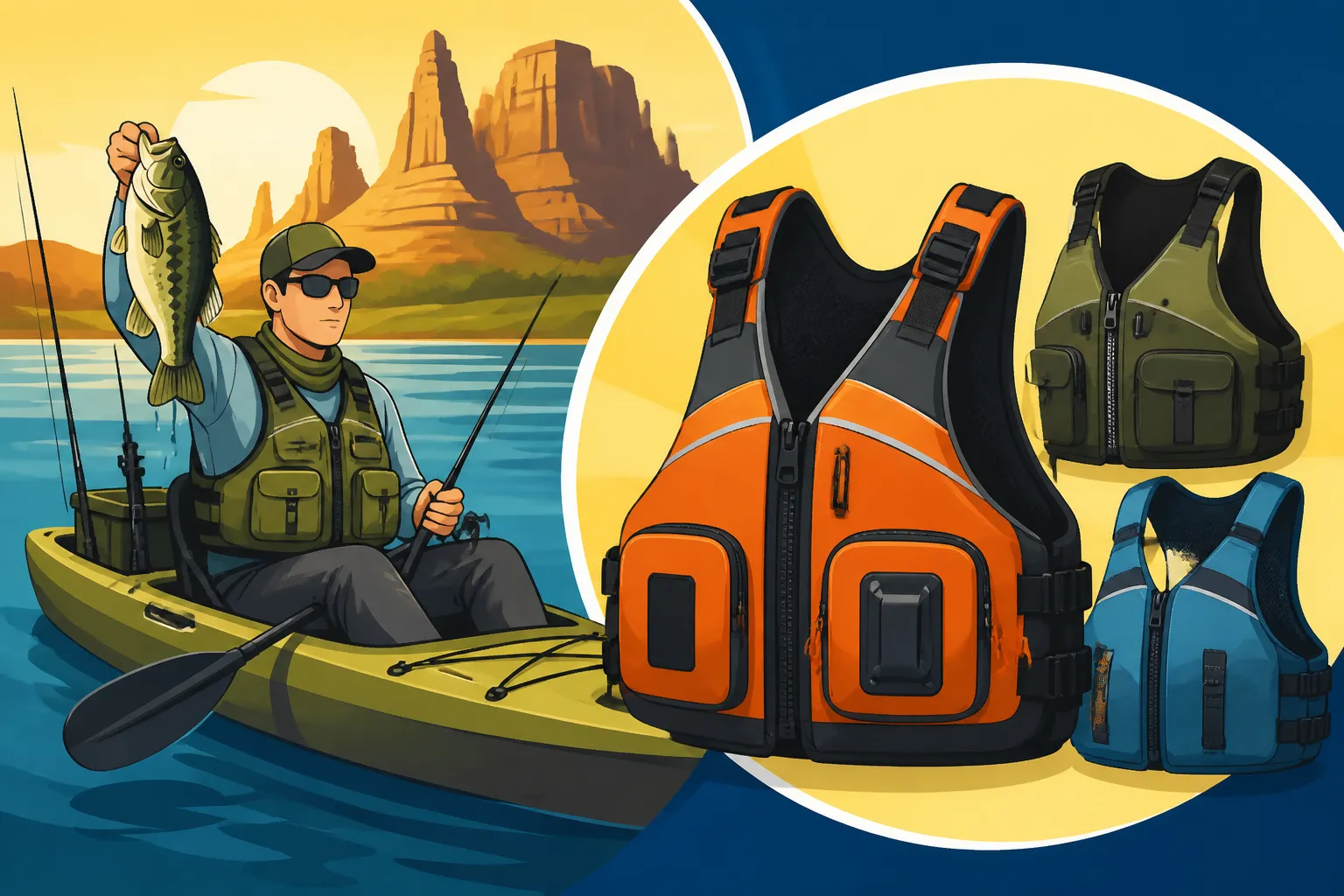
Best PFD for Kayak Fishing
For kayak anglers across South Dakota, one of the biggest challenges isn't just hooking a trophy walleye on Lake Oahe or navigating the swift currents of the Missouri River. It's finding a life vest – or more accurately, a Personal Flotation Device (PFD) – that doesn't feel like a straitjacket when you're trying to cast, paddle, or simply enjoy a day on the water. Too often, anglers grab any old PFD, only to find it chafes their neck, restricts arm movement, or lacks the crucial storage needed for a productive day. This guide is here to help you cut through the confusion and pinpoint the best PFD for your South Dakota kayak fishing adventures, ensuring both comfort and safety.
Why Your Kayak Fishing PFD Isn't Just "Any" Life Vest
You might think a PFD is a PFD, right? Just something that keeps your head above water. And while that's its ultimate function, for kayak fishing, it's so much more. It's an integral piece of gear that can either enhance your experience or make you miserable. We're talking about something you'll wear for hours, often actively paddling and casting, which demands a very specific design.
The Comfort Factor: Paddling vs. Boating PFDs
Let's be real: a traditional, bulky "boating" PFD, the kind you might find stashed under a seat on a pontoon, is absolutely horrendous for kayak fishing. Imagine trying to paddle a dozen strokes, let alone hundreds, with a thick collar rubbing your chin and armpits, or a chest panel that bunches up every time you reach forward. It's a recipe for discomfort, chafing, and frankly, distraction from the fish. That's why dedicated kayak fishing PFDs are designed with a completely different philosophy.
These specialized vests feature a much higher back, often with thin padding or mesh, to avoid interference with the high-back seats common in fishing kayaks. This design prevents the PFD from riding up around your ears when you lean back. Furthermore, the armholes are cut significantly larger and sculpted to allow for a full range of motion, whether you're performing a powerful forward stroke or executing a delicate roll cast. The materials are often lighter and more flexible, prioritizing breathability to keep you cool during those long summer days on the water. When you try one on, you'll immediately notice how much more natural and unrestricted your movements feel compared to a standard life vest.
Safety First: Understanding PFD Types and USCG Approval
While comfort is paramount for enjoyment, safety is non-negotiable. Every PFD sold in the United States should be approved by the U.S. Coast Guard (USCG). This isn't just a label; it means the device has met rigorous testing standards for flotation, materials, and overall performance. When you're browsing options, look for that USCG approval stamp prominently displayed. Without it, you're essentially trusting your life to an untested product, and that's a risk no angler should ever take, especially on expansive waters like Lake Sharpe Fishing Guide.
For kayak fishing, you'll almost always be looking at a Type III PFD, also known as a "flotation aid." These vests are designed for constant wear, offering a minimum of 15.5 pounds of buoyancy. They're comfortable, allow for a full range of motion, and are ideal for situations where a rescue is likely to be swift. While they don't typically turn an unconscious person face-up, they provide sufficient flotation to keep you afloat while you self-rescue or await assistance. There are other types, like Type V, which might be specialized work vests, but for general recreational kayak fishing, Type III is your go-to. Always double-check that your chosen PFD explicitly states it is USCG approved for recreational use.
Key Features to Look for in a Kayak Fishing PFD
When you start digging into the world of kayak fishing PFDs, you'll quickly discover they are packed with thoughtful features designed specifically for anglers. These aren't just vests; they're wearable tackle boxes and tool belts that keep essential gear at your fingertips, reducing the need to constantly rummage through your boat.
Pocket Power and Storage Solutions
A good kayak fishing PFD is practically a small mobile command center. You'll want multiple pockets, and not just any pockets. Think about the small items you need constant access to: pliers for hook removal, line clippers, a measuring tape, perhaps a small tackle box with frequently used lures. Pockets on a kayak PFD are often strategically placed on the chest, high up to avoid interference with paddling and to remain accessible even when sitting low in a kayak seat.
Look for pockets with secure closures—zippers are usually preferred over Velcro for reliability. Drain holes are also a huge plus, preventing your pockets from filling with water if you take a splash or go for an unexpected swim. Beyond pockets, look for integrated D-rings, lash tabs, and loops. These are perfect for attaching things like a whistle, a retractable lanyard for your pliers, or even a small knife. Some PFDs even come with specific tool attachment points, like a sheath for your fishing knife or a magnetic holder for nippers. Having your South Dakota Fishing Gear Checklist items immediately accessible, rather than fumbling around in your kayak, makes a huge difference in efficiency and enjoyment on the water.
Fit, Adjustability, and Mobility
We touched on the high-back design earlier, but it bears repeating: it's critical. Many fishing kayaks have raised seats, and a traditional PFD will bunch up uncomfortably, pushing your vest up into your armpits or neck. A high-back PFD is designed to sit above the seat back, ensuring continuous comfort. But beyond that, adjustability is key.
A well-fitting PFD should feel snug, not tight, allowing for full movement without riding up. Look for multiple adjustment points: shoulder straps, side straps, and a waist cinch. These allow you to customize the fit to your body shape and to accommodate different layers of clothing, whether you're wearing just a t-shirt in July or bundled up for South Dakota Spring Walleye Fishing Techniques. Once all straps are tightened, you should be able to lift your arms above your head without the PFD sliding up past your ears. Try it on, simulate casting and paddling motions – if it restricts you at all, it's not the right fit. This is especially important for activities like trying to reach for your Best Lures for South Dakota Walleye in your tackle box while staying balanced.
Material, Durability, and Ventilation
The materials used in your PFD directly impact its comfort, durability, and how well it breathes. Nylon is a common choice, known for its robustness and resistance to tears and abrasions. Some higher-end PFDs might incorporate neoprene for a softer feel, though it can be less breathable. For South Dakota's often hot summers, ventilation is a critical factor.
Many kayak fishing PFDs feature mesh panels, particularly on the back and sides, to promote airflow and prevent you from overheating. Open-sided designs can also contribute to better ventilation. Beyond the main fabric, pay attention to the quality of the zippers – YKK zippers are generally considered top-tier – and the stitching. Reinforced stitching at stress points will ensure your PFD holds up to years of paddling, casting, and fish wrangling. You want a vest that can handle the elements, from the bright sun on Lake Francis Case Fishing Guide to the spray from a choppy day.
Specific PFD Considerations for South Dakota Waters
South Dakota's diverse fishing environments, from the glacial lakes to the Black Hills streams and the vast Missouri River reservoirs, present unique challenges. Your PFD choice can be subtly influenced by the specific conditions you're likely to encounter.
Cold Water Protection and Layering
Even on a warm day, South Dakota's waters can be surprisingly cold, especially in spring and fall. Falling into cold water can quickly lead to hypothermia, making your PFD even more critical. While a PFD doesn't provide significant thermal insulation on its own, its buoyancy helps you stay on top of the water, keeping more of your body out of the frigid depths. When choosing your PFD, consider how it will fit over your cold-weather layers. You don't want a vest that's already snug with just a t-shirt, as it won't accommodate a fleece jacket or a rain shell underneath.
Some PFDs are designed with slightly more generous sizing or greater adjustability to account for layering. It's a good idea to try on a PFD while wearing the heaviest clothing you'd typically fish in during cooler seasons. This ensures that you maintain full mobility and comfort, even when bundled up for early morning starts or late evening bites. Think about fishing for South Dakota Trout Limits in the Black Hills in spring – that water is often snowmelt cold, and a proper PFD could be a lifesaver.
Visibility and Emergency Features
On busy waters, or during low-light conditions like dawn or dusk, being visible to other boaters is crucial for safety. Many kayak fishing PFDs come in bright, high-visibility colors like orange, yellow, or lime green. While a subdued color might look "cooler," a bright PFD could literally save your life by making you stand out against the water. Reflective tape is another excellent feature, especially if you ever find yourself out before sunrise or after sunset.
Beyond visibility, consider integrated emergency features. A small, loud whistle attached to your PFD is a standard safety item, allowing you to signal for help if needed. Some PFDs also include pockets specifically sized for a marine radio or even a personal locator beacon (PLB), which can be invaluable in more remote areas or if you're fishing solo on expansive bodies of water like Lake Oahe Fishing Guide. Always prioritize having a way to call for help if things go south, especially if you're far from shore.
Where to Find Your Perfect Kayak Fishing PFD
Finding the right PFD often comes down to trying a few different models on. While it's convenient to browse options online, nothing beats the in-person experience. Many large outdoor retailers, like Bass Pro Shops, will have a dedicated section for PFDs, including specialized kayak fishing vests. This gives you the chance to feel the materials, test the adjustments, and simulate your fishing movements. Don't be shy about asking to sit in a kayak or a chair that mimics a kayak seat to see how the PFD performs with a high back.
Of course, online retailers like Amazon offer an incredible selection and competitive pricing, often with detailed customer reviews that can highlight pros and cons from real-world users. If you do buy online, make sure the retailer has a good return policy so you can exchange it if the fit isn't quite right. Remember, this is a piece of safety equipment, so don't compromise on fit or comfort just to save a few dollars. Investing in a good PFD is investing in your safety and enjoyment on the water. For further guidance on what you might need, check out South Dakota Kayak Fishing Gear Guide.
PFD Maintenance and Longevity
Your PFD is an investment in your safety and comfort, and like any piece of essential fishing gear, it needs proper care to ensure its longevity and continued effectiveness. Neglecting your PFD can lead to premature wear, reduced buoyancy, and ultimately, a compromised safety device.
Cleaning and Storage Tips
After a long day on the water, especially if you've been splashing around in a lake or river, your PFD will likely have picked up some dirt, fish slime, and maybe even a little bait residue. It's crucial to give it a quick rinse with fresh water. This helps remove salt, dirt, and other contaminants that can degrade the fabric and stitching over time. Avoid harsh detergents or bleach, as these can strip away protective coatings and damage the PFD's materials. A mild soap and a soft brush are usually all you need for spot cleaning.
Once cleaned, hang your PFD to air dry completely. Never store a damp PFD, as this can lead to mildew, which not only smells terrible but can also compromise the integrity of the materials. Hang it in a well-ventilated area, out of direct sunlight. Prolonged exposure to UV rays can weaken the fabric and cause colors to fade prematurely. Store it in a cool, dry place, away from extreme temperatures and harsh chemicals. Keeping your PFD in good shape means it's always ready for your next adventure, whether it's a calm day on Lake Poinsett Fishing Guide or a blustery afternoon on the Missouri.
When to Replace Your PFD
Even with the best care, PFDs don't last forever. Over time, exposure to the elements, repeated use, and general wear and tear will take their toll. It's essential to regularly inspect your PFD for signs of degradation. Look for faded or brittle fabric, tears, punctures, or excessive abrasions. Check all straps, buckles, and zippers to ensure they are fully functional and not showing signs of cracking or fraying. The internal flotation material can also degrade, becoming compressed or waterlogged over many years, which reduces its buoyancy.
A good rule of thumb is to squeeze the flotation foam. If it feels stiff, cracked, or like it's lost its resilience, it might be time for a new one. If you notice any significant damage that affects the PFD's integrity, or if it simply feels "dead" and less buoyant than it once was, don't hesitate to replace it. Your life depends on it. A PFD that has seen better days, perhaps after years of rigorous South Dakota Ice Fishing Guide expeditions or intense summer sun, is a risk you simply shouldn't take.
Here's a quick look at essential features for kayak fishing PFDs:
| Feature | Why It Matters for Kayak Fishing |
|---|---|
| High Back Design | Prevents interference with kayak seats, ensures comfort and proper fit. |
| Large Armholes | Allows full range of motion for paddling, casting, and self-rescue. |
| Ample Pockets | Keeps essential tools (pliers, clippers) and tackle accessible. |
| Lash Tabs/D-Rings | Attachment points for knife, whistle, radio, or other accessories. |
| USCG Approval | Non-negotiable safety standard, ensures proper flotation and design. |
| Adjustable Straps | Customizable fit for different body types and layering needs. |
| Breathable Fabric | Mesh panels or lighter materials to prevent overheating in warm weather. |
| High Visibility | Bright colors and reflective tape increase safety on busy waters. |
| Durable Zippers | Reliable closures for pockets, critical for securing small items. |
Disclaimer
This article is for general informational purposes only and does not constitute professional advice. Laws, prices and regulations vary by location and change over time. Consult a qualified professional for guidance on your specific situation.