South Dakota Rainbow Trout Stocking Program
For many folks who love to cast a line in South Dakota, the dream of hooking into a vibrant rainbow trout is a big one. But let's be real, our beautiful state isn't exactly brimming with naturally reproducing trout streams everywhere you look. Maintaining healthy, fishable populations of these feisty fish requires a lot more than just hope and good weather. This comprehensive guide is here to shed light on the unsung heroes of our cold-water fisheries: the South Dakota Rainbow Trout Stocking Program, diving deep into how these incredible fish are introduced to our waters, why it’s absolutely vital, and what it means for your next fishing adventure.
Understanding the Need for Stocking Rainbow Trout in South Dakota
You might wonder why, with all our incredible lakes and rivers, we still need to stock rainbow trout. The truth is, while South Dakota offers fantastic fishing for walleye, pike, and bass, it's not naturally prime real estate for self-sustaining trout populations in every corner. Our climate, water temperatures, and specific habitat types present unique challenges that stocking helps overcome.
Challenges to Natural Reproduction
Let's face it, rainbow trout are a bit particular. They thrive in cold, clear, well-oxygenated water, often with gravel bottoms for spawning. Many of South Dakota's waters, especially outside of the Black Hills, just don't consistently offer these ideal conditions year-round. You've got factors like:
- Habitat Limitations: Many lakes and rivers simply lack the consistent cold-water flows or suitable spawning gravel that wild trout need to reproduce successfully. A beautiful prairie lake might hold excellent panfish, but it won't be a trout nursery.
- Water Temperature Fluctuations: Summers in South Dakota can get pretty toasty, and many bodies of water warm up beyond what rainbow trout can comfortably tolerate for long periods. These warmer temperatures can stress fish and prevent successful spawning.
- Predation and Competition: Even if trout eggs hatch, the fry face significant predation from other fish species, birds, and even insects. In lakes with established warm-water species, the competition for food and space can also be immense.
- Stream Dynamics: In some areas, natural stream flows can vary drastically. Spates of heavy rain can scour stream beds, destroying redds (trout nests), while droughts can reduce water levels to a trickle, stranding young fish.
Because of these hurdles, relying solely on natural reproduction would severely limit trout fishing opportunities across much of the state, confining them to only a few very specific, pristine areas.
Meeting Angler Demand
There's no denying it: people love to fish for trout. Rainbow trout are particularly popular because they're beautiful, put up a good fight on the line, and are excellent table fare. From the seasoned fly-angler meticulously casting tiny dries on a mountain stream to a family with kids hoping for their first catch at a local pond, the demand for trout fishing experiences is incredibly high.
Stocking programs are designed to meet this demand, ensuring that there are enough fish for everyone to enjoy. Without these programs, many folks would have to travel significant distances or simply miss out on the thrill of trout fishing. It creates opportunities for diverse fishing experiences, allowing anglers to target trout in environments where they otherwise wouldn't exist, fostering a love for the sport in new generations. If you're new to trout fishing, picking up a beginner's South Dakota Fly Fishing Guide can really help you get started, and you can often find great deals on basic fly tying kits on Amazon to get into the hobby.
Conservation and Ecological Balance
While stocking might seem like just "putting fish in the water," it's often a much more nuanced part of broader conservation and ecological management. In some cases, stocking helps maintain a healthy prey base for other aquatic predators, while in others, it provides a buffer against overfishing in naturally reproducing areas.
The South Dakota Game, Fish and Parks (GFP) carefully plans stocking events to ensure they don't negatively impact native species. Sometimes, stocking can even re-establish trout populations in historical habitats that have seen declines due to environmental changes. It's a delicate balance, and constant monitoring is required to ensure that the stocked fish thrive without disrupting the existing ecosystem. The aim isn't just to increase fish numbers, but to create a robust and diverse fishery that enriches the overall aquatic environment.
The Mechanics of the South Dakota Rainbow Trout Stocking Program
So, how do these beautiful rainbow trout make their way from tiny eggs to catchable-sized fish swimming in your favorite South Dakota spot? It's a fascinating, intricate process that relies on dedicated staff, specialized facilities, and careful planning.
Hatchery Operations and Rearing
The journey of a stocked rainbow trout typically begins at a state-run fish hatchery. South Dakota operates facilities like the McNenny State Fish Hatchery near Spearfish, which plays a vital role in producing these fish. Here's a glimpse into the meticulous process:
- Egg Collection and Incubation: Trout eggs are carefully collected from broodstock (adult fish kept specifically for reproduction) or obtained from other certified sources. These tiny eggs are then incubated under controlled conditions, mimicking nature but protecting them from predators and environmental fluctuations.
- Fry and Fingerling Rearing: Once hatched, the "fry" (tiny fish) are moved to nursery tanks or raceways. They're fed specially formulated diets and monitored constantly for growth and health. As they grow, they become "fingerlings" – still small, but with the distinct appearance of a young trout. This stage is crucial for ensuring strong, healthy fish ready for release.
- Grow-Out Phase: The fish destined for stocking are then moved to larger ponds or raceways where they continue to grow to a suitable size, often "catchable-size" (typically 8-12 inches) for put-and-take fisheries, or smaller fingerlings for waters where they're expected to grow more naturally. Water quality, temperature, and oxygen levels are meticulously maintained throughout this entire process, ensuring the trout are robust enough to survive in the wild.
This entire operation is a blend of science and dedicated care, ensuring that millions of healthy trout are ready for their new homes each year.
Stocking Methods and Logistics
Getting millions of fish from a hatchery to various lakes and streams across a large state like South Dakota is no small feat. The GFP employs several methods, each tailored to the specific water body and type of trout being stocked.
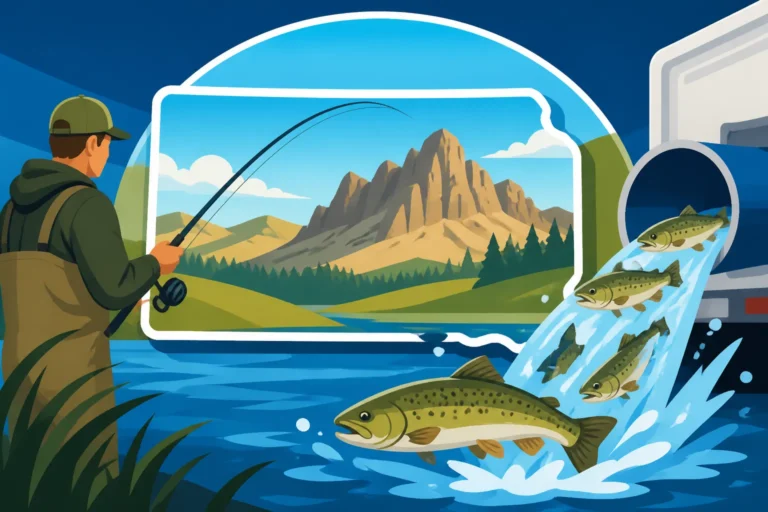
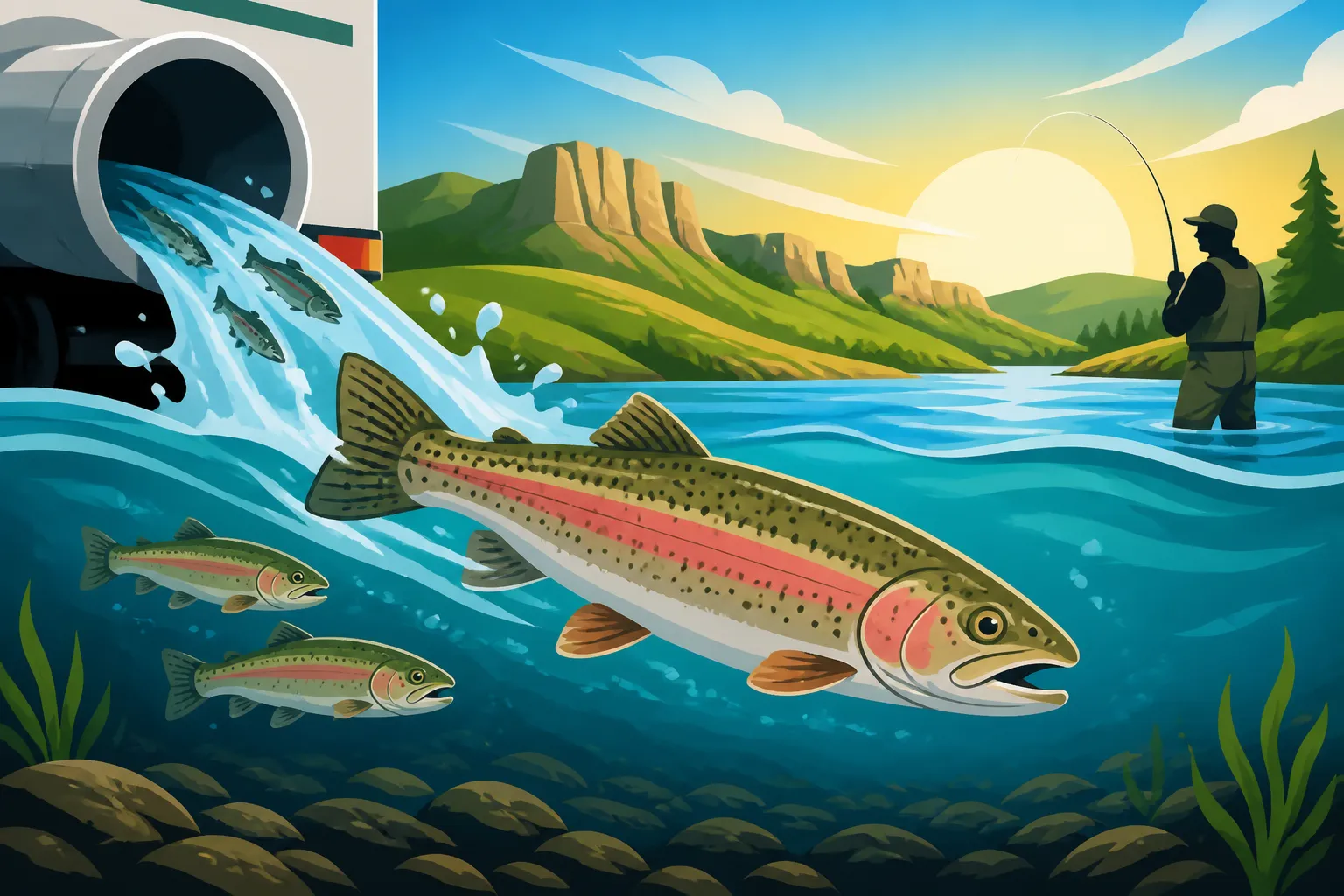
- Specialized Transport Trucks: For larger lakes and accessible rivers, custom-built tanker trucks are used. These trucks are equipped with aerated tanks that maintain optimal water temperature and oxygen levels, minimizing stress on the fish during transit. Upon arrival, the trout are carefully released into the water using large hoses, ensuring a gentle transition.
- Backpack Stocking: In the rugged terrain of the Black Hills, where road access is limited and streams are often narrow and winding, stocking often involves a more hands-on approach. Fisheries biologists and volunteers might don specialized backpacks filled with water and fish, hiking miles into remote areas to release trout individually or in small groups. This method ensures even distribution in sensitive habitats.
- Aerial Stocking: In some remote or very large lakes, aerial stocking using planes or helicopters might be employed. Fish are loaded into special compartments and released from a low altitude, dispersing them widely and efficiently. This is less common for rainbow trout but demonstrates the range of methods used.
The goal of every stocking method is to release the fish in a way that maximizes their survival, disperses them effectively, and minimizes environmental impact. Careful record-keeping ensures that the right number of fish goes into the right place at the right time.
Timing and Frequency of Stocking
The South Dakota GFP doesn't just randomly dump fish into water; there's a strategic schedule that dictates when and how often waters are stocked. This timing is critical for both the survival of the fish and the success of the angling season.
- Spring Stocking: This is a major period, especially for "catchable-sized" rainbow trout destined for urban ponds and popular lakes. The cooler spring water temperatures help the fish acclimate, and it ensures plenty of trout are available for the opening of fishing season and for family-friendly events.
- Fall Stocking: Often, smaller fingerlings are stocked in the fall. This gives them several months to grow in the cooler water before the ice-fishing season or the following spring. Fall stocking can also involve trout released into waters that are expected to sustain them through the winter for spring growth.
- Periodic Stocking: Some waters receive regular, smaller stockings throughout the spring and summer, particularly "put-and-take" fisheries in community parks. This maintains a continuous supply of fish, providing consistent angling opportunities.
- Seasonal Considerations: Factors like ice thickness for winter stocking access or specific water flow rates in streams also play a role. For instance, Black Hills streams might receive more consistent stockings throughout the warmer months to supplement populations as they're actively fished. Always check the South Dakota GFP Fishing Handbook Guide or local stocking reports for the most up-to-date information on your favorite spots.
Key Waters Benefiting from Rainbow Trout Stocking
South Dakota's rainbow trout stocking program isn't a one-size-fits-all approach. It's carefully tailored to different regions and water bodies, each with its unique characteristics and angling opportunities.
Black Hills Trout Streams
When most people think of trout fishing in South Dakota, their minds immediately go to the picturesque Black Hills. And for good reason! This region is home to some of the most beautiful and productive trout streams in the state, like Rapid Creek, Spearfish Creek, and Box Elder Creek. While these streams do have wild trout populations, stocking plays a crucial role in supplementing these numbers, especially in heavily fished areas or sections where natural reproduction might be limited.
These stocked trout ensure that anglers, whether they're seasoned fly fishers or spin casters, have a good chance of success. The Black Hills streams are often managed with specific regulations, such as those found in South Dakota Trout Limits in the Black Hills or Black Hills Stream Trout Regulations, to balance wild populations with stocked fish, creating a truly world-class trout fishery. Finding the right gear for stream fishing can make a huge difference, and you can browse a wide selection of wading boots and breathable waders on Amazon.
Northeast Lakes and Reservoirs
Beyond the Black Hills, the stocking program extends rainbow trout opportunities to the lakes and reservoirs of eastern South Dakota. Waters like Lake Alan, Blue Dog Lake, or Richmond Lake, while not traditional trout habitats, can be managed as "two-story" fisheries, meaning they can support both cold-water fish (like trout) in their deeper, cooler layers and warm-water fish in their shallower sections.
These stockings provide a unique cold-water angling experience in areas dominated by walleye and panfish. Anglers might find themselves trolling for rainbows in the middle of a lake where they'd usually be jigging for perch. These fisheries are often reliant on consistent stocking to maintain populations, offering a different kind of challenge and a chance to catch a species not native to the region.
Urban and Community Fishing Ponds
Perhaps one of the most visible and impactful aspects of the rainbow trout stocking program is its focus on urban and community fishing ponds. These are typically smaller, easily accessible ponds located within city limits or public parks, like the Family Park Pond in Sioux Falls or Canyon Lake in Rapid City.
These "put-and-take" fisheries are specifically designed to provide immediate angling success, especially for beginners and families with children. Trout are stocked at catchable sizes, meaning you can often reel one in shortly after they've been introduced. This creates incredibly valuable recreational opportunities, introducing new anglers to the joy of fishing without the need for extensive gear or travel. You can find excellent, affordable starter fishing kits for kids on Amazon, perfect for these stocked ponds. These programs truly embody the spirit of making fishing accessible to everyone, right in their local communities. For a more comprehensive look at where to find these opportunities, consult a South Dakota Trout Fishing Guide.
| Water Body Type | Example Locations | Primary Stocking Goal | Common Angling Style Encouraged |
|---|---|---|---|
| Black Hills Streams | Rapid Creek, Spearfish Creek, Box Elder | Supplement wild populations, enhance catch rates | Fly fishing, light tackle |
| Northeast Lakes | Lake Alan, Blue Dog Lake, Richmond Lake | Create new cold-water fisheries, diversify angling | Trolling, shore fishing |
| Urban Fishing Ponds | Family Park Pond (Sioux Falls), Canyon Lake (Rapid City) | "Put-and-take" for accessible, immediate success | Bait fishing, bobbers |
| Larger Reservoirs | Pactola Reservoir, Sheridan Lake | Provide cold-water sport fishing, supplement populations | Trolling, jigging, shore |
The Impact of Stocking on Anglers and the Ecosystem
The South Dakota Rainbow Trout Stocking Program reaches far beyond just putting fish into water. It has ripple effects that enhance recreational opportunities, influence ecological dynamics, and provide significant economic benefits across the state.
Enhanced Fishing Opportunities
The most obvious and direct impact of the stocking program is the sheer increase in fishing opportunities. Imagine trying to find a decent trout stream outside the Black Hills without stocking – it would be nearly impossible! The program:
- Expands Access: It brings trout fishing to diverse geographic areas, allowing more South Dakotans and visitors to enjoy the sport close to home. This is particularly true for the urban ponds, which act as vital entry points for new anglers.
- Increases Catch Rates: By supplementing natural populations and creating put-and-take fisheries, stocking significantly boosts the chances of anglers catching fish. This immediate gratification is especially important for young anglers and can foster a lifelong passion for fishing.
- Diversifies Experiences: Anglers can choose from various trout fishing experiences, from the wilder feel of a Black Hills stream (see Black Hills Trout Stream Fishing Guide) to the relaxed atmosphere of a community pond or the challenge of trolling a large lake like Pactola Reservoir Fishing Guide or Sheridan Lake Rainbow Trout Fishing Tips. This diversity caters to all skill levels and preferences.
Ultimately, stocking ensures that the pursuit of rainbow trout remains a vibrant and accessible pastime for countless individuals in South Dakota.
Ecological Considerations and Management
While incredibly beneficial, stocking is not without its ecological considerations. The South Dakota GFP meticulously manages the program to ensure that the introduction of non-native species like rainbow trout into certain waters doesn't negatively impact native fish or the broader ecosystem.
- Disease Prevention: Hatcheries implement strict biosecurity measures to prevent the spread of diseases to wild fish populations. Fish are regularly tested, and careful protocols are followed before any release.
- Genetic Integrity: In areas with native trout species (like brook trout in some Black Hills streams), stocking is carefully managed to avoid interbreeding or competition that could dilute the genetic integrity of wild populations. Sometimes, only sterile trout are stocked to prevent any reproductive mixing.
- Predator-Prey Balance: Biologists study the existing fish communities to ensure that stocked trout don't unduly disrupt the predator-prey balance. In some cases, stocked trout might even provide a valuable food source for larger predatory fish or birds.
- Monitoring and Research: The GFP continually monitors stocked waters, assessing fish health, growth rates, and angler catch data. This ongoing research helps refine stocking strategies, ensuring they are sustainable and effective in the long term.
It's a testament to the state's commitment to responsible fisheries management that these ecological factors are always at the forefront of the stocking program.
Economic and Recreational Benefits
The impact of the rainbow trout stocking program extends to the local economies and the overall recreational landscape of South Dakota.
- Tourism and Local Businesses: Trout fishing draws anglers from within and outside the state. These visitors spend money on accommodations, food, gas, bait, tackle, and guide services. Think of the bustling small towns in the Black Hills or the increased activity around stocked lakes – much of this is driven by fishing tourism.
- Job Creation: The stocking program supports jobs within the GFP, at private bait and tackle shops, and for fishing guides. This contributes to a healthy outdoor recreation industry.
- Community Engagement: Urban fishing ponds, made possible by stocking, become focal points for community activity. They offer safe, accessible outdoor spaces for families, promoting physical activity and a connection to nature.
- License Sales: The purchase of South Dakota Fishing License Guide directly funds these stocking programs and other conservation efforts, creating a self-sustaining cycle where angler participation directly supports the health of our fisheries.
In essence, the stocking program is a vital thread in the fabric of South Dakota's outdoor heritage, supporting both the environment and the economy. If you're planning a trip to one of our beautiful fishing destinations, remember that you can easily find anything from specialized tackle to waterproof maps on Amazon to enhance your adventure.
How Anglers Can Support Sustainable Trout Fishing
As anglers, we have a crucial role to play in ensuring the long-term success and sustainability of South Dakota's rainbow trout stocking program and the health of our fisheries. Our actions on and off the water directly contribute to these efforts.
Understanding and Adhering to Regulations
The regulations set by the South Dakota Game, Fish and Parks are not arbitrary; they are carefully crafted based on scientific data to protect fish populations and ensure fair chase. For trout, these rules are especially important because of their specific habitat requirements and the effort involved in maintaining their numbers.
- Know Your Limits: Always be aware of daily and possession limits for rainbow trout in the specific water body you're fishing. For example, some areas might have different rules than others, such as special regulations for certain Black Hills streams. You can find detailed information on these in South Dakota Fish Limits and Size Restrictions.
- Season Dates: While many lakes are open year-round, some trout waters might have specific season dates or closures to protect spawning fish or newly stocked areas.
- License Requirements: Always carry a valid South Dakota Fishing License Guide and any required stamps, like the Habitat Stamp. These purchases directly fund the stocking programs and conservation efforts we're discussing. Fishing without the proper license isn't just illegal; it undercuts the very programs that make our fishing possible.
- Bait and Lure Restrictions: Some sensitive trout streams, particularly in the Black Hills, might have "artificial lures only" or "fly fishing only" restrictions to minimize harm to fish or prevent the introduction of invasive species. Always check specific regulations for your intended fishing spot.
By adhering to these rules, you're not just avoiding a fine; you're actively participating in the management and conservation of South Dakota's precious trout resources.
Practicing Responsible Catch-and-Release
For many stocked waters, particularly those intended to provide sustained fishing pressure rather than simply "put-and-take," practicing responsible catch-and-release is incredibly important. Even in put-and-take fisheries, some anglers choose to release fish. Knowing how to properly handle a fish you intend to release can make all the difference in its survival.
- Minimize Handling: Try to keep the fish in the water as much as possible. If you must handle it, do so with wet hands to protect its protective slime coat.
- Quick Release: Remove the hook quickly and gently. Barbless hooks can make this process much easier and less traumatic for the fish. Many anglers consider a good pair of fishing forceps or pliers an essential item in their tackle box, which you can easily find on Amazon.
- Revive the Fish: If the fish seems sluggish, hold it gently in the water, facing upstream into a mild current (if available), until it regains its strength and can swim away on its own.
- Consider Conditions: In warmer water, fish are more stressed, and their chances of survival after release decrease. If water temperatures are high, consider keeping your catch or limiting your fishing time.
By practicing these techniques, you help ensure that stocked trout can continue to provide enjoyment for other anglers and contribute to the overall fishery.
Reporting and Stewardship
Beyond personal responsibility, we can all be stewards of South Dakota's aquatic environments.
- Report Violations: If you witness poaching or other illegal fishing activities, report them to the South Dakota Game, Fish and Parks. Protecting our resources often means being the eyes and ears on the water.
- Report Unusual Observations: If you notice a large number of dead fish, unusual fish behavior, or signs of pollution, report it to the GFP. Early detection can prevent widespread problems.
- Volunteer Opportunities: Many local conservation groups and even the GFP itself rely on volunteers for habitat improvement projects, stream cleanups, or even assistance with fish stocking. Getting involved is a fantastic way to give back to the resource you enjoy.
- Clean Up Your Trash: Always pack out everything you pack in, and perhaps even a little more. Leaving no trace ensures that our fishing spots remain beautiful and healthy for everyone. Maintaining clean shorelines and healthy riparian areas directly benefits trout habitat.
By taking an active role in reporting and stewardship, you become an integral part of the conservation efforts that keep South Dakota's rainbow trout fishing alive and well for future generations.
Disclaimer
This article is for general informational purposes only and does not constitute professional advice. Laws, prices and regulations vary by location and change over time. Consult a qualified professional for guidance on your specific situation.