Is Night Fishing Legal on the Missouri River?
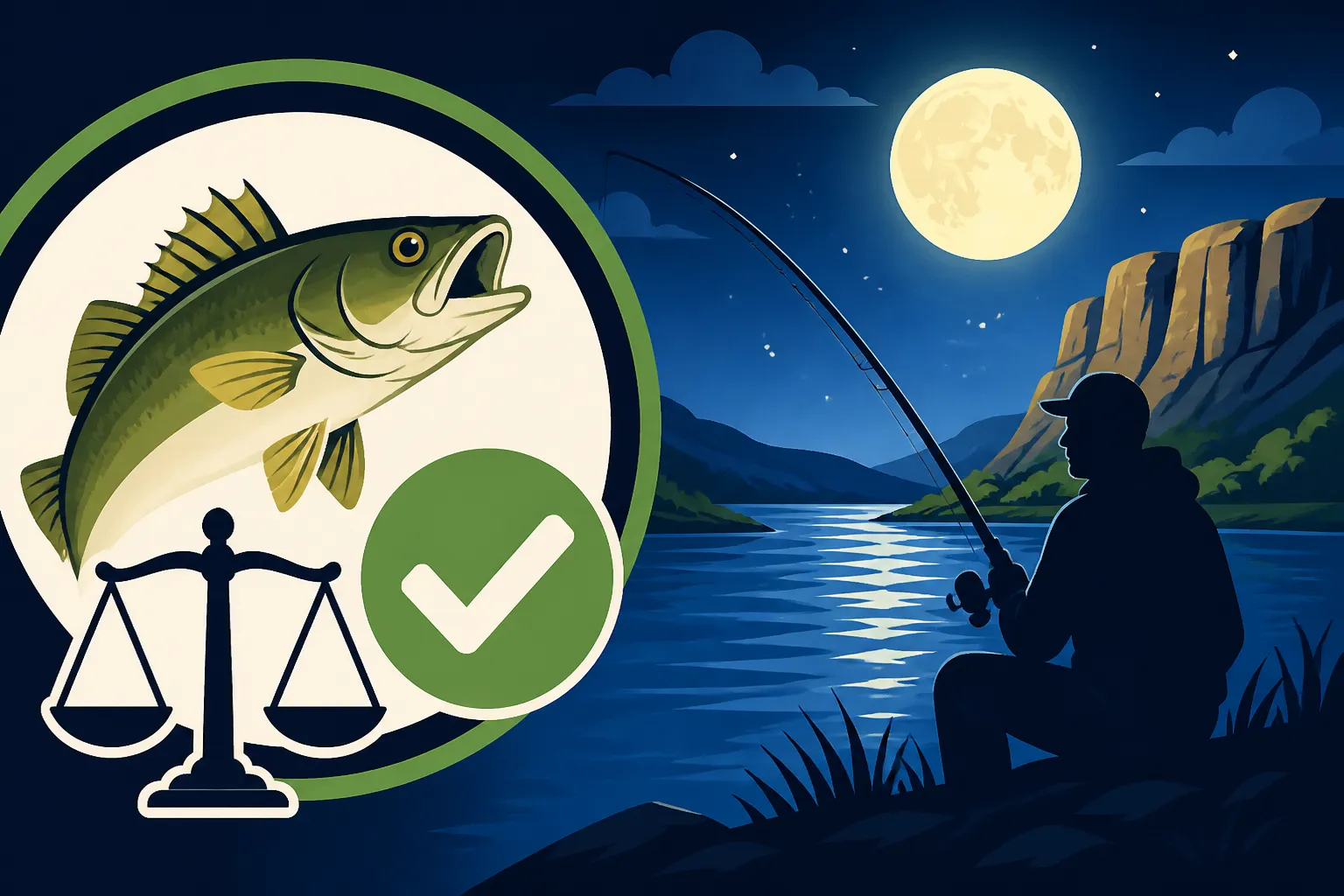
Oh, the allure of fishing under the stars! Many of us have felt that pull, picturing the quiet solitude, the gentle splash of a lure, and maybe, just maybe, a trophy fish biting when the pressure is off. But then that nagging doubt creeps in: is night fishing even allowed on the mighty Missouri River here in South Dakota? It's a common question, and honestly, the rules can sometimes feel like trying to untangle a particularly stubborn fishing knot. This guide is here to clear up the confusion, lay out the legalities, and give you the confidence to enjoy those peaceful, productive hours after sunset, all while staying on the right side of the regulations.
Understanding South Dakota's Night Fishing Regulations
When you're thinking about dropping a line after dark, the first thing that often comes to mind is whether you're breaking any rules. It’s a completely valid concern, as regulations can vary wildly from one body of water to another, and even within different sections of the same river. South Dakota, for the most part, is pretty accommodating to night owls who love to fish, but there are always nuances to consider.
General Rules for South Dakota Waters
Let's start with the broad strokes. In South Dakota, the general stance on night fishing across most public waters is quite straightforward: if it's not explicitly prohibited, it's typically allowed. This means you generally don't need a special permit or a different type of South Dakota Fishing License Guide just because you're fishing past sundown. Most lakes, reservoirs, and rivers are open to anglers 24/7, inviting you to cast your line whenever the mood strikes.
However, this general rule comes with a few important asterisks. Sometimes, specific local ordinances for city parks, state recreation areas, or even private land adjacent to public water might impose their own curfews or restrictions on access after dark. It's always a good idea to check signage at your chosen access point or consult local municipality rules if you're fishing in or around a developed area. The last thing you want is a surprise visit from a park ranger asking you to pack up when you're just getting into the groove of a good bite. Always assume "check local rules" is part of your pre-trip planning.
Specifics for the Missouri River System
Now, let's zero in on the crown jewel of South Dakota fishing: the Missouri River. This vast system, comprising Lakes Oahe, Sharpe, Francis Case, and Lewis and Clark Lake, is indeed largely open to night fishing. Anglers regularly target species like walleye and catfish after dark, especially during the warmer months when these fish become more active under the cover of night. There isn't a blanket ban on night fishing anywhere along the mainstem Missouri River in South Dakota.
That said, while the act of fishing itself is permitted, certain activities and methods might have time-of-day restrictions. For example, if you're thinking about specific harvesting methods or using certain types of gear, you'll want to cross-reference with the South Dakota Fishing Regulations Explained to ensure you're not inadvertently violating a rule. For instance, specific snagging seasons for salmon in particular areas might be restricted to daylight hours. It’s crucial to distinguish between simply fishing and engaging in highly regulated activities, which might have stricter rules. For the average angler with a rod and reel, targeting fish like the beloved walleye or a hard-fighting catfish, night fishing on the Missouri River is generally a go!
Potential Restrictions and Exceptions You Need to Know
While the general answer to "Is night fishing legal on the Missouri River?" is a resounding "Yes!", it's never quite that simple, is it? Just like a perfectly tied knot can still snag on a submerged log, there are always those minor, yet critical, details that can trip you up if you're not paying attention. Knowing these potential exceptions can save you a lot of headache and ensure your nocturnal angling adventure remains enjoyable and legal.
Local Ordinances and Designated Areas
Imagine you've driven hours to get to a prime spot on the Missouri River, only to find a sign prohibiting access after 10 PM. It's a real bummer, and it highlights the importance of understanding local rules. While the state might permit night fishing, individual counties, cities, or even specific recreation areas managed by organizations like the U.S. Army Corps of Engineers or South Dakota State Parks can have their own rules. These often relate to public access points, boat ramps, or designated camping areas, rather than the act of fishing itself.
For instance, a popular boat ramp at a location like West Bend Recreation Area might have gates that close at sunset, effectively preventing you from launching or retrieving your boat until dawn. Similarly, day-use areas within larger parks may prohibit loitering or remaining overnight, even if you’re just quietly fishing from the shore. Always check the posted signs at entry points, boat ramps, or any specific area where you plan to spend your night. A quick search online for the specific recreation area you plan to visit can often clarify these nuances, preventing a frustrating and unnecessary interruption to your peaceful night of fishing.
Species-Specific Night Fishing Rules
Most game fish in South Dakota don't have different regulations based on whether it's day or night. The South Dakota Walleye Limits or the Catfish Limits and Size Rules typically apply around the clock. However, there can be very specific exceptions for certain species or methods, often tied to conservation efforts or managing particular fisheries. It's essential to be aware of these.
One prime example might be special seasons or specific areas where methods like snagging are allowed for species such as Chinook salmon, particularly in certain stretches of Lake Oahe during their spawning runs. These snagging periods are almost universally restricted to daylight hours for ethical and management reasons. Another potential restriction could involve bait types; while live minnows are generally legal bait in South Dakota, there might be specific waters with artificial lure-only rules that apply 24/7. Always consult the current South Dakota Game, Fish and Parks (GFP) fishing handbook or their website before you head out, especially if you're targeting a less common species or employing a non-standard technique.
Essential Gear and Safety Considerations for Night Fishing
Night fishing isn't just about changing your schedule; it's about changing your approach. The serene darkness brings a unique set of challenges and opportunities. Without the sun to guide you, safety and preparedness become paramount. You need the right tools not just to catch fish, but to ensure your experience is safe and enjoyable. Skimping on proper gear when you're out on the water after dark is simply not an option.
Navigational and Safety Equipment for Boats
If you're heading out onto the Missouri River in a boat after sunset, consider this a non-negotiable section. Navigating in the dark, especially on a large body of water like the Missouri River reservoirs, requires a heightened sense of awareness and the correct equipment. First and foremost, proper navigation lights are legally required. This typically means a red and green sidelight at the bow and a white stern light that's visible 360 degrees. Without these, you're not only risking a hefty fine but, more importantly, a dangerous collision.
Beyond lighting, your personal safety gear list should expand. Every person on board must have a readily accessible, Coast Guard-approved life jacket. You can find a wide range of comfortable and practical options on platforms like Amazon, from inflatable PFDs to traditional vests, ensuring everyone is safe. A sound-producing device (like a horn or whistle), visual distress signals (flares are a good idea), and a fully charged cell phone (or marine radio) are also crucial. Remember, the Missouri River, particularly the larger lakes like Oahe and Sharpe, can be vast and disorienting in the dark, and unexpected weather can roll in quickly. Having a reliable GPS unit or a chartplotter on your Best Fish Finders for South Dakota Lakes unit is also incredibly helpful for marking waypoints and navigating safely back to the ramp. For a full rundown, always review the South Dakota Boat Safety Requirements before launching.
Lighting, Lures, and Personal Comfort for Shore Anglers
Even if you’re just casting from the bank, being prepared for the darkness is key. Your number one tool will be a reliable headlamp. It keeps your hands free for tying knots, baiting hooks, and unhooking fish. Consider one with a red light option to preserve your night vision and minimize disturbing other anglers or wildlife. A larger lantern can also be useful for illuminating your immediate fishing area, but be mindful of light pollution, especially if others are around.
When it comes to lures, glow-in-the-dark options or those with built-in lights can be incredibly effective for night fishing, particularly for species like walleye. You can find a huge selection of specialized night fishing lures, including glow jigs, crankbaits, and soft plastics, on Amazon. Scented baits are also fantastic, as fish rely heavily on their sense of smell in low visibility. Finally, don't underestimate personal comfort. Even on warm summer evenings, temperatures can drop significantly after dark. Pack extra layers, bug spray, and perhaps a comfortable portable chair. A thermos of hot coffee or cocoa can make a huge difference in keeping you alert and comfortable through those long, peaceful hours.
Here’s a quick overview of essential night fishing gear:
| Category | Essential Item | Why It's Crucial at Night |
|---|---|---|
| Lighting | Headlamp (with red light option) | Hands-free illumination, preserves night vision |
| Lantern (area light) | Broader illumination for your immediate area | |
| Navigation (Boat) | Navigation Lights (Bow & Stern) | Legal requirement, prevents collisions |
| GPS/Chartplotter | Safe navigation, marking productive spots | |
| Safety | Life Jackets (PFDs) | Required by law, critical for buoyancy |
| Sound-producing device (horn/whistle) | Emergency signaling, alerts other vessels | |
| Visual Distress Signals (flares) | Emergency signaling for distant help | |
| Fully charged phone / Marine Radio | Communication in emergencies | |
| Fishing Specific | Glow-in-the-dark lures/baits | Attracts fish in low light conditions |
| Scented baits | Enhances attraction through smell | |
| Extra tackle & tools (pliers, clippers) | Easy to lose items in the dark; always have backups | |
| Personal Comfort | Extra layers (jacket, hat) | Temperatures drop after sunset |
| Bug spray | Mosquitos and other insects are active at night | |
| Snacks & Drinks | Sustenance for long hours |
Best Practices for Successful and Responsible Night Fishing
So you've checked the rules, gathered your gear, and you're ready to embrace the night. That's fantastic! But beyond just legality and equipment, there's an art to night fishing that can significantly boost your success and, equally important, ensure you're being a responsible and considerate angler. Night fishing offers a different kind of magic, a quiet intimacy with the water that’s hard to find during the bustling daylight hours.
Target Species and Techniques for Night Fishing
The cover of darkness often shifts fish behavior, making certain species more accessible and others harder to locate. On the Missouri River, two species truly shine for night anglers: walleye and catfish. Walleye, known for their light-sensitive eyes, often move into shallower feeding grounds at night, becoming more aggressive and less wary. Trolling with crankbaits that dive to the appropriate depth, often at slower speeds, can be incredibly effective. Consider using a Best Fishing Rods and Reels for Walleye setup that allows for sensitive feedback to detect those subtle night bites. Jigging with glow jigs tipped with minnows or soft plastics can also be deadly, especially around underwater structures or current seams.
Catfish, particularly channel catfish, are voracious nocturnal feeders. They use their keen sense of smell to locate food in the dark, making cut bait, stink bait, or even chicken livers excellent choices. Fishing these baits on the bottom, especially in deeper holes, along channel edges, or in areas with slower current, can lead to some fantastic action. Don't be afraid to experiment with different baits and locations. Remember, the South Dakota Missouri River Fishing Guide offers plenty of general tips that can be adapted for night fishing, focusing on structure and current breaks.
Respecting Other Anglers and the Environment
Night fishing is often chosen for its tranquility, and it's essential to preserve that for everyone. The golden rule here is minimal disturbance. If other anglers are present, especially those already set up in a spot, give them ample space. When approaching or leaving a fishing area by boat, dim your lights as much as possible, or use only your navigation lights, to avoid blinding others. Sound travels far over water at night, so keep voices low and avoid loud noises. It's about being a good neighbor on the water, allowing everyone to enjoy the peace.
Beyond fellow anglers, environmental responsibility is paramount. Pack out everything you pack in – and then some. This includes all your trash, discarded fishing line, and any bait containers. Never leave fish carcasses on the bank; either take them home for cleaning or dispose of them properly well away from public access areas. Minimizing light pollution, avoiding unnecessary loud noise, and leaving no trace are not just good manners; they are critical parts of preserving the natural beauty and the fishing opportunities that South Dakota offers. By following these simple guidelines, you'll ensure that the incredible experience of night fishing on the Missouri River remains a cherished activity for years to come.
Disclaimer
This article is for general informational purposes only and does not constitute professional advice. Laws, prices and regulations vary by location and change over time. Consult a qualified professional for guidance on your specific situation.