Best Fishing Spots on the White River
Feeling a bit lost trying to pinpoint those elusive, prime fishing spots on South Dakota's often-overlooked White River? It's a vast, meandering waterway that can feel like a mystery to even seasoned anglers, and knowing where to drop a line can be the difference between a day of frustration and a truly memorable catch. This guide is crafted to cut through that guesswork, offering you an insider's look at the best stretches and proven techniques for a successful and rewarding fishing adventure on this unique South Dakota gem.
The Character of the White River: A Unique Angling Experience
The White River isn't your typical South Dakota fishing destination, like the massive Missouri River reservoirs or the popular Black Hills trout streams. It offers a distinct, often wild, experience that appeals to those looking to get away from the crowds and explore a truly natural river system. Understanding its personality is the first step to unlocking its fishing potential.
Understanding the River's Flow and Habitat
Originating in Nebraska and flowing eastward across central South Dakota before emptying into Lake Francis Case on the Missouri River, the White River is a beautiful, untamed waterway. Its character changes significantly along its roughly 300-mile journey through the state. In its upper reaches, especially as it winds through areas near Badlands National Park, it can be narrower, shallower, and more reminiscent of a large creek, with a relatively swift current after spring rains. Here, you'll find more sandbars, gravel runs, and tight bends.
As it progresses downstream, the river gradually widens and deepens, particularly in the middle and lower sections. The bottom structure often shifts from sandy to a mix of sand, silt, and occasional clay banks. You'll encounter more snags, fallen trees, and log jams, which create fantastic ambush points for predatory fish. The water clarity can vary dramatically – it lives up to its name, often carrying a milky, sediment-laden appearance, especially after heavy rains. This can make sight fishing nearly impossible, but it also provides a natural advantage for fish by obscuring their presence, making them less skittish. These diverse habitats, from shallow riffles to deep, snag-laden bends, support a surprisingly varied fish population.
Primary Fish Species Found
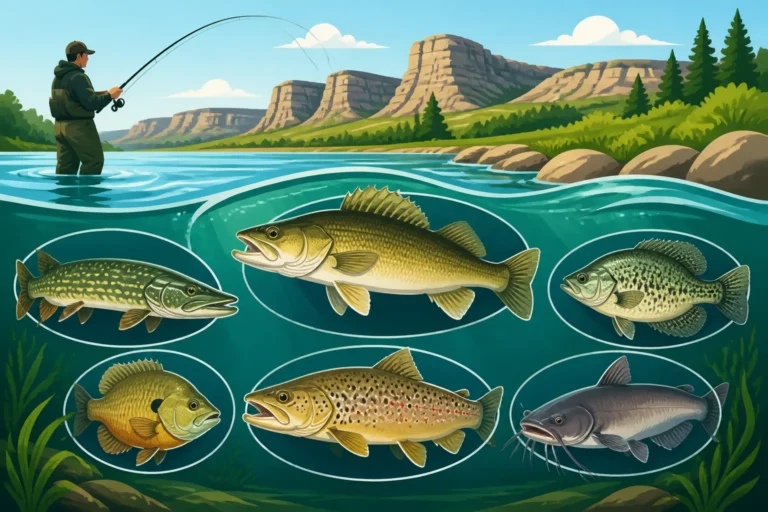
The White River is perhaps most celebrated for its robust populations of Channel Catfish. These whiskered warriors thrive in the river's often-murky, nutrient-rich waters and readily take a variety of baits. You'll also find a good number of Northern Pike, especially in slower current areas, oxbows, and any sections with submerged vegetation or woody debris where they can ambush prey.
Further downriver, particularly closer to its confluence with the Missouri River and in the backwaters of Lake Francis Case, Walleye and Sauger become more prevalent. These fish often move in and out of the river from the main reservoir, especially during spawning runs or when seeking out abundant forage. Anglers might also encounter Smallmouth Bass in areas with harder bottom and rockier structure, though they are less common than the other main species. Various panfish, like crappie and bluegill, can also be found in calmer side channels and oxbows, particularly in the lower stretches. The river environment here tends to produce tough, healthy fish, accustomed to current and often putting up a spirited fight.
Prime Fishing Stretches and Access Points on the White River
Pinpointing the "best" spots on a river as long and diverse as the White River can feel like a tall order. However, by breaking it down into sections, we can highlight areas with different characteristics and fishing opportunities. Remember, much of the White River flows through private land, so always secure permission before accessing the river from private property. Public access often relies on road crossings or designated public lands. If you're struggling to find good access or want to explore safely, consider looking into a local guide through a service like FishingBooker, as they'll have invaluable knowledge of the river.
Upper White River: Challenging Yet Rewarding Exploration
The upper reaches of the White River, generally west of the Rosebud Indian Reservation and through areas like those bordering the southern part of Badlands National Park, offer a different kind of angling experience. Here, the river is narrower and shallower, often resembling a large stream. Access can be challenging, with fewer established roads leading directly to the water. Much of the land is private, so permission is absolutely critical.
For those willing to explore, this section can be incredibly rewarding. It's less pressured, and while you might not find trophy-sized walleye, it can be excellent for smaller, feisty channel catfish, and sometimes even the occasional smaller northern pike lurking in deeper bends or behind log jams. Fly fishing or light tackle spin fishing with small spinners or jigs can be effective here. This is more of an adventurous, exploratory type of fishing, ideal for anglers who enjoy solitude and the challenge of navigating untamed waters. You'll need to be prepared for some walking and potentially wading, so durable Waders for Cold Black Hills Streams or similar waterproof gear are a must.
Middle White River: The Heart of the Action
The middle section of the White River, roughly from the eastern boundary of the Rosebud Reservation downstream towards towns like Hamill and near the I-90 corridor, tends to be where the river widens and deepens, offering more traditional fishing opportunities. This is arguably the most productive stretch for consistent action on channel catfish and a good chance at northern pike.
Look for areas where the river creates pronounced bends, forming deeper holes on the outside turns. These deep pockets, especially those with fallen trees or log jams, are prime holding spots for catfish. Slower current areas and oxbows (old river bends cut off from the main flow) can hold pike and even some panfish. Bridge crossings often provide convenient public access, allowing you to fish from the bank or launch a small, shallow-draft boat (like a kayak, canoe, or jon boat). Areas around the community of White River or further east towards Murdo might offer accessible stretches. Always use caution when navigating these areas, as currents can be deceptive and hidden obstacles common.
Lower White River: Confluence and Missouri River Influence
As the White River approaches its confluence with Lake Francis Case (part of the Missouri River system) near the White River Recreation Area and Fort Randall Dam, its character changes again, becoming significantly influenced by the massive reservoir. This lower section often holds deeper water and can see fish migrating from Lake Francis Case. This is often your best bet for targeting larger walleye and sauger, in addition to excellent channel catfish fishing.
The backwaters and main channel of the White River close to the reservoir are prime spots. Walleye and sauger often stage in these areas before and after spawning runs, or simply move in to feed on abundant baitfish. Look for current breaks, deeper channels, and any rocky or hard-bottom areas if you can find them. Access here is generally better, with a few public boat ramps available, often linked to the Lake Francis Case system. These ramps can accommodate larger fishing boats, making it easier to explore the broader channels. Services like FishingBooker can help you find local guides who specialize in the lower White River and its connection to the Missouri River system. This section provides a fantastic opportunity for anglers looking to hook into bigger fish that cruise between the river and the main lake, making it a crucial spot to understand when planning your South Dakota Missouri River Fishing Guide adventure.
Essential Techniques and Tackle for White River Success
Fishing the White River requires a bit of adaptability, as conditions and target species can vary. Having the right approach and gear will significantly boost your chances of success.
Targeting Catfish: Baits and Rigs
The White River is a catfish haven, and the channel cats here can grow to impressive sizes. The key to success is often scent and patience.
- Baits: Cut bait (pieces of shad, suckers, or other oily fish) is incredibly effective. Prepared stink baits, chicken livers, and nightcrawlers are also excellent choices. Some anglers even have success with shrimp or hot dogs soaked in garlic.
- Rigs: A simple slip sinker rig is a go-to. Use an egg sinker (1/2 oz to 2 oz, depending on current) above a swivel, then a 12-18 inch leader (15-30 lb monofilament or fluorocarbon) tied to a sturdy circle hook (sizes 2/0 to 5/0). The slip sinker allows the fish to take the bait without feeling immediate resistance, leading to better hookups. Position your bait on the bottom in deeper holes, behind log jams, or at the edges of current breaks. Night fishing can be particularly productive for channel catfish, as they are nocturnal feeders. For more specific advice, check out our Best Bait for South Dakota Catfish guide.
Chasing Walleye and Sauger: Lures and Methods
While less abundant than catfish in many sections, walleye and sauger can offer fantastic action, especially in the lower river near Lake Francis Case.
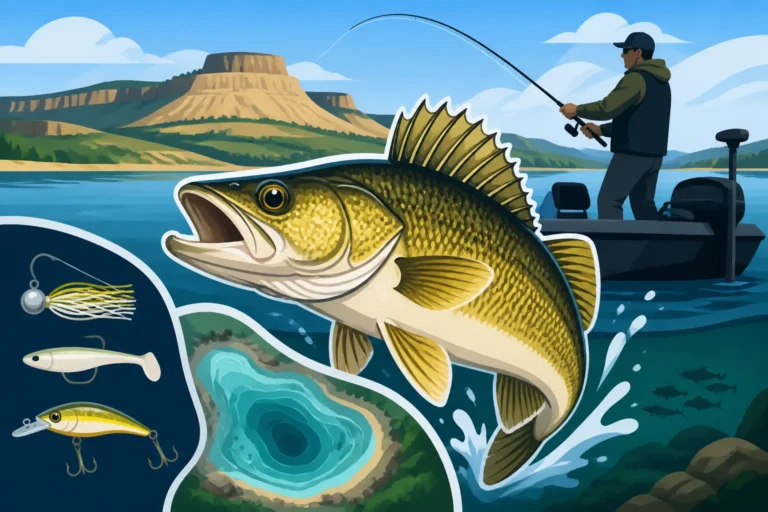
- Jigging: This is a highly effective method. Use 1/4 oz to 1/2 oz jigs tipped with live minnows, shiners, or soft plastics (like paddle tails or grubs). Focus on working these jigs near drop-offs, current seams, and any discernible structure. The "snap jigging" technique, where you lift the jig sharply off the bottom and let it fall, often entices a strike.
- Trolling: In wider, deeper sections, especially in the lower river, trolling crankbaits can be very productive for covering water and locating fish. Use diving crankbaits that reach the depth where fish are holding, often near channel edges. Colors that mimic baitfish or have bright, contrasting patterns (like firetiger or chartreuse) can be effective in the often-stained water.
- Slip Bobbers: For specific deeper holes or areas with structure, a slip bobber rig with a live minnow or crawler can present your bait effectively at the desired depth without getting constantly snagged. This can be a more subtle approach for wary walleye. For additional lure insights, consult our Best Lures for South Dakota Walleye article.
Northern Pike: Aggressive Tactics
Northern pike are ambush predators, and fishing for them on the White River can be an explosive experience.
- Lures: Large spinnerbaits (1/2 oz to 1 oz), spoons (like Daredevils or Five of Diamonds), and medium to large crankbaits are excellent choices. Bright colors (chartreuse, white, red/white) often stand out well in the river's stained water.
- Live Bait: If legal and available, a large live minnow or sucker under a bobber can be irresistible to a lurking pike.
- Locations: Focus on areas with slower current, weed edges (if present), log jams, and the mouths of any feeder creeks. Pike love to hide in cover, waiting to dart out and strike unsuspecting prey. Cast your lures close to these ambush points and retrieve them with an erratic, attention-grabbing action. Be prepared for a strong fight, and make sure your tackle is stout enough to handle their sharp teeth and powerful runs.
Practical Considerations for Your White River Fishing Trip
A successful trip to the White River often hinges on preparation and an understanding of the river's unique challenges.
Access and Boating Considerations
This is perhaps the biggest factor differentiating the White River from more developed fishing destinations. Many parts of the White River are only truly accessible by smaller, shallow-draft boats like kayaks, canoes, or jon boats. The river can be quite shallow in places, and navigating with a larger outboard can be difficult or even impossible in certain stretches. There are very few developed, concrete boat ramps directly on the White River itself; most public access points are rudimentary, often dirt paths or areas near bridge crossings that allow for hand-launching or small trailer access.
Much of the river's shoreline is privately owned, so securing permission from landowners is paramount if you plan to access the water from their property. Respecting private land and ensuring you have proper permission is crucial for maintaining good relationships between anglers and landowners. If you're new to the area or unsure about access, exploring available guided trips through a platform like FishingBooker can provide a safe and effective way to experience the river without the hassle of finding access points yourself. They connect you with local experts who navigate these waters regularly and know all the prime spots and legal access points. You'll also want to familiarize yourself with South Dakota Boat and Water Access Rules before heading out.
Weather, Water Levels, and Safety
The White River is a dynamic system, and its conditions can change rapidly, especially with weather fluctuations.
- Rain and Water Levels: Heavy rainfall in the drainage basin, even miles upstream, can quickly lead to rising water levels and increased turbidity (murkiness). This can make fishing challenging due to strong currents and decreased visibility for fish. Always check local weather forecasts and river gauges before your trip. The U.S. Geological Survey (USGS) often provides real-time river data that can be incredibly useful.
- Safety: Given the river's often remote nature and varying currents, safety should always be your top priority. If you're using a boat, wear a personal flotation device (PFD), and ensure you have all required safety gear. Let someone know your float plan and expected return time, especially if you're exploring less-traveled sections. The river can have hidden snags and swift currents, so always be aware of your surroundings.
Regulations and Conservation
Like all fishing in South Dakota, anglers on the White River must adhere to state regulations designed to protect fish populations and ensure sustainable fishing for everyone.
- Fishing Licenses: You will need a valid South Dakota Fishing License Guide to fish the White River. Non-residents have specific options, like the South Dakota Nonresident Fishing License Options, so make sure you have the correct one.
- Fish Limits and Size Restrictions: Always be aware of the daily and possession limits for the species you are targeting. While the White River isn't typically known for its strict slot limits like some walleye lakes, it's vital to know the rules, especially for species like walleye and northern pike. Ignorance of the law is not an excuse, so always carry a copy of the current South Dakota Fishing Regulations Explained or consult the South Dakota GFP Fishing Handbook Guide.
- Conservation: Practice responsible angling. Consider catch-and-release for larger trophy fish or species you don't intend to eat. Properly dispose of all trash, avoid disturbing sensitive habitats, and clean your boat and gear to prevent the spread of aquatic invasive species. The White River is a special, wild place, and it's up to all of us to keep it that way.
| Fish Species | Preferred White River Habitat | Best Baits/Lures |
|---|---|---|
| Channel Catfish | Deep holes, log jams, current breaks, muddy bottoms | Cut bait (shad, sucker), stink bait, chicken liver, nightcrawlers |
| Northern Pike | Slower current areas, oxbows, weed edges, fallen trees | Large spinnerbaits, spoons, crankbaits, live minnows (where legal) |
| Walleye / Sauger | Deeper channels, current seams, rocky areas, confluence with Missouri | Jigs tipped with minnows/plastics, diving crankbaits, slip bobbers with minnows |
| Smallmouth Bass | Hard bottom, rockier structure (less common) | Tube jigs, spinnerbaits, small crankbaits, crawfish imitation lures |
Disclaimer
Fishing conditions and regulations in South Dakota can change. Always consult the official South Dakota Game, Fish and Parks (GFP) website or the current fishing handbook for the most up-to-date information before heading out on your fishing trip. This guide is for informational purposes only and does not supersede official regulations.