Best Ice Fishing Spots on Lake Oahe
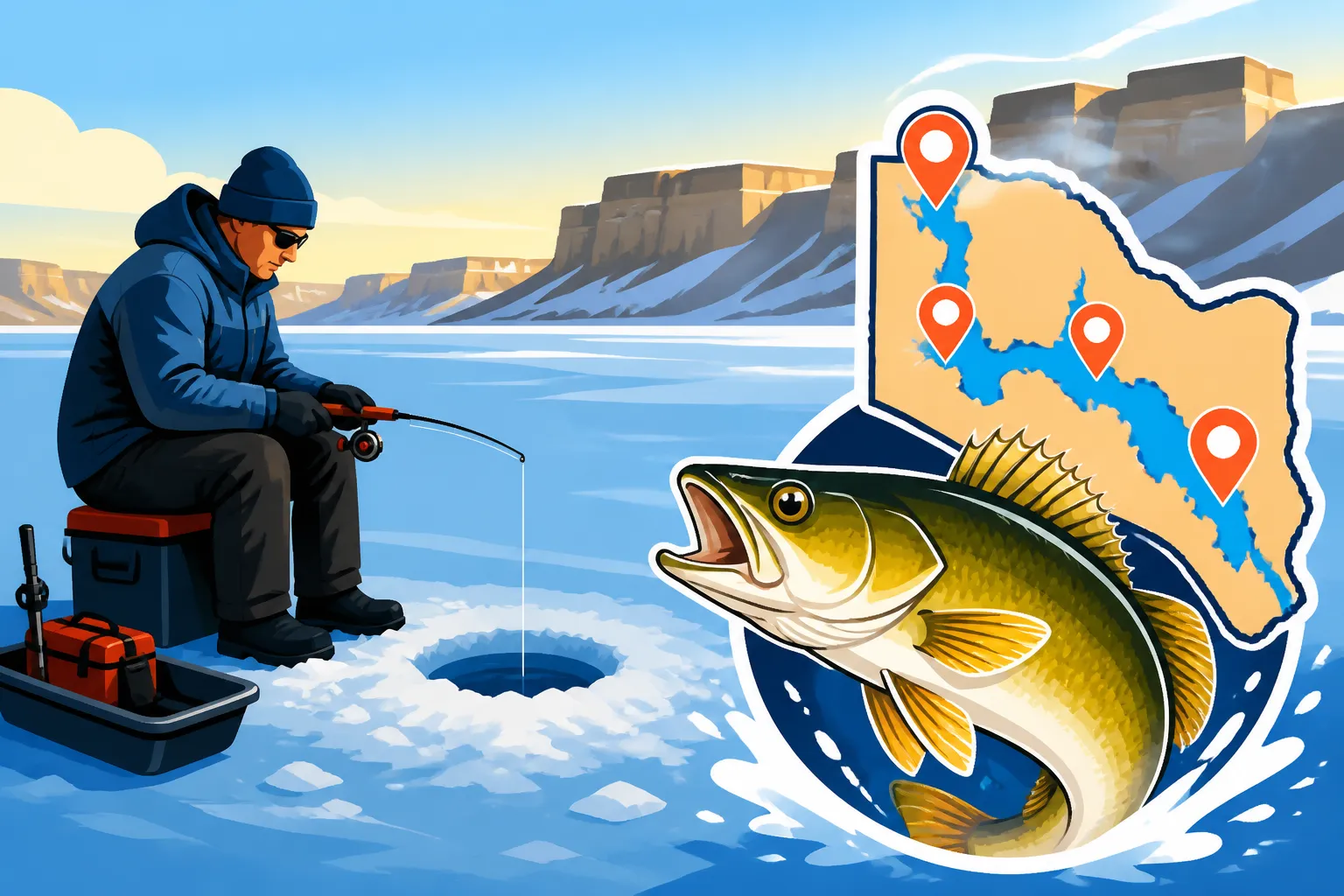
Picture this: a vast, frozen expanse stretching as far as the eye can see, with the promise of trophy walleye and northern pike lurking beneath. That's Lake Oahe in winter, and while it's an angler's paradise, its sheer size can feel daunting. How do you even begin to find the best ice fishing spots on a lake so enormous? It can feel overwhelming, like looking for a needle in a frozen haystack. This guide is here to cut through the ice and show you exactly where to drill your holes for the most productive and exciting ice fishing adventures on Lake Oahe.
Navigating the Icy Expanse of Lake Oahe
Lake Oahe, a massive reservoir on the Missouri River, presents a unique and thrilling challenge for ice anglers. Unlike smaller, more predictable lakes, Oahe demands respect for its size, depth, and the incredible diversity of its underwater landscape. But for those willing to put in the effort, the rewards can be truly spectacular, from jumbo perch to hard-fighting walleye and even formidable northern pike.
The Unique Challenges and Rewards of Ice Fishing Oahe
The primary challenge of ice fishing on Lake Oahe stems from its immense scale. Stretching over 230 miles from Bismarck, North Dakota, to Pierre, South Dakota, it's one of the largest reservoirs in the country. This means vast areas to cover, varying depths from shallow bays to over 100 feet in the old river channel, and often significant currents in certain areas that can impact ice safety and fish behavior. Many anglers arrive and are simply overwhelmed by the sheer amount of water, unsure where to even start. It's not uncommon for a first-timer to spend days drilling unproductive holes, feeling like they're just guessing.
However, these challenges are precisely what make the rewards so much sweeter. Lake Oahe is a powerhouse fishery, consistently producing some of the biggest walleye and northern pike in the region. The diverse structure, from submerged river channels and flooded timber to rocky points and expansive flats, creates countless ambush points for predators. You're not just catching fish here; you're often catching trophy fish. The sense of accomplishment when you pull a magnificent walleye through the ice after carefully dissecting a new piece of structure is unparalleled. Moreover, the peace and solitude of fishing on Oahe's frozen landscape, far from the crowds, is a reward in itself. If you're looking for an in-depth understanding of the lake year-round, our comprehensive Lake Oahe Fishing Guide is an excellent resource.
Understanding Lake Oahe's Winter Ecosystem
To consistently find fish under the ice, it's crucial to understand how Lake Oahe's ecosystem functions in winter. As the water cools and freezes, fish behavior changes dramatically. Many species, particularly walleye and northern pike, become less active but still feed. They tend to congregate in specific areas where food is concentrated or where they can conserve energy.
Walleye, for instance, often relate to structure such as sunken points, humps, and the edges of the old river channel. They'll use these features as highways and ambush points, especially during low-light periods. Their primary forage includes smelt, cisco, and various panfish, so finding concentrations of baitfish is often key to locating predatory species. Northern pike, being aggressive ambush predators, will gravitate towards weed lines (especially in early ice before vegetation dies back completely), transition zones from shallow to deep water, and areas with submerged timber where they can hide and dart out at unsuspecting prey. Perch, a popular target for many ice anglers, are typically found in shallower bays and on flats, often schooling in large numbers. Understanding the lake's thermal properties and current patterns is also vital. Areas with subtle current breaks can hold concentrations of baitfish, which in turn attract larger predators.
Prime Ice Fishing Locations Across Lake Oahe
Given the vastness of Lake Oahe, breaking it down into manageable sections is key to successful ice fishing. Different areas of the reservoir offer unique opportunities and target species. Local knowledge and current ice conditions are always paramount, so be sure to check local reports before heading out.
The Mobridge Area Northern Reaches
Up in the northern stretches of Lake Oahe, particularly around the Mobridge area, you'll find some fantastic ice fishing, especially for walleye and northern pike. This part of the lake features numerous bays and points that offer excellent structure once they freeze over. Popular spots often include the mouths of tributary creeks and prominent points extending into the main lake.
When ice fishing here, anglers often focus on depths ranging from 15 to 30 feet, especially along drop-offs and contours. Walleye tend to hold tight to these structural elements. Jigging spoons like Northland Forage Minnows or Rapala Jigging Raps are highly effective, often tipped with a minnow head or a piece of plastic. Tip-ups are also incredibly popular for covering more water, baited with live minnows or dead smelt. For those pursuing northern pike, setting tip-ups with larger baits like herring or large sucker minnows near the edge of shallower flats or old weed beds can be very productive. Remember, early ice often means pike are still in shallower water, while mid-winter sees them move to deeper break lines. Our guide to Lake Oahe Walleye Hotspots Near Mobridge can give you even more specific coordinates and advice for this area.
Fishing the Cheyenne River Arm and Surrounding Waters
Moving south, the Cheyenne River Arm is another renowned ice fishing destination on Lake Oahe. This arm offers a different type of structure, characterized by its riverine influence, including deeper channels, significant bends, and varying bottom compositions. It's a prime location for walleye and can also hold some impressive pike.
The key to fishing the Cheyenne River Arm under the ice is to focus on the transitions and current breaks. While the main channel of the arm might have too much current for safe or effective ice fishing in some spots, the adjacent flats, humps, and points where the water slows down are walleye magnets. Look for areas where the main channel meets a large flat, creating an "inside corner" or a significant depth change. Depths from 20 to 40 feet are common targets here. Jigging with heavier spoons or vertical jigs is effective, as is deadsticking a minnow just off the bottom. Pay close attention to your fish finder; subtle changes in bottom composition or the presence of baitfish schools are strong indicators. Exploring the nuances of Lake Oahe Fishing Near the Cheyenne River can yield fantastic results, especially during peak season.
Whitlock Bay and the Salmon Run Aftermath
Whitlock Bay, famous for its fall Chinook salmon run, also offers unique ice fishing opportunities, particularly in the early ice period. While the salmon spawn primarily happens in the fall, some lingering salmon, along with predatory walleye and schools of perch, can be found here during the winter. This area, located near Gettysburg, features accessible bays and points that become fishable relatively early in the ice season.
For early ice, keen anglers might still find Chinook salmon in the bay, often relating to deeper water near drop-offs. Jigging with heavy spoons in chrome or chartreuse is a common tactic. However, as winter progresses, the focus often shifts to walleye and perch. Look for walleye on the points and submerged humps leading into the main channel, typically in 20-35 feet of water. Perch, on the other hand, can be found in shallower flats, often schooling in 10-20 feet. Small tungsten jigs tipped with wax worms or plastics are deadly for perch, while walleye will respond well to spoons, rattle baits, or deadsticked minnows. It's fascinating to see how the ecosystem adapts after the Chinook Salmon Spawning Run Dates on Lake Oahe have passed, creating new opportunities.
The Pierre and Oahe Dam Tailwater Influence
While the immediate tailwaters below Oahe Dam often remain open due to current, the surrounding areas near Pierre, where the current slows and ice forms reliably, provide fantastic fishing. This central part of Lake Oahe is known for its incredible walleye fishery, along with sauger and some impressive perch.
Anglers focusing on this region often target the numerous points, humps, and the edges of the main river channel that flow into the reservoir. These areas create natural current breaks and staging points for fish. Look for depths of 25 to 50 feet, particularly during mid-winter. Similar to other areas, jigging spoons, rattle baits (like Rapala Rippin' Raps or Vexan Crystal Shiners), and lipless crankbaits are highly effective for aggressive walleye and sauger. Don't forget to deploy a few deadsticks or tip-ups with minnows for a passive approach, especially during slower bites. Identifying these key structural elements and understanding the nuances of current influence is crucial here. The clarity and depth of this section can often make for a visual fishing experience with a good fish finder.
Essential Gear and Safety for Lake Oahe Ice Fishing
Successfully navigating the ice and catching fish on Lake Oahe requires not only knowing where to go but also having the right equipment and prioritizing safety. The conditions can be extreme, and being unprepared is not an option.
Must-Have Gear for South Dakota Ice
When you hit the ice on Lake Oahe, you need gear that can stand up to the elements and the fish. First and foremost, a reliable auger is critical. With potentially thick ice, a gas-powered auger from brands like Eskimo or Jiffy provides consistent power, though modern electric augers like those from Ion or Milwaukee are becoming increasingly popular for their quiet operation and lighter weight. Check out our guide on How Thick Ice Should Be Before Fishing in South Dakota for essential safety information regarding ice depth.
Next, a good ice shelter is non-negotiable for comfort and safety in South Dakota's often brutal winter winds. Portable shelters from Clam or Eskimo offer mobility for chasing fish, while larger hub-style or permanent shacks provide more space and warmth, especially with a Best Portable Heater for an Ice Shanty. Don't forget your fishing setup: specific rods and reels are designed for ice fishing, offering the sensitivity needed to detect subtle bites. You can learn more about Best Ice Fishing Rods and Reels to make an informed choice. For lures, a variety of jigging spoons, rattle baits, and soft plastics are essential, along with live minnows or wax worms. See our article on Best Lures for Ice Fishing Walleye for specific recommendations. Finally, a quality fish finder, whether a traditional flasher or a more advanced sonar unit with GPS, will be your best friend for locating fish and structure on such a vast lake.
Staying Safe on the Ice
Safety on Lake Oahe's ice should be your absolute top priority. The sheer size of the lake, coupled with potential currents from the Missouri River, means ice conditions can vary dramatically even within short distances. Always check local ice reports and talk to bait shop owners or guides before heading out. Never assume ice is safe just because others are on it; conditions can change quickly.
Always fish with a buddy and inform someone of your plans and expected return time. Essential safety equipment includes ice picks (worn around your neck), a throw rope, and a spud bar or ice chisel for testing ice thickness as you go. Even if you're driving a vehicle onto the ice, which many Oahe anglers do, always be aware of weight limits and marked trails. Be particularly cautious around areas with current, points, or sudden depth changes, as these can be prone to thinner or unstable ice. Dress in layers, wear insulated boots, and always pack extra dry clothing. Hypothermia is a serious risk if you get wet. Taking a course on ice fishing safety is highly recommended, especially for newcomers to large bodies of water.
Planning Your Successful Lake Oahe Ice Fishing Adventure
A successful ice fishing trip to Lake Oahe goes beyond just finding the right spot. It involves proper planning, understanding regulations, and leveraging local expertise to maximize your chances of a memorable experience.
Navigating Licenses and Regulations
Before you even think about drilling a hole, make sure you're properly licensed. A valid South Dakota fishing license is required for all anglers aged 16 and older. Additionally, a South Dakota Habitat Stamp is typically required unless you're exempt. You can easily purchase these online through the South Dakota Game, Fish and Parks (GFP) website or from various vendors throughout the state. It’s always a good idea to keep a printed copy or digital proof on your person while fishing.
Beyond the general license, it's crucial to be aware of specific regulations that apply to Lake Oahe. These include daily and possession limits for various species, which can sometimes vary by water body or species. For instance, walleye limits are often carefully managed to sustain the population. Familiarize yourself with the current year's South Dakota Fishing Regulations Explained handbook, which is available online and at license vendors. This guide will outline everything from how many lines you can fish (typically two in South Dakota) to length restrictions and special regulations for certain fish or areas. Ignorance of the law is never an excuse, and game wardens do patrol the ice. For a full breakdown of requirements, consult our South Dakota Fishing License Guide.
Finding Local Expertise and Resources
When exploring new waters, especially a behemoth like Lake Oahe, tapping into local knowledge is invaluable. South Dakota is known for its friendly, knowledgeable angling community, and connecting with them can give you a serious leg up. Services like FishingBooker can connect you with experienced, local ice fishing guides who spend countless hours on Oahe, giving you a serious advantage. They know the subtle nuances of where fish are holding, what baits are working, and most importantly, where the ice is safest. A guided trip can fast-track your learning curve and put you on fish much quicker than going it alone.
Beyond booking a guided trip, local bait shops around Mobridge, Gettysburg, and Pierre are treasure troves of up-to-the-minute information. They'll tell you what's biting, what kind of Best Lures for South Dakota Walleye are hot, and the current ice conditions. Don't be shy about asking questions; most shop owners are happy to share general tips. Online forums and local social media groups dedicated to South Dakota fishing are also excellent resources for current reports and shared experiences. If you're planning your trip from afar, consider checking out available guides through platforms like FishingBooker to ensure you make the most of your limited time on the ice, especially if you're targeting specific species or looking for deep water tactics. Even if you don't book a full trip, a quick call to a local outfitter found on FishingBooker can sometimes provide invaluable insights into current lake conditions.
Timing Your Trip for Success
The timing of your ice fishing trip to Lake Oahe can significantly impact your success. The ice fishing season typically kicks off in late November or early December, once safe ice has formed, and can extend well into March. Our guide on When Ice Fishing Season Starts in South Dakota provides more specific annual details.
- Early Ice (Late November – December): This is often considered one of the best times. Fish are still relatively active from fall feeding and haven't experienced heavy fishing pressure. They can often be found in shallower bays and on the edges of main lake points. The ice is usually thinner, requiring extra caution, but the bite can be phenomenal for aggressive walleye and pike.
- Mid-Winter (January – February): As winter progresses and ice thickens, fish tend to move to deeper structure. Walleye will often hug the main lake points, humps, and the edges of the old river channel. This is when a good fish finder and understanding contour maps become absolutely essential. The weather can be the harshest during this period, so proper clothing and shelter are paramount.
- Late Ice (March): As spring approaches, fish often become more active again, sometimes moving shallower as oxygen levels change and pre-spawn urges kick in. Walleye and pike can stage near spawning areas, offering another fantastic opportunity for a hot bite. However, ice conditions can deteriorate rapidly in late winter, so extreme caution is advised, especially as temperatures rise.
No matter when you go, monitoring weather patterns, especially fronts and barometric pressure changes, can help predict fish activity. Often, the best fishing occurs just before a major cold front moves in or during stable weather conditions.
Here's a quick comparison of some popular Lake Oahe ice fishing areas:
| Area | Primary Target Species | Typical Depths (feet) | Key Structures | Recommended Tactics |
|---|---|---|---|---|
| Mobridge Area Bays | Walleye, Northern Pike | 15-30 | Points, Bay Entrances | Jigging spoons, tip-ups with minnows |
| Cheyenne River Arm | Walleye, Northern Pike | 20-40 | Channel edges, current breaks | Vertical jigs, deadsticking minnows |
| Whitlock Bay | Salmon (early ice), Walleye, Perch | 10-35 | Points, Humps, Flats | Jigging spoons, small jigs with bait |
| Pierre / Oahe Dam Nearby | Walleye, Sauger, Perch | 25-50 | River channel edges, humps | Rattle baits, spoons, deadsticks |
Ultimately, Lake Oahe offers a diverse and challenging ice fishing experience that rewards persistence and preparation. By understanding its unique characteristics and leveraging the right techniques and local insights, you're well on your way to a memorable winter adventure. For those looking to delve deeper into specific methods, our article on Best Ice Fishing Techniques for Lake Oahe provides detailed instruction.
Disclaimer
The information provided in this guide is for general informational purposes only. Fishing conditions, ice safety, and regulations can change rapidly. Always check current South Dakota Game, Fish and Parks regulations and local ice conditions before heading out. Exercise extreme caution on the ice and prioritize safety at all times.