Lake Oahe Walleye Hotspots Near Mobridge
It's incredibly frustrating, isn't it? You arrive at Lake Oahe, gear loaded, ready to chase those legendary walleye, only to be confronted by a massive expanse of water near Mobridge. It feels like finding a needle in a haystack, and the sheer scale can be daunting. But don't worry, you're not alone in feeling overwhelmed. This comprehensive guide is specifically designed to demystify Lake Oahe's walleye scene around Mobridge, pinpointing key hotspots and proven strategies to help you fill your livewell and make the most of your fishing adventure.
Understanding Lake Oahe's Dynamics Near Mobridge
Lake Oahe isn't just a big lake; it's a colossal reservoir, stretching for over 230 miles through the heart of South Dakota, covering more than 370,000 acres. Near Mobridge, at its northern end, the lake still retains some of its Missouri River characteristics, but it quickly transforms into a vast, deep, and complex system. Understanding this unique dynamic is the first step to unlocking its walleye potential.
The Sheer Size and Structure of Lake Oahe
The vastness of Lake Oahe can be intimidating. Imagine a water body so immense that you can lose sight of the opposite shore. This scale means that walleye have an incredible amount of space to roam and hide. However, they aren't just randomly distributed. Walleye are ambush predators that relate heavily to structure, and Lake Oahe near Mobridge offers plenty of it. From the submerged river channel, which acts like a highway for fish movement, to countless points, humps, and old creek beds, there's a complex underwater landscape. Your success often hinges on learning to "read" this structure, understanding how wind and current interact with it, and predicting where walleye will set up to feed. This is where a good topographical map and an even better understanding of seasonal patterns truly shine.
Water Depths and Bottom Composition
Around Mobridge, Lake Oahe’s depths can vary dramatically. While the main river channel might plunge to 60-100 feet in places, you’ll also find vast shallow flats, especially in the numerous bays and along the shoreline. Walleye utilize this entire range, moving between shallow feeding grounds and deeper holding areas based on light conditions, water temperature, and baitfish presence. The bottom composition is equally diverse. You'll encounter rocky points and reefs, sandy flats, silty creek beds, and even areas with submerged timber from the original Missouri River valley. Each of these bottom types offers different advantages to walleye – rocks provide cover and hold invertebrates, sand is good for foraging, and timber can be prime ambush territory. Identifying these transitions on your electronics is crucial for finding concentrated schools of fish.
Forage Base and Walleye Movement
The lifeblood of Lake Oahe's thriving walleye population is its abundant forage base. Key species like rainbow smelt, ciscoes, yellow perch, and various shad species form the primary diet for walleye. Understanding what these baitfish are doing and where they are located is paramount to finding walleye. For instance, rainbow smelt often suspend in the water column or relate to cooler, deeper water, and walleye will follow them. Perch might be found closer to weed lines or structure. As an angler, you're essentially playing a game of hide-and-seek, but instead of finding the walleye directly, you're looking for their food source. This seasonal dance between predator and prey dictates walleye movement, depth, and preferred locations, making adaptability a core skill for any serious angler. If you're looking for a general overview of the species, check out our South Dakota Walleye Fishing Guide.
Key Walleye Hotspots Around Mobridge
While Lake Oahe is vast, certain areas near Mobridge consistently produce walleye thanks to their unique underwater topography and environmental factors. These are the spots where local knowledge and a bit of persistence often pay off.
Pollock Area and the North End
Just north of Mobridge, around the small community of Pollock, the lake begins to narrow somewhat, though it remains impressively wide. This area is characterized by its deeper channels and numerous bays that can hold fish throughout the year. In the early season, as ice recedes and water temperatures begin to climb, walleye often stage in these shallower, warming bays before moving out to the main lake. Look for the points and contours around places like Spring Creek Bay, which often concentrates baitfish and, consequently, walleye. Trolling crankbaits along these breaks or jigging spoons on humps can be highly effective. The current here, though subtle compared to the river sections further north, can also create breaks where walleye position themselves to ambush prey. This part of the lake is also well-known for producing some truly impressive fish, making it a favorite for many dedicated anglers.
Cheyenne River Arm Junction
While the main body of the Cheyenne River Arm lies a bit south of Mobridge, its influence on the main lake near Mobridge is undeniable. The junction where the Cheyenne River Arm meets the main stem of Lake Oahe is a dynamic area. It introduces a fresh influx of water, nutrients, and often baitfish, creating fertile fishing grounds. Specifically, the "flats" area near this junction can be phenomenal, particularly during certain seasons. Walleye will migrate through and feed heavily in these areas, especially where there are subtle depth changes, old roadbeds, or submerged contours. Keep an eye on your electronics for schools of baitfish in this region. Many anglers find success by covering water with bottom bouncers and spinner rigs here, or by vertical jigging once a school of walleye is located. Understanding the Lake Oahe Fishing Near the Cheyenne River dynamics is key to success in this zone.
Indian Creek Area and Major Points
The Indian Creek Recreation Area is not only a fantastic spot for camping and launching your boat, but it's also a prime walleye hotspot itself. The combination of easy access and excellent structure makes it a perennial favorite. Numerous major points extend from the shoreline here, creating current breaks and feeding lanes that walleye absolutely love. Look for these points, especially those with rocky bottoms or submerged humps, as they provide perfect ambush points for walleye waiting for baitfish to swim by. The transition zones from shallow to deep water around these points are particularly productive. Drifting with live bait rigs, casting jigs with plastics, or trolling crankbaits can all be successful strategies depending on the season and depth the fish are holding. The Indian Creek area offers diverse fishing opportunities, from shallower casting to deeper trolling, making it versatile for different techniques. When you're heading out, consider checking our guide on Best Boat Ramps on Lake Oahe Near Mobridge for the most current information.
Hidden Bays and Submerged Structure
Don't let the vastness of the main lake distract you from the potential hidden gems. Lake Oahe near Mobridge is riddled with smaller, often overlooked bays and coves that can hold incredible numbers of walleye, especially during periods of high boat traffic or adverse weather. These areas often feature submerged timber, old flooded shelterbelts, or rock piles that provide excellent cover and structure. A good fish finder is invaluable for uncovering these subtle details. Look for bays with a bit of incoming current, even from small feeder creeks, as these can concentrate baitfish. Vertical jigging or pitching jigs to visible or submerged structure can be highly effective. Sometimes, the most productive spots aren't the well-known major points, but rather these quiet, tucked-away areas that offer respite and abundant feeding opportunities for walleye. Many experienced anglers, often found through services like FishingBooker, specialize in finding these less-pressured honey holes.
Seasonal Strategies for Mobridge Walleye
Walleye behavior on Lake Oahe shifts dramatically with the seasons. What works in spring won't necessarily be effective in summer or fall. Adapting your approach to the time of year is fundamental to consistent success near Mobridge.
Spring Pre-Spawn and Spawn Patterns
As the ice retreats and the days lengthen in early spring, walleye in Lake Oahe begin their annual migration towards spawning grounds. Near Mobridge, this means they often move into shallower, protected bays, warmer creek channels, and the upper river sections where current and suitable substrate (like gravel or rock) are present. Water temperature is the key trigger here; walleye will seek out areas where the water warms quickest. During the pre-spawn period, they are actively feeding to build energy for the spawn. This is a fantastic time for pitching jigs tipped with minnows or soft plastics into shallow cover, casting shallow-running crankbaits, or slowly trolling spinner rigs. After the spawn, they'll often hold in nearby deeper water before dispersing to their summer haunts. Understanding South Dakota Spring Walleye Fishing Techniques will give you a significant advantage during this exciting time.
Summer Deep Water and Trolling Tactics
When the scorching South Dakota summer arrives, Lake Oahe's walleye typically transition to deeper, cooler waters, often relating to main lake structure. They'll follow the thermocline if one forms, or simply seek out depths where baitfish are most comfortable. This is prime time for trolling. Covering large expanses of water with crankbaits, often with the aid of planer boards to spread your lines, is a highly effective strategy. Bottom bouncer and spinner combinations, baited with nightcrawlers or leeches, also shine when walleye are hugging the bottom on humps, points, or the edges of the submerged river channel. Look for suspended schools of baitfish on your electronics, as walleye will often be nearby. During these warmer months, a day spent on Lake Oahe can be a fantastic way to enjoy the vastness and beauty of the reservoir while targeting these deep-water walleye. To master this technique, delve into our guide on Trolling for Walleye on Lake Oahe.
Fall Feeding Frenzy and Migration
As autumn leaves begin to turn and water temperatures cool, Lake Oahe walleye kick into a serious feeding frenzy, gorging themselves in preparation for winter. This is arguably one of the best times to target trophy-sized fish. Walleye will often move shallower again, chasing schools of baitfish that are also moving to their cooler-water habitats. The key is to find these concentrations of bait. Aggressive jigging with jigs tipped with minnows, blade baits, or jigging raps can be incredibly effective when you find a school. Casting crankbaits or snap-jigging soft plastics can also draw powerful strikes. This period often sees walleye dispersed throughout the water column, from shallow flats to deep main lake structure, so a versatile approach is best. It's a fantastic time to be on the water near Mobridge, enjoying cooler temperatures and the promise of a substantial catch.
Essential Gear and Techniques for Lake Oahe Walleye
Successfully tackling Lake Oahe's walleye requires more than just knowing where to go; it demands the right tools and the knowledge to use them effectively. The sheer size and potential for adverse weather mean your gear needs to be up to the task.
Rods, Reels, and Line Choices
For Lake Oahe walleye, versatility is your best friend. A good starting point is a medium-light to medium-heavy spinning rod, typically 6'6" to 7'6" in length, paired with a reliable 2500 or 3000 series spinning reel. This setup is excellent for casting jigs, working spinner rigs, or even light trolling. For more dedicated trolling, a longer, softer action rod (7' to 9' medium action) can be incredibly effective for soaking up bumps and keeping fish hooked. When it comes to line, braided line (10-20 lb test) is a popular choice for its incredible sensitivity and strength, especially when fishing deeper or around abrasive structure. Many anglers will use a fluorocarbon leader (8-12 lb test) to provide a bit of stretch and invisibility. Monofilament (8-12 lb test) is still a solid option for certain trolling applications due to its stretch and shock absorption. The right combination will give you the control and feel you need to detect those subtle walleye bites.
Effective Lures and Live Bait Rigs
The array of lures available for walleye fishing is vast, but a few stand out as consistent producers on Lake Oahe near Mobridge. Crankbaits are indispensable, especially for covering water while trolling. Popular options include shallow-running models like Rapala Shad Raps or Berkley Flicker Shads for spring and fall, and deeper-diving lipped crankbaits or stickbaits for summer trolling. Jigs are your go-to for vertical presentations or pitching to specific structure. Head sizes from 1/8 to 3/8 ounce are common, often tipped with a soft plastic swimbait, grub, or a live minnow. Don't forget spinner rigs with bottom bouncers, which are fantastic for slowly drifting or trolling with live bait like nightcrawlers or leeches, especially when walleye are spread out on the bottom. Local bait shops are an excellent resource for knowing which colors and bait are currently working best. For a deeper dive into what to stock in your tackle box, our guide on Best Lures for South Dakota Walleye is invaluable.
Electronics and Navigation Tools
On a lake as massive and complex as Oahe, modern marine electronics are not just a luxury, they're an absolute necessity. A high-quality fish finder with GPS capabilities is paramount. Features like side imaging and down imaging allow you to see structure and fish off to the sides and directly beneath your boat, helping you pinpoint those elusive walleye schools or subtle breaks. 2D sonar remains crucial for classic fish arch identification and depth readings. Your GPS system, integrated with detailed lake maps, allows you to navigate safely, mark waypoints on productive spots, and return to them with precision. Understanding How to Read a Fish Finder for Walleye can drastically improve your catch rates. Don't leave the dock without fresh batteries and a solid understanding of how to use your unit – it's your window into the underwater world. Many guides available through FishingBooker will have top-of-the-line electronics and know exactly how to interpret them.
Navigating Lake Oahe: Access and Safety
Lake Oahe is an incredible fishery, but its size and exposure to weather demand respect and proper preparation. Knowing where to launch and how to stay safe is just as important as knowing where the fish are.
Public Boat Ramps and Access Points
Near Mobridge, you're fortunate to have several well-maintained public boat ramps and access points. The Indian Creek Recreation Area, just south of Mobridge, offers excellent concrete ramps, ample parking, and often convenient amenities like restrooms and fish cleaning stations. This is a very popular launch point for anglers heading out onto the main lake or into the Indian Creek arm. Further north, towards Pollock, you'll also find ramps that provide access to the northernmost reaches of the reservoir. While these ramps are generally well-kept, it's always a good idea to check conditions beforehand, especially during periods of extreme low water or during the busy summer season. Some ramps might be less accessible for larger boats or during windy conditions. A detailed look at specific options can be found in our guide on Best Boat Ramps on Lake Oahe Near Mobridge. Always observe proper ramp etiquette to ensure a smooth experience for everyone.
Weather Challenges and Safety Precautions
Lake Oahe is notorious for its rapidly changing weather patterns, particularly strong winds. A calm morning can quickly turn into a white-capping, dangerous afternoon. This isn't just an inconvenience; it can be a serious safety hazard for smaller boats or inexperienced operators. Always check the forecast before heading out, and be prepared to cut your trip short if conditions deteriorate. Essential safety gear includes properly fitted life jackets for everyone on board (required by law, especially for children), a fully charged marine radio or cell phone for emergencies, a first-aid kit, and a throwable flotation device. Let someone know your float plan, including where you're going and when you expect to return. Our guide on South Dakota Boat Safety Requirements provides a comprehensive checklist to ensure you're prepared for anything Lake Oahe might throw at you. Don't take chances; the fish aren't worth risking your life over.
Understanding South Dakota Fishing Regulations
Before you even wet a line, it's absolutely crucial to familiarize yourself with the current South Dakota fishing regulations. These rules are put in place by the South Dakota Game, Fish and Parks (GFP) to manage fish populations and ensure sustainable fishing for future generations. Walleye often have specific daily limits, possession limits, and sometimes even slot limits (where fish within a certain size range must be immediately released) that can vary by water body. For Lake Oahe, always consult the most recent GFP fishing handbook or their website. Failure to comply with these regulations can result in hefty fines and the loss of your fishing privileges. This also includes ensuring you have the correct South Dakota Fishing License Guide and understanding all the nuances explained in our South Dakota Fishing Regulations Explained article. Ignorance of the law is not an excuse, so do your homework!
Beyond Walleye: Other Species Near Mobridge
While walleye are undoubtedly the star of the show on Lake Oahe, the waters around Mobridge hold a diverse array of other fish species that can provide exciting action, especially if the walleye bite is slow or you're looking for a different challenge.
Northern Pike and Smallmouth Bass
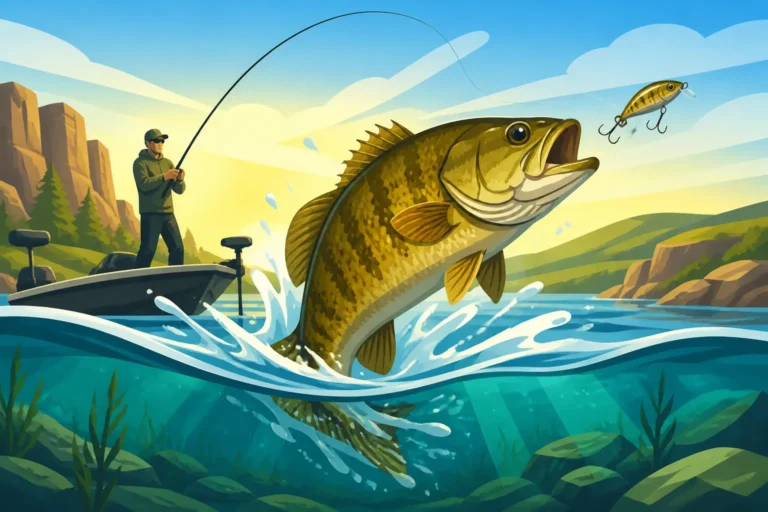
Northern pike are another highly sought-after species in Lake Oahe. These aggressive predators often inhabit shallower, weedy bays and points, though larger individuals will also relate to deeper structure. They offer a powerful fight and can be caught on large spoons, spinnerbaits, or even substantial crankbaits. If you're tired of chasing walleye, targeting pike can be a fantastic change of pace. Our South Dakota Northern Pike Fishing Guide offers excellent strategies for these toothy critters. Smallmouth bass, on the other hand, are often found relating to rocky shorelines, riprap, and submerged rock piles. They are tenacious fighters on light tackle and provide excellent sport. Casting tube jigs, Ned rigs, or small crankbaits around these rocky areas can lead to explosive strikes. Don't overlook these species; they can make a slow walleye day incredibly fun.
Chinook Salmon Opportunities
While the primary Chinook salmon fishery on Lake Oahe is typically found further south, particularly around the Whitlock Bay area, it's not unheard of to encounter these magnificent fish near Mobridge, especially in the deeper, colder waters. Chinook salmon are often targeted by trolling with downriggers, using spoons or flasher-and-fly combinations. If you're equipped for deep-water trolling, it might be worth keeping an eye out for these impressive fish, particularly in late summer and fall as they begin their spawning migrations. While not as prevalent as walleye in the Mobridge area, the chance of hooking into a powerful Chinook is always an exciting prospect. For more detailed information on targeting these majestic fish, check out our Lake Oahe Chinook Salmon Fishing at Whitlock Bay article.
Panfish and Catfish
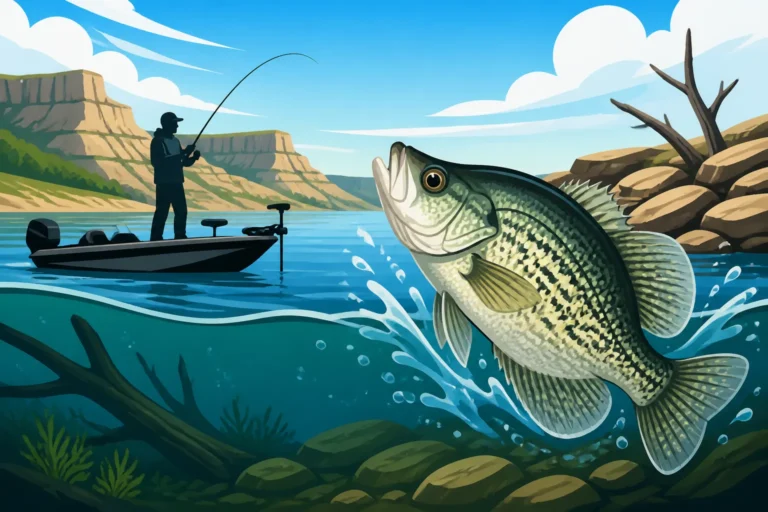
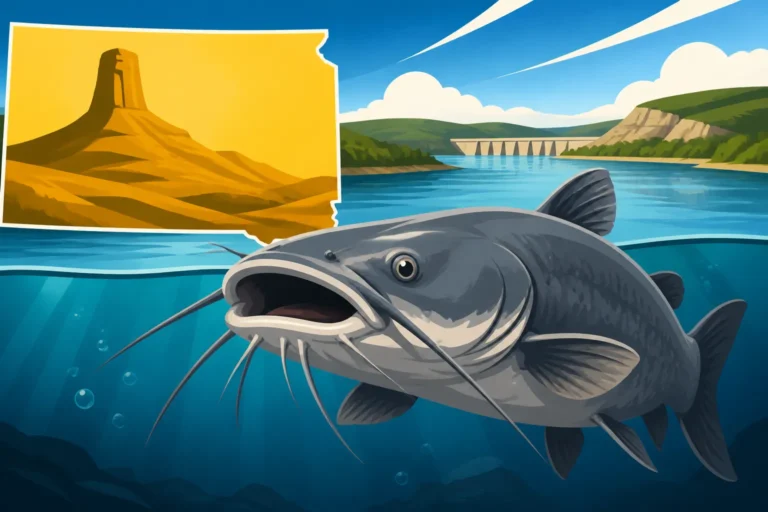
For a more relaxed outing, or if you're fishing with family and kids, the panfish and catfish populations around Mobridge can provide consistent action. Yellow perch are often found in schools, relating to submerged structure, weed edges, or even open water baitfish schools. Crappie, both white and black, can be found around timber, brush piles, or bridge pilings in the deeper bays. Both respond well to small jigs tipped with plastics or live minnows. Catfish, particularly channel catfish, are abundant in Lake Oahe and can provide fantastic angling, especially during the warmer months. They are often found in the muddier, slower-moving sections of the lake, in creek channels, or along current breaks. Cut bait, worms, or stink baits fished on the bottom are highly effective. These species offer a great alternative and can make for a delicious fish fry back at camp.
Mobridge Walleye Hotspots and Techniques Summary
To help you quickly reference the best approaches for Lake Oahe walleye near Mobridge, here's a brief summary of key hotspots and recommended techniques by season. Remember, these are general guidelines, and adaptability is always key!
| Season | Key Hotspots Near Mobridge | Primary Techniques | Recommended Bait/Lures |
|---|---|---|---|
| Spring | Pollock Bays, Indian Creek points, shallow river sections | Jigging, Pitching, Slow Trolling | Jigs w/minnows/plastics, Shallow crankbaits (Shad Rap, Flicker Shad), Spinner rigs |
| Summer | Main lake humps, deep channel edges, Cheyenne River Arm junction | Trolling, Bottom Bouncing, Vertical Jigging (if schools found) | Deep-diving crankbaits, Bottom bouncers w/nightcrawlers/leeches, Jigging spoons |
| Fall | Main lake points, larger bays, baitfish concentrations | Jigging, Casting, Aggressive Trolling | Blade baits, Jigging raps, Medium-running crankbaits, Jigs w/minnows |
This table should serve as a quick guide, but always be ready to experiment and adjust based on real-time conditions. Consulting with local bait shops or a knowledgeable guide from FishingBooker can also provide invaluable up-to-the-minute intel on what's biting and where.
Disclaimer
Fishing conditions can change rapidly based on weather, water levels, and fish migration patterns. Always consult the official South Dakota Game, Fish and Parks (GFP) regulations before heading out, as rules and limits can vary. This guide provides general information and recommendations, but personal safety and adherence to all local laws are your responsibility.